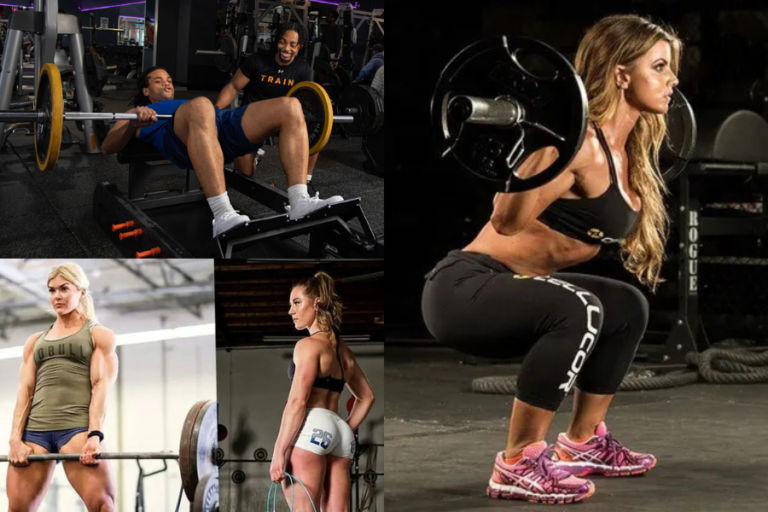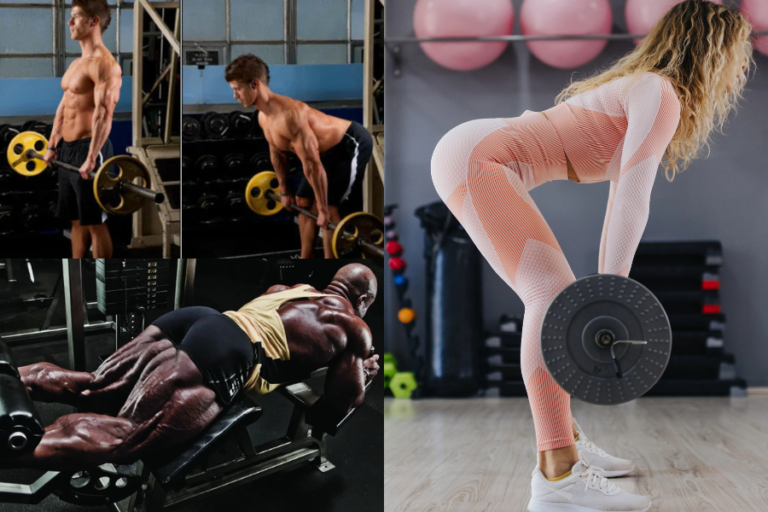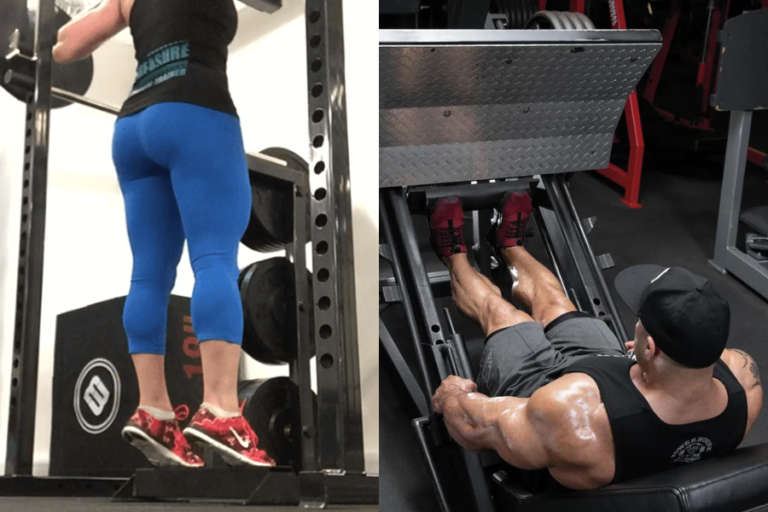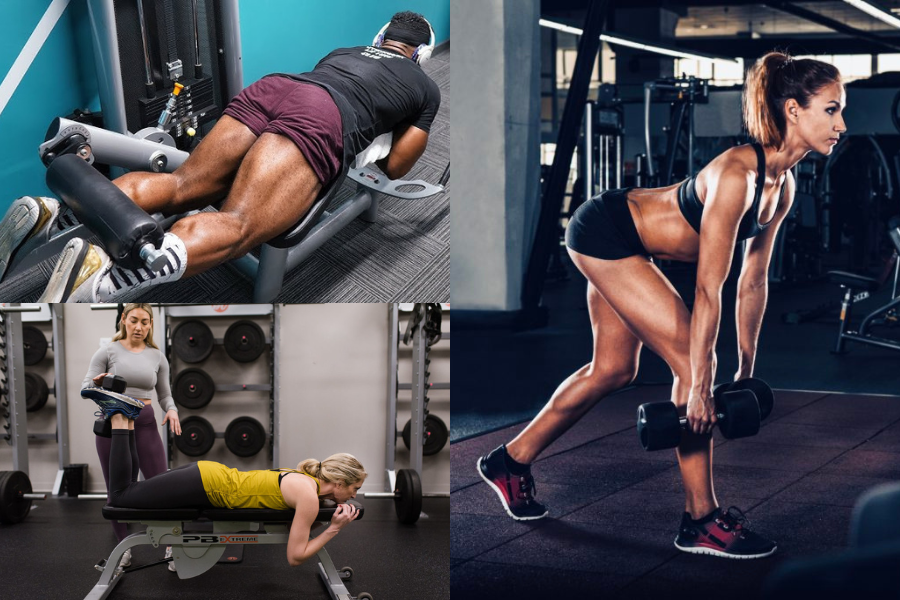
A strong pair of hamstrings does more than help you lift heavy weights. When you focus on single-leg hamstring exercises, you build balance, control, and stability that carry over into walking, running, climbing stairs, and everyday movement. These unilateral moves ask each leg to work on its own, which helps you spot and fix strength differences while giving your core and hips extra training too.
Below, you will find practical single-leg hamstring exercises, how to do them with good form, and ways to fit them into your routine, whether you are a beginner or already comfortable with strength training.
Why single-leg hamstring exercises matter
Most daily movements happen one leg at a time. You walk, run, go up stairs, or step off a curb with one leg leading and the other following. Single-leg hamstring exercises train you in this same pattern so you develop strength and control where you actually need them.
Physical therapists highlight several key benefits of unilateral hamstring work:
- You improve the balance between the front of your thigh (quads) and the back (hamstrings), which can reduce stress on your knees and lower your risk of injury.
- You reveal and address left-right strength differences that may not show up in double-leg exercises like traditional deadlifts or squats, so you can correct imbalances before they turn into pain or strain.
- You challenge your balance and core stability because one leg supports your entire body at a time, which supports better control in daily activities and sports.
Coaches and researchers also point out a concept called the “bilateral strength deficit.” When you train both legs at once, the total load they can handle together is often less than the sum of what they can handle separately. That means single-leg work can sometimes let you load each leg more effectively while also strengthening the stabilizing muscles around your hips and core, which is especially helpful for runners and field athletes.
How to warm up for hamstring work
Before you jump into single-leg hamstring exercises, you want your muscles warm and your joints ready. A short warmup makes the exercises feel smoother and reduces your risk of pulling a muscle.
Spend 5 to 8 minutes on:
- Light cardio like brisk walking, easy jogging in place, or cycling.
- Dynamic leg swings front to back and side to side, keeping the movement controlled.
- Bodyweight squats or reverse lunges to wake up your hips and thighs.
For single-leg work, it also helps to practice simple balance drills, such as standing on one leg near a wall or counter for support. This quickly tells you how steady you feel that day and lets you adjust how challenging your workout should be.
Single leg Romanian deadlift (RDL)
The single leg Romanian deadlift is one of the most effective single-leg hamstring exercises you can do. It targets the biceps femoris portion of your hamstring and also engages your glutes and the small stabilizing muscles around your hips.
How to do it
- Stand tall with your feet hip-width apart and shift your weight onto your right leg. Keep a soft bend in your right knee.
- Engage your core. Start hinging forward at your hips, sending your left leg straight back behind you as a counterbalance.
- Keep your back flat and your hips facing the floor. Imagine your torso and left leg forming a straight line.
- Lower your torso until you feel a strong but comfortable stretch in your right hamstring. Your right knee should stay slightly bent, not locked.
- Drive through your right heel and squeeze your glute to return to standing, keeping your balance as you bring your left foot back under you.
- Complete all repetitions on one side, then switch legs.
You can start with body weight only. Once you are steady, hold a dumbbell or kettlebell in one or both hands to increase the challenge. As you add weight, keep your focus on the hip hinge and hamstring stretch instead of simply trying to touch the floor.
Why it works
The single leg RDL is considered an advanced hamstring strengthening exercise because one leg supports your entire body as you hinge, which demands a lot of coordination and control. Studies referenced by Gymshark highlight that this movement produces high hamstring muscle activation, especially in the biceps femoris, making it an efficient choice if you want the most out of each repetition.
Over time, progressing from body weight to holding weights lets you build serious strength that transfers to running, jumping, and change-of-direction sports.
Single leg deadlift hold and variations
Closely related to the single leg RDL is the single leg deadlift, which uses the same hip-hinge motion with a slight knee bend to emphasize the posterior chain. The key difference in some versions is a brief hold at the bottom position.
How to do a single leg deadlift hold
- Stand on your right leg with a gentle bend in your knee.
- Hinge forward at the hips while extending your left leg backward, just like in the RDL.
- Stop when your torso is roughly parallel to the ground or as far as you can go while keeping your back straight.
- Hold this position for about 10 seconds while keeping your balance, then slowly return to standing.
- Work up to 10 repetitions per leg as you get stronger.
This static hold style builds strength and position sense around your hip and knee and teaches you what a solid hinge feels like.
To make the single leg deadlift more challenging, you can add weight held in your hands. This increases the load on your hamstrings and glutes and can further support injury prevention over time.
Single leg chair squats
If the RDL feels a bit advanced, single leg chair squats are a more accessible way to start training your hamstrings and hips on one leg.
How to do them
- Sit on a sturdy chair with your feet flat on the floor and your knees bent at 90 degrees.
- Shift your weight onto your right leg. Lightly lift your left foot off the floor so only your right leg is bearing weight.
- Lean your torso slightly forward, brace your core, and press through your right heel to stand up to a tall position.
- Control your descent as you slowly sit back down on the chair using just your right leg.
- If needed, use your hands lightly on the chair or your thigh for balance until you feel more confident.
Chair squats like this emphasize hip extension, which is a key job of your hamstrings, but the chair makes the movement safer and less intimidating when you are new to single-leg work.
You can progress by lowering the chair height, pausing just above the seat before sitting, or eventually performing the squats without touching down fully.
Core balance squats
Core balance squats are another way to train your hamstrings and glutes on one leg without equipment. Instead of sitting into a chair, you stay upright and free.
How to do them
- Stand on your right leg with a slight bend in your knee. Raise your left foot a few inches off the floor.
- Brace your core and extend your arms in front of you for balance if helpful.
- Push your hips back and bend your right knee to perform a small squat, keeping your knee in line with your toes.
- Go down only as far as you can while maintaining control and without your knee collapsing inward.
- Press through your heel to return to standing without letting your left foot touch down.
These squats ask your hamstrings to control both the descent and the return to standing while your core works hard to keep you upright. Over time, you can deepen the squat or hold light weights at your chest to increase difficulty.
Single leg bridge progressions
Bridges are a classic way to target your hamstrings and glutes. When you move from two legs to one, the exercise becomes much more demanding.
Starting with a double leg bridge
If you are not yet comfortable with single-leg work, begin with a regular glute bridge:
- Lie on your back with your knees bent and feet flat on the floor, hip-width apart.
- Press through your heels to lift your hips until your body forms a straight line from shoulders to knees.
- Hold for 1 to 2 seconds at the top, then lower slowly.
Once this feels easy, you can progress to a single leg bridge that really challenges your hamstrings.
How to do a single leg bridge on a chair
- Lie on your back with your right heel resting on a sturdy chair or bench, knee slightly bent.
- Extend your left leg so it is in line with your right thigh or slightly higher.
- Press through your right heel to lift your hips, forming a straight line from your shoulders to your right knee.
- Keep your pelvis level, avoid letting one side drop lower than the other.
- Lower slowly and repeat, working up to 3 sets of 15 repetitions per leg as your strength improves.
This variation puts a strong emphasis on your hamstrings, especially as you approach higher repetitions. Controlled movement is important here to avoid hamstring cramps or strain in your lower back.
Single leg hamstring curls and Nordic curls
If you have access to a gym machine or a resistance band, you can add targeted hamstring curls to your routine. These moves focus more on bending the knee rather than hinging at the hip.
Machine-based single leg hamstring curl
- Lie face down on a leg curl machine with the pad positioned between your calf and ankle on your right leg.
- Inhale, then as you exhale bend your knee and push the leg pad upward, bringing your heel toward your glutes.
- Pause briefly at the top to feel the tension in your hamstring.
- Lower the weight slowly back to the starting position.
- Complete half your repetitions on one side before switching legs.
Working one leg at a time allows you to focus on how each hamstring feels and builds more balanced strength over time. Apps like Sweat even include this type of exercise in guided workouts to help you get started with structured routines.
Standing curls and resistance bands
If you do not have a leg curl machine, standing leg curls with or without resistance bands are a simple alternative. Standing on one leg and curling the other heel toward your glutes trains both your hamstrings and your ability to balance. Adding a band provides progressive resistance without needing gym equipment.
Nordic hamstring curls
The Nordic hamstring curl is a more advanced option that research links to a reduced risk of hamstring injury. You kneel with your ankles anchored, then slowly lean your torso forward while keeping your hips extended and your core braced. This demands a lot of strength and control from your hamstrings and core, so it is best to build up gradually and focus on form to avoid strain.
How to build a simple single-leg hamstring routine
You do not need to include every exercise at once. Instead, pick two or three single-leg hamstring exercises that match your current strength and equipment and build from there.
Here is one example of how you might structure a basic routine:
- Warmup: 5 minutes light cardio, plus leg swings and bodyweight squats.
- Single leg Romanian deadlift: 3 sets of 6 to 8 repetitions per leg.
- Single leg chair squats or core balance squats: 2 to 3 sets of 8 to 10 repetitions per leg.
- Single leg bridge on chair: 2 to 3 sets of 12 to 15 repetitions per leg.
- Optional finisher: Standing banded leg curls, 2 sets of 12 to 15 repetitions per leg.
Aim to include these exercises 2 or 3 times per week, leaving at least one rest day between sessions so your muscles can recover. If you run or play sports, you might place this workout on days when your running is easy or shorter.
If any exercise causes sharp pain rather than a normal muscle effort or stretch, stop and adjust. You can reduce the range of motion, hold onto a support for balance, or choose a simpler variation until your strength improves.
Tips for better balance and control
Because single-leg hamstring exercises combine strength and balance, small technique adjustments can make a big difference in how confident you feel:
- Use a wall, counter, or sturdy chair for fingertip support when you start. You can gradually reduce contact as your balance improves.
- Keep your gaze fixed on a spot ahead of you instead of looking down, especially during RDLs and squats.
- Think slow and controlled rather than rushing through reps. Your hamstrings and stabilizers work harder when you move with intention.
- Pay attention to your hips. Try to keep them level and facing forward instead of twisting or letting one side drop.
You will likely notice that one leg feels steadier or stronger than the other. That is normal and exactly why single-leg training is so valuable. Over time, these exercises help even out those differences and give you a more reliable, resilient lower body.
Start with one or two of the movements above in your next workout. As they become more familiar, you can layer in new variations, add light weights, and gradually build a single-leg hamstring routine that supports better balance, control, and confidence in everything you do.
About the Author