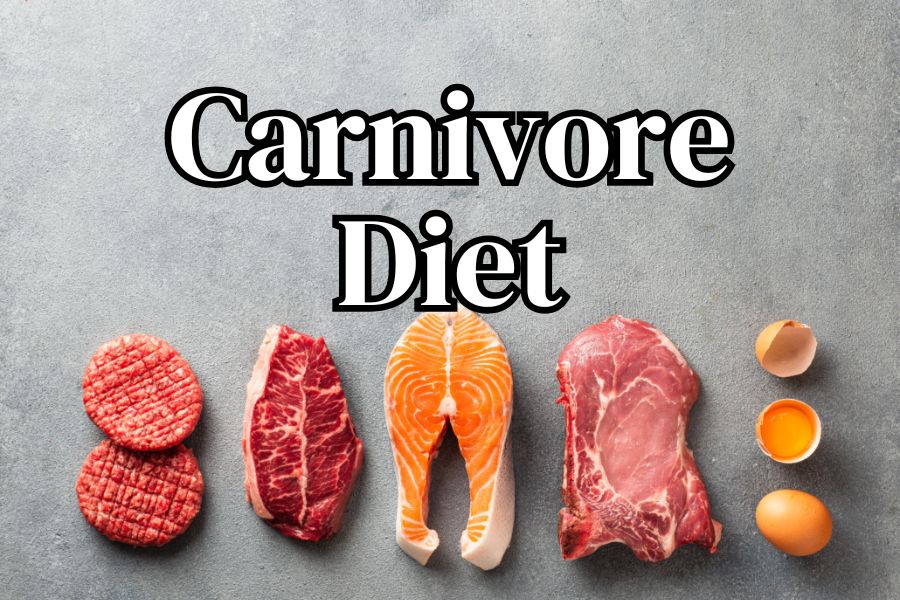
A carnivore diet might sound extreme at first. Eating only animal foods, no plants at all, is a big shift from typical nutrition advice. Yet you may have seen people claim impressive weight loss, clearer skin, and better focus on social media and wondered whether this way of eating could work for you.
Before you overhaul your plate, it helps to understand what the carnivore diet actually is, what potential benefits you might experience, and what the medical community says about its risks. With that information, you can decide how, or if, it fits into your health goals.
Understand what the carnivore diet is
On a carnivore diet, you eat only animal-based foods. That usually includes:
- Meat like beef, pork, lamb, bison, and game
- Poultry like chicken, turkey, and duck
- Fish and seafood
- Eggs
- Some dairy products such as cheese, butter, and heavy cream, if you tolerate them
You avoid all plant foods. That means no fruits, vegetables, grains, legumes, nuts, or seeds. Registered dietitians describe it as a very restrictive way of eating that cuts out all carbohydrates, including those that typically come from whole, fiber-rich foods you might associate with a balanced diet (Cleveland Clinic).
Experts often call the carnivore diet a “zero carb” or “most ketogenic” diet, because your carbohydrate intake drops close to zero and your body starts relying heavily on fat and ketones for fuel (Baylor Scott & White Health, Harvard Health Publishing).
Notice the potential benefits you might feel
Most of the benefits you hear about are based on personal stories rather than large, controlled studies. That does not automatically mean they are untrue, but you should view them as early signals instead of proven facts. Reported benefits fall into a few main categories.
Weight loss and appetite control
If you are struggling with your weight, the carnivore diet may look appealing. Many people say they lose weight quickly at first. A large survey of more than 2,000 people following a carnivore diet for several months found that participants reported weight loss, including a drop in average BMI from an overweight to a healthier range (Center for Nutrition Studies).
There are some reasons you might see the scale move:
- You are cutting out nearly all ultra processed foods, desserts, snacks, and sugary drinks.
- Protein and fat are very filling, so you may naturally eat fewer calories without counting them.
- You are eliminating entire categories of food you may have previously overeaten, such as bread, pasta, and sweets.
Healthline notes that high protein and fat intake can increase satiety and slightly raise your metabolic rate, which can support short term weight loss, although completely eliminating carbohydrates is not required to lose weight (Healthline).
Simpler food decisions and fewer cravings
On a carnivore diet, your choices become very straightforward: basically, you either eat animal foods or you do not eat at all. That simplicity can make your day feel easier. You spend less time thinking about what to cook and are less likely to graze on snacks just because they are available.
Some people also say carb and sugar cravings fade. Removing sweet and starchy foods can stabilize your blood sugar, at least in the short term, which may help you avoid the roller coaster of energy spikes and crashes that push you to keep eating.
A 2019 survey of carnivore dieters found many participants with diabetes reported better blood sugar control and were able to reduce or stop certain medications, although these results were self reported and not medically verified (WebMD).
Possible improvements in focus, mood, and symptoms
You may have seen anecdotes about clearer thinking, better mood, reduced joint pain, or fewer migraines. Supporters also sometimes report improvements in skin issues, such as acne or eczema, and less bloating or digestive discomfort.
Several sources summarize these claims:
- Inspira Health notes that advocates often mention reduced inflammation and improved mental clarity, while emphasizing that scientific research is still very limited (Inspira Health Network).
- Saint Alphonsus highlights reports of stable energy, mental clarity, and fewer hunger swings once people adapt to using fat and ketones for fuel (Saint Alphonsus).
One possible explanation is that by removing many common trigger foods, such as gluten, seed oils, or added sugars, you may incidentally reduce something that was aggravating your symptoms. However, because you are changing so many things at once, it is hard to know exactly what is responsible.
Weigh these benefits against documented risks
While the carnivore diet may offer short term weight loss and symptom relief, major medical organizations consistently caution you to be careful. It is important to balance the potential upsides with what experts describe as meaningful risks.
Nutrient gaps and lack of fiber
When you stop eating plants, you lose your main natural sources of fiber, vitamin C, vitamin K, folate, and many phytonutrients. Nutritionists are especially concerned about the absence of fiber, which supports your gut health and helps lower cholesterol.
- The British Heart Foundation points out that the carnivore diet lacks dietary fiber, which is vital for digestion, constipation prevention, and reducing the risk of heart and circulatory disease (British Heart Foundation).
- Cleveland Clinic warns that removing entire food groups can lead to deficiencies, because different foods provide different essential vitamins and minerals your body needs (Cleveland Clinic).
A 2025 analysis of theoretical carnivore meal plans found they met some nutrient needs, such as vitamins B6 and B12, zinc, and selenium, but consistently fell short in thiamin, vitamin C, magnesium, calcium, potassium, and fiber. Even when offal and dairy were included, multiple micronutrient targets remained difficult to reach through food alone (Nutrients via PubMed Central).
Heart health and long term disease risk
Because you rely heavily on animal products, especially red and processed meats, your intake of saturated fat and cholesterol can be quite high. Over time, that may affect your heart and blood vessels.
- Harvard Health notes that the carnivore diet tends to raise LDL, or “bad,” cholesterol, because it is rich in saturated fats, and does not recommend this diet as a weight loss strategy due to its associated health risks (Harvard Health Publishing).
- The British Heart Foundation highlights that high intake of saturated fat and processed meats can increase non HDL cholesterol and blood pressure, which are linked to heart attack and stroke. They point out that the NHS recommends limiting red and processed meat to 70 grams or less per day, significantly lower than what many carnivore eaters consume (British Heart Foundation).
- WebMD and Healthline both warn that the high saturated fat, cholesterol, and sodium content of typical carnivore diets may raise your risk of heart disease, high blood pressure, kidney disease, and certain cancers, especially if you already have conditions like diabetes or hypertension (WebMD, Healthline).
These are not guaranteed outcomes, but they are serious enough that many dietitians advise against using a strict carnivore diet long term.
Kidney strain and bone health
Extremely high protein intake can make your kidneys work harder and may affect your mineral balance, which in turn can influence bone health.
Harvard Health outlines several potential long term risks of a carnivore style diet, including kidney stones, gout, osteoporosis, and possible impaired kidney function, especially if you already have reduced kidney capacity (Harvard Health Publishing).
This does not mean you will automatically develop these issues, but it is another reason to involve your doctor if you consider this approach.
Limited evidence and sustainability
You might also want to look at the strength of the evidence. Multiple reviews emphasize that there are no large, high quality clinical trials proving that the carnivore diet prevents disease or is safe long term.
- Healthline notes that no controlled studies support claims around weight loss, mood, or blood sugar beyond very short time frames, and that experts caution against relying solely on anecdotes (Healthline).
- The Center for Nutrition Studies points out that the term “carnivore diet” only appeared in scientific literature in 2020 and that most available information is observational, self reported, and often influenced by advocacy groups (Center for Nutrition Studies).
Dietitians from several organizations, including Cleveland Clinic, Inspira Health, Baylor Scott & White, and WebMD, describe the carnivore diet as highly restrictive and generally unsustainable over the long haul, both socially and nutritionally (Cleveland Clinic, Inspira Health Network, Baylor Scott & White Health, WebMD).
Many registered dietitians advise against a strict carnivore diet and instead recommend a varied, whole food eating pattern that includes fruits, vegetables, whole grains, and lean proteins for sustainable health.
Consider safer ways to learn from the carnivore trend
If some of the reported benefits appeal to you, you do not necessarily need to go “all in” on a zero carb, animal only plan. You can borrow elements that might help you while still protecting your long term health.
Focus on reducing ultra processed foods
One reason you may feel better on a carnivore diet is simply that you stop eating many packaged, highly processed, and sugary foods. You can get a similar benefit by:
- Prioritizing whole, minimally processed items
- Cutting back on sweetened drinks, desserts, and refined snacks
- Cooking more meals at home so you control the ingredients
These changes alone can support weight loss, better energy, and more stable blood sugar without removing entire plant food groups.
Build protein centered, lower carb meals
If you feel best with fewer refined carbohydrates, you can shift your plate so protein plays the starring role but vegetables and certain whole grains still support your nutrient intake.
For example, you might:
- Center meals around fish, poultry, eggs, or lean cuts of meat
- Fill half your plate with non starchy vegetables
- Add modest portions of legumes, whole grains, or fruit, depending on how you respond
This kind of pattern borrows the higher protein emphasis of the carnivore diet while still aligning with mainstream guidance from cardiology and diabetes organizations.
Test changes with your healthcare team
If you are still drawn to trying a carnivore diet itself, it is especially important to involve your doctor or a registered dietitian first. That is the consistent advice from organizations like Inspira Health and Baylor Scott & White, who stress that the long term effects are unknown and that individual factors like kidney function, cholesterol levels, and medications matter a great deal (Inspira Health Network, Baylor Scott & White Health).
Together, you can:
- Review your medical history and current lab results
- Decide whether a short, supervised trial makes sense
- Plan lab monitoring so any negative changes are caught early
- Discuss supplements if you are excluding major nutrient sources
That way, you are not experimenting in the dark.
Decide whether the carnivore diet is right for you
The carnivore diet clearly has a strong pull. You may be attracted to the simplicity of the rules, the possibility of rapid weight loss, or the promise of clearer thinking and fewer cravings. Many people do report these kinds of benefits, especially in the first months.
At the same time, respected health organizations repeatedly flag important concerns: potential nutrient deficiencies, missing fiber, elevated cholesterol, and unknown long term effects on your heart, kidneys, and bones (Cleveland Clinic, British Heart Foundation, Harvard Health Publishing).
If your main goal is to lose weight and improve your health, you have other options that are better studied and more flexible. Balanced, whole food eating patterns can still give you many of the “surprising benefits” you see associated with carnivore style diets, without cutting out entire categories of nourishing foods.
You do not have to decide everything today. You might start by tracking what you eat now, trimming ultra processed foods, and gently shifting toward more protein and whole foods. As you notice how your body responds, you and your healthcare team can reassess and choose the next step that feels both effective and sustainable for you.
About the Author