Understand your triceps first
If you want stronger, more defined arms without relying on heavy weights, bodyweight tricep exercises are a smart place to start. These movements use your own body as resistance so you can work your triceps almost anywhere, from the gym to your living room.
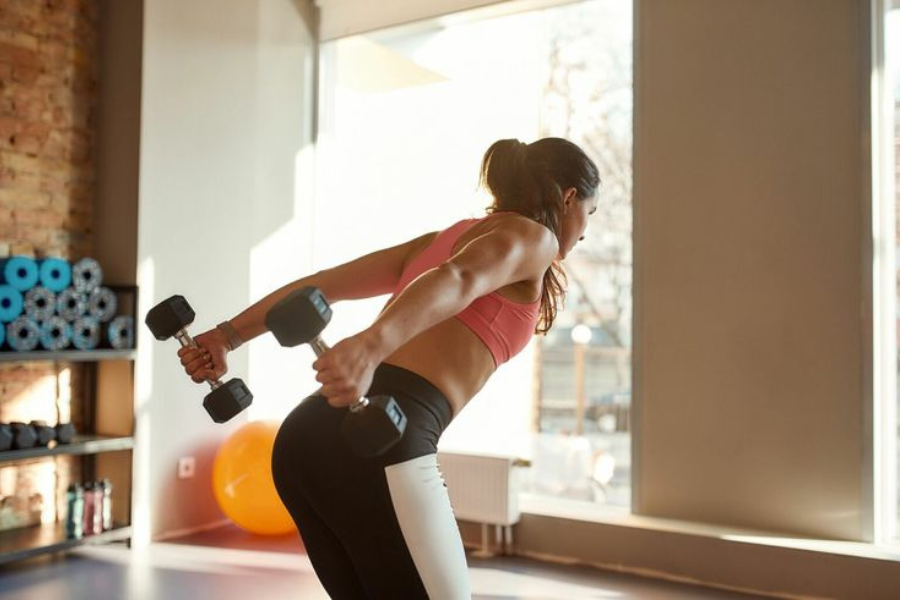
Your triceps brachii sit on the back of your upper arm and include three heads: long, lateral, and medial. Together they make up about 60 to 70 percent of your upper arm muscle mass. That means if you want your arms to look and feel stronger, you cannot ignore your triceps. They help you straighten your elbow, stabilize your shoulders, and support everyday tasks such as pushing a door open or lifting a heavy bag.
The good news is that you do not need machines or barbells to see progress. Well chosen bodyweight exercises can fully exhaust your triceps while also engaging your chest, shoulders, and core.
Why bodyweight tricep exercises work
Bodyweight tricep exercises are effective for a few key reasons:
-
High muscle activation
Pressing movements like pushups and dips have been shown to activate the triceps more than many isolation exercises. Fitness expert Noam Tamir, C.S.C.S., notes that these bodyweight presses are among the top options for building tricep strength and tone. -
Big range of motion
Exercises such as dips and extensions move your elbow through a large range of motion. This creates mechanical tension in the muscle fibers, especially during the lowering phase, which is one of the main drivers of muscle growth and definition. -
Joint stability benefits
When you train your triceps through bodyweight patterns, you also recruit stabilizing muscles in your shoulders, upper back, and core. Over time this can improve shoulder stability, which helps protect you from strain and discomfort. -
Minimal equipment and high convenience
Many of these moves only require a chair, bench, or sturdy surface. You can adjust difficulty by changing your body angle, adding tempo, or using simple tools like resistance bands.
How to structure a tricep workout
You can build a complete tricep session from bodyweight movements alone. Here is a simple way to organize your training.
Choose your weekly frequency
For most people, you get good results by training triceps:
- 2 to 3 times per week
- With at least one rest day between intense sessions
You can do a tricep focused workout, or slot these exercises into a full upper body or total body routine.
Pick your exercises and sets
From the exercises below, select:
- 3 to 5 different bodyweight tricep exercises
- 3 sets of each
- 8 to 15 reps per set, depending on difficulty
If a movement is very challenging, stay closer to 6 to 8 reps. If it feels easier, push toward 12 to 15.
Use tempo and time under tension
To really feel your triceps working, slow the movement down:
- Lower for about 3 seconds
- Pause briefly at the bottom
- Press back up in 2 to 3 seconds
This longer time under tension, ideally 40 to 70 seconds per set, increases muscle fatigue and supports hypertrophy without the need for heavy weights.
Classic tricep dips
Tricep dips are one of the most effective bodyweight tricep exercises you can do. They strongly target the triceps, often with nearly twice the activation of the chest in some setups, and work through a deep range of motion.
How to do bench or chair dips
You can use a sturdy bench, low step, or chair.
- Sit on the edge and place your hands next to your hips, fingers pointing forward.
- Walk your feet out so your hips come off the edge and your arms are straight.
- Keep your chest up and shoulders away from your ears.
- Bend your elbows to lower your body, keeping them pointing backward, not flaring wide.
- Lower until your upper arms are roughly parallel to the floor, or as far as is comfortable.
- Press through your palms to straighten your arms and return to the starting position.
Make dips easier
If you are new to dips, start with:
- Bent knees: Keep your feet closer to your body and knees bent so you support some of your weight with your legs.
- Smaller range of motion: Lower only halfway while you build strength and confidence.
Make dips harder
Once you have good form, increase the challenge by:
- Straightening your legs and placing your heels on the floor.
- Elevating your feet on another chair or step so more weight shifts to your arms.
- Slowing the descent to 3 to 4 seconds per rep.
Parallel bar dips, ring dips, and straight bar dips are advanced versions that demand more strength and stability. On these, keep your elbows tucked and your forearms vertical to emphasize the triceps and reduce shoulder stress.
Diamond pushups for focused triceps
Diamond pushups are a powerful variation that places more stress directly on your triceps than a standard pushup. In this move your hands sit close together under your chest so your thumbs and index fingers form a diamond shape.
A 2016 study in the Journal of Physical Therapy Science found that narrow hand placement pushups, like diamond pushups, increased muscle activation in the triceps and certain shoulder muscles compared to wider stances. In addition, the American Council on Exercise ranks diamond pushups among the most effective bodyweight moves for engaging all three tricep heads.
How to do a diamond pushup
- Start in a high plank position with your body in a straight line from head to heels.
- Bring your hands together under your chest so your thumbs and index fingers touch to form a diamond.
- Brace your core and keep your back flat.
- Bend your elbows, keeping them close to your sides, and lower your chest toward your hands.
- Lower until your chest lightly touches your hands or as far as you can with control.
- Press back up to the starting position while maintaining the diamond hand shape.
This move challenges your triceps, chest, and core at once and is even used as a warm up in some military routines.
Modifications and progressions
If full diamond pushups feel too intense, try:
- Knee diamond pushups: Drop your knees to the floor to reduce load while keeping the same hand position.
- Incline diamond pushups: Place your hands on a raised surface like a bench, table, or wall. The higher the surface, the easier the exercise.
To make it harder once you are comfortable:
- Elevate your feet on a step or chair.
- Slow your tempo, especially on the way down.
- Pause at the bottom for 1 to 2 seconds to increase time under tension.
Close grip and narrow pushup variations
Close grip pushups are another bodyweight tricep exercise that shifts more work from the chest to the backs of your arms. Instead of the hands being shoulder width apart, you bring them just inside shoulder width and keep your elbows tucked in tight to your torso.
Standard close grip pushup
- Begin in a high plank with hands placed slightly inside shoulder width.
- Squeeze your elbows toward your sides as you lower your body.
- Keep your body straight, core braced, and head in line with your spine.
- Push the floor away and extend your elbows to rise back up.
This variation builds functional strength for everyday pushing tasks and can feel slightly more comfortable on the wrists than the very narrow diamond shape for some people.
Other pushup based tricep options
You can target your triceps from different angles by adjusting your body position:
- Wall pushups: Great for beginners or warm ups, with a very light load.
- Decline or feet elevated pushups: Increase intensity and shift more work to the upper chest and shoulders while still relying on strong tricep extension.
- Close grip incline pushups: Hands on a bench or table to bridge the gap between wall pushups and floor pushups.
Mixing these pushup variations in your routine challenges your triceps in slightly different ways and prevents your workouts from feeling stale.
Bodyweight tricep extensions
Bodyweight tricep extensions are often overlooked, but they are an excellent way to emphasize elbow extension and stretch the triceps under load. They also engage your core and shoulders to keep your body stable.
How to do a bodyweight tricep extension
You can perform these against a sturdy surface such as a bench, box, or even a wall.
- Place your hands on the surface with your arms straight, slightly narrower than shoulder width.
- Walk your feet back until your body forms a straight line from head to heels, similar to a plank at an angle.
- Keeping your elbows tucked, bend them to bring your forehead or nose toward your hands or the surface.
- Your upper arms should move forward while your body stays in one straight line.
- Press through your hands to straighten your elbows and return to the start.
The key is that your body moves as a single unit while your elbows bend and straighten. This focuses tension directly on the triceps.
Adjust difficulty and angle
You can easily make this exercise easier or harder:
-
Easier
-
Use a higher surface, like a wall or countertop.
-
Bend your knees and bring your feet closer in.
-
Harder
-
Use a lower surface, like a bench or box.
-
Walk your feet back farther so your body is more horizontal.
-
Elevate your feet on a step for an even steeper angle.
Incline and decline variations, as well as kneeling versions, let you progress gradually and continue challenging all three tricep heads.
Pike pushups and overhead tricep emphasis
Pike pushups place your body in a V shape similar to the downward dog yoga pose. In this position your arms are overhead relative to your torso, which shifts more work to the long head of the triceps because of its attachment to the shoulder blade.
How to do a pike pushup
- Start in a high plank position.
- Walk your feet toward your hands and lift your hips toward the ceiling so your body forms an inverted V.
- Place your hands about shoulder width apart and spread your fingers for stability.
- Bend your elbows to lower the top of your head toward the floor, keeping them angled slightly back, not flaring out.
- Press through your hands to straighten your arms and return to the pike position.
Pike pushups also strengthen your shoulders and upper back.
Progressions for pike pushups
To adjust the challenge level:
-
Beginner
-
Keep your feet closer to your hands to lessen the load.
-
Limit how low you go at first.
-
Advanced
-
Elevate your feet on a step or bench to increase the angle.
-
Use a slow 3 second descent and a brief pause at the bottom.
Putting it together: sample tricep workouts
Here are two sample bodyweight tricep workouts you can try. Warm up first with light cardio and gentle arm circles.
Beginner friendly routine
Perform 2 to 3 sets of each exercise. Rest 45 to 60 seconds between sets.
- Wall or incline close grip pushups
- 8 to 12 reps
- Bench or chair dips with bent knees
- 8 to 10 reps
- Kneeling diamond pushups
- 6 to 10 reps
- High surface bodyweight tricep extensions
- 8 to 12 reps
Focus on smooth, controlled movement and stop each set with 1 to 2 reps left in the tank.
Intermediate home workout
Perform 3 sets of each exercise. Rest 60 to 90 seconds between sets.
- Diamond pushups
- 8 to 12 reps
- Straight leg bench or chair dips
- 10 to 12 reps
- Bodyweight tricep extensions on a bench or low table
- 10 to 12 reps
- Pike pushups
- 6 to 10 reps
If you want more volume, you can add a fourth set or combine this with other upper body work such as rows or bicep exercises for a balanced session.
Tips to protect your shoulders and elbows
Bodyweight tricep exercises are generally safe, but form matters. Keep these pointers in mind:
-
Keep elbows tucked
Letting your elbows flare wide during dips or pushups increases stress on your shoulders. Aim for them to track roughly along your sides. -
Avoid dropping too low on dips
Lower only until your upper arms are parallel to the floor, especially if you have a history of shoulder discomfort. -
Use a neutral neck and stable core
Do not let your head drop forward or your lower back sag. A solid plank like torso gives your arms a stable base to push from. -
Progress gradually
Move from easier variations to harder ones as your strength improves. Rushing to advanced dips or deep pushups can irritate your joints.
If you are unsure about your technique or have existing shoulder or elbow issues, working with a personal trainer or coach can be a smart choice. Skilled instructors, like those in structured fitness programs and studios, can help you dial in form and choose the right variations for your current level.
Key takeaways for stronger triceps
- Your triceps make up most of your upper arm muscle mass, so training them has a big impact on arm strength and appearance.
- Bodyweight tricep exercises such as dips, diamond pushups, close grip pushups, tricep extensions, and pike pushups can effectively build strength and definition without weights.
- Training 2 to 3 times per week with 3 sets of 8 to 15 reps per exercise, and using a slow, controlled tempo, provides enough stimulus for progress.
- Adjusting angles, range of motion, and tempo lets you scale these exercises from beginner friendly to highly challenging.
- Good form and gradual progression keep your shoulders and elbows healthy while your triceps get stronger.
Choose one or two of the exercises above and add them to your next workout. As they start to feel easier, progress to tougher variations. Over time you will notice everyday pushing motions feel smoother and your arms look more defined, all powered by simple bodyweight training.
About the Author