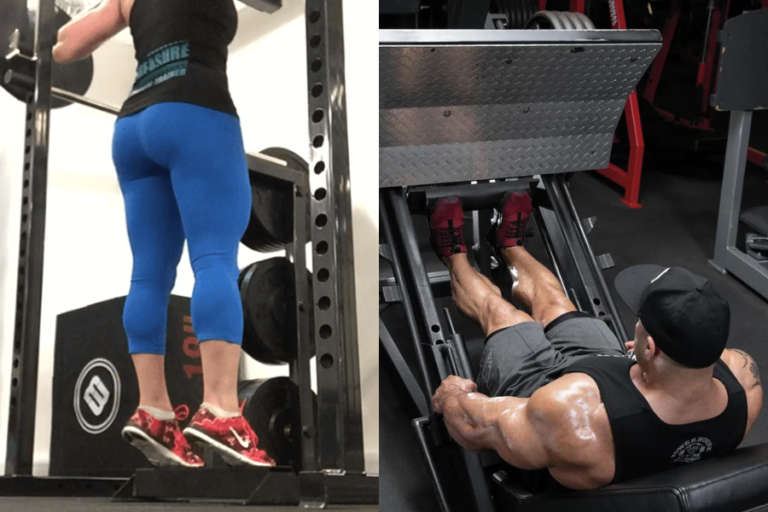
Finding the right glute workout frequency can make all the difference in seeing real progress and feeling stronger. Your glute muscles power everyday movements like walking, climbing stairs, and lifting objects. Training them on a consistent schedule ensures better shape, improved balance, and a reduced risk of lower-body injuries.
Recognize why glute training matters
Your glutes aren’t just for looks. They stabilize your hips, align your posture, and help prevent lower-back strain. Whether you enjoy running, dancing, or simply want to stay mobile, strong glutes give you extra stability and power.
Glute functions to remember
- They anchor your torso, reducing stress on your spine
- They support better knee tracking by providing hip stability
- They assist in explosive movements such as jumping or sprinting
Decide your ideal frequency
Most people find success training glutes around two or three times a week. This schedule balances hard work and proper recovery, allowing your muscles to repair themselves between sessions. However, your exact frequency can shift depending on factors like fitness experience, intensity of each workout, and personal recovery needs.
Frequency factors to consider
- Fitness level: Beginners might start with two sessions a week
- Workout volume: Higher sets and heavier weights may require extra rest
- Overall routine balance: Pair glute days with upper-body or rest days
Build an effective routine
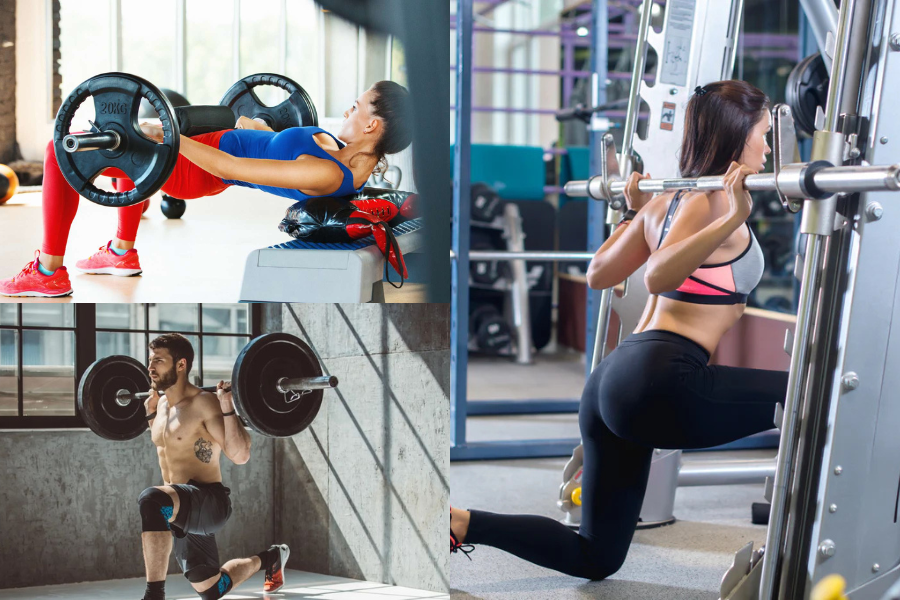
Training your glutes consistently doesn’t have to be complicated. Choose a variety of exercises that target all angles of your backside, such as squats, lunges, hip thrusts, and glute bridges. Mix main compound exercises with lighter isolation moves to ensure complete muscle development.
Exercise selection tips
- Start with bigger movements (squats or hip thrusts) to build strength
- Follow up with isolation work like kickbacks or clamshells
- Aim for progressive overload by slowly increasing weight or reps
Manage rest for growth
Proper rest is essential for muscle recovery. Your glutes, like any other muscle group, need time off in between intense training sessions. Make sure you get enough sleep, stay hydrated, and include active rest activities. Light walks or stretching sessions keep your body flexible and help the healing process without overloading the muscles.
Quick recovery ideas
- Foam roll your glutes or use a massage ball to ease tension
- Alternate hard and easy glute sessions across the week
- Keep track of soreness levels, adjusting intensity as needed
Key glute takeaways
- Train your glutes two to three times a week, adjusting based on how your body feels
- Combine compound moves with isolation exercises for balanced development
- Schedule rest days or lighter workouts for adequate recovery
- Gradually increase resistance or repetitions to see sustainable progress
With the right glute workout frequency, you’ll notice firmer muscles, stronger lifts, and better everyday function. Experiment with your routine, stay consistent, and enjoy the confidence that comes with well-trained glutes.
About the Author