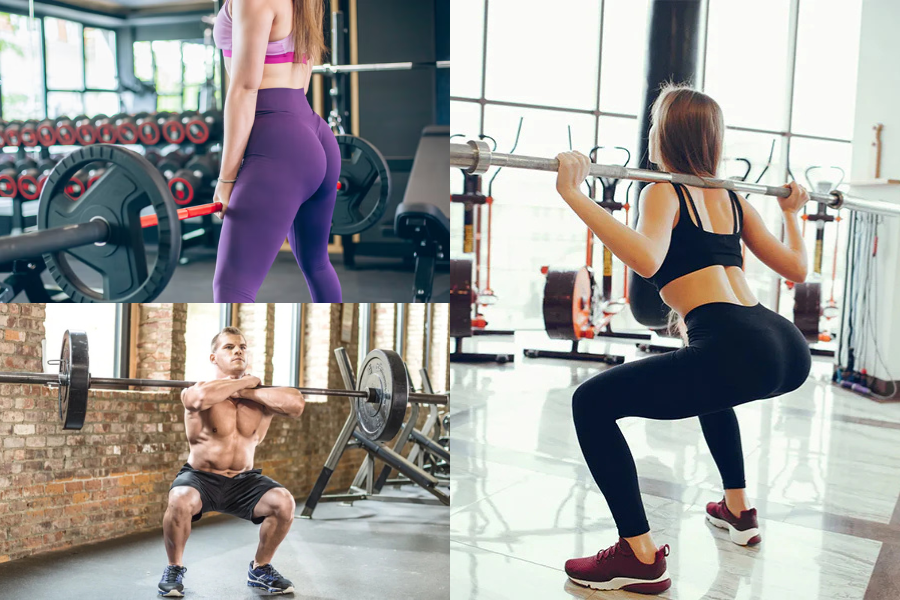
Glute isolation exercises are an excellent way to strengthen your backside and enhance overall lower-body stability. By focusing on movements that primarily engage the glutes without over-recruiting other muscle groups, you can refine your form, correct imbalances, and achieve the sculpted look you want. Before you get started, remember that proper technique and consistency are key to getting the most benefit from each workout.
Understand why isolation matters
You have three main gluteal muscles: the gluteus maximus, medius, and minimus. When you incorporate isolation exercises, you target these muscles more directly to build strength and definition. This targeted approach also helps reduce the risk of other, stronger muscles compensating during compound movements. For example, if your hamstrings or lower back tend to take over squats or deadlifts, isolation drills will ensure your glutes genuinely do the work.
Start with glute bridges
Glute bridges offer a simple yet effective move to activate all three gluteal muscles. This exercise trains you to fire your glutes independently of your hip flexors or lower back.
How to do it
- Lie on your back with knees bent and feet flat on the floor, hip-width apart.
- Push through your heels while lifting your hips toward the ceiling.
- Squeeze your glutes at the top, keeping your torso in a straight line from shoulders to knees.
- Lower slowly and repeat for 10 to 12 reps.
To increase difficulty, try single-leg glute bridges by raising one foot off the ground. This variation forces each side of your glutes to work independently, improving symmetry and strength.
Add donkey kicks to routine
Donkey kicks let you zero in on the gluteus maximus without straining your back. This movement also works on stability, since your core and shoulders help keep your body steady.
- Begin on all fours, placing your wrists under shoulders and knees under hips.
- Keeping your knee bent at a 90-degree angle, lift your foot toward the ceiling in a controlled motion.
- Squeeze your glutes at the top, then lower your knee and repeat for 10 to 15 reps on each side.
Keep your core engaged to avoid arching your back, which can reduce the effectiveness of the exercise.
Try side-lying hip abductions
If your goal is to target the gluteus medius and minimus, side-lying hip abductions are a must. These two smaller muscles perform critical stabilizing roles, helping you balance and walk more efficiently.
- Lie on your side with legs stacked, and rest your head on your arm or a pillow.
- Keeping your bottom leg slightly bent for stability, straighten your top leg and lift it upward.
- Pause for a second at the top, feeling the contraction in your outer hip and glute.
- Lower slowly and complete 10 to 15 reps per side.
Go slowly to keep the tension where you want it—on your glutes, not your lower back.
Incorporate cable kickbacks
Cable kickbacks offer an adaptable way to challenge your glutes with continuous tension. If you have access to a cable machine or adjustable resistance bands, this exercise can add variety and intensity to your workouts.
- Attach an ankle cuff or loop band around your lower leg.
- Standing upright, hold onto a sturdy surface and position the cable (or band) behind you.
- Keeping a slight bend in your knee, extend your leg straight backward, squeezing your glutes at the top.
- Return to the starting position, maintaining control as you move.
Experiment with different weight levels or band resistances to find a balance that is challenging but allows you to keep proper form.
Optimize your glute workouts
To see lasting results with glute isolation exercises, aim to incorporate them into your routine two to three times a week. Consider pairing them with compound lifts like squats or lunges for a balanced lower-body session. As you gain strength, gradually increase your resistance or the number of sets to keep your muscles challenged.
- Increase reps in small increments to avoid overtraining.
- Listen to your body: soreness can be a sign you need more rest or a lighter load.
- Focus on mind-muscle connection: actively think about the glute muscles contracting during each rep.
Following this steady, targeted approach helps you develop a strong, well-rounded backside. Even if you are new to strength training, these exercises offer a clear, dynamic path toward achieving the toned and powerful glutes you desire. With regular practice, consistent form, and a dash of patience, you will be well on your way to building a solid foundation and feeling more confident in everyday movements.
About the Author