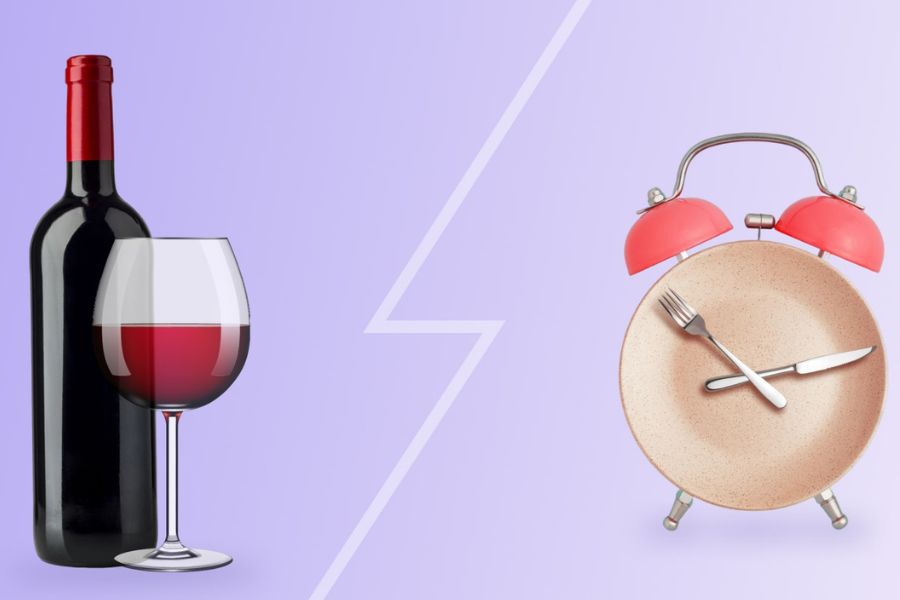
Understand how alcohol affects your fast
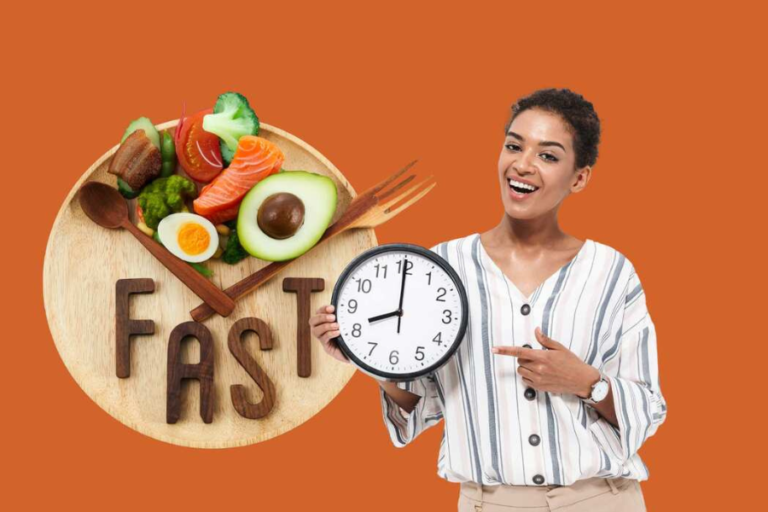
If you are practicing intermittent fasting, alcohol and intermittent fasting can mix, but you need a plan. Intermittent fasting works by giving your body regular breaks from calories so it can shift into fat burning, support hormonal balance, and trigger cellular repair. Alcohol interrupts many of those benefits if you are not careful about timing and quantity.
Alcohol contains 7 calories per gram, which means any drink during your fasting window technically breaks your fast and pulls you out of fat burning (Healthline). Your body prioritizes metabolizing alcohol over burning fat, so weight loss can slow if you drink often or heavily during your eating window as well (MurLarkey Distilled Spirits).
The good news is that you usually do not have to give up alcohol completely. With intermittent fasting, your results depend more on when and how much you drink than on total avoidance.
Key ways alcohol interferes with fasting
- It breaks a fast any time you drink during the fasting window
- It slows fat burning because your body burns alcohol first
- It adds dense, easy to overlook calories to your day
- It can increase hunger and cravings, which may lead to overeating
- It can reduce sleep quality, which can also affect weight and blood sugar control (Simple)
Knowing these effects helps you decide when a drink fits and when it is better to skip it.
Decide your goals before you drink
Before you think about what you can drink, get clear on why you are intermittent fasting. Your goals should guide how strict you are with alcohol.
Ask yourself:
- Is your main goal fat loss, better health markers, or both
- Are you using fasting to support blood sugar or insulin sensitivity
- Are you focused on longevity and cellular repair benefits like autophagy
- Do you already have any alcohol related health concerns or medications
If you are fasting mainly for weight loss, light to moderate drinking during your eating window can still fit your plan. Heavy or frequent drinking, however, is linked to more body fat and inflammation, which can counter your progress (Healthline).
If you are fasting for cellular repair and long term health, you will likely want to be more cautious. Alcohol can inhibit autophagy and increase inflammation, which pushes against those benefits (Perfect Keto).
There is no single rule that works for everyone. Your comfort level, health, and goals matter most.
Follow clear rules during your fasting window
During your fasting window, the guidelines are simple and strict: no calories.
Since alcohol always contains calories, any amount will break your fast. Even non sugary spirits like vodka or whiskey are high enough in calories to disrupt fasting benefits such as fat loss and metabolic improvements (Aspect Health).
What you should avoid while fasting
- Wine, beer, cider, and hard seltzers
- Spirits like vodka, gin, rum, tequila, and whiskey
- Mixed drinks, cocktails, and liqueurs
All of these provide energy, which turns off the fasted state and reduces the benefits you are working for.
What you can drink instead
Stick to noncaloric options during the fasting window, such as:
- Water, still or sparkling
- Black coffee
- Plain tea
- Electrolyte drinks that are clearly labeled zero calorie
If you already find fasting challenging, keep your fasting window protected. It is the anchor of your routine and deserves clear boundaries.
Time alcohol wisely in your eating window
If you want to include alcohol and intermittent fasting in the same routine, timing is your best tool. Drinking only during your eating window protects your fast and reduces many side effects.
According to several guides, including recent articles from Simple, Aspect Health, and Perfect Keto, the safest approach is to drink with or after a balanced meal, not on an empty stomach (Simple, Aspect Health, Perfect Keto).
Why you should avoid drinking on an empty stomach
If you break your fast with alcohol or drink before eating:
- Alcohol hits your system faster and feels stronger
- Blood sugar can swing more sharply
- You may experience more dizziness, headaches, or stomach irritation
- You were already hungry, so cravings can spike and lead to overeating
Instead, aim to:
- Open your eating window with a real meal that includes protein, healthy fat, and some carbohydrates.
- Have alcohol after that meal or with your next one.
This slower approach keeps you more in control of portions and helps protect your energy levels and digestion (Perfect Keto).
Choose smarter drinks for fewer calories
Not all drinks affect your intermittent fasting plan in the same way. Some options are much more calorie and sugar heavy than others.
Research from Healthline, Simple, and Aspect Health suggests choosing lower calorie, lower sugar options such as dry wine and clear spirits, and passing on sugary cocktails and dessert style drinks (Healthline, Simple, Aspect Health).
A quick comparison of common choices
| Drink type | Typical profile | How it fits with IF |
|---|---|---|
| Dry red or white wine | Lower sugar, moderate calories | Reasonable in moderation with meals |
| Champagne or dry prosecco | Often slightly lower in calories than sweeter wines | Works in moderation, avoid sweet versions |
| Light beer | Fewer calories than regular beer | Occasional option if you enjoy beer |
| Clear spirits (vodka, gin, tequila, rum) | High in calories but zero sugar | Better when mixed with low calorie mixers |
| Sweet cocktails | High sugar and calories | Best to limit or avoid on fasting days |
| Dessert wines and liqueurs | Very high sugar and calories | Generally not friendly to weight loss goals |
Better mixer ideas
If you choose spirits, pair them with low calorie mixers such as:
- Soda water or sparkling water
- Diet tonic or diet soda, if they sit well with you
- A squeeze of citrus instead of juice
These tweaks do not make alcohol a health food, but they reduce the calorie and sugar load, which helps protect your calorie deficit and metabolic goals.
Keep portions moderate and consistent
Beyond timing and drink choice, portion control is what will make or break your results. Alcohol calories add up quickly and your body burns them before other fuel sources, so even a few extra drinks per week can slow your progress.
Health authorities and multiple guides, including Simple and Perfect Keto, point to the same basic definition of moderation: up to 2 drinks per day for men and 1 drink per day for women (Simple, Perfect Keto).
What 1 standard drink usually means
- 5 oz (about 150 ml) wine
- 12 oz (about 355 ml) beer
- 1.5 oz (about 45 ml) of 40% spirit such as vodka or whiskey
Heavy drinking, defined as 4 or more drinks per day for men and 3 or more for women, is associated with higher risks of weight gain, obesity, and other health problems (Healthline).
If weight loss is your goal, consider:
- Limiting alcohol to certain days of the week
- Having alcohol free weeks now and then to see how your body responds
- Tracking your drinks like you would track snacks or desserts
Consistency tends to matter more than perfection. A small amount of alcohol a few times per week usually has less impact than a large amount on one or two nights.
Watch for warning signs and side effects
Your body gives you feedback about how alcohol and intermittent fasting are working together. Pay attention to what changes on the days after you drink.
Common signs that alcohol might be undermining your fasting results include:
- Stronger hunger or cravings, especially for salty or sugary foods
- More frequent overeating during your eating window
- Trouble sleeping, or waking up feeling unrefreshed
- Headaches, dehydration, or low energy during your fast
- Slower progress with weight loss, even when your schedule is consistent
Research notes that alcohol can worsen sleep, increase appetite, and push you toward high calorie foods, all of which can chip away at intermittent fasting benefits (Simple, Perfect Keto).
If you notice several of these patterns, try one of the following experiments:
- Cut your usual number of drinks in half for two weeks
- Restrict alcohol to one or two specific days per week
- Take a full break from alcohol for 14 to 30 days and compare your sleep, energy, and progress
You do not have to commit to a permanent change right away. Small tests give you real data on how your body responds.
Protect your liver and metabolic health
Fasting is often used to support metabolic health and reduce long term risks, but alcohol can push in the opposite direction if you overdo it.
When you drink, your liver converts alcohol into acetaldehyde and then acetate, both of which can be toxic in high amounts. Regular heavy drinking raises the risk of fatty liver disease, inflammation, and impaired fat burning (Aspect Health). It can also blunt improvements in insulin sensitivity that many people hope to gain from intermittent fasting (MurLarkey Distilled Spirits).
There is some evidence that small amounts of alcohol, when used carefully during eating windows, can have mixed or even modest positive effects on insulin resistance and metabolic rate for certain people (Aspect Health). The key words here are small amounts and carefully.
If you already have liver concerns, diabetes, prediabetes, or you take medications that interact with alcohol, talk with your healthcare provider before combining drinking and intermittent fasting. Your safety and long term health come first.
Build a simple personal plan
To balance alcohol and intermittent fasting without losing momentum, you can sketch out a straightforward plan that you can actually follow.
Use these steps as a starting point and adjust them to fit your life:
-
Pick your fasting schedule
Decide your standard pattern, for example 16:8, 14:10, or another approach. Lock in your fasting window so you know when alcohol is completely off the table. -
Choose your drinking days
Select which days, if any, you plan to drink. For example, you may decide that you will drink only on weekends, or only at planned social events. -
Set your drink limit
Decide your maximum number of drinks on those days, ideally within moderate levels. For instance, you might cap it at 1 drink on weeknights and 2 drinks on weekends. -
Plan your first meal
Decide what kind of meal you will have before your first drink, focusing on protein, fiber, and healthy fats. This helps blunt the impact of alcohol and keeps hunger under control. -
Pick your default drink
Choose a go to option that fits your goals, such as a glass of dry wine or a spirit with soda water. Having a default helps you make quick, consistent choices in social settings. -
Review every few weeks
Every 2 to 4 weeks, check in with yourself. Look at your sleep, cravings, energy, and progress. Adjust your drinking days, portions, or drink choices if something is not working.
This kind of light structure keeps your decisions intentional instead of impulsive, and it makes it easier to see how small changes affect your results.
Bring it all together
You do not have to choose between enjoying alcohol and benefiting from intermittent fasting. You just need clear boundaries.
If you want to balance alcohol and intermittent fasting successfully, you can:
- Keep your fasting window free of all calories, including alcohol
- Drink only during your eating window, ideally with or after a meal
- Choose lower calorie, lower sugar drinks when possible
- Stay within moderate drinking guidelines most days
- Watch how your body responds and adjust as needed
Try one small change this week, such as moving all drinks to after dinner or swapping a sugary cocktail for a glass of dry wine. Notice how your sleep, hunger, and energy feel over the next few days. From there, you can keep refining your routine so that your fasting schedule and your social life work together instead of pulling in opposite directions.
About the Author