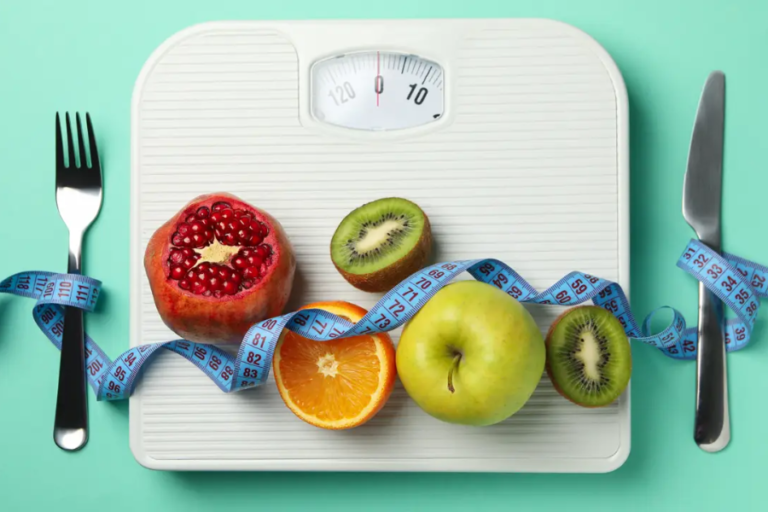
A lot of diets promise quick results, then leave you hungry, confused, and right back where you started. The DASH diet is different. Originally created to lower high blood pressure, the DASH diet has become one of the most recommended eating plans for long term heart health, gentle weight loss, and everyday energy, all without special products or complicated rules.
If you are curious about how the DASH diet works and whether you can actually enjoy eating this way, you are in the right place.
What the DASH diet really is
DASH stands for Dietary Approaches to Stop Hypertension. It is a flexible eating plan that focuses on real food and balanced nutrition to help prevent or treat high blood pressure and improve overall heart health. Instead of cutting out entire food groups, you shift what is on your plate toward more nutrients that support your heart and less of what works against it.
According to the Mayo Clinic, the DASH diet is designed to lower your blood pressure by reducing sodium and emphasizing nutrients like potassium, calcium, and magnesium that help regulate it (Mayo Clinic). The National Heart, Lung, and Blood Institute (NHLBI) adds that you do not need special foods. You simply follow daily and weekly targets for each food group, usually based on about 2,000 calories per day (NHLBI).
In practice, that means you build your meals around vegetables, fruits, whole grains, lean protein, and low fat dairy, and you limit salty, sugary, and heavily processed foods. You get a clear framework with plenty of room to adapt it to your tastes.
How the DASH diet supports your health
You might be interested in the DASH diet for weight loss, lower blood pressure, or better cholesterol. The good news is that this way of eating has been studied in all of those areas, not just hype or trends.
The original DASH study, which included 459 adults, found that people following the plan significantly lowered their blood pressure and LDL cholesterol compared to a typical American diet (NHLBI). That means the diet helped reduce two major risk factors for heart disease. Another trial called DASH Sodium showed that when you combine the diet with lower sodium intake, blood pressure drops even more, especially if your blood pressure is already high (NHLBI).
A large review of 17 randomized controlled trials with 2,561 participants reported that the DASH diet reduced systolic blood pressure by about 6.7 mmHg and diastolic blood pressure by about 3.5 mmHg, with the greatest benefits in people who already had hypertension and those on energy restricted plans (PMC). Research has also linked the DASH diet to lower LDL cholesterol and triglycerides, better bone mineral status, improvements in uric acid, and a reduction in estimated 10 year cardiovascular disease risk by roughly 13 percent (PMC).
Weight loss is not the primary goal of DASH, but it often shows up as a side benefit. In the PREMIER trial, people who combined the DASH diet with lifestyle changes and more physical activity lost more weight and saw greater blood pressure reductions than those who just received advice or standard counseling (NHLBI). When you consistently eat more fiber rich, nutrient dense foods, it becomes easier to feel full on fewer calories.
What you actually eat on DASH
One of the reasons you are likely to enjoy the DASH diet is that it does not feel restrictive in the way many fad diets do. You do not count every gram or cut out all carbs. Instead, you use food group targets as a simple guide.
The DASH pattern emphasizes:
- Vegetables and fruits as the foundation of your meals
- Whole grains instead of refined grains
- Low fat or fat free dairy
- Lean protein such as fish, poultry, beans, and nuts
- Limited saturated fat, added sugar, and sodium
The Mayo Clinic notes that the standard DASH plan aims for less than 2,300 milligrams of sodium per day, about one teaspoon of table salt, and a lower sodium version cuts that to 1,500 milligrams for even better blood pressure control if appropriate for your health needs (Mayo Clinic). NHLBI suggests that keeping sodium at or below 1,500 milligrams per day is more effective than 2,300 milligrams for lowering blood pressure (NHLBI).
To make this feel more concrete, imagine a typical day on a 2,000 calorie DASH style plan:
Breakfast might be oatmeal with berries and low fat milk. Lunch could be a large salad with mixed vegetables, chickpeas, and grilled chicken with a light vinaigrette. Dinner may be baked salmon, brown rice, and steamed broccoli, plus a piece of fruit for dessert.
You can adjust portion sizes and food choices to fit your calorie needs, cultural preferences, and budget. NHLBI even provides worksheets to help you compare your current eating habits to DASH goals and understand serving sizes clearly (NHLBI).
Why the DASH diet helps you lose weight
If you are thinking, “That all sounds healthy, but will I lose weight?” the answer is that the DASH diet can absolutely support weight loss, especially when you pay attention to overall calories and movement.
Here is why it works for many people:
You naturally eat fewer empty calories. By focusing on vegetables, fruits, whole grains, and lean proteins, you leave less room for ultra processed foods that are high in sugar, saturated fat, and sodium. Those foods are easy to overeat without feeling full, so swapping them out is a quiet way to reduce total calories.
You feel satisfied sooner. High fiber foods like beans, whole grains, and produce take longer to digest, which helps you feel full and steady rather than hungry an hour after eating. The protein from lean meats, fish, and dairy adds to that staying power.
You get structure without strict rules. Many people overeat simply because every snack and meal requires a new decision. The DASH diet gives you a pattern to follow, which reduces decision fatigue. When your default plate is half vegetables and fruit, a quarter whole grains, and a quarter lean protein, your calorie intake often drops without you obsessively tracking it.
In the PREMIER trial mentioned earlier, participants who followed a DASH style eating plan and increased their physical activity achieved greater weight loss and blood pressure reductions than those who only received brief advice or less intensive counseling (PMC). In other words, the combination of this eating pattern and simple lifestyle changes can move the needle in a meaningful way.
What the DASH diet asks you to limit
To get the full benefit of the DASH diet, you do need to be mindful of a few things. You do not have to be perfect, but small consistent changes add up.
First, sodium. Most salt in your diet likely comes from processed and restaurant foods, not the shaker on your table. The DASH plan encourages you to read labels, choose low sodium versions when possible, and flavor your food with herbs, spices, citrus, and vinegar instead of relying on salt. The recommended goal is usually less than 2,300 milligrams of sodium per day, and many people benefit from reducing that to 1,500 milligrams, especially if they have hypertension or other risk factors, although you should confirm your personal target with your healthcare provider (Mayo Clinic, NHLBI).
Second, saturated fat and added sugar. The DASH diet limits fatty meats, full fat dairy, sugary drinks, and desserts. You do not have to cut them out completely, but you treat them as occasional extras instead of everyday staples. Choosing grilled chicken instead of sausage or water instead of soda becomes part of your new normal.
Finally, alcohol. While the DASH diet does not focus heavily on alcohol, Mayo Clinic advises that if you drink, you should limit it to no more than two drinks per day for men and one or less for women, because too much alcohol can raise blood pressure (Mayo Clinic). Caffeine is not specifically restricted in DASH, but if you suspect it affects your blood pressure, you can talk with your healthcare provider about whether cutting back is a good idea.
Easy ways to start the DASH diet today
You do not need to overhaul your entire kitchen overnight. You can ease into the DASH diet with a few manageable steps and build from there as you get comfortable.
Begin with one meal. Choose either breakfast or lunch and turn it into a DASH style meal for a week. For example, swap sugary cereal for oatmeal with fruit and low fat yogurt, or replace a fast food lunch with a grain bowl loaded with vegetables and beans.
Add, do not just subtract. Instead of focusing on what you are cutting out, think about what you can add. Pile an extra serving of vegetables on your dinner plate. Grab a piece of fruit and a handful of nuts in the afternoon instead of a pastry. Over time, these additions gently push out less helpful options.
Tackle sodium gradually. Start by tasting your food before you salt it, then try using half the usual amount. Experiment with garlic, onion powder, smoked paprika, lemon juice, and fresh herbs. Even a small drop in daily sodium can benefit your blood pressure, and research suggests that pairing sodium reduction with the DASH plan gives you the biggest improvement (PMC).
Plan simple, repeatable meals. Pick two or three easy breakfasts, lunches, and dinners that fit DASH principles and rotate them. This makes grocery shopping and cooking feel lighter. You can always add variety later once the basic pattern feels familiar.
If you are unsure how many servings of each food group you personally need, the NHLBI resources and worksheets are designed to help you match DASH targets to your calorie needs and lifestyle (NHLBI).
Why the DASH diet is worth trying
You have lots of options when it comes to diets, but very few have the long term research backing of the DASH diet. It has been named one of the best heart healthy diets and one of the best diets for high blood pressure by NIH supported reviews of eating patterns (NHLBI). Studies consistently show that it can lower blood pressure, improve cholesterol, support weight loss when combined with lifestyle changes, and reduce your risk for cardiovascular disease (NHLBI, PMC).
Most importantly, it is realistic. You can follow the DASH diet while cooking for a family, eating at restaurants, or working with a tight budget. You are encouraged to eat familiar foods in a more thoughtful balance, not chase expensive supplements or strict rules that do not fit your life.
If you want a way of eating that supports your weight goals, protects your heart, and still lets you enjoy your meals, the DASH diet is worth a closer look. Start with one change this week, such as adding an extra serving of vegetables to dinner or choosing a low sodium option at the store, and pay attention to how you feel. Over time, these small shifts can add up to a healthier, steadier version of you.
About the Author