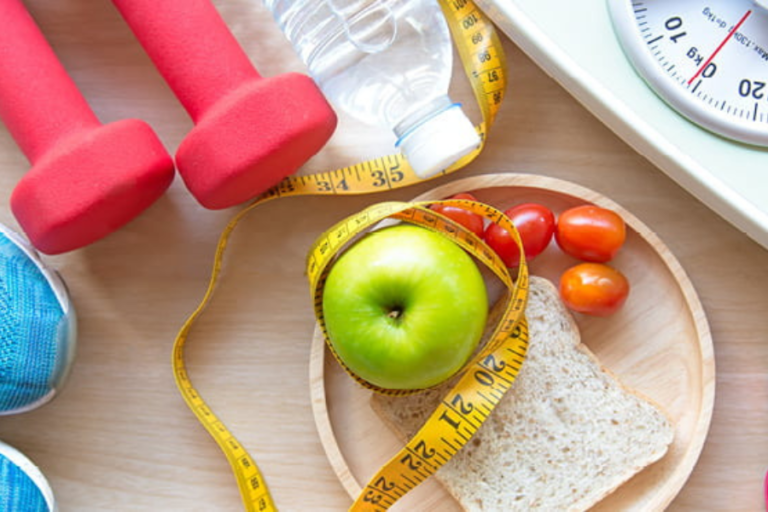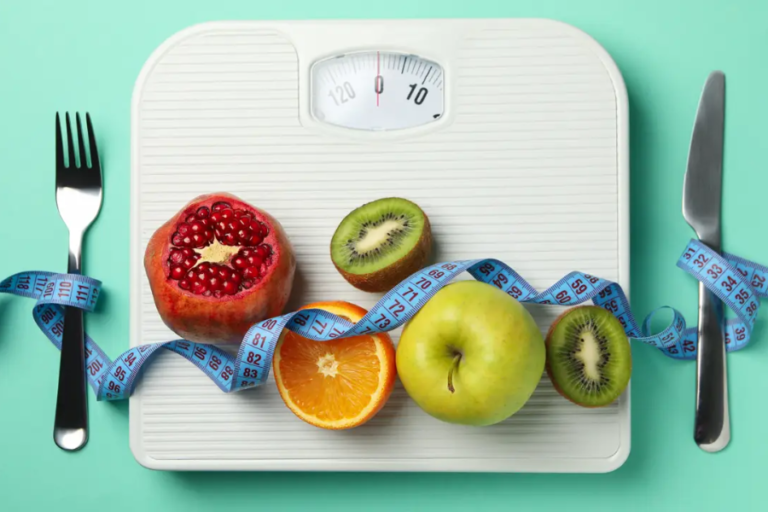
A few small changes to how you eat can make a big difference in both your health and your weight. If you are curious about dash diet weight loss, you do not need a complicated meal plan or pricey products. The DASH eating pattern is built around everyday foods like fruits, vegetables, whole grains, lean proteins, and low fat dairy, and you can start using it today.
The DASH diet was originally developed to help lower high blood pressure, but research has also linked it to modest, steady weight loss when you follow it consistently and keep portions in check (Live Science). Here is how you can turn the basic DASH guidelines into simple habits for losing weight and feeling better.
Understand how DASH supports weight loss
Before you change what is on your plate, it helps to know why the DASH diet can support weight loss in the first place. The basic approach is to focus on whole, nutrient rich foods, while cutting back on salt, added sugar, and excess saturated fat.
A review published in Obesity Reviews found that people following a DASH style diet lost around 3.1 pounds over 8 to 24 weeks and also reduced their BMI and waist size compared with people on other diets, with even stronger results in those who had more weight to lose (Live Science). That might sound small, but slow and steady changes like this are the kind that tend to last.
You also eat more foods that are naturally rich in potassium, magnesium, calcium, and antioxidants, such as colorful vegetables, fruits, and low fat dairy. These nutrients help reduce blood pressure and oxidative stress, which supports heart health as you lose weight (Live Science).
Start with the basic DASH plate
If you aim for a standard 2,000 calorie DASH style day, you are looking at something like this (Live Science; MedlinePlus):
- 6 to 8 servings of whole grains
- 4 to 5 servings of vegetables
- 4 to 5 servings of fruits
- 2 to 3 servings of low fat dairy
- Up to 6 ounces of lean meat, poultry, or fish
- Small amounts of healthy fats and nuts
In practice, that means most of your plate at each meal is plants, with a modest portion of lean protein and a side of whole grains. For weight loss, you can simply shift those portions slightly smaller and pay attention to overall calories while keeping the same basic balance (HealthWellnessUS).
You do not have to count every gram to get started. Begin by asking yourself at each meal: Where is my vegetable? Where is my fruit? Is my grain whole, like oats, brown rice, or whole wheat bread, instead of white or refined?
Lower salt without losing flavor
Because DASH was designed to help control blood pressure, a big focus is cutting down on sodium. That also helps your weight loss efforts, since many salty foods are processed and calorie dense.
For most people, the plan recommends limiting sodium to 2,300 milligrams per day or, for an even greater blood pressure benefit, 1,500 milligrams per day (MedlinePlus). You can move toward that range gradually.
You can:
- Swap packaged snacks, frozen dinners, and frequent takeout for more home cooked meals
- Check labels and choose products marked low sodium or no salt added
- Drain and rinse canned beans and vegetables to remove some sodium
- Flavor your food with herbs, spices, citrus, vinegar, garlic, and onion instead of reaching for the salt shaker
If you have kidney problems or take certain medications, check with your health care provider before using salt substitutes or boosting potassium too much, since your body may handle minerals differently (MedlinePlus).
Use vegetables as the main event
One of the most effective dash diet weight loss strategies is to flip your plate so that vegetables become the star rather than the side. This helps you feel full on fewer calories and naturally fits the DASH emphasis on produce.
A real life example comes from Izzy, a 60 year old clerk who followed the DASH eating plan for 2 years. She lost weight and reduced her blood pressure to around 110–115 over 60–65 by building meals around vegetables and other low fat, nutrient dense foods (Alberta Health Services; Kaiser Permanente).
At lunch, Izzy often made a large plate of raw vegetables like cauliflower, broccoli, radishes, cucumbers, carrots, and tomatoes. The vegetables were her main dish, not an afterthought. You can borrow this idea by filling half your plate with vegetables at most meals, whether they are raw, roasted, steamed, or sautéed in a small amount of healthy oil.
Include low fat dairy every day
Low fat dairy is another core part of the DASH plan, and it can make weight loss easier by adding protein and calcium that help keep you satisfied. The diet typically includes 2 to 3 servings of low fat dairy per day (Live Science; MedlinePlus).
Izzy, for example, made sure she had three servings a day. She liked low fat mozzarella sticks and fruit smoothies blended with nonfat vanilla yogurt (Alberta Health Services; Kaiser Permanente).
You might try:
- A cup of low fat yogurt with berries at breakfast
- A small latte made with low fat milk instead of cream
- Cottage cheese with sliced fruit as a snack
If you avoid dairy, you can still follow the DASH pattern by choosing calcium fortified plant milks and yogurts and checking with your health care provider or dietitian about your specific needs.
Watch added sugars and refined foods
The DASH diet steers you away from foods that are high in added sugars, such as sweets, sugary drinks, and many packaged snacks. It also limits highly refined grains and fatty processed meats.
This shift was part of what helped participants lose weight in the JAMA Internal Medicine study of DASH eating. The plan restricted red meat, sodium, fats, and refined sugars, which reduced overall calorie intake while improving diet quality (Live Science).
Instead of cutting sugar out completely, start by:
- Replacing soda and sweet tea with water, sparkling water, or unsweetened tea
- Saving desserts for a few times a week instead of every day
- Using a small drizzle of honey or a noncaloric sweetener in coffee or on oatmeal rather than several spoonfuls of sugar (Live Science)
You will still have room for the occasional treat, but they will no longer crowd out the nutrient rich foods that help you lose weight.
Make room for your favorite foods
A common worry is that a structured plan like DASH will be too strict. In reality, it can be flexible and forgiving, which makes it easier to stick with long term.
Izzy did not give up her favorite nachos. She simply enjoyed them in smaller portions and balanced them with plenty of vegetables, fruits, and low fat dairy foods (Alberta Health Services; Kaiser Permanente). She still included all food groups, but leaned heavily into the DASH friendly ones.
You can do something similar. Choose one or two indulgent foods you really enjoy and plan small, mindful servings into your week. This approach reduces the feeling of being deprived, which often leads to binges and frustration.
Match your portions to your needs
The DASH diet can be tailored to a wide range of calorie levels, usually from 1,200 to 3,100 calories per day depending on your age, sex, activity level, and any health conditions (MedlinePlus). For weight loss, you will usually aim for the lower end of the range that still keeps you feeling energized.
Rather than obsessing over exact numbers, use some simple checks:
- Serve yourself slightly smaller portions of grains and meats, while keeping vegetable portions generous
- Pause halfway through meals to see if you are comfortably full before finishing everything
- Keep snacks intentional, such as fruit and yogurt or hummus and vegetables, instead of grazing
As your weight, energy, and hunger levels change, you can adjust your portions up or down.
If your goal is to lose weight without feeling like you are always dieting, focusing on portion size within the DASH pattern can be more sustainable than short term, all or nothing plans.
Add movement to amplify results
Food is just one side of the dash diet weight loss equation. Physical activity helps you burn calories, protect your heart, and maintain muscle as you lose weight.
The DASH guidelines, as summarized by MedlinePlus, recommend at least 30 minutes of moderate intensity activity most days of the week for general health, and around 60 minutes on most days to help prevent weight gain (MedlinePlus). You can spread that time throughout the day if it fits better with your schedule.
Moderate intensity can be as simple as brisk walking, cycling on flat ground, water aerobics, or dancing in your living room. If you are new to exercise or have health concerns, check in with your health care provider before making big changes, then build up gradually.
Give your body time to adjust
The DASH eating plan is flexible enough to work with vegetarian, vegan, or gluten free diets, and it naturally increases your fiber intake because of all the fruits, vegetables, and whole grains involved (MedlinePlus). Extra fiber is great for your heart and your waistline, but it can cause bloating if you jump from very low to very high amounts overnight.
To keep things comfortable:
- Add one extra serving of fruits or vegetables every few days rather than all at once
- Drink plenty of water to help fiber move through your system
- Listen to your body, and slow down if your digestion feels off
As your body adapts, the combination of higher fiber, balanced nutrients, and controlled sodium sets you up for long term health benefits and steady weight loss.
Putting it all together today
You do not have to build the perfect DASH meal plan right away. Choose one or two simple steps to start with today. For example, you might:
- Fill half your plate with vegetables at dinner
- Swap a sugary drink for water or unsweetened tea
- Add one low fat dairy serving, such as yogurt, to your breakfast
From there, you can keep layering on habits like limiting sodium, trimming added sugars, and adding a 20 or 30 minute walk to your day. Over time, these small changes add up. The DASH diet gives you a clear, flexible framework to support both your weight loss goals and your long term health.
About the Author