Understand intermittent fasting strength training
If you combine intermittent fasting strength training correctly, you can lose fat, protect muscle, and possibly even gain strength at the same time. The key is not simply to eat less and lift more. You need to time your meals, plan your workouts, and hit your protein targets so your muscles have what they need to recover.
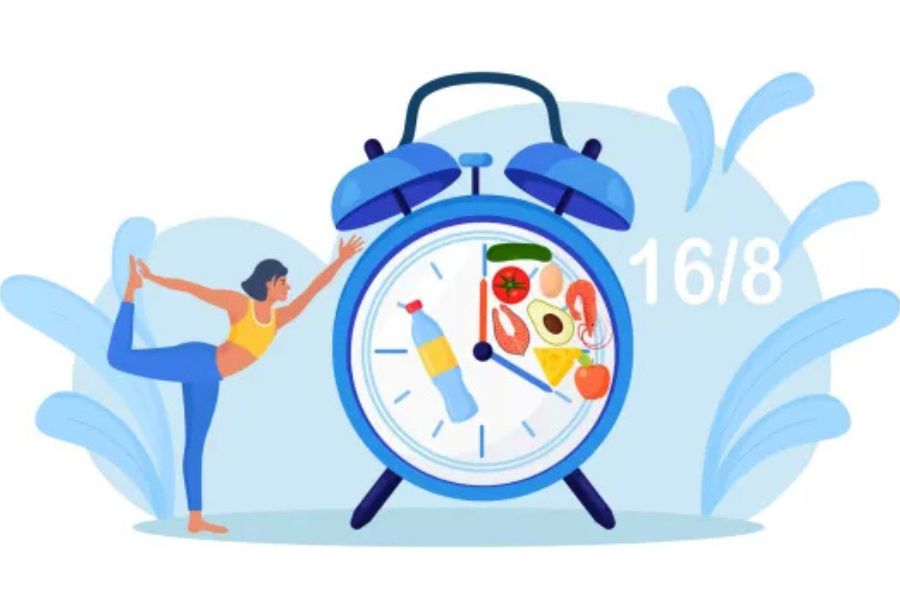
Intermittent fasting (IF) is any pattern where you cycle between periods of eating and fasting. Popular options include a 16 hour fast with an 8 hour eating window, often called 16/8. Strength training includes any resistance based exercise such as lifting weights, using machines, or working with bands or your bodyweight.
When you put the two together, you get some powerful advantages, but also a few risks if you are not careful.
How intermittent fasting affects muscle
During a longer fasting period, your body increases fat burning but muscle protein breakdown also goes up. Over a full day, extended fasting can raise muscle protein breakdown compared with more traditional three to five meal schedules (Frontiers in Nutrition). That matters because your muscle size and strength depend on the balance between:
- Muscle protein synthesis, building new muscle
- Muscle protein breakdown, losing muscle
You want synthesis to win more often than not.
Muscle protein synthesis is mainly driven by dietary amino acids from protein. Research suggests you get the best response with around 0.25 to 0.3 grams of protein per kilogram of body weight in a meal, for example about 20 to 30 grams for many people, and then your muscles are in a kind of refractory period for 3 to 5 hours afterward (Frontiers in Nutrition). Several moderate protein meals tend to stimulate muscle building more effectively than one or two huge meals.
That is one reason some strict intermittent fasting setups, with very short eating windows, can be tricky if your goal is maximum muscle gain.
Who should be more cautious
If you are older, very sedentary, or dealing with obesity, your muscles may already respond less strongly to protein, a problem called anabolic resistance. In these cases, prolonged fasting and very compressed eating windows may worsen suboptimal muscle protein turnover (Frontiers in Nutrition). You can still use intermittent fasting, but you will want to be extra deliberate with strength training and protein intake.
Weigh the benefits and limitations
Intermittent fasting strength training is not magic, but it can be a smart structure if it fits your lifestyle and you apply it correctly.
Potential benefits you can tap into
Research and gym floor experience point to several advantages when you combine IF and lifting.
-
Better body composition
Several programs that pair time restricted eating with resistance training find that people lose fat while maintaining muscle mass rather than dropping both (Crunch Fitness, PureGym, Simple Life). -
Improved hormone profile
Fasting and exercise together can raise growth hormone and improve insulin sensitivity which helps your body use carbohydrates for recovery instead of fat storage (Crunch Fitness, Prospect Medical). -
Clearer structure for eating
A consistent eating window, for example 12 p.m. to 8 p.m., can simplify decisions, cut late night snacking, and make it easier to keep a calorie deficit without micromanaging every bite.
Limitations and trade offs
There are also realistic downsides to consider, especially if your primary goal is maximum muscle gain.
-
Harder to eat enough for growth
Building muscle is easier in a calorie surplus. Fitting all the calories and protein you need into a short window can be tough, especially if you are already lean or have a high activity level (PureGym). -
Fewer chances to trigger muscle protein synthesis
Since each protein rich meal gives you a temporary spike in muscle building, very few meals can mean fewer spikes across the day, which may limit hypertrophy compared to a more spread out schedule (Frontiers in Nutrition). -
Performance dips when training fasted
Heavy lifting on an empty stomach can feel flat if you do not tolerate fasted workouts well. Lower energy and weaker sessions make it harder to apply the tension your muscles need to grow (PureGym).
If you mainly want fat loss while keeping strength, intermittent fasting strength training can work very well. If your top priority is adding every possible ounce of muscle, a more traditional eating pattern might be slightly better.
Choose the right intermittent fasting schedule
Your intermittent fasting schedule should support your workouts, not fight them. A 16/8 pattern is a practical middle ground for most people.
Why 16/8 usually works best
A 16 hour fast with an 8 hour eating window is long enough to give you the benefits of fasting, yet still gives you time to fit in two or three solid meals.
Several sources highlight 16/8 as a sweet spot for body composition and muscle gain, since it balances simplicity with enough eating time to hit your calorie and protein goals (Protein Chefs, Simple Life).
Common 16/8 schedules you can try
From there, you can slide the window to match your lifestyle:
- 12 p.m. to 8 p.m., skip breakfast, popular if you prefer lunch and dinner
- 7 a.m. to 3 p.m., good if you like early workouts and earlier dinners
- 9 a.m. to 5 p.m., helpful if breakfast is non negotiable for you
(Protein Chefs)
You can also use a similar pattern like 10:30 a.m. to 6:30 p.m. if that better matches your day (Prospect Medical).
The best schedule is the one you can keep most days of the week.
Time your workouts for better results
Once you decide on an eating window, you can place your strength sessions in the day so they line up with your energy and your meals.
Training fasted vs fed
You have two main options.
-
Fasted training
You lift before your first meal, usually in the morning or late in the fasting window. Benefits can include better fat burning during the session because glycogen stores are lower (PureGym). Working out early in the day may also align well with your natural circadian rhythm (Prospect Medical).Drawbacks are possible drops in performance, especially during very heavy or intense workouts. If your sets feel sluggish or you cannot hit your target weights, you may not be sending your muscles a strong enough signal to grow (PureGym).
-
Fed training
You lift during your eating window, so you have some fuel in your system. Many people notice more strength and better pumps this way. Research discussed by Simple Life notes that training fasted or fed can lead to similar muscle gain, so the right choice comes down to how you feel and perform (Simple Life).The trade off is lower fat use during the workout itself, although your overall calorie balance still matters most for fat loss.
Smart timing for intermittent fasting strength training
Several approaches can work well:
-
Lift toward the end of your fast, then eat
You train near the end of the fasting window, for example around 11 a.m. if you break your fast at noon, then you eat a protein rich meal right after. This setup keeps some of the fat burning advantages of fasted training while giving your muscles building blocks when they need them most (Crunch Fitness). -
Lift in the middle of your eating window
You eat a small meal, train, then have a substantial post workout meal. This can be ideal for heavy strength or high intensity sessions since you feel well fueled and can still control total calories.
Whatever timing you pick, try to be consistent so your body can adapt.
Build a strength plan that fits fasting
You do not need a special “fasting workout.” You need a solid strength routine that you can repeat and progress while fasting.
Core strength training principles to follow
For muscle and strength, you want:
- Compound movements that hit many muscles at once, such as squats, deadlifts, presses, rows, and pull ups
- Two to four sessions per week of full body or upper lower splits
- Moderate to heavy loads that bring you close to fatigue within 6 to 12 repetitions for most sets
- Gradual progression over time, a bit more weight, reps, or sets
Resistance training is essential for preserving and building muscle during intermittent fasting. Studies of men using a 16/8 schedule found that they maintained muscle mass while losing body fat when they kept up consistent lifting (Simple Life).
Example weekly layout
Here is what a simple week could look like on a 16/8 schedule with a noon to 8 p.m. eating window:
-
Monday
11:00 a.m. strength training, full body
12:00 p.m. first meal, high protein -
Wednesday
11:00 a.m. strength training, full body
12:00 p.m. first meal, high protein -
Friday
11:00 a.m. strength training, full body
12:00 p.m. first meal, high protein
You can add one or two moderate cardio sessions of 25 to 40 minutes on non lifting days to support heart health and lean mass retention without interfering with strength work (Simple Life).
Dial in your protein and calories
Your nutrition during the eating window will make or break your intermittent fasting strength training results.
How much protein you should aim for
When you lift on an intermittent fasting schedule, protecting your muscle starts with enough protein.
Several fitness and nutrition sources recommend:
- Around 1.6 to 2.2 grams of protein per kilogram of body weight per day to prevent muscle loss, especially in a calorie deficit (Crunch Fitness)
- Which is roughly 0.6 to 0.9 grams per pound of body weight per day in practical terms (Simple Life)
If you weigh 75 kilograms, or about 165 pounds, that is in the range of 120 to 150 grams of protein per day.
Try to split that across two or three meals in your eating window instead of packing it all into one. Each meal should generally contain at least 20 to 30 grams of protein to trigger muscle protein synthesis, depending on your size (Frontiers in Nutrition).
Set your calorie target based on your goal
You will want to pair your protein target with the right calorie level.
- If your goal is fat loss with strength maintenance, eat in a modest calorie deficit while still hitting your protein and lifting consistently.
- If your goal is muscle gain, aim for a slight calorie surplus. This can be challenging on a short eating window, which is why some people choose a less restrictive pattern when they are focused purely on bulking (PureGym).
Building muscle while intermittent fasting is possible but more demanding, mainly because you must be intentional about getting enough total calories and protein in a limited timeframe (PureGym).
Choose the right foods in your window
To support muscle, performance, and health, base your meals around:
- High quality protein, such as eggs, fish, poultry, meat, dairy, legumes, and tofu
- Whole food carbohydrates, such as whole grains, fruits, potatoes, and beans
- Healthy fats, such as olive oil, nuts, seeds, and avocado
Meal providers like Protein Chefs highlight the value of diverse protein and carbohydrate sources for muscle building while intermittent fasting. Their example plans focus on foods like grass fed beef, wild caught seafood, legumes, and whole grains to cover both macro and micronutrients (Protein Chefs).
Make the most of pre and post workout nutrition
You may not be eating all day, but what and when you do eat around your workout still matters a great deal.
Before your workout
If you train fasted early in your day, you will not have a formal pre workout meal, so focus on:
- Hydration with water and, if needed, electrolytes
- Adjusting intensity if you feel light headed or unusually weak
If you train during your eating window, have a small, balanced pre workout meal 1 to 3 hours before lifting, for example:
- Protein source such as Greek yogurt or chicken
- Easy to digest carbohydrates such as fruit or rice
- A small amount of fat if you tolerate it well
This can help you lift heavier and maintain higher training quality.
After your workout
Post workout nutrition is especially important when you are training in a fasted or partially fasted state.
- When you lift near the end of your fast, have a protein rich meal soon after finishing to support repair and muscle growth (Crunch Fitness).
- That meal should also include complex carbohydrates to replenish glycogen, which you use heavily during weight training (PureGym).
If you are following a protocol that deliberately delays eating for 2 to 3 hours after a fasted workout to target hormone levels, as described by Prospect Medical, make sure this approach still works for you in practice and that your total daily protein intake remains high enough (Prospect Medical).
Adjust intensity and cardio while fasting
You can still train hard while intermittent fasting, but you may need to be strategic with intensity and your mix of lifting and cardio.
Match workout intensity to your fuel
Heavy compound lifting and high intensity interval training place the greatest demands on your energy stores.
- If you plan intense sessions, schedule them during your eating window or at least close enough to a meal that you feel adequately fueled (PureGym).
- On days when you are deeper into a fast and feeling flat, opt for lighter sessions or technique work instead of attempting one rep max efforts.
High intensity intervals like sprint training can significantly boost growth hormone and bring benefits for muscle strength, stamina, and body composition, but you will want to respect their recovery demands, especially if you are combining them with fasting (Prospect Medical).
Use cardio to support, not sabotage, muscle
Moderate intensity cardio a few times a week can enhance your fitness and may even support your lifting. Simple Life suggests two to three sessions of 25 to 40 minutes, which should not interfere with muscle gain if you keep your overall volume and recovery balanced (Simple Life).
You can place these sessions:
- On non lifting days, especially if you prefer to keep your focus separate
- After lifting, if you want to keep your schedule compact and you recover well
If you notice your leg strength or squat performance sliding because of too much cardio, scale back until your strength stabilizes.
Watch for warning signs and fine tune
Intermittent fasting strength training should help you feel stronger and leaner over time, not constantly depleted.
Red flags to look out for
Consider adjusting your plan if you notice:
- Persistent drops in strength or workout performance
- Ongoing fatigue that does not improve with sleep
- Unexplained loss of muscle size or extreme weight loss
- Trouble concentrating or changes in mood
These can be signs that your calorie deficit is too aggressive, your protein intake is too low, or your fasting window is longer than your body currently tolerates well.
Simple tweaks you can try
If you like IF and do not want to abandon it, you can experiment with:
- Slightly widening your eating window, for example shifting from 16/8 to 14/10
- Adding an extra small meal that still fits inside your current window
- Increasing daily calories a little, particularly from protein and whole food carbohydrates
- Moving your workouts closer to your meals so you feel more energized
Because evidence suggests that resistance training and intermittent fasting do not produce superior muscle gain compared with traditional diets, your focus should be on building a routine you can actually follow long term rather than chasing perfect timing or the most aggressive fasting pattern (Frontiers in Nutrition).
Put it all together
If you want to get stronger faster with smart intermittent fasting strength training, your plan can be simple but intentional:
- Choose a realistic fasting schedule, usually 16/8, that fits your daily rhythm
- Lift weights two to four times per week with progressive full body or upper lower sessions
- Aim for 1.6 to 2.2 grams of protein per kilogram of body weight each day, spread across your meals
- Time your workouts near or inside your eating window, and prioritize a protein rich meal after training
- Add moderate cardio two or three times a week if you like, without crowding out recovery
- Adjust your calories based on whether your main goal is fat loss or muscle gain
Start by choosing your 8 hour eating window and planning two strength sessions this week. You can refine the details as you go, paying attention to your energy, your performance, and how your body changes over time.
About the Author