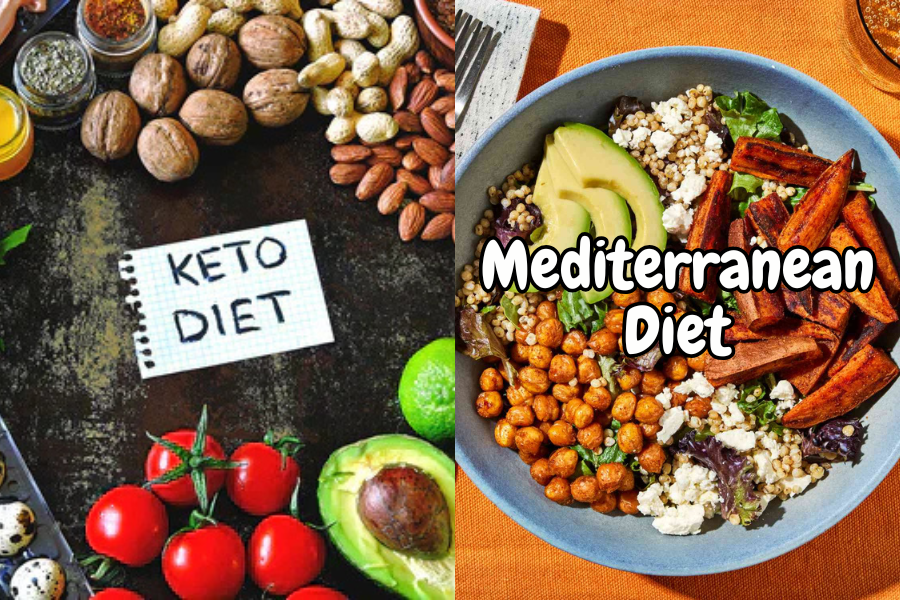
Understanding keto vs Mediterranean diet
If you have been comparing keto vs Mediterranean diet, you are probably trying to lose weight, balance your blood sugar, or simply feel better in your day to day life. Both eating styles can help you improve your health, but they do it in very different ways and they are not equally easy to live with long term.
Researchers have directly compared the ketogenic diet with the Mediterranean diet in people with prediabetes and Type 2 diabetes and found some important differences in nutrients, cholesterol, and long term adherence (Stanford Medicine). Understanding these contrasts can help you choose an approach that fits your lifestyle instead of fighting against it.
In this guide, you will learn how each diet works, what the science says about weight loss and blood sugar, and how to decide which one makes the most sense for your healthy lifestyle.
Get to know the ketogenic diet
What keto is in simple terms
The ketogenic diet is a very low carbohydrate, high fat eating pattern. A typical keto plan:
- Gets about 70 to 80 percent of calories from fat
- Keeps carbohydrates under roughly 5 percent of calories
- Uses moderate protein to round out the rest
When you eat this way, you push your body into a state called ketosis, where you burn fat and produce ketones for energy instead of relying on carbohydrates (Northwestern Medicine).
Originally developed in the 1920s to help reduce seizures in children with epilepsy, keto is now widely promoted for rapid weight loss and blood sugar control.
What you eat and what you skip on keto
On a standard ketogenic diet, you will usually focus on:
- High fat foods: avocado, nuts, nut butters, seeds, olive oil, butter, cream, cheese
- Fatty animal proteins: salmon, sardines, mackerel, eggs, higher fat cuts of meat
- Very low carbohydrate vegetables: leafy greens, broccoli, cauliflower, zucchini, peppers
You will sharply limit or avoid:
- Bread, rice, pasta, tortillas, most grains
- Potatoes and other starchy vegetables
- Most fruits except small amounts of berries
- Beans and legumes
- Foods with added sugar like desserts or sweet drinks
Since so many plant foods are restricted, keto can easily fall short on certain nutrients, including fiber and vitamins A, C, K, folate, and several B vitamins (Northwestern Medicine).
Potential benefits of keto
Research on low carbohydrate and ketogenic style diets has found several short to medium term upsides:
- Weight loss: Low carb diets can reduce body weight by roughly 2.1 to 14.3 kg over at least six months, and some studies show greater early weight loss than low fat diets (PMC).
- Better blood sugar and insulin: In people with diabetes, low carb diets improve blood glucose, HbA1c, and insulin levels over at least one year and can help reduce medication needs (PMC).
- Improved triglycerides and HDL: Meta analyses report that ketogenic diets can lower triglycerides and raise HDL cholesterol, especially in the first six months (Cureus).
For specific conditions like epilepsy or possibly PCOS, a ketogenic approach can be especially powerful. In women with PCOS, a very low carbohydrate ketogenic diet under 20 g of carbs per day for six months led to sizable reductions in weight, BMI, fasting insulin, and free testosterone (Cureus).
Drawbacks and risks of keto
Keto is effective in certain ways, but it is far from effortless. Possible downsides include:
- Nutrient gaps: Restricting fruits, legumes, vegetables, and whole grains can lead to deficiencies in fiber, thiamin, and vitamins B6, C, D, and E (Stanford Medicine).
- LDL cholesterol concerns: In the Stanford comparison, keto increased LDL cholesterol, the type often called “bad” cholesterol, while the Mediterranean diet decreased it (Stanford Medicine). Other meta analyses also report LDL tends to rise on ketogenic diets (Cureus).
- Side effects: Many people experience “keto flu,” fatigue, irritability, constipation, and other symptoms as their bodies adapt to very low carbohydrate intake (Northwestern Medicine).
- Hard to sustain: The diet eliminates bread, pasta, most fruits, and legumes, which often makes social eating and long term adherence difficult. Experts note that long term health impacts, especially on liver and kidney health, are still unclear as of 2025 (Northwestern Medicine).
Keto can be a useful tool for targeted goals over a limited period, particularly under medical supervision, but the strict nature of the plan may not fit every lifestyle.
Get to know the Mediterranean diet
What the Mediterranean diet looks like
The Mediterranean diet is based on traditional eating patterns in countries that border the Mediterranean Sea. It is less of a rigid diet and more of a flexible, plant forward way of eating that emphasizes:
- Plenty of fruits and vegetables
- Whole grains like oats, barley, farro, brown rice, and whole wheat
- Beans and legumes such as lentils, chickpeas, and black beans
- Healthy fats from olive oil, nuts, seeds, and fatty fish
- Moderate amounts of chicken, fish, eggs, and dairy
- Limited red and processed meats, added sugars, and heavily processed foods
It also encourages a lifestyle that includes shared meals and regular physical activity (EatingWell).
You do not count macros on this plan. Instead, you tilt your plate toward plants and healthy fats most of the time.
Health benefits of the Mediterranean diet
The Mediterranean diet is widely regarded as one of the healthiest eating patterns you can follow. U.S. News & World Report has repeatedly named it the top overall diet, and many experts prefer it over keto for long term health (EatingWell).
Research points to several key benefits:
- Heart health: The focus on olive oil, nuts, and omega 3 rich fish, together with low intake of red and processed meat, is associated with a reduced risk of heart disease and stroke as of 2025 (Aladdin Houston).
- Lower inflammation and chronic disease risk: The diet is rich in antioxidants, fiber, and plant based foods, which are linked to reduced inflammation and lower rates of Type 2 diabetes and certain cancers. Some findings also suggest protection against neurodegenerative conditions like Alzheimer’s disease (Aladdin Houston).
- Blood sugar and weight: In people with prediabetes and diabetes, the Mediterranean diet works about as well as keto for blood glucose control and weight loss in the short term, while offering better nutrient intake and LDL cholesterol reductions (Stanford Medicine).
Because it does not cut out entire food groups, the Mediterranean diet gives you a wide range of flavors and textures, which makes it easier to turn into a lifelong habit.
Keto vs Mediterranean: what the research shows
Head to head comparison for diabetes and blood sugar
One of the clearest keto vs Mediterranean diet comparisons comes from a 24 week crossover trial involving people with Type 2 diabetes or prediabetes, who followed each diet for 12 weeks with a four week break in between.
Key findings from this Stanford Medicine study include (Stanford Medicine):
- Blood sugar control: Both diets led to similar improvements in blood glucose, with HbA1c dropping 9 percent on keto and 7 percent on Mediterranean.
- Weight loss: Participants lost about 8 percent of body weight on keto and 7 percent on the Mediterranean diet.
- Cholesterol and nutrients: Keto increased LDL cholesterol, while the Mediterranean diet decreased it. The Mediterranean diet also delivered more fiber and vitamins B6, C, D, and E, while keto fell short in these nutrients.
- Long term adherence: Many participants described keto as more restrictive and polarizing. Three months after the study, they were more likely to have maintained improvements in blood sugar and weight using a Mediterranean style approach rather than staying on keto.
The researchers concluded that for people with diabetes or prediabetes, the most important step is to reduce added sugars and refined grains and to emphasize vegetables. There was no added overall health benefit to excluding legumes, fruits, and whole grains the way strict keto does, compared with the more flexible Mediterranean diet (Stanford Medicine).
Short term versus long term weight loss
You might hear stories of rapid weight loss on keto, and there is some truth to that. The initial weight drop often comes from water loss as you deplete glycogen stores, followed by fat loss.
However, when weight loss is tracked beyond the first few months, the picture changes:
- Meta analyses show that ketogenic diets can lead to greater weight loss than low fat diets in the first six months, but the differences often disappear by 12 months (Cureus).
- A large trial called DIETFITS, which compared healthy low fat and healthy low carbohydrate diets for a year in 609 adults, found no significant difference in weight loss between the two. Diet quality and adherence mattered more than macronutrient ratios alone (Cureus).
- Other reviews of low carbohydrate diets report weight loss that is comparable or sometimes superior to low fat diets over at least six months, but again, long term results depend heavily on whether you can stick with the plan (PMC).
An analysis focused on keto and Mediterranean styles notes that after about one year, weight loss from keto and from more balanced approaches like the Mediterranean diet tends to be similar. The Mediterranean diet often leads to steadier, more sustainable weight loss by encouraging portion control and nutrient dense foods rather than extreme restriction (Aladdin Houston).
Heart health, cholesterol, and longevity
When you compare keto vs Mediterranean diet for heart health and long term outcomes, key differences appear:
- LDL and heart risk: Keto can improve triglycerides and HDL but often raises LDL cholesterol, which may increase cardiovascular risk (Cureus). The Mediterranean diet, in contrast, tends to reduce LDL while also improving other heart related markers (Stanford Medicine).
- Fat quality: Diets low in carbohydrates but high in plant based proteins and unsaturated fats are linked with lower coronary heart disease risk. Low carb patterns heavy in animal protein and saturated fat are associated with higher all cause mortality (PMC). This aligns more closely with a Mediterranean pattern than with a typical high animal fat keto diet.
- Carbohydrates and lifespan: A large prospective cohort study found a U shaped relationship between carbohydrate intake and all cause mortality. Very low or very high carbohydrate intake increased mortality risk, especially when low carb diets relied on animal based fats and proteins. Replacing those with plant based sources appeared safer (Cureus).
Health organizations and medical centers caution that the strict, very low carb nature of keto can raise LDL cholesterol and rely heavily on saturated fat. Groups like the American Heart Association have raised concerns about highly restrictive low carb diets, while experts at Northwestern Medicine explicitly recommend the Mediterranean diet for long term weight loss and heart health instead (Aladdin Houston, Northwestern Medicine).
How easy each diet is to live with
Flexibility and social life
You are more likely to stick with any eating plan if it fits into your daily routine and social life with minimal friction.
On keto, you must constantly watch carbohydrate intake and avoid many common foods like bread, pasta, rice, and most desserts. Meals out, social gatherings, and family dinners can feel tricky unless everyone is on board with a very low carb approach. This is one reason long term adherence is challenging and many people regain weight once they stop (Aladdin Houston).
With a Mediterranean diet, you have much more flexibility. You can eat out, enjoy a variety of cuisines, and include culturally important foods as long as the overall pattern stays plant heavy and minimally processed. There is no strict macro tracking or sweeping ban on whole food groups (EatingWell).
Participants in the Stanford study explicitly said the Mediterranean diet was easier to follow over time, and after the trial they naturally gravitated back toward Mediterranean style eating (Stanford Medicine).
Nutrients, energy, and how you feel
Because keto cuts so many carbohydrate rich plant foods, you have to work harder to get enough:
- Fiber
- B vitamins like thiamine and B6
- Vitamin C, vitamin D, and vitamin E
Studies consistently show that nutrient intake is lower on keto compared with Mediterranean style eating (Stanford Medicine, EatingWell).
As a result, you might notice:
- Constipation from low fiber
- “Keto flu” symptoms like fatigue and irritability as your body adjusts
- Less variety in flavors and textures, which can lead to boredom and cravings
The Mediterranean diet, on the other hand, naturally supplies a wide range of vitamins, minerals, antioxidants, and fiber through fruits, vegetables, whole grains, beans, and healthy fats. This combination supports stable energy, digestive health, and long term disease prevention (EatingWell, Aladdin Houston).
Choosing what fits your healthy lifestyle
When keto might make sense for you
You might consider a ketogenic or very low carbohydrate approach if:
- Your doctor recommends it for a specific medical condition like epilepsy or severe insulin resistance
- You want a short term, structured plan to kick start weight loss, and you are comfortable with strict rules
- You enjoy higher fat foods and are willing to monitor your labs, particularly LDL cholesterol, with your healthcare provider
If you move forward with keto, it helps to:
- Focus on healthier fats like olive oil, avocado, nuts, and fatty fish rather than only red meat and butter (Northwestern Medicine).
- Load your plate with non starchy vegetables to boost fiber and micronutrients.
- Work with a registered dietitian or clinician, especially if you have diabetes, heart disease, kidney issues, or take medications that affect blood sugar.
When the Mediterranean diet is likely a better fit
For most people looking for a sustainable way to lose weight and maintain health, experts generally favor the Mediterranean diet over keto. It is often the better option if you want to:
- Eat in a way that supports heart health, lower cholesterol, and reduced stroke risk
- Manage weight and blood sugar with a plan that does not feel extreme
- Protect long term health with an anti inflammatory, nutrient dense pattern
- Enjoy flexible, social meals without counting carbs or macros
You can also blend Mediterranean principles with moderate carbohydrate reduction if you feel better with fewer refined carbs. That might look like:
- Cutting added sugars and white flour
- Choosing whole grains in smaller portions
- Emphasizing vegetables, beans, lentils, nuts, seeds, fish, and olive oil
This aligns well with the conclusion that restricting added sugars and refined grains and prioritizing vegetables is the core move for blood sugar and overall health, without needing to exclude legumes, fruits, and whole grains entirely (Stanford Medicine).
Questions to ask yourself before you pick a plan
To decide between keto vs Mediterranean diet for your own healthy lifestyle, it helps to pause and ask:
- How strict am I willing to be with carbohydrates day after day?
- Do I have health conditions that could be affected by high saturated fat intake or increased LDL?
- Will this way of eating work with family meals, work lunches, travel, and holidays?
- Can I see myself eating like this a year from now, not just for the next 30 days?
- Is my primary goal rapid weight loss, long term health, or a mix of both?
Your honest answers can point you toward a pattern you can actually live with.
Simple ways to get started today
If you are still undecided, you do not have to choose an all or nothing path right away. You can start with small, practical changes that move you toward better health regardless of the label.
Here are a few ideas inspired by both research backed approaches:
- Swap refined grains for whole grains at one meal per day.
- Fill half your plate with non starchy vegetables at lunch and dinner.
- Replace butter with olive oil a few times per week.
- Choose fish or legumes instead of red meat twice a week.
- Cut sugary drinks and desserts to occasional treats.
If you then decide to lean keto, you can gradually tighten carbohydrate intake while paying attention to how you feel. If you lean Mediterranean, you can keep layering in more plants, whole grains, and healthy fats.
For more complex health situations, such as diabetes, cardiovascular disease, or PCOS, it is wise to review your options with a healthcare professional who can help you tailor either approach and monitor your progress.
In the end, the best diet for your healthy lifestyle is the one that helps you feel well, supports your lab numbers, and fits your life in a way you can maintain for years, not just weeks.
About the Author