What the lazy keto diet is
If traditional keto feels too complicated, the lazy keto diet offers a simpler way to eat fewer carbs without tracking every bite. On lazy keto, you focus on keeping your daily carbohydrate intake low, usually around 20 to 50 grams per day or about 10% or less of your total calories, and you do not track fat or protein (Healthline, Medical News Today).
Instead of weighing every ingredient, you mainly:
- Count your carbs
- Aim for low carb, higher fat foods
- Eat enough protein to feel satisfied
This relaxed structure is what makes the lazy keto diet appealing if you want straightforward rules you can actually stick with.
How lazy keto compares to strict keto
On a classic ketogenic diet, you track all your macronutrients. A typical ratio is very high fat, moderate protein, and very low carb. Some clinical versions aim for a 4:1 ratio of fat to protein plus carbs, with carbs at about 4% of your total energy intake (Banner Health).
Lazy keto changes this by:
- Tracking only carbohydrates, not protein or fat
- Giving you more flexibility with food choices
- Making it easier to follow day to day
Because protein and calories are not tracked, you may or may not reach nutritional ketosis consistently. That is why lazy keto is often described as “keto-inspired” rather than a strict ketogenic protocol (Healthline, Medical News Today).
How lazy keto can simplify healthy living
The biggest selling point of the lazy keto diet is how approachable it feels. Instead of a full lifestyle overhaul, you make one main shift: dramatically cut back on carbs.
Here is how that can make healthy living feel simpler.
You only watch one number
Traditional dieting can ask you to:
- Count calories
- Track carbs, fats, and protein
- Weigh every portion
On lazy keto, your only non‑negotiable is your daily carb limit. That might mean:
- Staying under 50 grams of carbs per day
- Or keeping carbs at 10% or less of your calories, which is about 50 grams on a 2,000 calorie diet (Banner Health)
You still pay attention to what you eat, but your mental checklist is shorter. For many people, that lower tracking burden makes it easier to stay consistent.
You quickly cut ultra processed foods
Because the lazy keto diet caps your carbs, most of the foods you naturally reduce are:
- Sugary drinks and desserts
- White bread, pasta, and pastries
- Refined snacks like chips and crackers
This shift away from heavily refined foods and added sugar can support weight management and other health goals when you choose nutrient dense options to replace them (Medical News Today).
You can start without perfect planning
Lazy keto is often recommended as a beginner friendly entry point into lower carb eating. It lets you:
- Learn which foods are higher or lower in carbs
- Experiment with keto style meals
- Skip the overwhelm of strict macro tracking
Some people use it as a stepping stone before trying strict keto, while others stay with lazy keto long term if it feels sustainable (Perfect Keto).
Potential benefits you might notice
Results vary from person to person, but research and expert commentary point to several possible benefits of a lazy keto diet when it is done thoughtfully.
Easier weight management
Reducing your carb intake, especially if you used to eat a lot of refined carbs and sugar, can make it easier to:
- Create a calorie deficit without counting every calorie
- Feel less hungry between meals
- Avoid energy crashes linked to blood sugar swings
People who shift from very high carb eating, such as more than 250 grams of carbs per day, often see relatively rapid early weight loss when they move to a low carb pattern like lazy keto (Perfect Keto).
Because you are not tracking fat and protein, lazy keto does not guarantee weight loss. However, if you naturally eat less overall by focusing on filling whole foods, you may see the scale move without meticulous logging (Medical News Today).
Simpler blood sugar control
If you struggle with blood sugar highs and lows, fewer refined carbs and added sugars can benefit you. A lower carb approach like lazy keto may:
- Reduce big spikes after meals
- Help you feel more stable through the day
Some sources suggest that low carb patterns may support better blood sugar control, especially for people with prediabetes or type 2 diabetes, although this always needs to be done with medical guidance (Perfect Keto, Healthline).
A more sustainable approach than strict keto
Not everyone has the time or desire to weigh food and track every macro. Lazy keto gives you:
- More flexibility with protein and fat
- Space for the occasional processed keto food, like cheese, pork rinds, or keto ice cream, if they fit your carb limit (Ketologic)
- A way to stay low carb during busy or stressful periods
If a strict plan has derailed you in the past, this looser structure may feel like something you can maintain for longer.
What you actually eat on lazy keto
The lazy keto diet centers on limiting carbs while keeping plenty of satisfying foods on your plate. You do not have to eat perfectly “clean” all the time, but the quality of your food still matters.
Foods to focus on
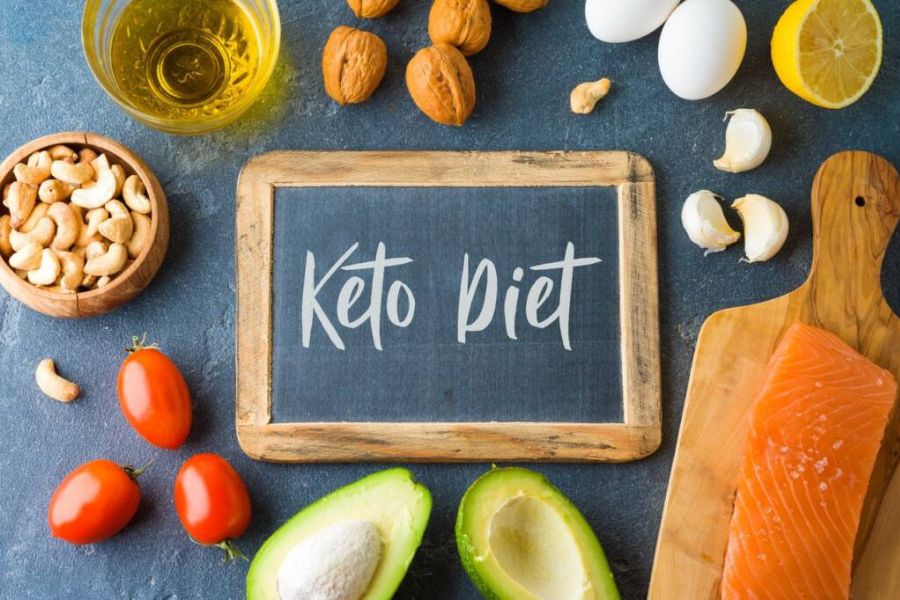
Most experts recommend building your meals around whole, nutrient rich, keto friendly foods, such as:
- Non‑starchy vegetables, like leafy greens, broccoli, cauliflower, zucchini, peppers
- Moderate amounts of lower carb fruits, like berries, within your carb limit
- Protein sources, such as eggs, poultry, fish, meat, tofu, or tempeh
- Healthy fats, including olive oil, avocado, nuts, seeds, and full‑fat dairy if tolerated
- Simple, minimally processed ingredients that keep hidden sugars low
The lazy keto approach encourages you to emphasize these sorts of whole foods, even when the rules are looser than strict keto (Banner Health).
Foods to limit or avoid
To stay under your carb cap and possibly reach ketosis, it is important to avoid or minimize:
- Refined carbs like white bread, regular pasta, pastries, and most cereals (Healthline)
- Starchy vegetables such as potatoes, corn, and many root vegetables
- Sugary drinks including soda, sweetened coffee drinks, energy drinks, and fruit juice
- Candy, baked sweets, and desserts
- Sweetened dairy products, like flavored yogurt or sweetened milk drinks
- Sugary condiments, such as many barbecue sauces and ketchup
- Alcohol that is high in carbs, like regular beer or sweet cocktails
Even on lazy keto, a few indulgences in sugary beverages or high carb snacks can quickly push you over 20 to 50 grams of carbs and may keep you out of ketosis (Healthline).
“Lazy” but still mindful
Lazy keto is more flexible than “clean” keto, which strictly prioritizes unprocessed foods, but you still benefit from paying attention to quality. Experts suggest choosing nutrient rich high fat foods instead of low fat products that often contain added sugars (Healthline).
Some people also include occasional processed keto products, like low carb bars or ice creams, because lazy keto does not require perfect ingredients every day. As long as you keep carbs under roughly 50 grams, you can maintain a lazy keto pattern (Ketologic).
Drawbacks and risks to know about
Even though the lazy keto diet feels simple, it comes with tradeoffs. Being aware of them helps you protect your health while you experiment.
You may not reach ketosis consistently
Traditional keto is designed to shift your body into ketosis, a state where you burn fat for fuel. To reliably enter ketosis, you usually need:
- Very low carbs
- Adequate but not excessive protein
- High fat intake
On lazy keto, you do not track protein, calories, or ketone levels. If you accidentally eat too much protein or too many total calories, you might never fully enter ketosis or you might drift in and out of it (Healthline, Medical News Today).
This does not mean lazy keto is useless, but it does mean that “keto” style benefits, such as deep ketosis, are not guaranteed.
Possible nutrient gaps
Because the lazy keto diet limits many carb rich foods, you may find it harder to get enough:
- Fiber
- Certain vitamins and minerals
- Beneficial plant compounds
Food groups that are often reduced or avoided include:
- Whole grains
- Most fruits
- Starchy vegetables
- Legumes and pulses
Over time, this restriction can lead to potential deficiencies if you are not careful about variety and nutrient density (Healthline, Medical News Today).
Short term side effects
As with other low carb diets, you might notice some short term symptoms when you first cut carbs, such as:
- Nausea
- Headaches or lightheadedness
- Constipation
- Reduced exercise tolerance
These effects, sometimes called “keto flu” in strict keto circles, can appear with lazy keto as well (Medical News Today). Staying hydrated, getting enough electrolytes, and easing into carb reduction can help.
Long term unknowns
There is limited research specifically on lazy keto, and experts still have questions about the long term impacts of high fat, low carb diets, especially if the fats you choose are not heart healthy (Healthline).
Since lazy keto does not require careful tracking, it can also make it easy to:
- Eat too little fat, which can affect energy and hormone production (Perfect Keto)
- Overeat calories without realizing it, which may stall weight loss
- Eat too much protein, which might affect ketosis (Perfect Keto)
If you decide to follow lazy keto beyond the short term, regular check‑ins with a healthcare professional are important.
Who should be cautious or get medical advice first
Lazy keto can be tempting because it feels simple, but it is not a good fit for everyone without professional guidance.
You should talk with your doctor or a registered dietitian before starting if you:
- Have type 2 diabetes or prediabetes, especially if you use medication or insulin
- Live with kidney disease, heart disease, or bone conditions
- Take prescription medications that affect blood sugar, blood pressure, or fluid balance
- Are pregnant, breastfeeding, or planning a pregnancy
Very low carb diets can change how your body handles blood sugar and medications. People with type 2 diabetes in particular risk dangerous drops in blood sugar if they restrict carbs sharply without support and medication adjustments (Healthline, Banner Health).
Health organizations also emphasize that anyone considering lazy keto for long term health or weight loss should get individualized advice to make sure it aligns with their medical history and goals (Banner Health).
How to start lazy keto in a realistic way
You do not have to change everything overnight. A few small, clear steps can help you ease into the lazy keto diet without feeling overwhelmed.
1. Choose your daily carb range
Pick a target that feels realistic:
- 20 to 30 grams of net carbs per day if you want a stricter approach
- Up to 50 grams of total carbs per day for a more flexible version
Both ranges fall within the typical lazy keto guidelines used in many resources (Healthline, Perfect Keto).
For the first week, you might:
- Track carbs loosely with a food label check or a simple app
- Get familiar with which foods use up your carb “budget” fastest
Once you have a feel for portions, you can often stick with the plan without detailed logging.
2. Build simple low carb meals
Start by adjusting the meals you already eat instead of inventing a brand new menu. For example, you could:
- Swap a sandwich for a lettuce wrap with the same filling
- Replace a side of fries with a salad dressed in olive oil
- Trade a bowl of pasta for zucchini noodles with meat sauce
- Choose eggs and avocado instead of toast at breakfast
Think in three parts:
- Protein for staying power
- Non‑starchy vegetables for volume and nutrients
- Added healthy fats for satisfaction
Then remove or reduce the starchy elements until your plate fits your carb target.
3. Keep an eye on how you feel
Because you are not tracking every macro, your body’s signals become especially useful. Pay attention to:
- Hunger and fullness
- Energy levels
- Sleep quality
- Digestion
If you feel constantly fatigued, overly hungry, or unwell, it may be a sign that your carb level is too low, your overall calories are too low, or your food quality needs work. In that case, adjusting your approach or speaking with a professional can help.
4. Combine lazy keto with movement you enjoy
You can lose weight on lazy keto without exercise, but pairing a low carb pattern with activity can:
- Help preserve lean muscle
- Support fat loss
- Boost mood and sleep
High intensity workouts that deplete glycogen stores may be especially helpful for fat loss when combined with low carb eating, although you should always match your activity level to your fitness and health status (Perfect Keto).
Even regular walks, light strength training, or at‑home workouts can make a meaningful difference and keep your routine feeling more like a lifestyle than a temporary diet.
When lazy keto might be right for you
The lazy keto diet is not a magic fix, but it can be a practical option if you:
- Want a simpler, lower carb way of eating
- Struggle with detailed tracking or strict food rules
- Are looking for a realistic step toward cutting back on sugar and refined carbs
It can make healthy living feel more approachable by focusing on one main habit, keeping carbs low, instead of asking you to overhaul everything at once.
If you decide to try lazy keto, start with small shifts, listen closely to how your body responds, and reach out to a healthcare professional if you have any medical conditions or plan to follow it long term. That way, you can enjoy the simplicity of the lazy keto diet while still protecting your overall health.
About the Author