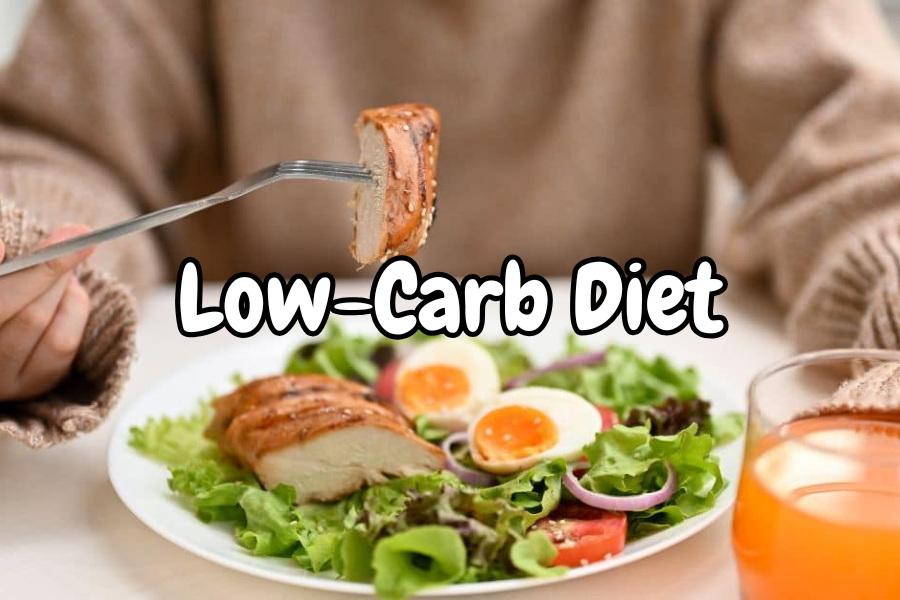
A low carb breakfast can do more than help you lose weight. It can keep your energy steady, reduce mid‑morning cravings, and make it easier to stick with healthy habits all day. Starting your morning with smart low carb breakfast ideas means you get plenty of protein, fiber, and healthy fats without the sugar crash.
According to nutrition experts, a high protein, low carb breakfast supports stable energy, better focus, and reduced hunger, especially when you are using a low carb diet for weight loss (EatingWell). The good news is that you have many options, whether you eat meat, avoid eggs, or follow a vegetarian or vegan plan.
Below, you will find practical ideas, simple combinations, and easy make‑ahead options that fit into real life, not just ideal mornings.
Understand what “low carb” means at breakfast
Before you start changing your plate, it helps to know what “low carb” looks like in the morning. You do not need to cut out every gram of carbohydrate. Instead, you focus on quality and portion size.
When you follow a low carb pattern, experts suggest keeping breakfasts around 15 grams of carbs or less to limit refined carbs like white bread and sugary cereals, while still getting fiber, vitamins, and minerals from complex carbs (Food Network). At the same time, you aim for plenty of protein. Getting at least 50 grams of protein per day, including a good amount at breakfast, can help you feel full for longer and support weight loss efforts because protein digests slowly and helps control hunger (EatingWell).
Instead of counting every number, you can think in simple terms. Fill most of your plate with protein and non starchy vegetables, add a small portion of fruit or higher fiber carbs if you like, and use healthy fats to make your meal satisfying.
Build your breakfast around protein
Protein is the backbone of satisfying low carb breakfasts. It helps prevent the 10 a.m. crash and curbs the urge to snack your way to lunch.
You have more choices than just eggs and bacon. A 7 ounce container of plain, nonfat Greek yogurt gives you around 20 grams of protein and about 150 calories, which makes it an easy high protein, low carb base you can top with a few berries, nuts, or seeds (Verywell Health). Cottage cheese is another simple option. Half a cup offers about 15 grams of protein for only 80 calories. You can keep it savory with cucumbers and bell peppers or go sweet with a small portion of fruit and nuts (Verywell Health).
If you prefer plant based breakfasts, tofu and legumes can work well too. A tofu scramble made from a small portion of extra firm tofu can give you at least 9 grams of protein and only about 75 calories. You can season it with turmeric, nutritional yeast, and Kala namak for an egg like flavor (Verywell Health). Lentils and edamame are also protein heavy and pair nicely with vegetables and spices for warm, savory bowls that feel like real meals rather than “diet food” (Verywell Health).
Load up on low carb vegetables
Non starchy vegetables turn a basic protein into a colorful, filling plate that still keeps carbs in check. They add volume, texture, and important nutrients without many calories.
Low carbohydrate vegetables that fit beautifully into breakfast include spinach, kale, lettuces, bell peppers, mushrooms, cucumbers, celery, cauliflower, onions, and tomatoes (EatingWell). You can fold them into omelets, scramble them with tofu, roast them for hashes, or blend them into smoothies.
If you usually think of vegetables as a lunch or dinner food, start small. Add a handful of spinach to scrambled eggs, toss tomatoes on your cottage cheese, or sauté mushrooms and peppers to spoon over a slice of sweet potato toast. Over time, these additions become normal parts of your morning routine.
Try low carb egg breakfasts beyond “scrambled again”
If you like eggs, you can rotate through several styles so you do not get tired of the same plate every morning. Many recipes make it easy to sneak in extra vegetables and protein without much effort.
Here are a few ideas inspired by popular low carb egg dishes (Healthline, BBC Good Food, Food Network):
- Spinach and goat cheese omelet with a side of sliced tomatoes
- Veggie frittata packed with peppers, onions, and zucchini
- Baked avocado eggs where each avocado half holds an egg and bakes until just set
- Crustless quiche with broccoli and bacon for a weekend style breakfast without the pastry
- Zucchini “zoodle” nests baked with eggs in a muffin tin
- Egg wraps, where a thin omelet stands in for tortillas and you fill it with mushrooms and tomatoes for an iron and folate rich meal
Freezer friendly egg white muffins are another helpful option. You mix egg whites with chopped vegetables, bake them in a muffin tin, and keep them in the freezer. In the morning, you reheat a couple for a fast, low carb, protein rich meal that travels well (Food Network).
Enjoy sweet flavors with fewer carbs
If you wake up wanting something sweet, you can still keep your carbs modest and your blood sugar steady. The key is to skip refined flour and sugar and lean on protein, fiber, and healthy fats instead.
Several low carb recipe collections show how flexible sweet breakfasts can be. Options such as low carb pancakes, sugar free granola bars, protein muffins, and almond flour waffles offer the comfort of familiar foods with less impact on your carb budget (Healthline). You can also look for low carb baked goods made with coconut flour, flaxseed, and chia seeds. These ingredients appear in hot cereals and scones that are satisfying yet still fit a lower carb approach (Food Drink Life).
For dairy free or egg free mornings, vegan banana pancakes and chocolate chia pudding deliver sweet, fluffy, or creamy textures without heavy sugar or refined flour. They maintain rich flavors while staying low in carbs, which works well if you follow a plant based diet (BBC Good Food).
If you prefer something lighter, you can layer plain Greek yogurt with a small handful of berries and chopped nuts for crunch. This combination builds on that high protein base and adds natural sweetness, fiber, and healthy fats.
Go plant based with low carb vegan options
You can enjoy low carb breakfast ideas even if you skip animal products. It just takes a bit of planning to combine plant proteins and healthy fats in a way that still feels hearty.
A tofu scramble is a classic. You crumble extra firm tofu into a pan with onions, peppers, and spinach, then season it with turmeric and nutritional yeast for color and flavor. This gives you at least 9 grams of protein per small portion and pairs nicely with avocado slices or a side of roasted vegetables (Verywell Health). Keto style avocado toast made on low carb bread or a vegetable “toast” base like sweet potato is another option that appears in vegan friendly low carb recipe lists (Healthline).
Edamame and lentils also deserve a spot in your rotation. An edamame and veggie breakfast stir fry can deliver around 18 grams of protein and 8 grams of fiber per cup of edamame, which is an impressive nutritional boost for a simple pan meal (Verywell Health). A lentil breakfast hash with sautéed vegetables and spices provides similar benefits and keeps you full for hours (Verywell Health).
For something sweet, you can reach for vegan banana pancakes or chocolate chia pudding that rely on plant based milk and seeds rather than dairy. These recipes show that low carb and plant based can live together in one bowl or plate (BBC Good Food).
Lean on make ahead and freezer friendly meals
Busy mornings often lead straight back to toast or drive through options. Make ahead low carb breakfasts keep you prepared so you are less likely to grab a sugary pastry or high carb snack.
Several popular low carb breakfast collections highlight casseroles, muffins, and breads that you can prepare once and eat all week. Egg casseroles with sausage, cheese, and vegetables, egg muffins you can customize with your favorite add ins, and breakfast bakes with ground beef give you protein packed slices you can reheat in minutes (Food Drink Life). Whole30 friendly choices like bacon and egg cups or veggie packed breakfast frittatas fit into paleo style or grain free eating patterns as well (Food Network).
You can also experiment with lower carb bread alternatives made ahead of time. Recipes for fluffy low carb loaves or 2 ingredient English muffins give you something to toast and top with butter, nut butter, or avocado without the usual carb load of standard bread (Food Drink Life).
Even smoothies can work well if you plan in advance. A mint chip breakfast smoothie, designed as a keto friendly option, uses flavors that mimic mint chip ice cream while staying low in carbs for mornings when you need to head out quickly (Food Network).
A little planning on Sundays can save you from high sugar “emergency” breakfasts all week. You do not need to prep everything, even one make ahead recipe gives you a safety net for your busiest days.
Use smart carb swaps instead of cutting carbs completely
You still need some carbohydrates for energy and fiber, even on a low carb pattern. Many experts suggest that about 40 percent of your daily calories from carbohydrates, or at least 120 grams per day, helps you keep fiber intake high enough to feel full and support healthy digestion (EatingWell). The goal is not “zero carbs.” It is “better carbs.”
One simple swap is to trade regular toast for sweet potato slices. Sweet potato toast can be topped with ricotta, berries, and almonds for something sweet, or with steak, roasted peppers, and arugula for something savory. You can also go classic with avocado and sprouts or bacon, egg, and cheese for a diner style feel (Food Network).
You can also swap sugar filled granola for homemade mixes that lean on nuts and seeds, replace juice with a small handful of whole fruit, or use leafy greens and cauliflower in place of potatoes in breakfast hashes. These changes cut back on refined starches and added sugars while still giving you variety and satisfaction on your plate.
Put it all together with simple templates
Once you know the building blocks, it becomes easier to design your own low carb breakfast ideas without following a full recipe every time. Think in terms of mix and match formulas.
You can use these templates as a quick starting point:
-
Egg based plate
Eggs cooked your favorite way + 1 to 2 cups of vegetables like spinach, peppers, or mushrooms + avocado or a sprinkle of cheese -
Yogurt or cottage cheese bowl
Plain Greek yogurt or cottage cheese + a small handful of berries + chopped nuts or seeds + cinnamon -
Plant based skillet
Tofu, lentils, or edamame + onions, greens, and peppers + olive oil + herbs or spices -
Make ahead slice
A square of breakfast casserole or egg muffin + side salad of leafy greens and tomatoes or raw vegetables -
Sweet but steady
Almond flour waffle or low carb pancake + Greek yogurt or nut butter on top + a few slices of fruit
With these simple patterns, you can open your fridge, pick one protein, one or two vegetables, and a healthy fat, and build a low carb meal that fits your cravings and schedule.
Start small and tweak as you go
You do not need to overhaul every breakfast at once. You can begin by making one change, such as replacing sugary cereal with Greek yogurt and berries or adding vegetables to your usual eggs.
As you experiment with different low carb breakfast ideas, pay attention to how you feel for the rest of the morning. The goal is not perfection. It is a routine that keeps you energized, satisfied, and confident that you are supporting your health and weight loss efforts in a way you can maintain for the long term.
About the Author