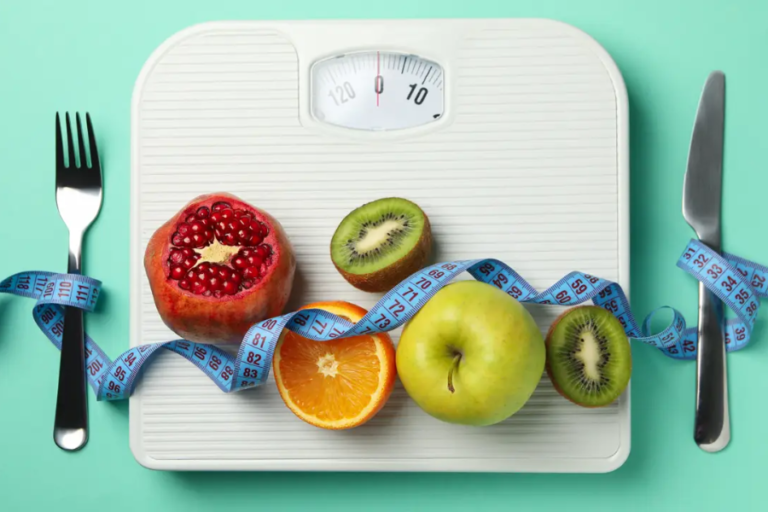
A smart mediterranean diet shopping list makes it much easier to lose weight without feeling deprived. Instead of counting every calorie, you focus on stocking your kitchen with foods that naturally support fat loss, better energy, and long‑term health.
The Mediterranean diet centers on whole, mostly plant based foods, healthy fats like extra virgin olive oil, lean proteins, and plenty of flavor from herbs and spices. It is flexible and realistic, which is why it is often recommended for weight management and overall health by sources like Cleveland Clinic and The Mediterranean Dish (Cleveland Clinic, The Mediterranean Dish).
Below, you will find a practical mediterranean diet shopping list plus simple tips to turn those ingredients into satisfying, slimming meals.
Understand how the Mediterranean diet helps you lose weight
Before you write your shopping list, it helps to know why these foods work in your favor.
The Mediterranean diet is built on vegetables, fruits, whole grains, beans, nuts, seeds, and generous amounts of extra virgin olive oil, with seafood, poultry, and dairy in moderation and red meat and sweets only occasionally (Cleveland Clinic). This pattern is naturally lower in added sugars and saturated fat and higher in fiber and healthy fats.
That combination supports weight loss because it keeps you full longer, stabilizes your blood sugar, and reduces the urge to snack on processed foods. You are not relying on willpower alone, you are changing your environment and your default choices.
Think of your mediterranean diet shopping list as your first weight loss tool. If your fridge, freezer, and pantry are filled with the right building blocks, healthier eating becomes the easiest option.
Build your Mediterranean pantry staples
A well stocked pantry makes it simple to throw together quick, healthy meals, even on busy nights. Many traditional Mediterranean dishes come from humble pantry ingredients like beans, tomatoes, and grains.
According to Mediterranean Living, core pantry staples include extra virgin olive oil, canned tomatoes, dried herbs such as oregano, and a variety of spices that add flavor and support digestion (Mediterranean Living).
Here are key pantry categories to add to your mediterranean diet shopping list.
Oils, vinegars, and flavor boosters
Extra virgin olive oil, or EVOO, is at the center of the Mediterranean diet and is recommended over regular olive oil because it has a healthier fat profile and is rich in antioxidants that help protect heart and brain cells and reduce inflammation (Cleveland Clinic). You will use it every day, so buy the best quality you comfortably can.
Other helpful staples include balsamic vinegar, red and white wine vinegars, and a few types of olives and capers. Mediterranean Living notes that high quality extra virgin olive oil plus aged balsamic vinegar can turn simple vegetables or grains into something special (Mediterranean Living).
Spices and herbs you might keep on hand are dried oregano, basil, thyme, cumin, smoked paprika, crushed red pepper, and whole garlic. These add big flavor without calories and help you rely less on heavy sauces or cheese.
Canned and jarred goods
Shelf stable items help you build meals fast. Mediterranean Living highlights the usefulness of canned and jarred tomato products like crushed tomatoes, tomato sauce, and tomato paste for quick stews, sauces, and braises (Mediterranean Living).
You might also stock:
- Canned chickpeas and other beans
- Jarred roasted red peppers
- Artichoke hearts in water
- Canned tuna or salmon packed in water or olive oil
These combine easily with fresh vegetables, grains, and herbs for lunches and dinners that are both filling and weight loss friendly.
Beans, legumes, and whole grains
Beans and legumes are fundamental in the Mediterranean pantry. They provide protein, fiber, and slow digesting carbohydrates that keep you full. Mediterranean Living notes that both canned and dried beans are useful, since canned options save time when you have not soaked dry beans overnight (Mediterranean Living).
Whole grains like bulgur wheat and certain pastas also show up often in Mediterranean cooking and are recommended pantry staples for nourishing, satisfying meals (Mediterranean Living). When you are trying to lose weight, portion size matters, but you do not have to avoid these foods. You simply anchor them with lots of vegetables and lean protein.
Fill your cart with Mediterranean vegetables
Vegetables are the backbone of a mediterranean diet shopping list. They add volume and fiber for very few calories and they bring color and variety to your plate.
The Mediterranean diet encourages including vegetables in every meal and aiming for at least three servings per day. Some guidance even recommends about 30 different vegetable varieties per week to boost nutrition and keep meals interesting (Eden Green Technology).
You can think of your vegetable list in a few helpful groups.
Leafy greens
Leafy greens are nutritional powerhouses and fit easily into breakfast, lunch, and dinner. Eden Green Technology highlights spinach, kale, and arugula as key choices for a Mediterranean diet shopping list (Eden Green Technology).
- Spinach is rich in iron and vitamins A and C.
- Kale provides antioxidants and vitamin K.
- Arugula adds a peppery flavor and is a good source of calcium.
You can toss these into salads, sauté them with garlic and olive oil, or bake them into frittatas and casseroles.
Cruciferous vegetables
Cruciferous vegetables are especially good for weight loss because they are very filling for the calories they provide. Eden Green Technology notes broccoli, Brussels sprouts, and cauliflower as important Mediterranean picks (Eden Green Technology).
Broccoli and Brussels sprouts offer fiber and vitamins C and K, and Brussels sprouts also contain compounds associated with reduced cancer risk. Cauliflower is extremely versatile, you can roast it, mash it, or pulse it into “rice” as a lighter base for bowls.
Nightshades and other staples
Tomatoes, bell peppers, and eggplants bring color and flavor to Mediterranean meals. Tomatoes are rich in antioxidants like lycopene that support heart health, bell peppers are high in vitamin C, and eggplants are excellent for grilling or roasting (Eden Green Technology).
Other common Mediterranean vegetables include zucchini, cucumbers, artichokes, onions, and garlic. These offer versatility and health benefits such as immune support and antioxidant properties, and many grow well with hydroponic methods if you like to garden at home (Eden Green Technology).
When you shop, choose a mix of fresh and frozen vegetables so you always have something ready. Frozen options are picked at peak ripeness and can be just as nutritious.
Choose Mediterranean friendly fruits, grains, and legumes
Fruits, whole grains, and legumes round out your mediterranean diet shopping list and help you build balanced meals that support steady weight loss, not crash dieting.
Fruits for sweetness and fiber
Fruit replaces sugary desserts and snacks with options that provide vitamins and fiber. Common Mediterranean style choices are:
- Apples and pears
- Oranges, clementines, and other citrus
- Berries
- Grapes
- Figs and dates in moderation
You can pair fruit with a small handful of nuts for a snack, slice it over yogurt, or finish dinner with a piece of fresh fruit instead of a heavy dessert.
Whole grains that keep you satisfied
The Mediterranean diet encourages you to choose whole grains most of the time. Cleveland Clinic notes that staple foods include whole grain breads, oats, brown rice, and other minimally processed grains (Cleveland Clinic).
Useful options to keep on hand are:
- Oats for breakfast
- Whole grain bread or pita
- Brown rice or wild rice
- Bulgur, farro, or barley
- Whole grain pasta
For weight loss, you do not need to avoid grains completely. Instead, fill at least half your plate with vegetables, add a serving of lean protein, and use grains as a smaller but satisfying portion.
Beans and legumes as protein powerhouses
Beans and legumes are an essential part of the Mediterranean pattern and a budget friendly way to increase protein and fiber. Common choices include:
- Chickpeas
- Lentils
- Black beans
- Cannellini beans
- Split peas
You can add these to salads, soups, and stews, or blend chickpeas into hummus as a dip for raw vegetables. Mediterranean Living emphasizes how helpful it is to keep both canned and dried beans around for quick meals (Mediterranean Living).
Pick proteins the Mediterranean way
Protein helps you stay full, preserve muscle while losing weight, and avoid blood sugar crashes. In the Mediterranean diet, the main emphasis is on seafood, beans, and moderate amounts of poultry and dairy, with red meat limited.
The Mediterranean Dish clarifies that seafood is the primary meat in this way of eating, but poultry, lamb, and lean beef are allowed in moderation. Processed and fatty red meats are best kept for rare occasions (The Mediterranean Dish).
Seafood and poultry
On your mediterranean diet shopping list, aim to include:
- Salmon, sardines, trout, or other fatty fish
- White fish like cod or tilapia
- Shellfish such as shrimp or mussels
- Skinless chicken or turkey
Try to plan for fish a couple of times per week. You can roast fillets with olive oil and lemon, bake them in parchment with vegetables, or simmer them in tomato based stews.
Dairy, eggs, and limited red meat
Moderate amounts of dairy and eggs fit well in the Mediterranean pattern. Good options are:
- Plain Greek yogurt
- Kefir
- Small pieces of feta or part skim mozzarella
- Eggs
You can use these to add protein to breakfast and snacks without overdoing saturated fat. If you eat red meat, choose lean cuts and think of it as a side rather than the main part of the plate.
Stock up on healthy fats, nuts, and seeds
Healthy fats play a big role in why the Mediterranean diet is so satisfying. They help control hunger and support heart and brain health. According to Cleveland Clinic, the Mediterranean diet emphasizes plant based foods and healthy fats, with extra virgin olive oil as the main source of fat (Cleveland Clinic).
Beyond olive oil, you can add:
- Almonds, walnuts, pistachios, and hazelnuts
- Seeds like chia, flax, and sunflower
- Avocados
These are calorie dense, so portion awareness matters if you are trying to lose weight. A small handful of nuts, a tablespoon of seeds, or a sixth to a quarter of an avocado can go a long way in salads, grain bowls, or snacks.
Use herbs, spices, and smart treats to stay on track
One of the best parts of the Mediterranean diet is how flavorful it can be. You rely on herbs, spices, citrus, vinegar, and aromatics instead of heavy creams and sugar.
Fresh basil, parsley, dill, mint, cilantro, garlic, and onions are everyday basics in many Mediterranean kitchens. Dried herbs like oregano and thyme, along with spices like cumin, coriander, and paprika, let you create a variety of flavors from the same core ingredients.
For treats, focus on quality over quantity. A small square of dark chocolate, a drizzle of honey over yogurt, or a few dates with nuts can feel indulgent without derailing your goals.
When your food is genuinely delicious, it becomes much easier to stick with a Mediterranean pattern long term and your weight loss feels more like a lifestyle shift than a temporary diet.
Turn your shopping list into effortless weight loss meals
Once your mediterranean diet shopping list is set, the final step is planning simple ways to use what you buy. The Mediterranean diet pyramid is designed to guide overall patterns over days or weeks, not rigid daily rules, so you have plenty of flexibility (The Mediterranean Dish).
Here is a quick way to think about building meals:
- Start with vegetables. Fill at least half your plate with a mix of cooked and raw vegetables.
- Add a lean protein. Choose seafood, beans, lentils, or poultry most of the time.
- Include a small serving of whole grains or starchy vegetables.
- Finish with healthy fats from olive oil, nuts, seeds, or avocado.
- Season generously with herbs, spices, lemon, and vinegar instead of heavy sauces.
Cleveland Clinic points out that the Mediterranean diet can be customized to your needs, including vegetarian or gluten free approaches, and a dietitian can help you adapt your shopping list if you have specific medical conditions or restrictions (Cleveland Clinic).
You do not have to overhaul everything at once. Start with one small change, such as replacing butter with extra virgin olive oil or stocking your fridge with three new vegetables this week. Then keep building out your mediterranean diet shopping list as these habits begin to feel natural.
Over time, those small shifts add up to steady weight loss, better energy, and a way of eating you can actually enjoy for life.
About the Author