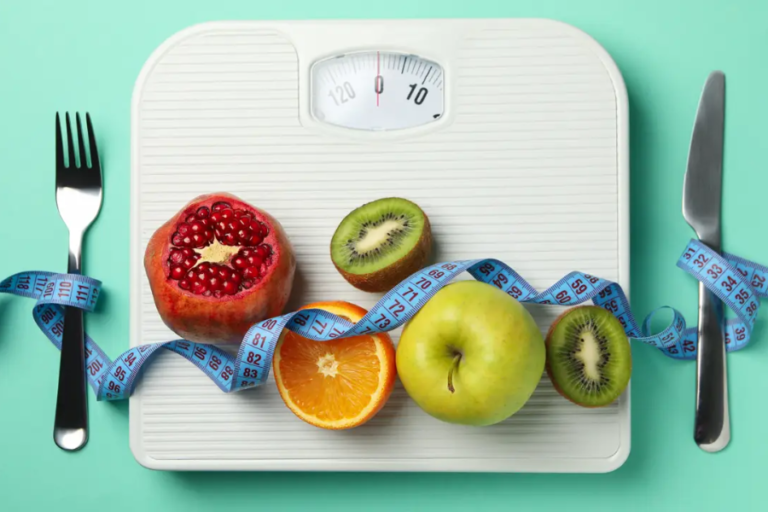
Understand how nutrition and weight management work together
If you want lasting results, it helps to see nutrition and weight management as a long game rather than a quick fix. Instead of a perfect diet, you are aiming for small, consistent choices that tip the calorie balance in your favor and support overall health.
At its core, weight management comes down to energy balance. When you regularly eat more calories than your body uses, you gain weight. When you consistently create a modest calorie deficit, you lose weight. That calorie deficit can come from eating a bit less, moving a bit more, or both, which is what most guidelines recommend (Mayo Clinic, CDC).
Obesity is now so common that the World Health Organization calls it an epidemic, and it is linked to heart disease, stroke, type 2 diabetes, and some cancers (American Society for Nutrition). The goal is not just a smaller number on the scale, but a healthier body that works better for you.
Set realistic, science backed goals
Aim for steady, not extreme, weight loss
Big overnight changes are appealing, but research shows that slow, steady weight loss is safer and more sustainable. Many guidelines suggest:
- Aiming to lose about 1 to 2 pounds (0.5 to 1 kilogram) per week
- Creating a daily calorie deficit of roughly 500 to 750 calories through diet, activity, or both (Mayo Clinic)
This pace lets you keep more muscle, stay energized, and build habits you can live with long term.
Focus on meaningful health improvements
You do not have to reach an “ideal” weight to see real health benefits. Losing just 5% of your current body weight, such as 9 pounds if you weigh 180 pounds, can lower your risk of heart disease and type 2 diabetes (Mayo Clinic).
You can also track non scale victories, such as:
- Better sleep
- More stable energy and mood
- Less joint pain
- Better lab results like blood pressure, cholesterol, or blood sugar (Nutrients)
These changes often show up before your weight loss feels dramatic.
Build a balanced eating pattern for weight control
Use calorie reduction without crash dieting
Most people need to reduce daily calorie intake to lose weight. European and other obesity associations often recommend cutting about 500 to 1000 calories per day, which usually leads to a loss of roughly 0.5 to 1 kilogram per week when combined with a nutrient dense eating pattern (Nutrients).
What this can look like in your daily life:
- Slightly smaller portions of calorie dense foods such as fried foods, sweets, and sugary drinks
- More low calorie, high fiber foods that help you feel full, like vegetables, fruit, beans, and whole grains
- Simple swaps, such as grilled instead of fried, or water instead of soda
Prioritize quality, not just calories
Nutrition and weight management work best when you care about what you eat as much as how much you eat. Healthy eating patterns are linked with longer life and a lower risk of serious diseases such as heart disease, type 2 diabetes, and obesity (CDC).
Helpful guidelines include:
- Follow a pattern similar to the Mediterranean or DASH style: high in vegetables, fruit, whole grains, nuts, seeds, and healthy fats, and lower in processed meats, refined grains, and added sugars (Nutrients)
- Use tools like the USDA MyPlate Plan to see how much to eat from each food group while staying within your calorie range (CDC)
These patterns do more than help you lose weight. They also improve cholesterol, blood pressure, insulin sensitivity, and inflammation, which directly support heart and metabolic health (Nutrients).
Make smart choices in everyday foods
You do not need a complicated meal plan to eat in a way that supports weight management. Small, consistent improvements matter:
-
Fruit and vegetables
-
Choose fresh, frozen, or canned varieties without added sugars or syrups
-
Look for options packed in water or natural juice (CDC)
-
Protein and meat
-
Bake, grill, or broil instead of frying to cut calories and unhealthy fats
-
Swap in beans or lentils a few times a week to lower calories and increase fiber (CDC)
-
Comfort foods
-
Keep them in your life, just less often and in smaller portions
-
Try lighter versions, such as reducing sugar, using leaner meats, or baking instead of frying (CDC)
Over time, these changes can add up to hundreds of calories saved each day without feeling overly restrictive.
Use meal timing and patterns to your advantage
What you eat matters most, but when and how often you eat can also influence weight.
A large study of more than 50,000 adults found that people tended to have a lower BMI when they (American Society for Nutrition):
- Ate fewer meals and no snacks
- Ate breakfast
- Made breakfast the largest meal
- Had longer overnight fasts of about 18 hours or more
However, meal timing is not one size fits all. In a separate 16 week trial, simply telling people to eat or skip breakfast did not significantly change weight loss (American Society for Nutrition). Your best approach is the one you can stick with and that helps you avoid overeating later in the day.
You might experiment with:
- A consistent eating window that still feels realistic
- Making your earlier meals more substantial and later meals lighter
- Reducing late night snacking, especially on high calorie foods
Understand metabolism without blaming it
Metabolism often gets the blame for weight struggles, but it is usually not the main cause of weight gain. Metabolism is the process your body uses to convert food and drink into energy. It includes:
- Basal metabolic rate (BMR), the calories you burn at rest just to keep vital functions going
- Physical activity, everything from formal exercise to daily movement
- Nonexercise activity thermogenesis (NEAT), all the fidgeting, walking, and other small movements that can burn 100 to 800 calories per day (Mayo Clinic)
People with a higher metabolism burn more calories at rest and during activity, while those with a slower metabolism burn fewer calories and need to eat less to avoid weight gain (Harvard Health Publishing). Lean individuals also tend to burn more calories during everyday activities, sometimes without noticing it (Harvard Health Publishing).
In most cases, excess weight is more closely tied to environment and habits than to inherited metabolic problems. Medical conditions that slow metabolism, such as Cushing syndrome or hypothyroidism, are relatively rare (Mayo Clinic).
The takeaway: you cannot fully control your metabolism, but you can influence your total daily calorie burn by increasing daily movement and building or maintaining muscle through strength training.
Move more to support weight loss and maintenance
Know what exercise can and cannot do
Physical activity helps you burn more calories, which supports weight loss when combined with a calorie deficit from food. The CDC notes that while most weight loss comes from decreasing calorie intake, regular physical activity is crucial for keeping weight off over time (CDC).
Guidelines for adults generally recommend (CDC):
- At least 150 minutes per week of moderate intensity activity, such as brisk walking
- Or 75 minutes per week of vigorous activity, such as running
- Plus muscle strengthening activities at least 2 days per week
For overall health, this is a solid target. For significant weight loss, you often need either more activity, fewer calories, or both.
Research suggests that exercise by itself usually leads to only modest weight loss. A review of long term studies found that people often lose less weight than predicted from exercise alone, and higher amounts of activity may be needed to see meaningful changes (Diabetes Spectrum).
Use activity strategically
Even if exercise alone is not a magic solution, it plays a powerful role in your plan.
Some key findings:
- In one study, obese men who exercised to burn about 700 calories per day, roughly 60 minutes daily, lost around 7.5 kilograms in 3 months (Diabetes Spectrum)
- The National Weight Control Registry reports that 94% of people who keep weight off long term include exercise in their routine, and those who do the most activity also tend to practice more dietary restraint (Diabetes Spectrum)
- Expending roughly 11 to 12 calories per kilogram per day in physical activity, about 900 calories per day for an 81 kilogram woman, may help prevent weight regain after weight loss. People who burn more than 2,500 calories per week in exercise often regain less weight over time (Diabetes Spectrum)
This does not mean you must start at these levels. It does suggest that over time, higher activity can make maintaining your progress much easier.
Find activities that fit your life
You do not need a gym membership to get started. A 154 pound person burns approximately (CDC):
- 140 to 185 calories in 30 minutes of moderate activities like walking at 3.5 mph, hiking, or light gardening
- 220 to 295 calories in 30 minutes of vigorous activities like running or swimming
You can mix and match based on your schedule and preferences:
- Break movement into 10 to 15 minute chunks throughout the day
- Add more walking by parking farther away or taking the stairs
- Choose one or two strength exercises, like squats and pushups, and do a few sets several days per week
Individual responses to exercise vary. Some people unconsciously eat more when they start working out, or become less active the rest of the day, which can blunt weight loss (Diabetes Spectrum). Paying attention to your hunger, energy, and step counts can help you adjust.
Consider professional support and medical options
Work with a registered dietitian or health professional
Because everyone’s body and circumstances are different, personalized guidance can make weight management less confusing and more effective.
Dietitians often:
- Create individualized nutrition plans that reduce calories by 500 to 1000 per day while keeping your diet flexible and nutrient dense
- Help you find a realistic macronutrient balance that fits your preferences and medical needs
- Offer ongoing support and behavior strategies that are critical for maintaining weight loss (Nutrients)
Most diet based programs lead to modest weight loss, often 4 to 10% of body weight in 6 to 12 months. More intensive approaches like very low calorie diets and structured meal replacements can reach around 15% weight loss, but staying there usually requires regular follow up and physical activity support (Nutrients).
Understand the role of medications
For some people with obesity and related health conditions, nutrition and lifestyle changes may be combined with medications such as GLP 1 receptor agonists. When used appropriately, these drugs can:
- Help control appetite and make it easier to stick with a calorie restricted eating pattern
- Require careful monitoring for side effects
- Help improve health markers beyond weight alone, such as blood sugar, blood pressure, and inflammation (Nutrients)
If you think medication might be right for you, talk with your health care provider about the benefits, side effects, and how it would fit into a full treatment plan that still centers on nutrition and physical activity.
Shift your mindset for long term success
Expect plateaus and fluctuations
Most people see the biggest changes in the first 6 months. After that, weight loss often slows and can partially rebound. A large review of 14 popular named diets showed that many plans lead to modest weight loss and cardiovascular improvements at 6 months, but those benefits tend to shrink by 12 months (American Society for Nutrition).
This pattern does not mean you failed. It means your body is adjusting. You can respond by:
- Reassessing your portions to see if they have crept up
- Adding small amounts of extra activity, such as another 10 minutes of walking
- Focusing on non scale progress, such as better blood pressure or stamina
Celebrate non scale victories
Weight is only one part of the picture. Diet changes that center on nutrient dense foods and regular activity can improve:
- Cardiometabolic health, including cholesterol, blood pressure, and blood sugar
- Inflammation and gut health, especially with higher fiber intake
- Energy, mood, and sleep quality
- Quality of life and daily function (Nutrients)
Noticing these wins can keep you motivated even when the scale feels stubborn.
Make changes you can live with
Long term weight management relies on habits that feel realistic, not perfect. Some examples you might adopt:
- Eating more plant based meals that emphasize vegetables, fruits, and whole grains, which are filling and lower in calories (Mayo Clinic)
- Planning simple, repeatable breakfasts and lunches so you make fewer spur of the moment choices
- Practicing mindful eating, such as slowing down, checking in with hunger and fullness, and reducing distracted eating
- Keeping a positive mindset and treating setbacks as information, not proof you cannot succeed (Mayo Clinic)
You can start with one or two small changes, practice them until they feel natural, and then layer on new ones.
Put it all together in your daily life
You do not need an elaborate plan to begin improving your nutrition and weight management. You can start with a simple framework:
- Set a clear, realistic goal
- For example: “Lose 5% of my body weight over the next 3 to 6 months and walk 30 minutes most days.”
- Adjust what you eat
- Reduce calories slightly by shrinking portions of high calorie foods
- Build your plate around vegetables, fruits, lean proteins, and whole grains
- Keep favorite treats, but less often and in smaller amounts
- Move more, gradually
- Aim first for 150 minutes of moderate activity per week plus two strength sessions
- Over time, consider adding more activity to support weight loss and maintenance
- Track your progress
- Use a notebook or app to log meals, activity, and how you feel
- Check in on your weight weekly rather than daily to see the overall trend
- Get support when you need it
- Talk with a health professional or dietitian if you feel stuck or overwhelmed
- Ask your doctor whether additional tools such as medication are appropriate for you
Lasting results come from consistent, doable choices rather than dramatic short term overhauls. If you pick one small change to try today, such as adding a 10 minute walk after dinner or swapping a sugary drink for water, you are already moving in the right direction.
About the Author