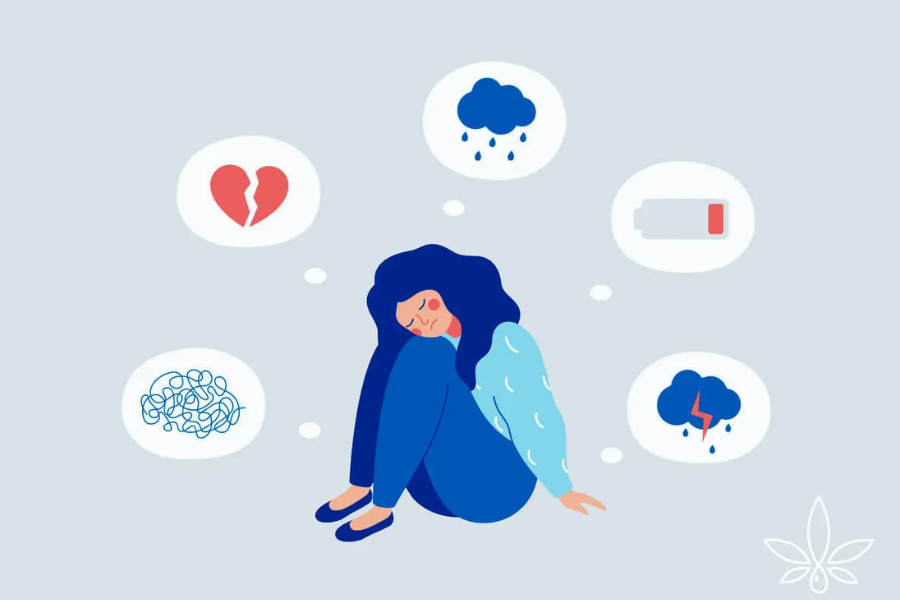
Understand situational vs clinical depression
When you hear the phrase “situational vs clinical depression,” it can sound like a technical distinction. In reality, understanding the difference can help you make sense of what you are feeling and decide when to ask for support.
Situational depression is usually a response to a specific stressful event. Clinical depression, also called major depressive disorder, is a medical condition with a defined set of symptoms that persist over time and affect your daily life (Cleveland Clinic, Mayo Clinic). Both are real and valid experiences, and both deserve attention.
Think of this article as a gentle guide. You will learn how the two differ, what symptoms to watch for, and how to take the next step toward help.
Define each type of depression
What is situational depression?
Situational depression is often described as an “adjustment disorder with depressed mood.” It usually appears after a clear stressor. For example:
- The end of a relationship
- Losing a job or financial instability
- A serious medical diagnosis
- Moving, divorce, or other major life changes
- Death of someone you care about
Symptoms usually start within a few months of the event and often improve within about 6 months after the stressor is resolved or you begin to adjust (Medical News Today, Healthline).
You might notice:
- Feeling sad, tearful, or hopeless
- Worry or anxiety about the situation
- Trouble sleeping or changes in appetite
- Difficulty concentrating
- Low energy or motivation
- Pulling back from friends or activities
Your reactions are understandable responses to something hard. Situational depression can still feel intense or overwhelming, but it usually improves as time passes, your circumstances shift, or you get support (Healthline, WebMD).
What is clinical depression?
Clinical depression, or major depressive disorder, is a mood disorder defined by specific diagnostic criteria in the DSM 5, a manual used by mental health professionals (Mayo Clinic). It can show up with or without a clear trigger.
To be diagnosed with clinical depression, you need to have symptoms like low mood and loss of interest, plus other symptoms, nearly every day for at least two weeks. These symptoms are usually strong enough to interfere with daily life, including work, school, and relationships (Cleveland Clinic).
Common features of clinical depression include:
- Feeling deeply sad, empty, or hopeless most of the day
- Losing interest in activities you used to enjoy
- Big changes in appetite or weight
- Sleeping too much or too little
- Moving or speaking more slowly, or feeling restless
- Constant fatigue or low energy
- Feelings of worthlessness or excessive guilt
- Trouble thinking, concentrating, or making decisions
- Thoughts of death or suicide
Clinical depression can last for weeks, months, or longer, and often comes in episodes that may return over time (Cleveland Clinic, Medical News Today). Treatment typically includes psychotherapy, medication, or both.
Compare situational vs clinical depression
It can help to see the differences side by side.
| Feature | Situational depression | Clinical depression |
|---|---|---|
| Main trigger | Clear stressful event or change in your life | May occur with or without a clear trigger (Mayo Clinic) |
| Onset of symptoms | Within about 1 to 3 months of the stressor (Medical News Today) | Can develop gradually or suddenly, not tied to a specific event |
| Duration | Often resolves within about 6 months after the stressor improves or ends (Healthline) | Often lasts weeks or months, can be chronic or recurring (Cleveland Clinic) |
| Symptom pattern | Related to difficulty coping with the specific situation | Pervasive mood changes that affect many areas of life |
| Severity of impact | Can be distressing, but daily functioning may be less severely impaired | Often significantly disrupts work, school, and relationships (Mayo Clinic) |
| Diagnostic label | Adjustment disorder with depressed mood | Major depressive disorder, a mood disorder in the DSM 5 (Mayo Clinic) |
| Treatment focus | Coping with the stressor, short term support | Longer term treatment with therapy, medication, or both (Medical News Today) |
| Possibility of progression | Can develop into clinical depression if it persists and is not treated (WebMD) | Considered a more severe and chronic condition from the outset |
Both can include sadness, low energy, and sleep changes. What sets clinical depression apart is the duration, the number of symptoms, and how strongly it interferes with your life.
Recognize key symptoms and red flags
Shared symptoms you might notice
Situational and clinical depression overlap in many ways. You might experience:
- Feeling sad, down, or tearful
- Hopelessness about the future
- Changes in appetite or weight
- Trouble sleeping or sleeping too much
- Feeling more irritable than usual
- Withdrawing from friends or family
If you are feeling this way, you are not being “dramatic” or “weak.” Your mind and body are showing signs of distress, and paying attention is a form of self respect.
Signs that it may be clinical depression
Certain patterns suggest that what you are experiencing is more than a temporary response to a stressful event. You may be dealing with clinical depression if (Cleveland Clinic, Mayo Clinic):
- Symptoms last most of the day, nearly every day, for at least two weeks
- You notice at least five key symptoms, such as low mood, loss of interest, sleep changes, appetite changes, fatigue, guilt, poor concentration, or thoughts of death
- You cannot point to a clear trigger, or your feelings are much bigger than the event itself
- Getting through normal tasks, like showering, cooking, or working, feels very hard
- You feel numb or disconnected from people and activities you used to care about
- You have unexplained physical symptoms, like pain, headaches, or digestive issues without a clear physical cause (Medical News Today)
- You have thoughts of harming yourself or that life is not worth living
If any of these feel familiar, it is important to reach out for professional help. Clinical depression is treatable, but you do not have to try to figure it out alone.
Understand causes and risk factors
What often leads to situational depression
Situational depression typically shows up when your usual coping skills are overwhelmed. Common triggers include (Medical News Today, Healthline):
- Losses, such as death of a loved one or a breakup
- Major life changes, even positive ones like a new baby or move
- Ongoing stress at work, school, or in relationships
- Health scares or new diagnoses
- Financial worries or housing instability
The stressor and your reaction are linked. Once the situation shifts or you build new coping strategies, symptoms often decrease.
What contributes to clinical depression
Clinical depression is more complex. Experts note that there is no single known cause. Instead, it involves a mix of biological, psychological, and environmental factors, such as (Mayo Clinic, Medical News Today):
- Brain chemistry and neurotransmitter changes
- Genetics and family history of mood disorders
- Previous episodes of depression or other mental health conditions
- Chronic medical conditions
- History of trauma or long term stress
Sometimes clinical depression follows a stressful event. Other times, it appears without an obvious cause. That lack of a clear “reason” does not make what you are feeling any less real.
Explore treatment and support options
How situational depression is usually treated
Situational depression often responds well to short term support that helps you cope with the stressor and build resilience. Treatment can include (Gemas Psychotherapy, Medical News Today):
-
Psychotherapy
-
Cognitive behavioral therapy (CBT) to work with unhelpful thought patterns
-
Grief counseling after a loss
-
Supportive therapy to process emotions and plan next steps
-
Lifestyle and coping strategies
-
Stress management skills, like time management or setting boundaries
-
Relaxation techniques, such as breathing exercises and progressive muscle relaxation (NAMI)
-
Mindfulness or meditation to help calm your nervous system and increase resilience (NAMI)
-
Medication when needed
-
Short term medication may be used if symptoms are severe or you are having trouble functioning, often alongside therapy (Medical News Today)
Situational depression can improve on its own as your circumstances change, but getting help can ease your distress and lower the risk that it deepens into clinical depression (WebMD).
How clinical depression is usually treated
Clinical depression is more likely to require ongoing, structured treatment. A plan often includes (Cleveland Clinic, Gemas Psychotherapy):
-
Psychotherapy
-
CBT to address negative thought patterns and behaviors
-
Other therapies, such as interpersonal therapy or psychodynamic therapy, depending on your needs
-
Medication
-
Antidepressants, such as SSRIs or SNRIs, prescribed and monitored by a doctor or psychiatrist
-
Medication usually takes several weeks to show full effects, and your provider may adjust the dose or type
-
Lifestyle support
-
Gentle movement or exercise as you are able
-
Sleep routines and regular meals
-
Building a support network through friends, family, or groups
Clinical depression is not something you are supposed to “snap out of.” It is a medical condition that responds to care, just as a physical illness does.
Practice coping tools you can use now
While professional help is important, especially if symptoms are severe or ongoing, there are also small steps you can try on your own. These are not cures, but they can support you while you seek further help.
Calm your body’s stress response
When you feel anxious or weighed down, your body may shift into fight or flight. Simple techniques can help you reset:
-
Slow, deep breathing
-
Inhale slowly through your nose for a count of 4
-
Hold for a count of 4
-
Exhale through your mouth for a count of 6
-
Repeat several times to lower tension (NAMI)
-
Progressive muscle relaxation
-
Start at your feet, gently tense a muscle group for a few seconds
-
Release and notice the difference between tension and relaxation
-
Move upward through your body, group by group (NAMI)
Build small pockets of support into your day
You might try:
- Keeping a very simple routine: wake time, meals, one small task
- Reaching out to one trusted person, even with a short message
- Spending a few minutes outside if it is accessible to you
- Limiting constant exposure to stressful news or social media
These are not meant to replace treatment if you have clinical depression, but they can make things a little more manageable while you get more support.
Know when to seek professional help
Trying to decide whether what you feel is “situational vs clinical depression” can be confusing when you are in the middle of it. You do not need to make that call on your own. A doctor or mental health professional can listen, ask questions, and suggest a plan.
It is a good idea to reach out if:
- Symptoms last longer than a few weeks or are getting worse, not better
- You are having trouble functioning at work, in school, or at home (Mayo Clinic)
- The original stressor has passed, but your mood has not improved
- You suspect situational depression might be turning into something more persistent (WebMD)
- You have any thoughts of harming yourself or wishing you were not here
If you have thoughts of suicide or feel you might act on them, treat it as an emergency. Contact your local emergency number or a crisis hotline available in your country right away.
You deserve care and relief, whether what you are feeling is tied to a specific life event or has appeared without a clear reason. Reaching out is not a sign that you are failing. It is a sign that you are taking your mental health seriously.
Take a gentle next step
If you recognize yourself in these descriptions, your next step does not have to be huge. You might:
- Write down your symptoms and how long they have been present
- Schedule an appointment with your primary care doctor or a therapist
- Share this article with someone close to you and let them know which parts resonated
Understanding the difference between situational and clinical depression is not about labeling yourself. It is about giving yourself the right level of support, at the right time, so you can move toward steadier ground.
About the Author