A Mediterranean diet for weight loss is less about strict rules and more about shifting what you eat most of the time. Instead of counting every calorie, you focus on whole, flavorful foods that keep you full, protect your heart, and support a healthy weight. Research suggests this way of eating can help you lose weight and, just as important, maintain that loss over time. (Mayo Clinic)
Below, you will learn what the Mediterranean diet looks like, why it works for weight loss, and how you can start using it in your everyday life without feeling deprived.
Understand what the Mediterranean diet is
The Mediterranean diet is based on the traditional eating patterns of countries like Greece, Italy, and Spain. It is consistently ranked as one of the best diets for weight loss, heart health, and longevity, thanks to decades of research. (Brown University Health)
Instead of focusing on a single “superfood,” this approach emphasizes an overall pattern of eating. According to the Cleveland Clinic, the Mediterranean diet centers on plant-based foods and healthy fats, especially vegetables, fruits, whole grains, legumes, nuts, and extra virgin olive oil as the main fat source. (Cleveland Clinic)
You still eat animal products, but in smaller, more intentional amounts. Fish and seafood show up regularly. Poultry and eggs appear in moderation. Red meat and sweets are limited to occasional treats. Wine, if you drink, is usually enjoyed in small amounts with meals.
See how the Mediterranean diet supports weight loss
The Mediterranean diet for weight loss works for several reasons that go beyond “eat less.” The foods you eat on this plan help you feel satisfied, keep your blood sugar more stable, and support your metabolism.
High fiber keeps you full
Plant foods are the foundation of this way of eating. Fruits, vegetables, whole grains, legumes, and nuts are rich in fiber, which slows digestion and helps you feel comfortably full on fewer calories. The Mayo Clinic notes that the diet’s emphasis on fiber-rich, nutrient-dense foods promotes satiety, especially when you pair it with sensible portions and regular activity. (Mayo Clinic)
Whole grains and legumes appear to be especially helpful. A 2017 study highlighted by TODAY found that whole grains can lead you to eat fewer calories overall and support weight loss. (TODAY)
Healthy fats work with your metabolism
Instead of avoiding fat altogether, you choose better sources. Extra virgin olive oil and nuts supply monounsaturated and polyunsaturated fats, which help reduce LDL cholesterol and support brain and heart health without encouraging unhealthy weight gain when used in moderation. (Mayo Clinic)
Olive oil does more than add flavor. The Cleveland Clinic explains that extra virgin olive oil has a favorable fat profile and high antioxidant content, which helps reduce inflammation and protect heart health. (Cleveland Clinic) Brown University notes that EVOO may also improve insulin sensitivity, which lowers blood glucose and insulin levels, reduces your risk of type 2 diabetes, and supports weight management. (Brown University Health)
Balanced carbs help control hunger
The Mediterranean pattern does not cut out carbs. Instead, you trade refined options like white bread and sugary snacks for whole grains and minimally processed starches such as oats, brown rice, barley, and potatoes. The Cleveland Clinic highlights that this pattern encourages whole grains and vegetables while limiting red meat and sweets, which supports better metabolic health. (Cleveland Clinic)
This balance helps you avoid big blood sugar spikes and crashes that tend to trigger cravings. When your energy feels more even, it becomes easier to stick with a reasonable calorie intake.
Protein helps maintain weight loss
Protein plays a quiet but important role in the Mediterranean diet for weight loss. Fish, beans, lentils, yogurt, and modest amounts of poultry help maintain muscle mass while you lose fat. In the MedWeight study, people who successfully maintained weight loss tended to eat more protein than those who regained weight, suggesting that protein helps with satiety and energy expenditure. (PMC)
Look at what the research says
One of the biggest strengths of the Mediterranean diet is that it has been studied over and over in real people, not just in theory.
A 2015 study reported in the American Journal of Medicine found that people following a Mediterranean diet lost about twice as much weight as those on a low carb diet. (TODAY) That is especially encouraging if you prefer a more flexible, enjoyable eating pattern instead of strict carb limits.
Long term, the results are just as promising. A 2018 study in Nutrition and Diabetes found that following the Mediterranean diet for five years helped decrease abdominal fat and lower the risk of weight gain. (TODAY) Belly fat is closely linked to heart disease and diabetes, so this is about more than aesthetics.
The MedWeight study from Greece looked specifically at people who had already lost at least 10% of their body weight. Those who stuck more closely to a Mediterranean diet were about twice as likely to keep that weight off compared with those who did not. (PMC) Higher Mediterranean Diet Scores were tied to significantly better odds of weight loss maintenance, even after adjusting for overall calorie intake and physical activity.
Researchers also noticed that certain components mattered together. Higher fruit consumption, for example, was linked to slightly higher odds of maintaining weight loss, and a combination of fruits, potatoes, legumes, olive oil, moderate alcohol, and low red meat intake seemed to support long term success. (PMC)
Focus on sustainability, not restriction
If you have ever tried a strict diet, you know that white-knuckling your way through tiny portions does not usually last. One reason the Mediterranean diet for weight loss stands out is that it is designed for real life.
The Mayo Clinic explains that this way of eating is flexible, varied, and not overly restrictive. That makes it more sustainable for long term weight management and helps you maintain a healthier relationship with food. (Mayo Clinic) Brown University also notes that people tend to stick with it longer than they do with typical restrictive diets, because there are fewer “off limits” rules. (Brown University Health)
You still have room for foods you enjoy, but your daily habits lean heavily toward whole, minimally processed ingredients. Over time, this consistent pattern is what moves the needle on your weight and health, not one “perfect” day of eating.
Practice mindful and social eating
The Mediterranean lifestyle is not just what you eat, but how you eat it. Meals are often unhurried and shared, rather than rushed at a desk or in a car.
The Mayo Clinic points out that social and mindful eating, both common in Mediterranean cultures, encourage you to slow down, enjoy your food, and connect with others. (Mayo Clinic) This simple shift can help you recognize fullness cues more easily and reduce emotional or distracted eating, which supports both weight and emotional health.
You can bring this into your daily routine by sitting at a table, putting your phone away, and taking a few breaths before your first bite. Even if you live alone, treating meals as a small daily ritual can change how satisfied you feel afterward.
Know what a typical day can look like
You do not need fancy recipes to start eating in a more Mediterranean way. You can gradually reshape your meals with familiar foods.
Here is one possible day of eating that fits Mediterranean diet principles and supports weight loss:
Breakfast: Oatmeal cooked in water or milk, topped with berries, a spoonful of plain Greek yogurt, and a drizzle of extra virgin olive oil or a few chopped nuts.
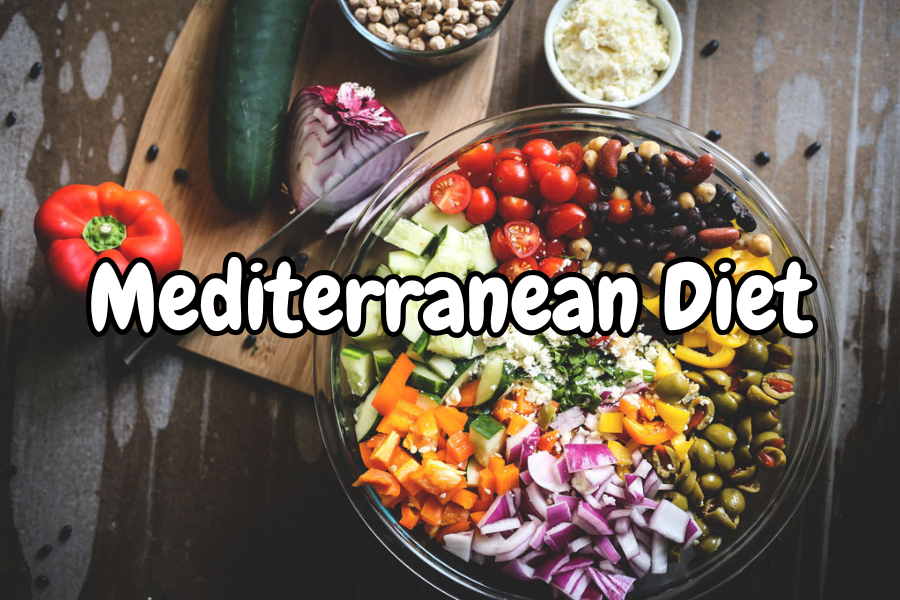
Lunch: Large salad with mixed greens, chickpeas or lentils, chopped vegetables, olives, a small portion of feta, and olive oil plus lemon dressing, with a slice of whole grain bread.
Snack: An apple and a small handful of almonds.
Dinner: Grilled salmon or another fatty fish, roasted vegetables, and a side of quinoa or brown rice, cooked with olive oil and herbs.
Dessert (optional): A small bowl of fresh fruit, such as orange slices or grapes.
You can mix and match based on what you enjoy and what is available. The key pattern is plenty of plants, healthy fats, and moderate portions of protein, with sweets and processed foods moved to the background.
Make simple swaps in your current diet
You do not have to overhaul your pantry overnight. Small but consistent changes can add up.
Start by looking at what you already eat and asking where you can make a Mediterranean style swap. For example, you might:
- Replace butter with extra virgin olive oil when you cook or dress salads
- Choose whole grain bread, pasta, or rice more often than white versions
- Add beans or lentils to soups, stews, and salads a few times per week
- Plan fish for dinner once or twice a week instead of red meat
- Trade sugary drinks for water, sparkling water, or unsweetened tea
- Keep fruit, nuts, and cut vegetables handy for snacks instead of chips or candy
A randomized study summarized by TODAY showed that when people replaced ultra processed foods with whole, plant based options, they lost weight even when calories were matched, largely because they naturally ate fewer calories and felt more satisfied. (TODAY) These kinds of swaps move you in that direction.
Talk with your healthcare team first
Before you fully commit to a Mediterranean diet for weight loss, it is wise to check in with your doctor or a registered dietitian, especially if you have specific health conditions, allergies, or medications.
The Cleveland Clinic recommends working with a dietitian or primary care physician to adapt the Mediterranean pattern to your personal medical history, preferences, and goals. (Cleveland Clinic) This might include guidance on portion sizes, alcohol intake, or how to manage blood sugar if you have diabetes.
A professional can help you move beyond generic advice and create a plan that feels realistic for your life, which dramatically improves your chances of success.
Key takeaways
- The Mediterranean diet for weight loss focuses on overall eating patterns, not rigid rules.
- It emphasizes fruits, vegetables, whole grains, legumes, nuts, and extra virgin olive oil while limiting red meat and sweets. (Cleveland Clinic)
- Research shows it can help you lose more weight than some traditional diets and keep it off long term. (TODAY) (PMC)
- Its flexibility, enjoyable foods, and social aspects make it easier to stick with over time. (Mayo Clinic)
- Small, steady changes in what and how you eat can move you toward this pattern without feeling overwhelming.
You do not need to eat perfectly Mediterranean to benefit. Start with one or two changes this week, like swapping in olive oil and adding a serving of vegetables to your usual dinner. Once those feel natural, build from there. Over time, those everyday choices can support a healthier weight and a healthier you.
About the Author