A solid paleo diet grocery list does more than fill your cart. It helps you lose weight, control cravings, and feel energized without guessing what is or is not paleo every time you shop. With a little planning, you can build a cart that looks simple and rustic, yet covers everything you need for easy, satisfying meals.
Below, you will find the must-haves to keep on hand, how to choose the best options, and simple ways to turn these ingredients into everyday meals and snacks.
Understand the basics of a paleo diet
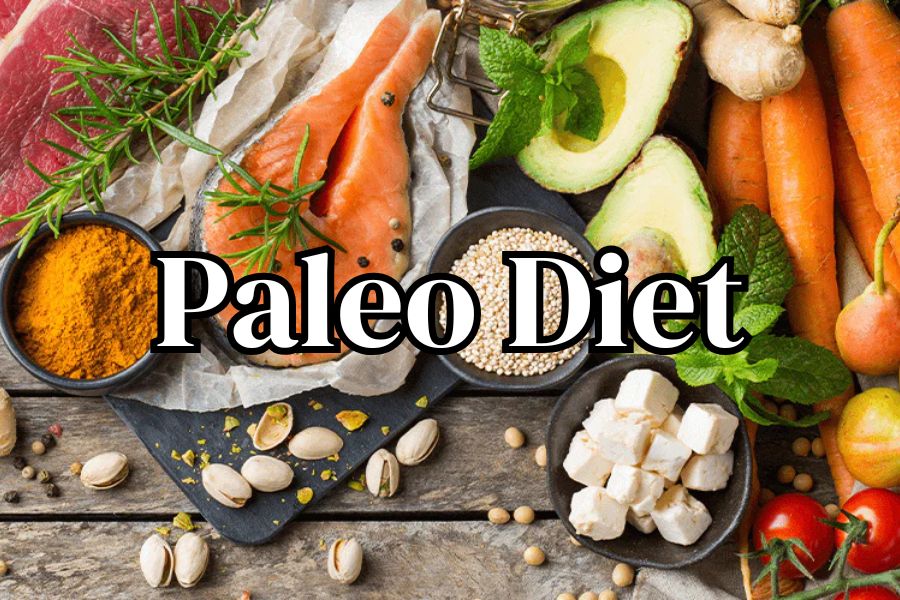
Before you write your paleo diet grocery list, it helps to know the basic idea behind the plan. The paleo diet focuses on foods your hunter-gatherer ancestors could hunt or gather, such as meat, fish, eggs, fruits, vegetables, nuts, seeds, and certain unrefined oils. It avoids modern processed foods, grains, legumes, and dairy (EatingWell).
In practice, that means you prioritize whole foods that need very little processing. You cook with simple methods like roasting, grilling, and sautéing and limit packaged items with long ingredient lists, added sugars, and refined oils. The result is a diet rich in protein, fiber, and healthy fats that can support weight loss and better blood sugar control.
At its core, a paleo diet grocery list is built around real food: high-quality protein, colorful plants, and natural fats.
Choose high‑quality proteins first
Protein is the backbone of your paleo meals. It keeps you full, supports muscle, and helps stabilize blood sugar, which is key if you are eating for weight loss.
Meat and poultry
On paleo, you are encouraged to choose meat that is as close to its natural state as possible. Grass-fed and pasture-raised options are preferred because they are typically leaner and higher in omega‑3 fatty acids, which support heart health and help reduce inflammation (EatingWell).
Look for:
- Grass-fed beef, such as ground beef, steaks, and roasts
- Grass-fed lamb
- Pasture-raised pork, like pork shoulder, chops, or tenderloin
- Pasture-raised poultry, including chicken, turkey, duck, and goose (Whole Foods Market, Nerd Fitness)
When possible, choose organic or Animal Welfare Certified labels to align with paleo principles and food quality standards (Whole Foods Market).
Seafood
Wild-caught seafood is another cornerstone of your paleo protein lineup. It is rich in lean protein and omega‑3s. Paleo guides often recommend opting for wild-caught varieties and avoiding farmed fish when you can (Nerd Fitness).
Great options include:
- Wild-caught salmon, cod, and tuna
- Shellfish, such as shrimp, lobster, scallops, and crab
- Canned wild salmon, tuna, or sardines for quick meals (Whole Foods Market)
Eggs
Eggs fit easily into a paleo diet grocery list and are one of the most budget-friendly protein sources you can buy. Look for pasture-raised or organic eggs if your budget allows. You can use them in breakfast scrambles, frittatas, or hard-boiled for snacks.
Quick protein planning tip
Aim to add at least one protein source to every meal and most snacks. This habit alone makes your paleo diet feel more filling and helps prevent the mid-afternoon crash.
Fill your cart with vegetables
Vegetables make up the foundation of a nutritious paleo diet and should take up a large portion of your grocery cart. They bring fiber, vitamins, minerals, and volume to your meals without many calories, which is ideal for weight loss.
Paleo guides recommend a wide variety of vegetables, from leafy greens to roots, to support diverse nutrient intake (Nerd Fitness).
Stock up on:
- Leafy greens like spinach, kale, and Swiss chard
- Cruciferous vegetables such as broccoli, cauliflower, and Brussels sprouts
- Colorful options like bell peppers, carrots, and beets
- Starchy vegetables consumed in moderation, for example sweet potatoes and winter squash, especially if you are active (EatingWell)
Many paleo grocery lists highlight fresh, seasonal, organic produce when possible. You will often see suggestions like riced cauliflower, spiralized veggie noodles, avocado, asparagus, broccoli, and sweet potatoes to add more variety and texture to meals (Whole Foods Market).
If you are short on time, pre-cut vegetables can be a smart shortcut. In-house-cut celery sticks, carrot sticks, or crudités paired with paleo-friendly dressings or nut butters offer a fast, nutrient-dense snack (Whole Foods Market).
Add fruit for sweetness and fiber
Fruit is absolutely part of a paleo diet, but the way you choose it can affect weight loss. Modern fruits are often sweeter than what was available in Paleolithic times, so you focus on whole fruits and watch the portions of the very sugary ones (Kevin’s Natural Foods).
Paleo resources commonly recommend:
- Berries like strawberries, blueberries, and raspberries
- Citrus fruits such as lemons and limes
- Apples, pears, and plums
- Tropical fruits like mango in moderation, or as packaged dried mango slices that fit paleo guidelines, for example 365 by Whole Foods Market Organic Mango Slices (Whole Foods Market)
If your goal is weight loss, you may want to emphasize lower sugar fruits, for example limes, lemons, and cranberries, and avoid dried fruit and juices as everyday options (Nerd Fitness). Dried fruit and juice can spike your blood sugar quickly and are easy to overeat.
Stock healthy fats that keep you full
Healthy fats are an essential part of your paleo diet grocery list. They help you feel satisfied after meals, support hormone balance, and make vegetables taste better.
Cooking oils
Paleo-approved oils come directly from plants or animals and undergo minimal processing. Common choices include extra-virgin olive oil, coconut oil, avocado oil, walnut oil, macadamia oil, and ghee (EatingWell, Whole Foods Market).
These oils fit the paleo principle of sticking to natural, minimally processed fats and avoiding refined vegetable oils and artificial trans fats.
Nuts and seeds
Nuts and seeds can double as snack foods and recipe ingredients. Historically, they provided concentrated energy, protein, and micronutrients for your ancestors, and today they serve a similar role on a paleo plan (Kevin’s Natural Foods).
Look for:
- Almonds, walnuts, cashews, macadamia nuts, and pistachios
- Sunflower seeds, pumpkin seeds, and chia seeds
- Nut butters like almond butter and cashew butter
Nuts like 365 by Whole Foods Market Roasted Salted Pistachios are often highlighted as convenient paleo snack staples that deliver crunch, healthy fats, and some protein (Whole Foods Market).
Just remember that peanuts are not paleo because they are legumes, which are excluded on a paleo diet due to their lectin and phytic acid content (EatingWell).
Build a paleo-friendly pantry
A well-stocked pantry makes it easier for you to pull together meals on busy days. Many paleo shopping lists suggest a consistent set of staples that support quick cooking and simple sauces or seasonings.
Common pantry essentials include:
- Cooking fats like ghee, avocado oil, extra-virgin olive oil, and coconut oil
- Bone broth, which doubles as a base for soups and a nutrient-rich snack, for example Kettle & Fire Bone Broth (Whole Foods Market)
- Apple cider vinegar and other vinegars
- Coconut aminos as a soy sauce alternative
- Almond flour, coconut flour, and other nut-based flours
- Arrowroot starch for thickening sauces
- Unsweetened coconut milk
- Alternative sweeteners like stevia and monk fruit if you want occasional paleo-friendly desserts (Whole Foods Market)
Keeping these on hand means you can turn basic meat and vegetables into a variety of meals without relying on pre-made sauces that often contain sugar, soy, or processed oils.
Plan simple paleo snacks
If you are used to grabbing crackers, yogurt, or granola bars, snack time can be where your paleo diet starts to wobble. The good news is that there are plenty of satisfying paleo snacks you can drop into your grocery list and keep ready in your kitchen.
Health-focused paleo snack lists often include:
- Raw almonds, walnuts, chia seeds, and cashew butter
- Fresh fruits like apples, bananas, and berries
- Avocados and guacamole
- Pasture-raised turkey sticks and wild-caught canned salmon
- Hard‑boiled eggs
- Coconut yogurt without added sugar (Healthline)
You will also see creative options like:
- Grain-free crackers made from flax seeds or nut flour
- Cashew-based cheese-style dips
- Coconut yogurt parfaits
- Plantain chips cooked in coconut or avocado oil (Healthline)
Precut vegetables with avocado oil ranch dressing, such as Primal Kitchen Avocado Oil Ranch, are another easy snack pairing that stays paleo-friendly while delivering crunch and flavor (Whole Foods Market).
For a cozy snack with added protein and collagen, bone broth is a popular paleo choice, thanks to options like Kettle & Fire Bone Broth that are ready to sip (Whole Foods Market).
If you want a breakfast-style snack that feels like oatmeal but avoids grains, you can make paleo “oatmeal” from coconut milk, almond flour, shredded coconut, ground flaxseeds, and coconut oil, which appears in modern paleo snack lists as a go-to grain-free bowl (Healthline).
Know what to skip
Part of building a smart paleo diet grocery list is knowing what to leave out of your cart. The classic paleo approach avoids foods that arrived with agriculture and modern food processing.
You will typically skip:
- All grains, including wheat, oats, rice, and corn
- Legumes such as beans, lentils, and peanuts
- Dairy products, especially milk, cheese, and conventional yogurt
- Refined sugar and high-fructose corn syrup
- Artificial sweeteners
- Highly processed foods, including most packaged snacks, candies, and frozen meals
- Processed vegetable oils like soybean, corn, and canola oils (EatingWell, Healthline)
Some modern versions of paleo allow small amounts of white rice or limited dairy, but if you are just getting started or aiming for weight loss, it is usually easier to stick with a more traditional list until your new habits feel solid (Kevin’s Natural Foods).
Sample paleo grocery list you can copy
Here is a quick example you can adapt for your next shopping trip. It is not exhaustive, but it covers the basics for a week of simple meals:
- Proteins: grass-fed ground beef, pasture-raised chicken thighs, wild-caught salmon, eggs, canned wild salmon or tuna, turkey sticks
- Vegetables: spinach, kale, broccoli, cauliflower, bell peppers, carrots, sweet potatoes, onions, garlic
- Fruits: blueberries, apples, lemons, limes, a small amount of bananas or mango
- Fats: extra-virgin olive oil, coconut oil, avocado oil, ghee, almonds, walnuts, pistachios, almond butter
- Pantry: bone broth, coconut aminos, apple cider vinegar, almond flour, coconut milk, stevia or monk fruit if desired
- Snacks: precut veggie sticks, guacamole, coconut yogurt, grain-free crackers, plantain chips cooked in paleo-friendly oils
As you get comfortable, you can rotate in other meats, seasonal vegetables, and new snack ideas so your paleo diet stays interesting and sustainable.
Bringing it all together
If you focus on these must-haves whenever you shop, your paleo diet grocery list will naturally steer you toward meals that support weight loss and better health. Start simple. Fill your cart with quality proteins, colorful vegetables, a few pieces of fruit, and satisfying fats. Layer in pantry staples and easy snacks, and you will have everything you need to cook at home, avoid processed foods, and feel good about what is on your plate.
About the Author