Understanding paleo diet vs keto
If you are trying to choose between the paleo diet vs keto, you are really asking two questions at once: how do you want your body to use energy, and how do you want to eat day after day in real life. Both approaches can help you lose weight and improve your health, but they do it in very different ways.
At a glance, both paleo and keto cut out processed foods, added sugars, and refined grains. That alone can move the needle for your weight, blood sugar, and energy. The key difference is that paleo focuses on what you eat, while keto focuses on how much of each macronutrient you eat, especially carbs and fat.
What the paleo diet really is
The paleo diet is often called the “caveman diet,” but in practice it is a modern whole foods plan. You focus on foods that resemble what hunter-gatherers might have eaten: meat, fish, eggs, vegetables, fruits, nuts, and seeds, while skipping most foods that arrived with agriculture and industrial processing.
You avoid grains, legumes, processed sugar, and most dairy, and you pay attention to food quality, such as grass-fed meats and organic produce when possible. The idea is that your body may function better when you remove foods that can spike blood sugar or trigger inflammation and instead center meals on nutrient-dense, simple ingredients (Healthline).
Over time, this way of eating has been linked with weight loss, lower blood pressure, better cholesterol profiles, and improvements in type 2 diabetes risk factors (WebMD). You do not count grams of carbs or fat. You mostly ask, “Is this a whole, minimally processed food that fits the paleo template”
What the keto diet really is
The ketogenic diet, or keto, is a low carbohydrate, high fat plan designed to flip your primary fuel source from carbs to fat. When you sharply drop your carb intake, your body produces ketones from fat, a state called ketosis. That metabolic shift is what makes keto unique.
To get there, you usually aim for something close to 60 percent of your calories from fat, around 30 percent from protein, and roughly 10 percent from carbs (WebMD). For many people this means limiting carbs to well under 50 grams per day. You can include foods that do not fit paleo rules, like cheese and heavy cream, as long as your carb numbers stay low (MorningStar Family Health Center).
Keto can produce rapid initial weight loss and can be especially helpful for blood sugar control and conditions that benefit from stable energy and fewer glucose spikes. It was originally developed to help reduce seizures, and today it is popular because it can quickly change how your body handles fat and appetite (MorningStar Family Health Center).
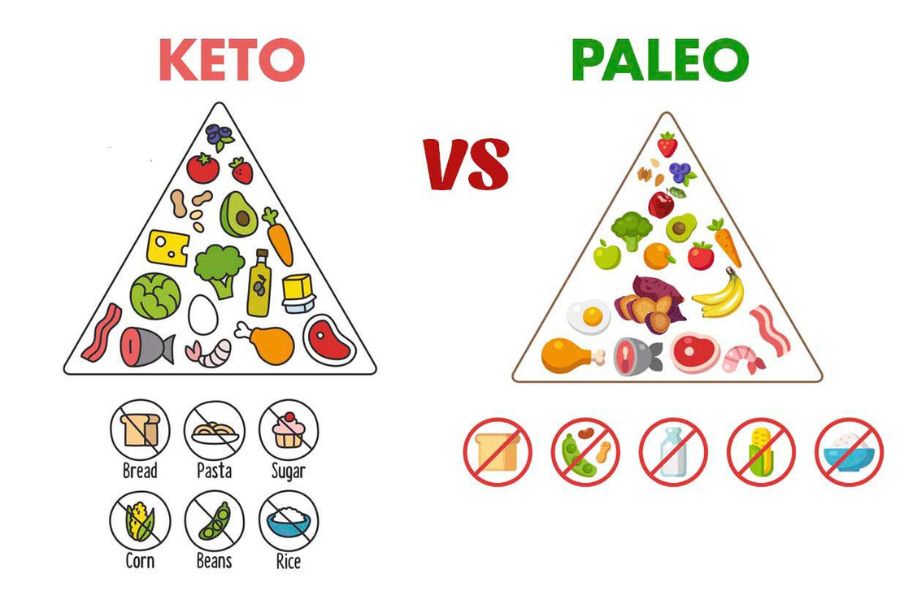
Paleo diet vs keto food rules
When you zoom in on what you actually put on your plate, you start to see clear differences between paleo and keto. The goal of this comparison is not to declare a winner, but to help you picture your daily meals.
| Food group | Paleo diet | Keto diet |
|---|---|---|
| Carbs overall | Flexible, from whole foods | Very restricted, usually under 50 g per day |
| Fruits | Allowed, especially berries and whole fruit | Mostly limited, small portions of low sugar fruit if at all |
| Starchy vegetables | Allowed, including sweet potatoes | Usually avoided because of carb content |
| Grains (wheat, rice) | Not allowed | Not allowed, too high in carbs |
| Legumes (beans, lentils) | Not allowed | Usually avoided, too many carbs |
| Dairy | Generally excluded | Often encouraged if low carb, like cheese and cream |
| Sweeteners | Natural ones like honey or coconut sugar allowed occasionally | Non-caloric sweeteners like stevia or monk fruit preferred, sugar avoided (MorningStar Family Health Center) |
Paleo narrows your choices based on whether a food is considered “ancestral” or minimally processed. Keto narrows your choices based on macronutrients, so anything that pushes carbs too high is off the table, even if it is a whole food.
How each diet supports weight loss
Both paleo and keto can help you lose weight. They simply walk you there along different paths. Understanding how they work makes it easier to choose the one that fits your habits and preferences.
With paleo, you often eat fewer calories without trying, because whole foods tend to be more filling and less energy dense. You are not drinking sugary beverages or snacking on chips and cookies, and those changes alone can reduce your total intake. Studies and clinical experience suggest paleo can decrease body mass index, waist size, blood pressure, and cholesterol, all of which add up to a lower cardiovascular risk profile (WebMD).
With keto, weight loss often starts quickly. When you cut carbs, your body uses up stored glycogen and the water that goes with it, so you see the scale shift in the first week or two. As you stay in ketosis, your body turns to stored fat for energy, which can continue the weight loss trend. Many people also notice a drop in appetite, which makes it easier to stay in a calorie deficit (Scripps Health).
Experts emphasize that regardless of diet style, the most important factor for long term weight loss is whether you can live with your plan indefinitely, not just for a month. Lasting progress comes from the way you eat most of the time, not a brief, intense phase (Scripps Health).
Health benefits and potential risks
You also want to look past weight loss and consider what each diet might do to the rest of your health, especially your heart, nutrient status, and energy levels.
The paleo diet is often described as easier to maintain and more balanced because you can include a wide range of vegetables, fruits, nuts, seeds, and lean proteins. Research and clinical observations connect paleo with weight loss, reduced blood pressure, lower cholesterol, and better blood sugar regulation, which matter if you are concerned about type 2 diabetes or cardiovascular disease (WebMD). At the same time, a very high intake of red meat and saturated fat can increase your risk of heart disease and diabetes, so food quality and variety matter.
Keto can be powerful for blood sugar control and for some neurological conditions. However, it can also lead to nutrient gaps because you are limiting grains and most fruits, which can lower your intake of selenium, magnesium, phosphorus, and vitamins B and C (WebMD). There are also concerns about potential liver and kidney strain, especially if you already have issues with these organs. Some people experience brain fog, irritability, and other cognitive symptoms when carbs are very low (WebMD).
The American Heart Association reviewed ten popular diets and rated both paleo and keto in the lowest tier for heart health, mainly because they can be high in fat without reliably limiting saturated fat, and they restrict heart supportive foods like whole grains and some fruits and legumes (American Heart Association News). They note that while these diets can produce short term weight loss, they do not appear more effective than less restrictive approaches over the long term.
Sustainability and everyday life
Your decision between paleo diet vs keto comes down to what you can imagine doing on a normal Tuesday, not just during a burst of motivation. This is where paleo often feels more forgiving.
On paleo, you can still eat a variety of vegetables, some fruit, and even the occasional natural sweetener. You do not log every gram of carbohydrate or fat. You focus on building meals around quality protein, lots of non starchy vegetables, and healthy fats like olive oil, avocado, and nuts. For many people with busy lives, this flexibility makes paleo easier to follow at restaurants, social events, and family meals (MorningStar Family Health Center).
Keto requires more precision. You usually track macros, especially at the beginning, to make sure you stay within your carb limit and maintain ketosis. Even a few high carb meals can knock you out of that state. This can feel socially awkward or stressful if you do not have full control over your food, like at parties or when traveling. Some people thrive on this level of structure, while others find it draining or hard to sustain beyond a few months (American Heart Association News).
Matching your goals to the right diet
Once you know the basics, you can match your personal goals and personality to the diet that is most likely to work for you.
If your main goals are long term weight loss, better eating habits, and a less obsessive relationship with food, a paleo or paleo inspired approach is often recommended. It supports becoming a more varied, whole foods eater without the constant mental load of macro tracking, and it tends to fit more smoothly into work, family, and social life (MorningStar Family Health Center).
If you want aggressive control over blood sugar, a fast reset for sugar cravings, or you are exploring brain health benefits from ketone fuel under medical guidance, then keto or a hybrid paleo keto style might suit you better. In this case you would still focus on whole foods, but you would keep carbs low enough for at least mild ketosis, and you would work closely with a professional to monitor your health markers (MorningStar Family Health Center).
Some people find a middle path, like the Pegan diet, which leans heavily on plants, uses paleo style rules, and reduces but does not completely eliminate starches and sugar. This can offer cardiovascular and weight benefits with less rigidity (Scripps Health).
Practical next steps before you start
Before you commit to paleo, keto, or any structured eating plan, it helps to move through a short checklist. This protects your health and your future motivation.
-
Talk with your doctor or a registered dietitian, especially if you have diabetes, heart disease, kidney or liver concerns, or a history of eating disorders. Keto is not recommended for some groups, including pregnant or nursing women, people with advanced kidney problems, and those with disordered eating histories (Scripps Health).
-
Clarify your top two or three goals. Is it weight loss, better energy, blood sugar stability, or something else Your reasons will shape which plan fits best.
-
Try a short trial period. You might spend two weeks eating paleo style whole foods without grains, legumes, or processed sugar, then notice how you feel. If you are still interested in keto, you can tighten carbs under supervision and see how your body responds.
-
Pay attention to signals beyond the scale. Energy, sleep, digestion, mood, and cravings all tell you how well a diet is working for your body, not just your weight.
If you lean toward paleo, you do not have to be perfect to benefit. Every time you swap a processed meal for a plate built around vegetables, protein, and healthy fat, you are moving in the right direction. From there, you can decide how strict you want to be and how closely you want to follow formal paleo guidelines.
You are not choosing a temporary challenge. You are designing an eating pattern that supports your health, your lifestyle, and your peace of mind. When you look at paleo diet vs keto through that lens, the right choice becomes the one you can still imagine following, with minor tweaks, several years from now.
About the Author