A paleo diet meal plan can feel complicated when you are staring into the fridge at 6 p.m. on a Tuesday. The good news is that you can keep things simple, stick to paleo guidelines, and still get dinner on the table fast. With a little structure and a few repeatable ideas, your busy weekdays do not have to push you off track.
Understand the basics of a paleo diet meal plan
Before you plan your week, it helps to know what a paleo diet meal plan actually includes and what it leaves out. Paleo is based on the idea of eating in a way that resembles what hunter gatherers might have eaten: whole, minimally processed foods with plenty of vegetables and quality protein.
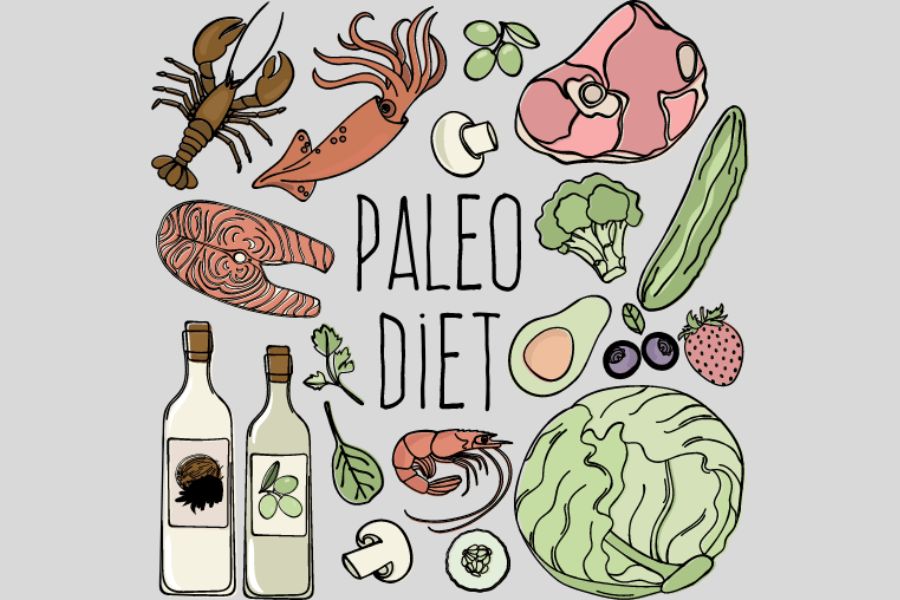
According to nutrition experts, a typical paleo meal plan centers on meat, seafood, eggs, vegetables, fruits, potatoes, nuts, healthy fats, and spices, with some people choosing grass fed meats and organic produce, although that is optional (Healthline). You avoid modern processed foods that look like they came from a factory, such as refined sugar, bread, many vegetable oils, artificial sweeteners, legumes, dairy, and gluten containing grains (Healthline).
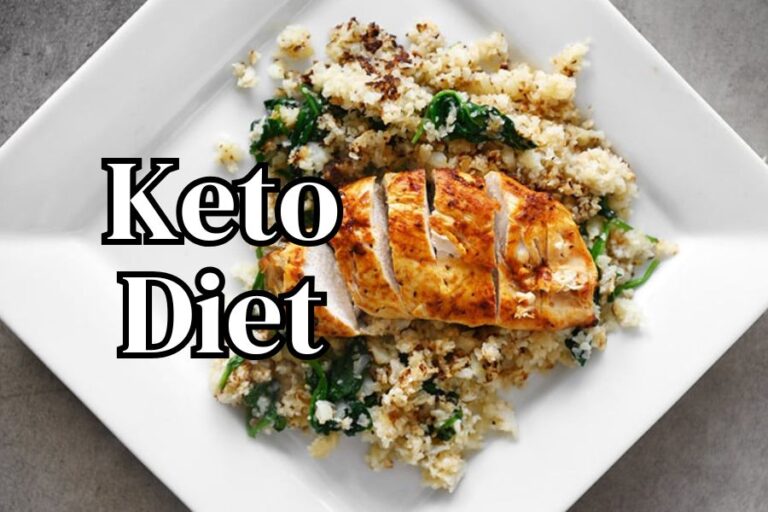
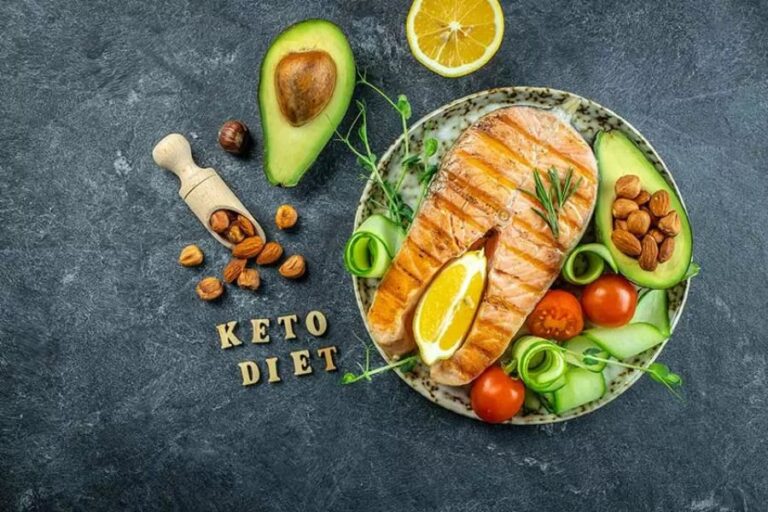
A classic plate on a paleo diet might include grilled chicken, roasted sweet potato, a large serving of leafy greens, and olive oil or avocado as a healthy fat. Once you understand that basic template, it becomes much easier to plug ingredients into quick weekday meals.
Weigh the benefits and limitations
If you are using a paleo diet meal plan to lose weight or improve your health, it helps to know what current research does and does not say. Paleo focuses on whole foods instead of ultra processed products, which may support better blood sugar control and fewer empty calories.
Short term and small scale studies suggest that a paleo diet might help with weight management and certain cardiovascular risk factors, likely because you are eating more fruits, vegetables, and lean proteins while skipping highly processed foods (Mayo Clinic). However, long term effects are not fully understood, and experts still debate how well this style of eating works over many years (Mayo Clinic).
You should also be aware of potential downsides. By excluding whole grains, legumes, and dairy, you cut out food groups that normally provide fiber, vitamins, protein, and calcium. This can raise your risk of nutrient gaps or make the diet more expensive to follow (Mayo Clinic). Some people do better with a more flexible approach, such as a modified paleo plan or a Mediterranean style pattern, which appears to offer similar heart benefits with fewer restrictions (Mayo Clinic).
Keep your plan realistic for weekdays
A paleo diet meal plan only helps if you can stick to it between work, errands, and family demands. Instead of aiming for picture perfect meals, focus on building a repeatable system that fits your schedule.
Start by choosing a simple structure for your week. For example, you might decide that breakfasts are egg based, lunches rely on leftovers or salad bowls, and dinners follow a rotation like stir fry Monday, sheet pan Tuesday, slow cooker Wednesday, and so on. Repeating themes reduces decision fatigue, which makes it easier to stay consistent.
Prepared ingredients can save you when time is tight. A sample 7 day paleo meal plan from Whole Foods Market emphasizes prepping ahead, organizing a grocery list around what you already have, and leaning on ready to eat options like rotisserie chicken or prepared salads to cut down on weekday cooking time (Whole Foods Market). You can borrow this idea by cooking extra protein on Sunday, pre chopping vegetables, or keeping a few store bought shortcuts on hand.
Think of your plan as a flexible framework, not a strict script. If a day gets hectic, you can shuffle meals or repeat a standby dinner without feeling like you have failed.
Build a simple 5 day paleo meal framework
If you are not sure where to begin, you can start with a very basic 5 day pattern and adjust it to your taste and budget. The goal is to make each meal feel familiar and doable, not gourmet.
A practical weekday structure might look like this:
-
Breakfast template
Eggs plus vegetables, with optional fruit or potatoes on heavier days. For instance, scrambled eggs with spinach and tomatoes, or an egg and veggie bake you make once and reheat. -
Lunch template
Leftovers from dinner, or a salad bowl with greens, a protein like chicken or salmon, nuts or seeds, and an olive oil based dressing. -
Dinner template
Protein, one or two vegetables, and a starchy side like sweet potatoes if you tolerate them well. This could be baked salmon with asparagus, a burger patty on lettuce with roasted carrots, or a simple chicken and veggie stir fry. -
Snack template
Quick paleo friendly options like fruit, nuts, hard boiled eggs, or cut up carrots and cucumbers. These show up repeatedly in sample paleo menus because they are portable and easy to prep (Healthline, Whole Foods Market).
Once you have these templates, you can plug in different ingredients each week. For example, swap spinach for kale at breakfast, or chicken thighs for salmon at dinner, while the basic pattern stays the same.
Plan fast paleo breakfasts
Busy mornings can derail your intentions quickly, so your paleo breakfast needs to be both convenient and satisfying. Planning two or three options that you rotate throughout the week keeps you on track without getting bored.
Eggs are a staple because they are quick, versatile, and fit the paleo guidelines outlined by major health organizations (Mayo Clinic). You might do a veggie omelet on days when you have 10 extra minutes, and pre made egg muffins packed with vegetables on days when you need to grab and go. Pair them with fruit or leftover roasted potatoes for extra energy.
If you prefer something lighter, try a paleo friendly breakfast bowl with coconut or almond milk yogurt, berries, and chopped nuts, or reheat a portion of a make ahead shakshuka, similar to the Turmeric Spiced Shakshuka featured in the Whole Foods 7 day paleo plan (Whole Foods Market). The trick is to prep at least one breakfast option ahead so that you always have a backup.
Simplify lunches with leftovers and bowls
Lunch is often where a paleo diet meal plan falls apart, especially if you usually rely on sandwiches or takeout. With a bit of planning, you can keep midday meals aligned with your goals without spending your whole Sunday cooking.
Leftovers are your easiest tool. When you cook dinner, make an extra one or two servings and immediately portion them into containers for the next day. You get a full paleo meal without any extra work. This is especially handy with dishes like chicken and veggie bowls over cauliflower rice, which appear in practical paleo menus from grocery brands (Whole Foods Market).
Salad and grain free bowls are another weekday staple. Start with a base of greens or shredded cabbage, add a protein like canned tuna, leftover steak, or hard boiled eggs, then layer on vegetables, olives or nuts, and a simple dressing of olive oil, lemon, and herbs. Keeping one or two ready made dressings and a bag of pre washed greens in your fridge can turn this into a 5 minute meal.
Focus on quick, adaptable dinners
Dinner is where you can really enjoy the variety in a paleo diet meal plan, even on a tight schedule. Instead of complex recipes, think in terms of fast cooking methods and mix and match components.
Sheet pan meals save time on both cooking and cleanup. Toss chicken thighs or fish fillets with cut vegetables like broccoli, carrots, or asparagus, coat everything with olive oil and spices, and roast until done. This method mirrors the halibut with asparagus style dinners featured in real world paleo plans, which combine lean protein and vegetables in one pan (Whole Foods Market).
Stir fries and skillet meals are just as forgiving. Brown ground beef or turkey with onions and garlic, add frozen mixed vegetables or chopped fresh ones, then season with herbs and a splash of coconut aminos if you use them. Serve over cauliflower rice or a bed of shredded lettuce. Keeping a few base proteins in your freezer means you can pull together dinner even when you forget to plan.
Stock smart snacks and drinks
Snacks can support your energy and make your paleo diet meal plan feel more sustainable, as long as you choose options that match your goals. The key is to think whole foods first and limit items that resemble the ultra processed foods you are trying to avoid.
Simple paleo friendly snacks include fresh fruit, a handful of nuts, hard boiled eggs, baby carrots, or seaweed snacks, all of which show up in sample one week paleo menus and grocery store plans (Healthline, Whole Foods Market). You might keep a small snack box at work with nuts, dried fruit without added sugar, and shelf stable bars that use minimal ingredients.
For drinks, water should be your main choice. You can also include coffee and tea, and, if it fits your lifestyle, small amounts of red wine or dark chocolate as occasional treats, as some paleo guidelines allow (Healthline). Paying attention to sugary beverages and replacing them with water or unsweetened drinks can make a big difference in both weight and blood sugar control.
Avoid common paleo meal plan mistakes
When you first switch to a paleo diet meal plan, it is easy to focus on the rules and miss how your body actually feels. Watching out for a few common pitfalls can make the transition smoother.
One frequent issue is relying too heavily on meat while skimping on vegetables. A very meat heavy paleo pattern can increase saturated fat intake, which may raise some health risks if you maintain it long term (Kevin’s Natural Foods). Aim to fill at least half your plate with vegetables at most meals, then add a moderate serving of protein and a source of healthy fat.
Another mistake is ignoring fiber and micronutrients. Since paleo excludes grains, legumes, and dairy, your intake of fiber, calcium, vitamin D, and some B vitamins can drop if you are not careful (Kevin’s Natural Foods, Mayo Clinic). You can offset this by eating a wide variety of vegetables, nuts, seeds, and, if your version allows, starchy vegetables and fruit. If you notice symptoms like constipation, fatigue, or bone concerns, talk with a healthcare provider or dietitian about whether supplements or a more flexible eating style might be a better fit.
Adjust your paleo plan to fit you
The most effective paleo diet meal plan is the one you can see yourself following next month, not just next week. That might mean using a strict version for a short reset, or choosing a modified approach that includes a few non paleo foods that sit well with you.
Some people, for example, experiment with adding small portions of gluten free grains like rice or modern foods like grass fed butter, while still keeping processed foods, refined sugar, and industrial oils out of their regular rotation (Healthline). Others find that a Mediterranean style pattern, which shares many of paleo’s whole food strengths but includes legumes and some dairy, delivers similar heart benefits with fewer restrictions (Mayo Clinic).
You can start small by planning just three paleo friendly dinners this week and packing one or two paleo lunches. Notice how you feel, what is easy, and what feels too rigid. Then adjust your plan for the next week. With each round, your weekday meals will become more automatic, and you will have a better sense of how paleo can support your weight and health goals in a way that works for your real life.
About the Author