Understand why keto weight loss can stall
If you keep asking yourself, “why am I not losing weight on keto?”, you are not alone. Keto can be a powerful way to lose weight and improve your health, but it is still affected by the same basic rule as any other approach: over time you need a calorie deficit to lose body fat.
Research on low carb and ketogenic diets shows that keto is not magic. In an 8 week study on resistance trained men, a calorie restricted ketogenic diet and a non ketogenic low carb high fat diet led to similar changes in body fat and lean mass when calories were matched (PubMed). In other words, keto does not automatically produce more fat loss than other low carb approaches if your overall energy intake is the same.
Keto can, however, make it easier to eat less because high fat, moderate protein meals tend to be more filling for many people (Perfect Keto). The key is understanding what actually slows your progress and how you can fix it without giving up.
Below, you will walk through the most common reasons you are not losing weight on keto and simple ways to jumpstart fat loss again.
Check if you are truly in ketosis
If you are not losing weight on keto, the first question is whether you are in ketosis at all.
What ketosis really means
Ketosis is a metabolic state where your body uses fat and ketones, rather than glucose from carbs, as its main fuel. You are typically in nutritional ketosis when your blood ketones measure around 0.5 to 3.0 millimoles per liter (Medical News Today).
You are more likely to reach that range when you:
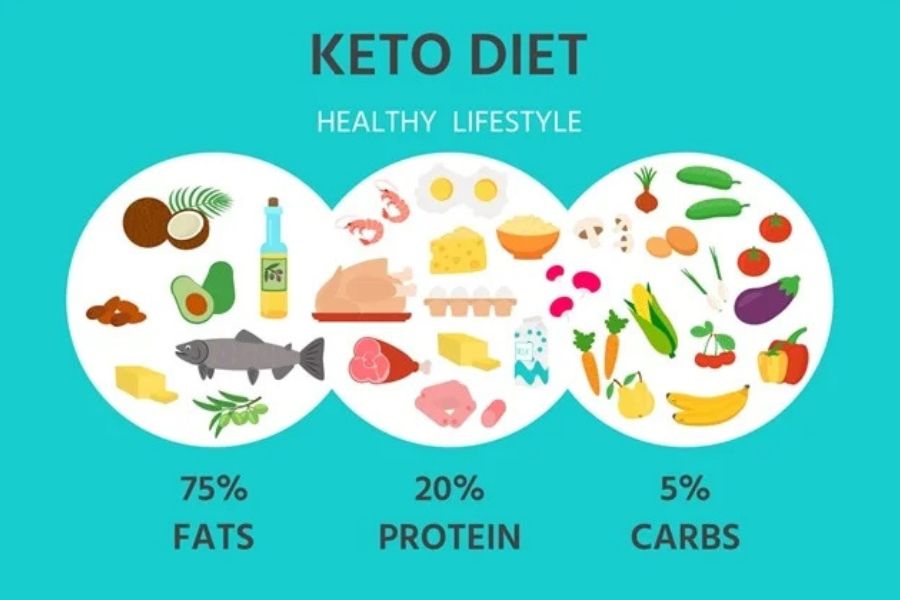
- Keep carbs low, usually about 20 to 50 grams per day or roughly 5 to 10 percent of calories (Healthline)
- Eat moderate protein, around 1.5 grams per kilogram of body weight, not unlimited amounts (Medical News Today)
- Fill in the rest of your calories with healthy fats
How to tell if you are in ketosis
Signs like reduced hunger, a different breath odor, or mental clarity can hint that you are in ketosis, but they are not always reliable. The most accurate way is to test:
- Blood ketone meters
- Breath acetone meters
- Ketone urine strips (less reliable over time but can help when you are starting)
If you test and find that your ketones are consistently low, that can explain why you are not losing weight on keto yet.
Simple fixes to reach ketosis
If you are struggling to get into ketosis:
- Tighten your carb limit to the lower end of the 20 to 50 gram range
- Measure your usual portions of higher carb foods like nuts, seeds, berries, and salads
- Double check sauces, condiments, and seasonings for added sugar or starch (Perfect Keto)
Give your body at least a couple of weeks in consistent ketosis before you judge your progress.
Look for hidden carbs that add up
You can follow keto guidelines on paper and still eat more carbs than you realize. Hidden carbs are one of the most common answers to “why am I not losing weight on keto?”.
Where hidden carbs often come from
Carbs can sneak into your day through:
- “Sugar free” or “carb free” products that use sugar alcohols
Some sugar alcohols still impact blood sugar and insulin, which can interfere with ketosis (Perfect Keto). - Sauces and condiments
Ketchup, barbecue sauce, salad dressings, and even some “healthy” marinades can contain added sugars and starches (Perfect Keto). - Seasoning blends
Spice mixes may contain fillers like maltodextrin or sugar. - Processed meats and proteins
Deli meats, sausages, and canned fish often include starch or sugar as preservatives or fillers (Perfect Keto). - Low fat or non fat dairy
When manufacturers remove fat, they often increase carbs. Full fat options usually fit keto better (Perfect Keto).
How to tighten up your carb tracking
You do not need to obsess over every bite forever, but a short “audit” can make a big difference:
- Track every ingredient for 3 to 7 days using a food log or app
- Read labels on dressings, sauces, spice blends, and packaged meats
- Swap low fat yogurt or milk for full fat versions
- Choose whole, single ingredient foods when possible
Often, shaving off 10 to 20 grams of hidden carbs is enough to get your weight moving again.
Make sure calories are not too high
It is common to hear that “calories do not matter on keto.” The reality is more nuanced. Keto can reduce your appetite, so you might naturally eat less without strict calorie counting. That said, if you regularly eat more calories than your body uses, you will not lose body fat even in ketosis (Perfect Keto).
Keto and calories in real life
High fat foods like cheese, nuts, oils, and cream are easy to overeat. They fit your carb goals, but they are also energy dense. According to several guides on keto weight loss plateaus, consuming too many calories from these foods can prevent the calorie deficit that fat loss requires (Healthline, Virta Health).
In the 8 week study mentioned earlier, both ketogenic and non ketogenic low carb diets resulted in similar fat and lean mass changes when calories were restricted, and neither group lost more by being “more keto” (PubMed). That reinforces the idea that calories still count.
When it helps to track calories
You might benefit from calorie awareness if:
- You are snacking on nuts, cheese, or “keto treats” throughout the day
- Your weight loss has stalled for several weeks
- You find it easy to keep eating even when you are not hungry
Short term tracking can give you a reality check and help you identify easy places to trim.
Easy ways to reduce calories without feeling deprived
Instead of strict dieting, focus on small changes:
- Prioritize protein first at meals to increase fullness and thermogenesis (Perfect Keto)
- Use modest amounts of added fats like oils, butter, and MCT oil instead of pouring them freely (Virta Health)
- Choose low calorie, high fiber non starchy vegetables like leafy greens, broccoli, and zucchini (Perfect Keto)
- Limit keto desserts and convenience snacks to occasional treats
These tweaks can create a meaningful calorie deficit without making your meals feel tiny.
Balance your protein and fat intake
The “more fat is always better” idea on keto can backfire. So can loading up on protein without limits.
When too much protein can be a problem
Protein is essential, especially if you want to maintain muscle while losing fat. In the 2021 study on resistance trained men, both the ketogenic and non ketogenic low carb groups preserved maximal strength while dieting (PubMed). That is encouraging if you are active.
However, very high protein intakes may reduce ketone production for some people. Virta Health notes that even small “extras,” like an additional egg or an extra ounce of nuts, can add up and affect ketones and progress (Virta Health). Healthline also points out that consuming too many carbs and too much protein can prevent entry into ketosis because excess can convert to glucose (Healthline).
When too much fat can slow fat loss
Fat is your main energy source on keto, but you still want your body to tap into stored body fat, not just the fat you eat. If you add lots of extra oils, butter, and heavy cream to already rich foods, your body may simply burn that dietary fat and have little reason to dip into your fat stores (Virta Health, Healthline).
How to find a better macro balance
You do not need perfect macros, but these guidelines can help:
- Carbs: Typically 20 to 50 grams per day or 5 to 10 percent of calories
- Protein: Around 1.2 to 1.7 grams per kilogram of your ideal body weight is a reasonable starting point
- Fat: Just enough to feel satisfied and to round out your calories
If you are not losing weight on keto, try:
- Reducing added fats like heavy cream in coffee, butter on vegetables, and oil on salads
- Keeping protein steady and moderate instead of pushing it higher and higher
- Staying within your carb limit every day rather than cycling on and off
Account for water loss and normal plateaus
When you start keto, it is common to see a quick drop on the scale in the first week or two. Much of that is water. As you use up glycogen, your body lets go of fluid. Real fat loss usually takes longer.
Why the scale might not tell the full story
Medical News Today notes that the early drop in weight on keto is mainly water, not body fat, and that true fat loss can take several weeks (Medical News Today). That means:
- A “stall” after early rapid losses can simply reflect your body shifting from water loss to slower fat loss
- Fluctuations of a few pounds up or down during the week are normal and can be caused by water, hormones, or sodium
Longer term studies support this pattern. In a one year low carb program for people with type 2 diabetes, participants lost weight rapidly for about 9 months, then spent roughly 3 months at a stable weight even while eating the same way (Virta Health). That period of stability is a common part of the process.
How to tell a true plateau from normal variation
You might be in a true plateau if:
- Your average weekly weight has not changed for at least 4 to 6 weeks
- Your measurements and clothing fit have also stayed the same
- You have been consistent with your carb intake and overall approach
If your “stall” is only a week or two long, give your body more time before you overhaul your plan.
Watch out for sleep, stress, and lifestyle factors
Your hormones and daily habits have a big impact on whether keto works for you. Sometimes the reason you are not losing weight on keto has less to do with macros and more to do with how you live outside the kitchen.
Sleep and stress
Healthline highlights that chronic stress and lack of sleep can raise cortisol, which affects appetite, increases food intake, and can promote fat storage (Healthline). Perfect Keto also notes that poor sleep and chronic stress can make it easier to overeat and harder to stick with your plan (Perfect Keto).
To support weight loss:
- Aim for 7 to 9 hours of sleep most nights
- Keep a regular bedtime and wake time
- Use simple stress management habits like walks, journaling, or short breathing exercises
- Avoid late night scrolling and bright screens before bed when you can
Movement and exercise
You do not have to do intense workouts for keto to work, but moving your body helps in several ways:
- It burns calories and can help maintain a calorie deficit
- Resistance training supports muscle preservation, which is important for your metabolism
In the 8 week study referenced earlier, strength was preserved in both keto and non keto low carb groups when resistance training was maintained (PubMed).
Start with changes that feel realistic to you:
- Add short walks after meals
- Include strength sessions 2 to 3 times a week using body weight or weights
- Choose activities you actually enjoy so you will stick with them
Alcohol and social eating
Even on keto, alcohol and social meals can quietly increase calories and carbs. Virta Health reports that as little as one or two drinks can negatively impact weight loss because alcohol adds calories, may contain carbs, and often leads to extra snacking (Virta Health).
If you feel stuck:
- Limit alcohol, at least temporarily, while you restart your progress
- Eat a satisfying keto meal before parties so you are not relying on snacks and appetizers
- Decide on your portions ahead of time when you eat out
Stay hydrated and manage electrolytes
If you feel tired, crampy, or “off” on keto, it can be harder to stay consistent, which in turn affects your results.
Why hydration matters on keto
Low carb diets cause your body to shed more water and electrolytes. Medical News Today notes that not maintaining hydration and electrolyte balance can lead to cramps, dehydration, and fatigue, which may make weight loss seem stalled or make you more likely to give up (Medical News Today).
Simple electrolyte and hydration habits
Support your body by:
- Drinking water regularly throughout the day, adjusting for your size and activity
- Adding a pinch of salt to your food or water if your doctor has not told you to limit sodium
- Including potassium rich, low carb vegetables like leafy greens and avocado
- Considering an electrolyte supplement without added sugar if you are very active or sweat heavily
Feeling better physically makes it far easier to stick with your plan long enough to see results.
Consider medical reasons and when to get support
If you have tightened your carbs, moderated calories, improved your lifestyle habits, and still find yourself asking “why am I not losing weight on keto?” it may be time to look a bit deeper.
Health conditions that can affect weight loss
Healthline points out that certain conditions can make fat loss more difficult even with a disciplined diet, including (Healthline):
- Hypothyroidism
- Polycystic ovary syndrome (PCOS)
- Cushing’s syndrome
- Depression and some medications used to treat it
- Hyperinsulinemia and other hormonal issues
If you suspect an underlying issue, speak with your doctor. Share:
- How long you have been on keto
- What you typically eat in a day
- Your current medications
- Any symptoms, such as fatigue, hair loss, mood changes, or irregular cycles
Working with a healthcare professional can help you rule out medical causes and adjust your plan safely.
Put it all together: a simple reboot plan
You do not need to overhaul everything at once. Use this as a straightforward checklist to restart your progress if you are not losing weight on keto:
- Confirm ketosis
- Keep carbs around 20 to 50 grams daily
- Test your ketones for a week if possible
- Remove hidden carbs
- Audit sauces, condiments, seasonings, processed meats, and “sugar free” snacks
- Choose full fat dairy instead of low fat where it fits your plan
- Right size your portions
- Track calories for 3 to 7 days to get a baseline
- Cut back slightly on added fats and keto treats
- Balance macros
- Keep protein moderate, not minimal and not extreme
- Use fat to feel satisfied, not as something to add endlessly
- Support your lifestyle
- Aim for consistent sleep
- Manage stress in simple, realistic ways
- Move your body often and include some resistance exercise
- Stay patient and monitor trends
- Judge progress by monthly trends, not day to day fluctuations
- Use measurements and how your clothes fit, not only the scale number
- Talk to a professional if needed
- If your weight has not budged for 6 or more weeks despite consistent effort, ask your doctor to check for underlying issues
Keto is a tool, not a test you either pass or fail. If you are wondering why you are not losing weight on keto, you now have a clearer map of what to check and what to adjust. Start with one or two changes that feel manageable, give them a few weeks, and let your results guide the next step.
About the Author