A carnivore diet before and after journey can look dramatic, especially when you focus on real people, real labs, and real tradeoffs instead of hype. If you are curious about eating only animal foods to lose weight, calm your digestion, or tackle stubborn health problems, it helps to see what has actually happened to others who tried it.
Below, you will walk through what the carnivore diet is, how your body can change over weeks and months, and what several detailed case studies reveal about both potential benefits and concerns. Use these stories as information, not as guarantees, and always keep your own health history in mind.
Understand what a carnivore diet really is
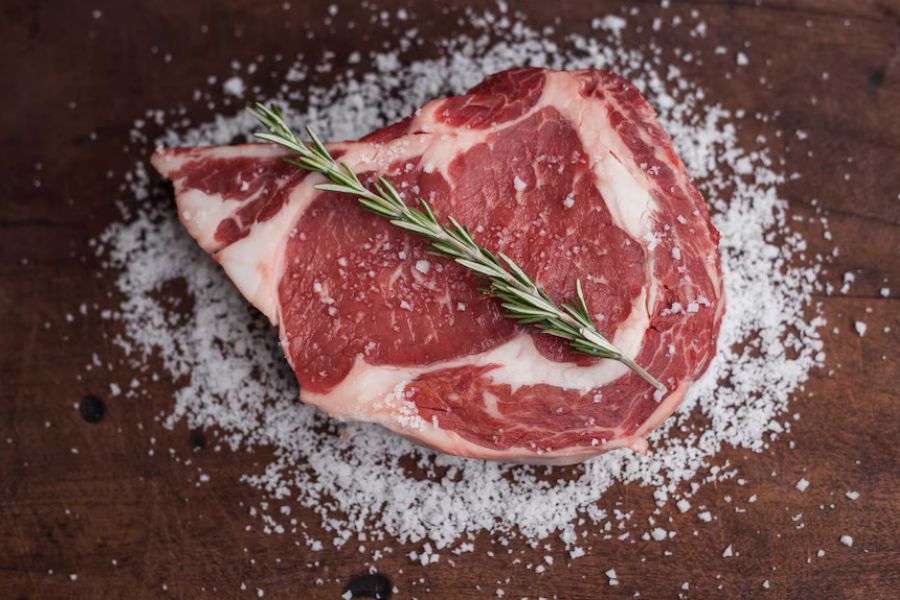
On a strict carnivore diet, you eat only animal foods. That usually means meat, fish, eggs, and sometimes dairy. Plants such as vegetables, fruit, grains, legumes, nuts, and seeds are completely removed.
In a recent one‑month experiment, a nutritionist followed a strict carnivore diet that included only meat, fish, eggs, and fermented dairy. After that, they tightened the approach even more by cutting out dairy and eating only red meat, liver, and eggs (Chief Nutrition). This is the type of protocol many people are thinking about when they search for carnivore diet before and after results.
You will also see looser versions that allow coffee, herbs, or occasional low‑lactose dairy. The stricter the version, the clearer it is which changes come from animal foods alone, but it can also be harder to stick to in everyday life.
What you might notice in the first month
The biggest shift in your first few weeks on carnivore happens in your energy systems and digestion. You are removing all dietary fiber and almost all carbohydrates, and you are relying mainly on fat and protein for fuel.
In the nutritionist’s 2025 experiment, the early phase came with mixed changes. On the one hand, they saved noticeable time and money, since meat, eggs, and dairy were simpler than buying and preparing organic vegetables, fruits, and other plant foods (Chief Nutrition). On the other hand, there was a transition period in performance and how their body felt.
If you train or run a lot, you might see something similar. That same nutritionist initially experienced a drop in running performance, especially during longer efforts. About three weeks in, they reported feeling more fat adapted. Endurance improved and they eventually completed a 50 km ultramarathon with steady energy, no usual post‑race fatigue, and no digestive distress (Chief Nutrition).
You might notice:
- Fluctuating energy as you switch from carbs to fat
- Changes in bowel habits as fiber disappears
- Cravings for sugar and starch, especially if those were daily habits
- A simpler, more repetitive meal pattern that saves time, but can feel monotonous
For some people, that simplicity is a feature rather than a bug, because it removes decision fatigue and constant snacking.
Body composition changes: fat loss and muscle
Carnivore diet before and after stories often lead with the scale, but body composition tells a more complete story. One DEXA scan from the 2025 nutritionist experiment showed that over six weeks on a strict carnivore diet they gained 1 kg of lean muscle and 1.5 kg of fat, which translated into a 2 percent increase in body fat, a slight increase in visceral fat, and a small decline in bone mineral density. The bone change raised concern, especially because they already had osteopenia (Chief Nutrition).
That snapshot shows two important points. First, you can add muscle on carnivore, because protein intake is typically high. Second, weight and fat loss are not automatic. If you eat more energy than you burn, you can gain fat even while eating only meat.
In contrast, many personal stories highlight significant fat loss, often because appetite naturally drops when meals are mostly meat. For example, a 54‑year‑old woman named Lynda lost 50 pounds and overcame 20 years of alcohol and sugar addiction in just 30 days on a 100 percent carnivore diet. She emphasized prioritizing protein over fat, which likely helped satiety and lean mass while reducing overall energy intake (The Primal).
Another person returned to a carnivore approach after a severe car accident and 9 months of recovery. Once back on plan, they lost 30 pounds in about 2.5 months and were able to stop daily pain medications as pain levels dropped and energy increased (The Primal).
Your own before and after will depend on how much you eat, which cuts you choose, and how active you are. High‑fat ribeye meals all day long will land differently on your body than leaner cuts with eggs and seafood.
Hormones, blood tests, and internal health markers
Beyond the mirror, you may be most interested in how your labs respond to a carnivore diet. In the 2025 nutritionist case, blood tests after five weeks on carnivore showed improved hormone levels and better iron saturation. Some markers, such as elevated liver enzymes and C‑reactive protein, were higher, but doctors attributed those to a very recent ultramarathon effort rather than the diet itself, and considered them normal in that context (Chief Nutrition).
Another carnivore dieter tracked several cardio‑metabolic markers over about 50 days. Starting on September 1, they reduced their weight from 187 pounds to 177 pounds, lowered blood pressure from 190/104 to 124/69, and dropped blood glucose from 8.7 to 6.4. They were also able to discontinue five medications, including those for cholesterol, thyroid, GERD, IBS, and nerve pain (The Primal).
These are striking changes, but they are still individual examples. Your thyroid, cholesterol profile, and blood sugar may respond differently, especially if you have existing medical conditions or are on multiple medications. If you try carnivore, it is wise to work with a clinician who can monitor labs a few times in the first months and help you interpret patterns rather than single numbers.
Gut health and digestion: what happens without fiber
One of the biggest questions you might have is what happens to your gut microbiome if you stop eating plants entirely. Common advice says you need fiber to feed your beneficial bacteria. Yet in the 2025 nutritionist experiment, gut microbiome testing after four weeks on carnivore told a more nuanced story.
Before starting, their gut profile was dominated by Firmicutes, which is often considered less favorable. After four weeks of eating only animal foods and no fiber at all, their microbiome shifted toward a higher ratio of Bacteroidetes, which is usually seen as more favorable in research contexts (Chief Nutrition).
This does not mean fiber is bad or that everyone will respond the same way. It does show that the microbiome can adapt significantly to an all‑animal pattern, and it may not automatically deteriorate. Symptom‑wise, many people who had struggled with digestive pain or IBS‑type symptoms report less bloating, fewer urgent trips to the bathroom, and a calmer gut on carnivore.
One person with severe IBS, mood disorders, and chronic pain experienced complete remission of their chronic conditions and lost 25 pounds within 60 days on a carnivore diet that cut out seed oils, vegetables, and salads. They also reported higher energy and even competed in bodybuilding after that shift (The Primal).
If you deal with IBS, SIBO, or ongoing gut upset, that kind of relief may be what draws you to carnivore in the first place.
Mood, cravings, and mental health shifts
Many carnivore diet before and after accounts focus as much on the brain as on the body. The 54‑year‑old woman mentioned earlier did not just lose weight. She also overcame long‑standing alcohol and sugar addiction and found relief from severe menopause symptoms, including hot flushes, night sweats, and stubborn belly weight. She credits a focus on protein first for stabilizing appetite and cravings (The Primal).
Another story comes from a New York kindergarten teacher who had struggled with lifelong SIBO and insomnia. Within 90 days of starting carnivore, she reported that her SIBO had healed and her sleep normalized. She was able to wake at 4:30 in the morning feeling energized and no longer trapped in a cycle of poor rest and poor digestion (The Primal).
These experiences suggest that for some people, removing a wide range of plant compounds, processed foods, and blood sugar swings can calm the nervous system and improve sleep and mood. You might find that a repetitive, predictable menu helps you feel more in control, especially if you used food as a way to cope with stress.
At the same time, a very restrictive diet can feel isolating in social situations. Eating out is harder. Shared meals with family may require more planning. Emotional comfort from favorite foods goes away, which can be freeing or challenging depending on your relationship with eating.
Performance, endurance, and daily energy
If you are active, you probably wonder how a zero‑carb or very low‑carb plan will affect your workouts. As mentioned earlier, the 2025 nutritionist saw an initial dip in running capacity. This is a common experience when your body is used to carbs and suddenly has to rely more heavily on fat and ketones.
After roughly three weeks, that same runner felt more fully fat adapted. They went on to complete a 50 km ultramarathon on the carnivore diet, reporting steady energy, no typical crash, and no digestive issues, which can be a big advantage in long events (Chief Nutrition).
You might notice:
- Short‑term drop in sprint power or high‑intensity bursts
- Gradual improvement in steady‑state endurance as fat use improves
- Less need for snacks or sports gels during long sessions
- Clearer sense of hunger, rather than constant grazing
How far you want to push this will depend on your sport, training volume, and how you feel during the adaptation curve.
Potential benefits and real concerns
Carnivore diet before and after stories can be inspiring, but you also need to keep an eye on what could go wrong, or at least what you should track.
A quick way to compare some of the reported changes is in the table below.
| Area | Reported benefits | Reported concerns or unknowns |
|---|---|---|
| Weight & body comp | 50 lbs lost in 30 days in one case, 25 lbs in 60 days in another, 30 lbs in 2.5 months after injury in a third (The Primal) | In one 6‑week trial, body fat and visceral fat increased slightly despite carnivore eating (Chief Nutrition) |
| Hormones & labs | Improved hormone and iron saturation levels after 5 weeks (Chief Nutrition), large drops in blood pressure and blood glucose plus stopping several medications in another report (The Primal) | Mild rise in liver enzymes and CRP in one case, likely from intense exercise, small drop in bone mineral density that raised concern in someone with osteopenia (Chief Nutrition) |
| Gut & digestion | Shift from an unfavorable Firmicutes‑dominant microbiome to a more favorable higher Bacteroidetes ratio after 4 weeks with no fiber, improved IBS and SIBO symptoms in multiple stories (Chief Nutrition, The Primal) | Long‑term microbiome effects without fiber are not well studied, some people may experience constipation or temporary digestive discomfort during transition |
| Pain & energy | Less chronic pain, reduced or eliminated pain meds, more consistent daily energy in several accounts (The Primal) | Social restrictions, food monotony, potential nutrient gaps if food choices are not varied within the animal kingdom |
You can use this type of comparison to decide which outcomes matter most to you and which risks you are willing to monitor and manage.
How to approach your own carnivore experiment
If you decide to try carnivore, treat it as a structured experiment, not a permanent identity from day one. You might pick a clear timeline such as 30 or 60 days. Before you start, get baseline measurements. That might include weight, waist circumference, blood pressure, and, if possible, labs for blood sugar, lipids, iron, and basic liver and kidney function.
During your trial, keep your plan simple. Choose a few staple foods, such as beef, eggs, seafood, and a form of dairy if you tolerate it. Pay attention to how much you are eating rather than assuming carnivore equals automatic fat loss. If your goal is weight loss, you may lean a bit more on protein‑rich, slightly leaner cuts and let fat follow your appetite, similar to what Lynda did when she prioritized protein intake (The Primal).
As you go, track:
- Energy levels, mood, and sleep
- Digestive changes
- Cravings and how easy it is to stick with meals
- Exercise performance and recovery
At the end of your chosen period, repeat your measurements and compare your own before and after, both in numbers and in how you feel. If you see meaningful improvements with minimal downsides, you might continue, add back a few foods slowly, or shift to a less restrictive low‑carb pattern.
If some markers move in the wrong direction, such as concerning lab changes or worsening symptoms, you can adjust earlier or stop and rethink.
Bringing it all together
Carnivore diet before and after transformations can be impressive. The stories you have seen range from major weight loss and improved blood pressure to remission of gut symptoms, stronger endurance, and a quieter mind. You have also seen that not every metric automatically improves. Bone density, visceral fat, or specific labs might move in directions you do not want, especially if you have existing health issues.
Use these case studies as raw material to design your own careful, time‑limited experiment. Work with a health professional if you can, listen closely to your body, and remember that any diet is a tool. The best version of carnivore for you is the one that improves your health, fits your life, and remains flexible enough to adjust as your needs change.
About the Author