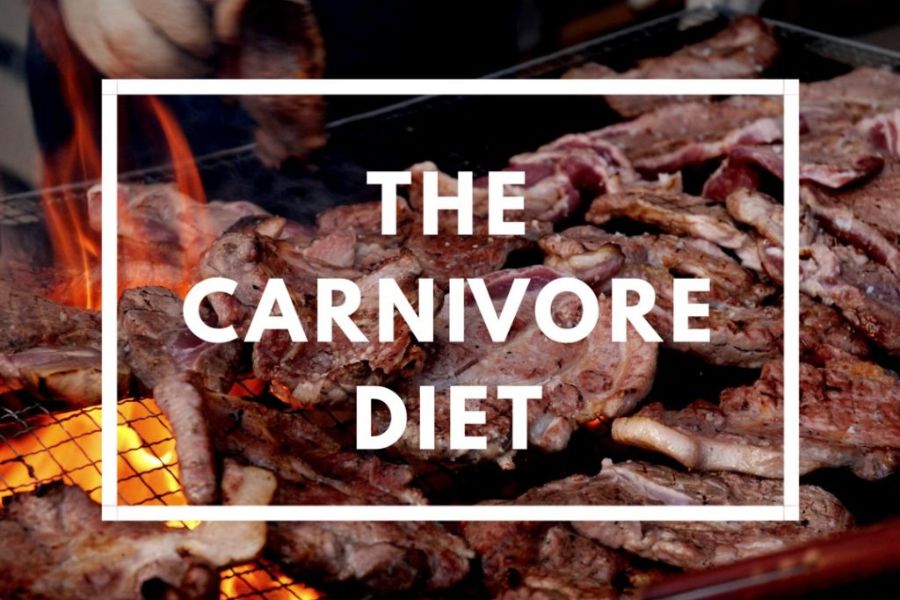
A carnivore diet meal plan promises simplicity. You eat animal foods, skip everything else, and in theory your body burns fat more efficiently. If you are curious whether this way of eating can help you lose weight and feel better, it helps to understand how it works, what you actually eat in a week, and where the risks sit.
Below, you will find a clear, practical guide to a carnivore diet meal plan for weight loss, along with important cautions from medical sources so you can make a more informed choice.
Understand what the carnivore diet really is
At its core, a carnivore diet meal plan is an all‑animal, zero‑carb approach. You focus on:
- Meat, especially beef, pork, and lamb
- Fatty fish and seafood
- Eggs
- Animal fats and sometimes full‑fat dairy
Everything plant based is removed. That includes fruits, vegetables, grains, legumes, nuts, seeds, sugars, and most processed foods (WebMD, Cleveland Clinic).
Supporters often aim for foods like grass‑fed steaks, fatty fish, eggs, bone marrow, and small amounts of low‑lactose dairy to keep carbs close to zero and trigger ketosis, where your body uses fat and ketones for fuel instead of glucose (Chomps).
In other words, you are not just low carb, you are essentially no carb.
How a carnivore diet may support weight loss
If you are looking at a carnivore diet meal plan mainly for weight loss, you are probably wondering why it works for some people. Several factors tend to show up in personal reports and early research.
Ketosis and fat burning
By cutting carbohydrates almost completely, you push your body toward ketosis. In ketosis, your liver turns fat into ketones, which your cells can use instead of glucose. This shift can:
- Encourage your body to tap into stored body fat
- Provide steadier energy for some people
- Reduce blood sugar swings that can trigger cravings
Carnivore fans often describe feeling less hungry overall, which naturally reduces calories without tracking every bite (Chomps).
High satiety from protein and fat
Meat, fish, and eggs are dense in protein and fat. This combination tends to keep you full, especially compared with refined carbohydrate foods that digest quickly. When you feel satisfied for longer, you are less likely to snack mindlessly.
Some followers also report increased strength and muscle mass due to higher protein intake, which can support a healthier metabolism if paired with resistance training (Chomps).
Fewer processed foods by default
When you eliminate grains, sugars, seed oils, and most packaged items, you automatically remove a lot of typical ultra‑processed snacks. For many people, this alone cuts out a major source of excess calories and low‑quality ingredients and may lower inflammation compared to a standard Western diet (Chomps).
Reported benefits and early data
Supporters often describe:
- Rapid weight loss
- Reduced joint pain and inflammation
- Better mental focus and calmer mood
- Improved sleep and energy
A survey of more than 2,000 adults who followed a carnivore diet for 9 to 20 months found self‑reported drops in BMI, better energy, improved memory and focus, and less medication use in people with diabetes (Chomps).
However, this survey relied on self reports and did not include clinical lab tests or control groups, so you cannot treat it as proof of safety or effectiveness. Large, long‑term trials are still missing (Cleveland Clinic).
Know the major health risks and limitations
Before you build a carnivore diet meal plan for weight loss, you need to see the other side. Medical organizations are cautious or strongly skeptical of this eating pattern.
Potential nutrient gaps
Because you avoid all plant foods, you lose major sources of:
- Vitamin C and many B vitamins
- Fiber that feeds your gut bacteria
- Antioxidants and phytonutrients that support heart and brain health
Experts warn that this can increase your risk of digestive issues, heart disease, and some cancers over time (Cleveland Clinic, Inspira Health Network). Vitamin C deficiency and low fiber are two particular concerns in strict carnivore plans (Chomps).
High saturated fat and sodium
Relying heavily on fatty red meats, processed meats, and salty foods can push your saturated fat and sodium intake very high. This pattern may increase your risk of stroke, kidney problems, and cardiovascular disease, especially if you already have risk factors (Chomps, WebMD).
Gut health and digestion
Without fiber, your gut bacteria have little to feed on. Over time this can change your microbiome in ways that may not support long‑term health and can lead to constipation or irregular digestion (Cleveland Clinic, Inspira Health Network).
Many nutrition specialists point out that plant foods such as vegetables, fruits, and whole grains provide fiber and phytonutrients that support heart health and digestion, and that removing them completely is hard to justify based on current evidence (Inspira Health Network).
Limited long‑term data
Perhaps the biggest issue is that the long‑term health effects of a carnivore diet are not well studied. Anecdotes are positive for some people, but robust scientific research is limited and inconclusive (Cleveland Clinic). Registered dietitians at Cleveland Clinic and other institutions generally advise against carnivore and instead recommend balanced diets that include fruits, vegetables, grains, and lean proteins (Cleveland Clinic, WebMD).
Because of these risks, it is important to speak with your doctor or a registered dietitian before starting, especially if you have heart disease, high cholesterol, kidney issues, diabetes, or any chronic condition (Inspira Health Network).
What you actually eat in a carnivore week
If you decide to experiment with a carnivore diet meal plan after consulting a professional, it helps to see what a realistic week can look like. Plans often feature fatty cuts of meat and fish to keep you in ketosis and feeling full (Chomps, WebMD).
Here is a sample day for context:
Example day on a carnivore diet meal plan
Breakfast: Steak and eggs cooked in butter
Lunch: Grilled salmon with a side of pork belly
Snack: Sardines or hard boiled eggs
Dinner: Ribeye steak or ground beef patties with cheddar cheese
Across a week, you might rotate:
- Beef: ribeye, ground beef patties, short ribs, oxtail
- Pork: bacon, pork chops, pork shoulder
- Poultry: chicken thighs, turkey, chicken wings
- Fish: salmon, mackerel, sardines, white fish
- Eggs: fried, scrambled, or omelets with cheese
- Organ meats: liver, heart, kidney, bone marrow for extra micronutrients (The Primal)
Some guidelines allow full‑fat dairy like cheese and yogurt, along with spices, herbs, and condiments for flavor, while very strict versions limit or exclude these and even recommend dropping coffee and tea (WebMD, Primal Kitchen).
Smarter ways to structure your carnivore plan
If you and your healthcare provider decide to trial a carnivore diet meal plan for weight loss, you can reduce some risks and discomfort with a more thoughtful approach.
Prioritize variety, not just steak
Relying only on steak or ground beef is tempting but does not give you the full spectrum of nutrients available from animal foods. You can improve your nutrient intake by:
- Including organ meats like liver, heart, and kidney a few times per week, which are rich in vitamins and minerals and often cheaper than prime cuts (The Primal)
- Adding seafood such as salmon, sardines, and mackerel for omega‑3 fats that support heart and brain health (WebMD)
- Choosing a mix of fattier and leaner cuts instead of only processed meats
If you are concerned about saturated fat, you can skew more toward skinless chicken, leaner beef, and fish, while still keeping enough fat to feel satisfied (WebMD).
Manage electrolytes and hydration
When you drop carbohydrates suddenly, your body flushes water and electrolytes, which can leave you with headaches, fatigue, or muscle cramps in the first week. To ease this transition, you can:
- Salt your food more generously
- Drink water regularly throughout the day
- Consider supplements or electrolyte drinks that provide sodium, magnesium, potassium, and calcium, if approved by your healthcare provider (The Primal)
This step often makes the difference between a miserable first week and a manageable one.
Plan your meal timing
Some carnivore followers combine the diet with intermittent fasting. While one meal a day might sound efficient, it can be stressful on your body and sleep. A more moderate pattern is usually easier to sustain.
Eating at least two meals per day within a 6 to 8 hour eating window tends to work better for nutrient absorption and sleep quality than squeezing everything into a single large meal (The Primal). Also try to finish heavy meat meals 3 to 4 hours before bedtime or choose lighter proteins like fish or eggs later in the day to protect sleep (The Primal).
Consider a more flexible version
Not every carnivore‑style plan is 100 percent meat. Some versions include:
- Eggs and full‑fat dairy
- Herbs, spices, and condiments
- Small amounts of low‑carb vegetables
This kind of approach might offer more variety and slightly lower risk while still feeling very low carb and simple (Primal Kitchen). If your main goal is weight loss and better blood sugar control, a less extreme low‑carb or keto plan that includes vegetables is usually more aligned with expert recommendations.
Is a carnivore diet right for your weight loss goals?
A carnivore diet meal plan can absolutely lead to short‑term weight loss and may bring improvements in energy, focus, and hunger control for some people. The simplicity of eating only animal foods can also feel strangely freeing, at least for a while.
At the same time, you are taking on a very restrictive way of eating that cuts out entire food groups known to support long‑term health. Major health organizations caution against using the carnivore diet as a long‑term solution, especially without medical supervision (Cleveland Clinic, WebMD, Inspira Health Network).
If you are still curious, you can:
- Talk with your doctor or a registered dietitian about your goals and medical history.
- Decide together on a timeframe, for example a short monitored trial instead of an open‑ended commitment.
- Plan regular check‑ins and blood work if you stay on it beyond a few weeks.
Your weight loss journey should not come at the cost of your long‑term health. Use the information and examples here as a starting point, not a final prescription, and build a plan that fits both your goals and your overall well‑being.
About the Author