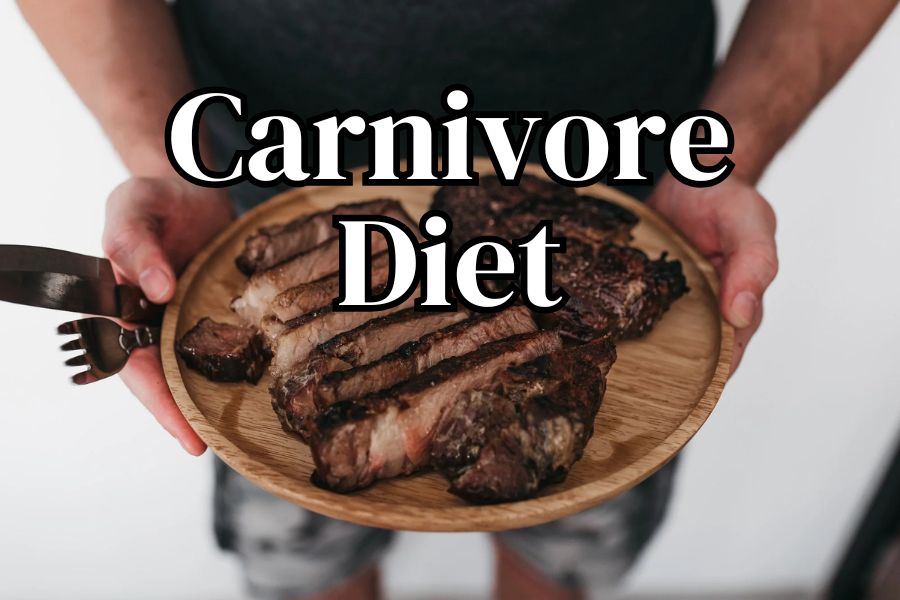
A carnivore diet can look refreshingly simple at first. You eat meat, fish, eggs, and a bit of dairy, and you skip all carbs and plant foods. That simplicity is exactly why many people turn to it for weight loss or to calm nagging health issues. At the same time, such a restricted way of eating carries real risks, so it helps to understand the most common carnivore diet side effects before you decide if it fits your goals.
Below, you will learn what you might feel in the first few weeks, what could happen if you stay on a carnivore diet long term, and which potential benefits people report. You will also see what current research says and where the evidence is still very thin.
What the carnivore diet actually is
On a true carnivore diet, you only eat animal foods. That usually means:
- Meat, including beef, pork, lamb, and poultry
- Fish and seafood
- Eggs
- Some dairy, especially cheese and butter, if tolerated
You do not eat fruits, vegetables, grains, legumes, nuts, seeds, or added sugars. In practice, this is a “zero carb” diet that is very high in protein and saturated fat and essentially devoid of fiber and plant nutrients (Baylor Scott & White Health, Cleveland Clinic).
Because you cut entire food groups, your body has to adapt. That is where many of the early side effects show up.
Short term carnivore diet side effects
During the first days and weeks, you might notice changes as your body shifts from using carbohydrates to mostly fat and protein for fuel. Some people call this an adaptation or transition phase.
Common short term carnivore diet side effects include:
- Constipation or diarrhea
- Nausea or reduced appetite
- Strong cravings for carbs or sweets
- Muscle cramps
- Bad breath
- Irritability or mood changes
- Headaches and brain fog
- Heart palpitations or a racing heartbeat
These early symptoms are widely reported by people starting the diet and are linked to big shifts in fluid balance, electrolytes, and gut function (Carnivore Snax).
Why your digestion changes so quickly
One of the first things you will notice is a change in bowel habits. This makes sense once you realize how much your gut depends on fiber.
Fiber from plants feeds your gut bacteria. They use it to produce short chain fatty acids such as butyrate, which help maintain a healthy gut lining and support immunity (The Gut Health Doctor). When you remove fiber overnight, your microbiome can go through what researchers describe as a kind of “shock.”
You may experience:
- Diarrhea as your gut reacts to a sudden increase in dietary fat
- Constipation from the complete lack of fiber and changes in motility
Some people find that these issues settle down as their body adapts, particularly if they pay close attention to hydration and electrolytes (Carnivore Snax). Others continue to struggle, which is one reason major health organizations remain cautious.
Electrolytes, headaches, and low energy
When you stop eating carbs, your insulin levels drop and your body sheds water. With that water loss, you also lose sodium, potassium, and magnesium. If you do not replace them, you are more likely to feel:
- Headaches
- Dizziness or lightheadedness
- Muscle cramps
- Fatigue and difficulty concentrating
Advocates often recommend generous salt intake and, in some cases, supplements such as magnesium and potassium to reduce these symptoms (Carnivore Snax). Even so, if you have heart, kidney, or blood pressure issues, you should be especially careful and work closely with your doctor.
Longer term digestive and gut side effects
Once you get past the first several weeks, the more serious questions tend to focus on your gut health over months and years.
Fiber, microbiome, and colon cancer risk
On a carnivore diet you do not eat any dietary fiber. That is more significant than it might sound. Fiber helps:
- Reduce LDL or “bad” cholesterol
- Promote regular bowel movements and prevent constipation
- Feed beneficial gut bacteria that support immunity
- Lower the risk of heart and circulatory disease
The British Heart Foundation highlights that the total absence of fiber on a carnivore diet removes a key nutrient linked with lower heart and circulatory risk and better digestion (British Heart Foundation). Baylor Scott & White Health notes that while losing fiber may briefly reduce gas and bloating, over time it can lead to constipation, other digestive problems, and a higher risk of colon cancer (Baylor Scott & White Health).
Gut specialists also worry about the impact on your microbiome. Without fiber, the diversity of your gut bacteria can drop, which is linked with poorer digestion, reduced immune resilience, and even mood changes in some research (The Gut Health Doctor).
If you already have digestive issues, you might feel better in the short term because you have removed trigger foods. The challenge is that the underlying ecosystem in your gut may be growing less resilient over time.
Nutrient deficiencies and organ strain
Any diet that cuts out entire food groups carries a risk of missing key vitamins and minerals. With carnivore, this concern shows up consistently across mainstream medical sources.
Vitamins and minerals you might miss
The Cleveland Clinic points out that removing fruits, vegetables, and whole grains makes nutrient deficiencies more likely, simply because these foods supply many vitamins, minerals, and antioxidants your body needs (Cleveland Clinic).
Baylor Scott & White Health notes that you may become low in:
- Vitamin A
- Vitamin C
- Some B vitamins
Animal foods do contain many nutrients, and organs like liver are very rich in vitamin A and some B vitamins. However, vitamin C and several other plant based antioxidants are harder to get in sufficient quantities when you avoid plants completely (Baylor Scott & White Health).
A survey of 2,029 adults who had followed a carnivore diet for a median of 14 months found that self reported adverse symptoms related to possible deficiencies were relatively low, ranging from less than 1 percent to 5.5 percent depending on the symptom (Current Developments in Nutrition). That may sound reassuring at first glance, but the study relied entirely on self reports and excluded people who had already quit the diet because of negative effects, so the results come with important limitations.
Kidney and liver load from heavy protein intake
The carnivore diet is very high in animal protein, which can place extra stress on your kidneys and possibly your liver. Baylor Scott & White highlights that this is particularly concerning if you already have kidney issues or other chronic health conditions (Baylor Scott & White Health).
If you are otherwise healthy, your body can usually handle higher protein intake. The uncertainty lies in how safe it is to push that intake to extremes for many years, especially when it is combined with a lot of saturated fat and little to no fiber.
Heart health and cholesterol concerns
For many health professionals, the biggest red flag with a long term carnivore diet is its effect on your heart and blood vessels.
Saturated fat, red meat, and LDL cholesterol
On carnivore, your main foods, particularly red and processed meats and high fat dairy, are high in saturated fat and cholesterol. Several independent sources note risks tied to this pattern:
- The British Heart Foundation explains that a high intake of saturated fats can increase non HDL cholesterol, while the high salt content of processed meats can elevate blood pressure. Both raise your risk of coronary heart disease, heart attack, and stroke. The NHS therefore advises limiting red and processed meat to no more than 70 grams daily (British Heart Foundation).
- Analyses cited by Medical News Today from the American College of Cardiology found that higher red meat consumption is associated with increased cardiovascular disease and all cause mortality (Medical News Today).
In a 2020 survey of carnivore diet followers, median LDL cholesterol levels were markedly elevated at 172 mg/dL, while HDL and triglycerides looked favorable. Researchers suggested that this pattern might represent a particular cardiometabolic “subtype,” but they also stressed that the long term cardiovascular implications are unknown (Current Developments in Nutrition).
In other words, even if some markers look good on paper, persistently high LDL cholesterol remains a concern for heart health.
Why experts recommend more balanced patterns
Across multiple organizations you see the same bottom line: short term benefits are possible, but the long term heart risks are not well understood and may be significant.
- Baylor Scott & White Health warns that high saturated fat and cholesterol intake typical of the carnivore diet can promote plaque buildup in your arteries and raise your risk of heart attack and stroke. They describe the diet as less safe than more balanced, evidence backed options like the Mediterranean or DASH diets (Baylor Scott & White Health).
- Medical News Today reports that experts generally advise a balanced diet including fruits, vegetables, whole grains, dairy, and protein rather than an all meat regimen, especially if you already have elevated cholesterol or a history of heart disease (Medical News Today).
- The Cleveland Clinic dietitian quoted in their review recommends against trying the carnivore diet at all and instead supports a varied whole food pattern with plenty of plants and lean proteins (Cleveland Clinic).
If you are considering carnivore and you have any cardiovascular risk factors, it is essential to involve your healthcare team and monitor your lab work closely.
Potential positive effects people report
Despite the risks, you might be drawn to a carnivore diet because you have heard dramatic success stories. Some people do describe:
- Rapid weight loss
- Improved blood sugar control
- Less joint pain and inflammation
- Better mental clarity or mood
- Fewer digestive flare ups in the short term
A 2021 survey of 2,029 self selected carnivore followers found that 95 percent reported improved overall health and 69 percent reported better control of chronic conditions (British Heart Foundation, Medical News Today). However, this study relied on social media recruitment and self reports, excluded people who might have quit because of problems, and did not verify results with medical testing. That means you should treat it as interesting, but not as strong proof.
Health organizations also caution that many benefits can come simply from:
- Cutting ultra processed foods and added sugars
- Eating more protein, which is filling
- Paying closer attention to what you eat
All of these changes can be achieved with less extreme and more sustainable eating patterns.
Practical tips if you still want to try carnivore
If you decide that you want to experiment with a carnivore diet in spite of the potential side effects, you can take steps to lower some of the risk.
- Talk with your doctor first, especially if you have heart disease, diabetes, digestive conditions, or kidney issues.
- Consider a time limited trial, for example 30 to 60 days, instead of treating carnivore as your permanent way of eating.
- Favor minimally processed meats and include fish and seafood regularly rather than relying only on red and processed meats.
- Pay attention to hydration and electrolytes to reduce headaches, cramps, and fatigue (Carnivore Snax).
- Work with a knowledgeable clinician to monitor cholesterol, kidney function, and nutrient status if you stay on the diet for more than a brief period.
You can also explore less restrictive “animal focused” or low carb diets that still include some non starchy vegetables and low sugar fruits. These patterns can offer many of the same benefits while providing more fiber and micronutrients.
If a diet works only while you are on it and is very hard to sustain, it may not be the best long term solution for your health or your weight.
Key takeaways
- A carnivore diet removes all plant foods and relies solely on animal products, which makes it very low in carbs and fiber and very high in protein and saturated fat.
- Common short term side effects include digestive changes, headaches, fatigue, bad breath, and muscle cramps as your body adapts to a different fuel mix.
- Longer term risks involve nutrient deficiencies, increased LDL cholesterol, potential strain on the kidneys, reduced gut microbiome diversity, and a higher risk of heart and colon disease according to multiple medical sources (Baylor Scott & White Health, British Heart Foundation, Cleveland Clinic).
- Some people do report weight loss and symptom relief, but current research is limited, heavily self reported, and does not prove long term safety.
- If you are tempted to try carnivore, you will get the safest experience by involving your healthcare team, keeping your trial time bound, and staying open to more balanced, evidence backed ways of eating that support your health for years, not just weeks.
About the Author