Understand how diet and weight control really work
When you think about diet and weight control, it is easy to focus on single numbers like calories or the reading on your scale. In reality, your body is running a complex energy system every minute, even when you are resting.
Your weight mainly comes down to one core idea: the balance between the calories you eat and drink and the calories you burn through daily living and intentional activity (Mayo Clinic). If you consistently eat fewer calories than your body uses, you lose weight. If you eat more, you gain.
A few key players in this process:
- Basal metabolic rate (BMR): The calories you burn at rest to keep you alive, for things like breathing, circulation, and cell repair. Muscle mass is one of the main factors that influence your BMR as of 2024 (Mayo Clinic).
- Physical activity: Exercise plus all your daily movement.
- Nonexercise activity thermogenesis (NEAT): The energy you burn from everything that is not formal exercise, such as walking to the store, doing housework, gardening, or even fidgeting. NEAT can account for about 100 to 800 calories a day, which can make a big difference over time (Mayo Clinic).
Slow metabolism is rarely the main cause of weight gain, unless you have a medical condition like Cushing syndrome or hypothyroidism (Mayo Clinic). Most often, your weight reflects patterns in eating, movement, and sleep that add up over weeks and months.
Set safe, realistic weight loss goals
If you want to improve diet and weight control, your plan should feel doable for months and years, not just a few weeks.
Health experts generally recommend:
- Aim for gradual weight loss of about 0.5 to 2 pounds per week (Mayo Clinic).
- Create a daily calorie deficit of about 500 to 750 calories to lose roughly 1 to 1.5 pounds per week, if that is appropriate for your body and health status (Mayo Clinic, Mayo Clinic).
Even a 5 percent loss of your starting weight can improve blood pressure, blood sugar, cholesterol, sleep apnea, and other metabolic problems (NCBI Bookshelf). That means you do not need a dramatic transformation to see real health benefits.
Before you begin any weight loss program, it is a good idea to talk with your health care provider about:
- Medications that might affect your weight
- Any medical conditions that need attention
- Safe types and amounts of exercise for your current fitness level (Mayo Clinic)
Focus on food quality, not just calories
Calories matter, but they are only part of the story. The quality of what you eat affects how full you feel, how many calories you end up consuming, and how your metabolism responds.
Choose a balanced, nutrient‑dense pattern
A sustainable eating pattern for diet and weight control typically includes:
- Plenty of vegetables and fruits
- Whole grains
- Lean protein sources such as poultry, fish, beans, and lentils
- Low‑fat dairy, if you tolerate it
- Nuts and seeds in moderate portions
- Limited alcohol, sugary drinks, and sweets that add calories without many nutrients (Mayo Clinic)
Several eating styles fit these ideas and support healthy weight loss:
- Mediterranean diet
- DASH diet
- MIND diet
- Nordic diet
These approaches emphasize plant foods, healthy fats, low sodium, and minimally processed ingredients. They are linked with lower risks of heart disease, diabetes, depression, cognitive decline, and some cancers, in addition to weight loss benefits (Harvard Health).
Why ultra‑processed foods are a problem
Highly processed foods can disrupt your natural fullness signals. In a 2019 study, people eating ultra‑processed foods consumed about 500 more calories per day and gained weight, even though the processed and unprocessed diets had the same calories and nutrients on paper (Harvard Health Publishing).
When you can, try to:
- Cook with basic ingredients such as vegetables, whole grains, and simple proteins
- Limit packaged snacks, fast food, and sugary drinks
- Replace refined grains with whole grains
This does not have to be perfect. Even shifting one meal or snack a day toward less processed options can make a noticeable difference over time.
Use calorie reduction in a realistic way
You do not have to track every bite forever to manage diet and weight control effectively. Instead, you can combine smart calorie cuts with attention to hunger and fullness.
Simple ways to cut calories without feeling deprived
Research suggests that cutting about 500 calories a day often leads to a loss of roughly 0.5 to 1 pound per week for many adults, although results vary (Mayo Clinic). A few practical places to start:
- Skip or shrink high‑calorie drinks, such as sugary sodas and large flavored coffee drinks, or swap them for water, unsweetened tea, or black coffee (Mayo Clinic).
- Trade dessert or nightly ice cream for fruit, yogurt, or a smaller portion a few times a week.
- Use smaller plates and bowls so normal portions look satisfying.
- Fill half your plate with vegetables at meals, then split the rest between lean protein and a whole grain.
Combining portion control with more fruits and vegetables and a bump in daily movement is a proven way to support weight management (Mayo Clinic).
Why strict calorie counting can backfire
You may have heard that cutting exactly 3,500 calories will always lead to a one‑pound loss. Experts now know this is overly simple. Metabolism, gut bacteria, and other factors mean your body will not always respond in a precise, predictable way to calorie math (Harvard Health Publishing).
In addition, when you lose a significant amount of weight, your resting metabolic rate can drop more than expected, which makes regain more likely. This kind of metabolic adaptation helps explain why many people eventually regain large amounts of lost weight (Harvard Health Publishing).
Instead of chasing exact numbers, it often works better to:
- Use calorie awareness as a guide, not a rulebook
- Prioritize whole, minimally processed foods
- Watch how your body responds, then make small adjustments
Move more to support your metabolism
When you combine a thoughtful eating pattern with regular movement, you give yourself the strongest foundation for diet and weight control.
Diet usually has the bigger impact on weight loss, while exercise plays a stronger role in helping you keep the weight off and maintaining muscle and bone health (Mayo Clinic).
How much activity to aim for
For general health, adults are encouraged to get at least:
- 150 minutes of moderate aerobic activity per week, such as brisk walking, or
- 75 minutes of vigorous aerobic activity per week, such as running or fast cycling (Mayo Clinic)
For more active weight loss, 300 minutes of moderate activity per week can be helpful (WebMD).
You can break this into manageable chunks, such as:
- 30 minutes of brisk walking 5 days a week, which may burn about 150 extra calories a day (WebMD)
- Several 10 to 15 minute movement breaks spread throughout the day
Mix cardio, strength, and everyday movement
Each type of activity supports your weight in a different way:
-
Cardio (walking, running, swimming, cycling)
-
Burns calories during the activity
-
Supports heart and lung health
-
Strength training
-
Builds and preserves muscle, which raises your basal metabolic rate, so you burn more calories even at rest
-
Helps prevent bone loss, especially important if you are losing weight as you age
-
A routine of strength training 3 to 5 times per week for about an hour can support fat loss and long‑term maintenance (WebMD, Mayo Clinic)
-
High‑Intensity Interval Training (HIIT)
-
Alternates short bursts of intense effort with easier movement
-
Burns more calories than steady‑paced cardio in less time and can keep your body in a fat‑burning mode for up to 24 hours afterward (WebMD)
-
Yoga and mindful movement
-
Practicing yoga at least once a week for about 30 minutes is associated with weight loss and lower BMI over time, likely because it boosts awareness of hunger and fullness cues (WebMD)
Do not overlook NEAT, your nonexercise activity thermogenesis. Parking farther away, using the stairs, walking during phone calls, and doing housework all contribute to calorie burning and can add up to hundreds of calories per day (Mayo Clinic).
Protect your sleep to support your weight
If you are only focusing on food and exercise, you are missing a powerful lever for diet and weight control: sleep.
Studies show that adults who usually get six or fewer hours of sleep per night tend to have a higher BMI and are more likely to struggle with obesity (UCLA Health).
Poor or short sleep can:
- Raise blood glucose, which increases the risk of type 2 diabetes and obesity (UCLA Health)
- Decrease leptin, the hormone that signals fullness
- Increase ghrelin, the hormone that stimulates hunger
- Increase daily calorie intake by about 200 to 500 calories and reduce the amount of fat you lose while dieting (Nutrients via PMC)
Sleep loss is also linked with:
- More snacking, especially at night
- Higher intake of fast food and sugary snacks
- Lower fruit and vegetable intake
- Greater total energy intake and higher BMI (Nutrients via PMC)
In one trial, people who increased their sleep from less than 6.5 hours to longer durations naturally reduced their daily calorie intake by about 270 calories, without changing their physical activity (Nutrients via PMC).
In a 24‑month weight loss program, participants who slept more than 7 hours a night were 33 percent more likely to successfully lose weight than those sleeping less than 7 hours (Nutrients via PMC).
Consistent, good‑quality sleep is now considered a core part of healthy weight management along with diet and exercise (UCLA Health).
Understand how your body adapts to weight loss
If you have ever lost weight and then watched it creep back, you are not alone, and it is not a personal failure. Your body is wired to protect against perceived famine.
When you lose weight, several changes can make maintenance harder:
- Metabolic rate drops: Your resting metabolism can slow more than expected, which means you burn fewer calories at rest than someone of the same size who has not lost weight (NCBI Bookshelf, Harvard Health Publishing).
- Hormones shift: Levels of leptin fall as you lose fat, which can increase hunger and reduce feelings of fullness. Leptin signals to your brain that you have enough energy. When it drops, your brain pushes you to eat more (NCBI Bookshelf).
- Gut bacteria may change: The mix of bacteria in your intestines affects how many calories you absorb. Research suggests that transferring gut organisms from lean individuals to those with obesity can influence weight, which highlights the role of the microbiome in weight control (Harvard Health Publishing).
These adaptations help explain why many people, including participants in extreme weight loss programs, often regain a large share of the weight they lost over time (Harvard Health Publishing).
This does not mean weight loss is impossible. It means you may need:
- Ongoing adjustments to food intake and activity
- A realistic mindset that maintenance is its own phase, not an automatic outcome
- Support from health professionals if your history or health conditions make weight particularly challenging
Consider eating strategies like intermittent fasting or keto carefully
You may hear about intermittent fasting or the keto diet as quick ways to improve diet and weight control. These approaches can work for some people, but they have pros and cons.
Intermittent fasting
Intermittent fasting alternates periods of eating and fasting. Potential benefits include:
- Lower blood sugar
- Reduced inflammation
- Improved metabolism
- Weight loss when it helps you naturally eat fewer calories (Harvard Health)
However, intermittent fasting:
- May not be more effective than traditional calorie reduction for many people
- Can be tricky socially and practically, depending on your schedule and family routines
- Is not suitable for everyone, including some people with certain medical conditions or a history of disordered eating
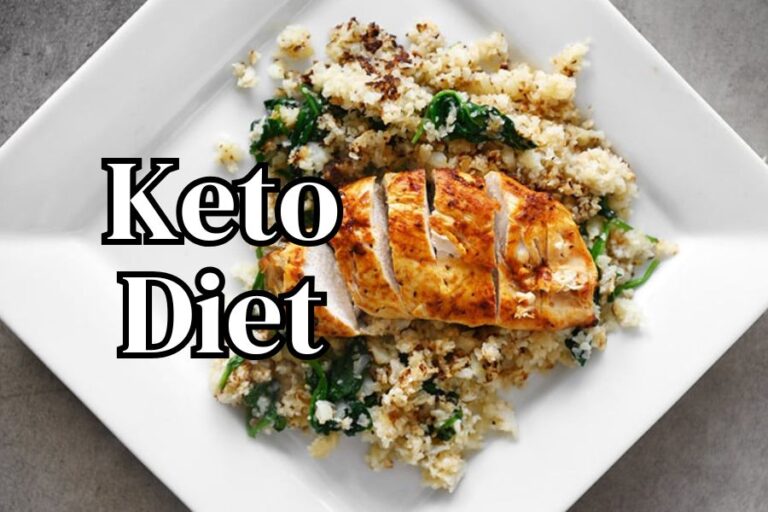
Ketogenic (keto) diet
The keto diet is very low in carbohydrates and very high in fat, typically 75 to 90 percent of daily calories from fat. It can:
- Jump‑start weight loss
- Improve blood sugar control in some people in the short term (Harvard Health)
At the same time:
- It is difficult to maintain long term
- It can be socially restrictive and may limit overall food variety
- There is not enough evidence yet to support keto as a long‑term solution for ongoing weight management (Harvard Health)
If you are curious about either approach, it is wise to discuss it with your health care provider and consider whether it fits your lifestyle, medical history, and personal preferences.
Avoid risky shortcuts and unproven supplements
The weight loss marketplace can be overwhelming. Many products promise rapid fat burning, boosted metabolism, or effortless results.
According to Mayo Clinic, most dietary supplements that claim to speed up metabolism or drive weight loss do not live up to their claims and may even cause harmful side effects (Mayo Clinic). The U.S. Food and Drug Administration does not require supplement manufacturers to prove safety or effectiveness before products reach the market.
For your safety:
- Be cautious with any pill, powder, or tea that promises fast weight loss.
- Talk with your health care provider before trying a supplement, especially if you take medications or have health conditions.
- Focus your time and money on evidence‑based habits like food quality, sleep, and movement.
Build a sustainable, long‑term plan
Successful diet and weight control is less about finding a perfect plan and more about building a pattern of habits you can stick with. Research highlights that long term weight maintenance usually requires:
- A balanced eating pattern, often higher in protein and lower in glycemic index
- Regular physical activity and strength training
- Adequate sleep and stress management
- Attention to hormonal and metabolic changes over time
- Periodic professional monitoring and support, when needed (NCBI Bookshelf)
Experts emphasize that there is no single diet or exercise program that works best for everyone. What matters is finding an approach that fits your life and feels sustainable (NCBI Bookshelf, Harvard Health).
You might find it helpful to:
- Pick one small change for food, such as adding a serving of vegetables to lunch every day.
- Choose one easy movement goal, like a 10‑minute walk after dinner.
- Protect your bedtime by 15 minutes, to gradually nudge your sleep toward 7 or more hours.
- Check in weekly, looking at how your body feels, how your clothes fit, and what feels easier or harder.
By stacking small, realistic steps, you build a foundation that supports your weight, your energy, and your long‑term health.
About the Author