How sleep and mental health connect
If you have ever wondered, “does poor sleep affect mental health,” the short answer is yes. Your sleep and your emotional wellbeing are tightly linked, and the relationship goes both ways. When you sleep poorly, your mood, stress levels, and ability to think clearly suffer. When you are anxious or depressed, it becomes harder to fall and stay asleep.
Researchers describe this as a bidirectional relationship. Poor sleep can increase your risk of mental health issues, and mental health issues can disrupt your sleep patterns in return (Stanford Medicine).
You do not need to aim for perfect nights to see benefits. Even small improvements in your sleep habits can support your mood, your focus, and your resilience to stress.
How common sleep problems have become
You are not alone if your sleep has felt worse in the last few years.
- A study of 22,330 adults in 13 countries found that about 1 in 3 people had clinical insomnia symptoms. Nearly 20 percent met the criteria for insomnia disorder, both more than double pre pandemic rates (Columbia Psychiatry).
- More than half of Americans surveyed during the COVID 19 pandemic reported sleep disturbances. Among adults aged 35 to 44, that number rose to 70 percent, a pattern sometimes called “coronasomnia” (Columbia Psychiatry).
- Up to 80 percent of teenagers in the United States are not getting the recommended amount of sleep, which is tied to higher rates of depression symptoms in high schoolers (Stanford Medicine).
If your sleep has slid off track, these numbers show it is a widespread problem, not a personal failure. They also highlight why bringing your sleep back into balance can be one of the most powerful steps you take for your mental health.
What happens in your brain when you do not sleep
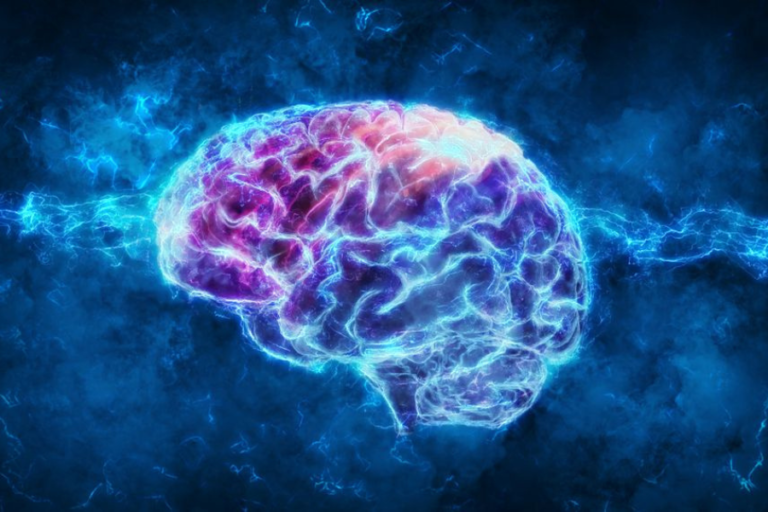
Poor sleep is not only about feeling tired. It changes how your brain works from moment to moment.
Focus and thinking get foggy
Neuroimaging studies show that sleep deprivation disrupts attention and working memory. Activity drops in areas like the dorsolateral prefrontal cortex and intraparietal sulcus, which are key for focus and holding information in mind. At the same time, thalamic function shifts, leading to unstable and less accurate performance on demanding tasks (PMC).
In everyday life, that can feel like:
- Losing your train of thought mid conversation
- Struggling to follow directions or read complex material
- Making small mistakes at work or school that you would not normally make
Sleep loss also interferes with your brain’s ability to quiet the “default mode network,” which usually powers down when you are concentrating. When this network stays active, off task thoughts intrude and slow you down, especially when you are trying to focus on something important (PMC).
Emotions become harder to manage
Poor or insufficient sleep heightens negative emotional responses to stress and reduces positive emotions (Columbia Psychiatry).
Brain imaging studies help explain why:
- Regions involved in reward and emotion, including the mesolimbic system and ventral striatum, become hypersensitive, which can increase risk taking and impulsivity
- Your brain has more trouble updating the value of rewards, so you may chase short term relief or pleasure even if it is not good for you (PMC)
Even a single night of total sleep deprivation can change dopamine signaling. After one sleepless night, dopamine D2 and D3 receptor availability decreases in key brain regions, which correlates with higher sleepiness and reduced ability to pay attention (PMC).
Long term emotional processing can get stuck
Chronic sleep disruption also affects how you process emotional memories over time. Research links ongoing sleep problems, especially loss of REM sleep, to:
- Higher noradrenergic tone, which keeps your nervous system on high alert
- Emotional hyper reactivity, where small triggers feel overwhelming
- Difficulty separating real danger from old or imagined threats
These changes are connected with conditions such as PTSD and can create a loop where poor sleep heightens emotional sensitivity, which then makes it even harder to sleep (PMC).
How poor sleep raises your mental health risks
When you zoom out from brain scans to long term patterns, the picture is just as clear. Poor sleep is strongly linked with depression, anxiety, and other mental health problems.
Depression and anxiety
Extensive research finds that:
- People with insomnia are about 10 times more likely to experience depression
- They are about 17 times more likely to have anxiety
- People with sleep apnea have roughly triple the risk of depression and anxiety compared to those without it (Stanford Medicine)
A large 10 year study of more than 25,000 adults found that chronic insomnia significantly increased the risk of developing both anxiety disorders and depression over time (Duke Health). Chronic insomnia was seen as a marker for these conditions, which means it is a sign that deserves attention, not something to brush off.
Early warning sign or cause
Experts point out that insomnia can do two things at once. It may:
- Predispose you to anxiety and depression
- Show up as an early symptom of these conditions (Duke Health)
Because of this, if you are struggling with persistent insomnia, it can be helpful to talk with a health professional who can screen for underlying mental health issues and help you treat both sleep and mood together.
Sleep and suicide risk
Sleep problems can also increase the risk of suicidal thoughts, especially if you already live with depression or another mental health condition (Columbia Psychiatry). Treating insomnia and other sleep disorders is an important part of reducing that risk.
If you are having thoughts of harming yourself, contact your local emergency number or a suicide prevention hotline right away. Reaching out for help is a strong and important step.
How sleep affects everyday stress and mood
You do not need a formal diagnosis to feel the emotional impact of poor sleep. It shows up in your daily life in more subtle ways too.
Stress feels bigger
Poor or insufficient sleep increases negative emotional reactions to stressful events and makes it harder to experience positive emotions (Columbia Psychiatry).
That can look like:
- Snapping at loved ones over small issues
- Feeling flooded by minor setbacks
- Finding it harder to see the upside in a situation
With better sleep, your brain has an easier time putting problems in perspective. Stress does not disappear, but you are better equipped to handle it.
Relationships can feel strained
When you are exhausted and on edge, your patience and empathy wear thin. You might:
- Misread someone’s neutral expression as criticism
- Withdraw from social plans because you are too tired
- Argue more often with your partner, family, or coworkers
Over time, this can chip away at your connection with others and feed feelings of loneliness, which then worsen both sleep and mood.
Work and school performance drop
Because sleep deprivation impairs attention and working memory, it can affect how you perform at work or school (PMC).
You may notice:
- Difficulty concentrating in meetings or class
- Slower reaction times and more errors
- Needing more time to complete tasks than usual
Recognizing that sleep might be part of the problem can help you shift from self criticism to problem solving.
Why some people are more affected than others
Sleep and mental health are personal. Your age, life stage, and environment can make certain patterns more likely.
Young adults and students
Research among final year university students in China found a strong link between poor sleep quality and worse psychological wellbeing. For every 10 percent increase in poor sleep quality, mental health problems rose by 26 percent as measured by a standard screening scale (International Journal of Environmental Research and Public Health).
The same study found:
- Better sleep quality was associated with fewer mental health problems, although the protective effect was smaller than the harm from poor sleep
- Male students had about 1.5 times higher odds of mental health problems compared with female students
- Older students, aged 25 to 30, had about a 15 percent increase in mental health problems compared with younger 18 year old students (International Journal of Environmental Research and Public Health)
These findings suggest that as responsibilities and academic pressures build, protecting your sleep becomes even more important.
Young adult men and anxiety
A longitudinal study of young adult males in Shanghai used standard scales to measure insomnia, anxiety, and depression. It found that:
- Higher insomnia scores were linked with higher anxiety and depression scores both at the start and 8 months later
- Insomnia predicted future anxiety, even after accounting for baseline levels
- It did not predict future depression in this group (PubMed)
For young men in particular, this suggests that paying attention to insomnia symptoms and getting help early may reduce the chances of developing anxiety over time.
Teens and early bedtimes
For teenagers and young adults, late nights are often part of the culture. Yet a large study of nearly 75,000 people in the United Kingdom found that going to bed and waking up earlier was linked with better mental health. Late bedtimes, on the other hand, were associated with higher risks of depression and anxiety regardless of whether someone naturally preferred evenings or mornings (Stanford Medicine).
If you tend to be a night owl, this does not mean you must completely change who you are. It does suggest that gradually shifting your schedule earlier, even by a small amount, might give your mood a boost.
How improving sleep can support your mental health
The difficult news is that poor sleep can harm your mental health. The hopeful news is that improving sleep can often improve mood and anxiety as well.
Cognitive behavioral therapy for insomnia (CBT I)
Cognitive behavioral therapy for insomnia is considered a first line treatment for chronic insomnia. It usually includes:
- Education about how sleep works
- Stimulus control strategies that help your brain associate bed with sleep
- Sleep restriction, which carefully limits time in bed to build up sleep drive
- Relaxation techniques
- Cognitive therapy to address unhelpful thoughts about sleep (Columbia Psychiatry)
Stanford researchers have found that CBT I not only improves sleep but also reduces depression levels. In a study conducted during the early, highly stressful phase of the COVID 19 pandemic, better sleep after CBT I was linked with improvements in mood (Stanford Medicine).
If your insomnia is chronic or significantly affects your life, asking a health professional about CBT I can be a practical step.
Everyday habits that help
Even without formal therapy, small changes in your routine can help your sleep and your mental health work together rather than against each other.
You might try:
-
Keeping a consistent schedule
Going to bed and waking up at the same time each day supports your body clock. Based on large population studies, shifting your schedule a bit earlier may also support better mood (Stanford Medicine). -
Creating a wind down routine
Aim for 30 to 60 minutes of quiet, low light activities before bed, such as reading, stretching, or listening to calming music. -
Protecting your sleep environment
Keep your bedroom as dark, cool, and quiet as practical. Reserve your bed for sleep and intimacy rather than work or scrolling. -
Watching late night stimulants
Notice how caffeine, nicotine, intense exercise, or emotionally charged conversations in the evening affect your sleep onset. -
Limiting late screen time
Blue light and engaging content can delay your internal clock. If possible, dim screens or switch to calmer activities during the last hour before bed.
None of these changes has to be perfect. Even one or two small adjustments can make sleep feel more predictable and restorative.
When to seek extra support
It is a good idea to talk with a health professional if:
- You regularly have trouble falling or staying asleep
- Your sleep problems have lasted for a month or more
- You feel persistently low, anxious, or hopeless
- Lack of sleep is affecting your work, school, or relationships
- You snore loudly, gasp during sleep, or wake unrefreshed despite spending enough time in bed
Because sleep and mental health influence each other, treating one without the other sometimes leaves you stuck in a loop. A clinician can help you untangle whether an underlying sleep disorder, a mental health condition, or both are in play and can guide you toward evidence based treatments like CBT I or other therapies.
If you are already in counseling or taking medication for mental health, mentioning your sleep patterns to your provider can help them fine tune your care.
Bringing it all together
To circle back to the question, does poor sleep affect mental health, the research is clear. Poor sleep can:
- Heighten stress and negative emotions
- Impair focus, decision making, and impulse control
- Increase your risk of depression, anxiety, and suicidal thoughts
- Make it harder to recover from existing mental health conditions
At the same time, improving sleep can ease symptoms of depression and anxiety and build emotional resilience. You do not need a perfect sleep routine to feel better. You can start small, perhaps by:
- Choosing a regular wake time for the next week
- Creating a short, calming wind down ritual tonight
- Reaching out to a professional if insomnia has become a long term struggle
Your sleep is not just “down time.” It is active, essential care for your brain and your emotional life. When you give it attention, you are investing directly in your mental health.
About the Author