Understand 18 6 intermittent fasting
If you are curious about using 18 6 intermittent fasting for weight loss and better health, you are not alone. This style of time restricted eating is popular because it is structured, yet still flexible enough to work with a busy life.
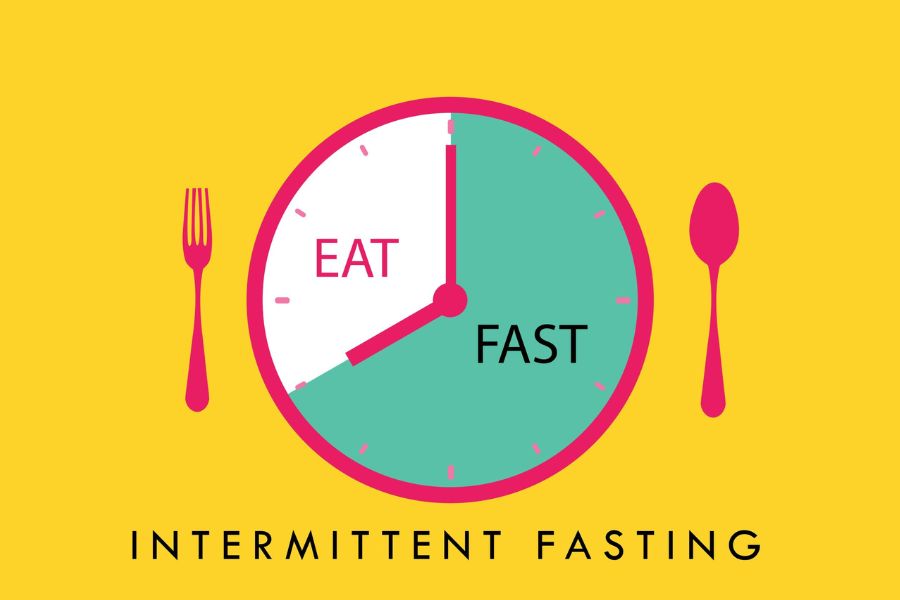
With 18 6 intermittent fasting, you:
- Fast for 18 consecutive hours.
- Eat all your meals and snacks within a 6 hour window.
There is no single correct schedule. A common version is eating from 12 p.m. to 6 p.m., which usually means you skip breakfast and focus on lunch, a snack, and dinner (Season Health). You can adjust your window to match your routine, for example 10 a.m. to 4 p.m. if you prefer earlier meals.
During your 18 hour fast, you avoid calories but you can still have:
- Water, including sparkling or electrolyte water.
- Black coffee with no cream or sugar.
- Plain tea, herbal or caffeinated, with no sweeteners.
- Lemon water, as long as you keep it very low calorie (Aspect Health).
Your 6 hour eating window is when you focus on nutrient dense meals that help you feel satisfied and support your health goals.
What happens in your body when you fast 18 hours
Once you stop eating, your body moves through several stages. Understanding these can make the first few weeks of 18 6 intermittent fasting feel less confusing.
From glycogen to fat burning
At first, your body uses stored carbohydrates, called glycogen, for energy. Over the fasting period, those stores shrink and your body begins to pull more energy from stored fat instead (Season Health).
As you repeat this pattern day after day, your body gradually becomes better at switching between burning carbs and burning fat. This change in flexibility is part of why intermittent fasting can support:
- Fat loss and improved body composition.
- Better blood sugar regulation.
- More stable energy for some people (Season Health).
Ketones and mental clarity
With a longer fast like 18 hours, you may start to produce more ketones. Ketones are molecules your body makes when it burns fat for fuel. They can be used by your brain as an energy source and may be linked to clearer thinking and improved focus for some people (Season Health).
The 18 6 schedule is more intense than a 16 8 pattern, so the shift into fat burning and ketone use may be stronger (Simple).
Potential benefits of 18 6 intermittent fasting
Everyone responds differently, but research and user reports suggest several possible benefits when you follow 18 6 intermittent fasting consistently and pair it with nourishing food choices.
Support for weight loss and body composition
A shorter eating window often means you naturally eat fewer total calories without strict counting. Many people find it easier to maintain a modest calorie deficit by eating two meals and a snack in six hours instead of grazing all day (Simple).
In addition, the longer fasting period gives your body more time to:
- Deplete glycogen stores.
- Tap into stored fat for fuel.
- Potentially reach ketosis more often (Season Health; Simple).
Over the first few months, people commonly notice:
- Gradual fat loss.
- Changes in waist circumference.
- A shift in how clothing fits, even before the scale moves dramatically (Season Health).
Metabolic and blood sugar improvements
Time restricted eating patterns, including 18 6 intermittent fasting, may support:
- Improved insulin sensitivity.
- Better blood sugar control.
- Increased metabolic flexibility, or your body’s ability to use both carbs and fat efficiently (Season Health; Simple).
For some people, this means fewer energy crashes and less intense cravings. However, if you have diabetes or take medications that affect blood sugar, you should not try 18 6 fasting without talking to your healthcare provider first (Harvard Health Publishing).
Heart and gut health support
Emerging research suggests that intermittent fasting may help with:
- Lower blood pressure.
- Improvements in cholesterol levels.
- Reduced inflammation (Simple; Season Health).
Changes in your eating window may also influence your gut microbiome. Some people notice:
- More regular bowel movements.
- Less bloating.
- A general feeling of lighter digestion (Season Health).
These benefits depend heavily on what you eat, not just when you eat.
Possible brain and mood benefits
Ketones can act as fuel for your brain and may have neuroprotective effects. Research around intermittent fasting suggests potential benefits for:
- Cognitive function.
- Long term brain health.
- Reduced risk of certain neurodegenerative diseases, such as Alzheimer’s and Parkinson’s, although more human studies are needed (Simple).
Interestingly, one study found that while people experienced more irritability during an 18 hour fast, they also reported higher feelings of achievement, pride, and self control afterward (Healthline).
Common side effects and risks to watch for
Even though 18 6 intermittent fasting has potential benefits, it is not risk free and it is not a good fit for everyone. Paying attention to side effects helps you protect your health while you experiment.
Hunger, headaches, and energy dips
When you first start fasting for 18 hours, it is normal to feel:
- Increased hunger.
- Low energy.
- Headaches.
- Irritability or crankiness.
Studies show that hunger is especially common in the first days of intermittent fasting programs and tends to decrease as your body adapts (Healthline). A large study of people who fasted for 4 to 21 days found that hunger was strongest early on and then faded for most participants (Healthline).
Harvard Health Publishing notes that headaches, lethargy, crankiness, and constipation can also appear with intermittent fasting, and that less restrictive fasting patterns may feel easier for some people (Harvard Health Publishing).
Overeating during your eating window
After a long fast, your appetite hormone activity increases, which can drive you to eat quickly or overeat when your window opens. Harvard Health points out that this strong biological push to eat may lead to poor food choices and can reduce some of the benefits you hoped to gain (Harvard Health Publishing).
Slowing down and planning your meals ahead of time can help you avoid turning your eating window into a binge window.
Mood swings and irritability
Low blood sugar can trigger mood changes such as:
- Irritability.
- Feeling “on edge.”
- Difficulty concentrating.
A study of women fasting for 18 hours found that irritability was noticeably higher on fasting days compared to non fasting days, although feelings of pride and self control increased after the fast ended (Healthline).
If you find that fasting significantly worsens your mood or mental health, it may not be the best tool for you right now.
Who should be cautious or avoid 18 6 fasting
Extended fasts like 18 hours require extra care. Experts recommend being particularly cautious if you:
- Take medications for diabetes, blood pressure, or heart disease.
- Have a history of eating disorders or disordered eating patterns.
- Are pregnant, breastfeeding, or trying to conceive.
- Are underweight or have experienced recent unintentional weight loss.
- Are an older adult, since too much weight loss can harm bone health, immunity, and energy levels (Harvard Health Publishing).
In these situations, you should only consider 18 6 intermittent fasting under close guidance from your healthcare provider.
How to start 18 6 intermittent fasting safely
Jumping straight into a daily 18 hour fast can feel intense, especially if you are new to intermittent fasting. A more gradual approach can make the process smoother and safer.
Step 1: Choose your eating window
Pick a 6 hour window that fits your lifestyle and social life. A few examples:
- 10 a.m. to 4 p.m. if you like an earlier start.
- 12 p.m. to 6 p.m. if you prefer lunch and dinner.
- 1 p.m. to 7 p.m. if evenings are important for family meals.
Think about your work schedule, workout time, and when you usually feel hungriest. Your goal is a window you can maintain most days without constant stress.
Step 2: Build up gradually
Harvard Health suggests narrowing your eating window over several months rather than all at once (Harvard Health Publishing). You might:
- Start with a 12 hour eating window, such as 8 a.m. to 8 p.m.
- Shift to 10 hours, such as 9 a.m. to 7 p.m.
- Move to 8 hours, such as 10 a.m. to 6 p.m. (similar to 16 8).
- When that feels manageable, reduce to 6 hours, such as 12 p.m. to 6 p.m.
Spend at least one to two weeks at each step so your body has time to adapt.
Step 3: Plan simple, balanced meals
Because your eating window is short, every meal needs to work hard for you. During your 6 hours, focus on:
- Protein to support muscle and keep you full.
- Fiber from vegetables, fruits, and whole grains for steady energy and digestion.
- Healthy fats from foods like avocado, olive oil, nuts, and seeds.
- Complex carbohydrates chosen to match your activity levels.
A registered dietitian can help you design meals that cover your nutrient needs and reduce the risk of deficiencies (Season Health).
Step 4: Hydrate through your fast
Dehydration can worsen headaches, fatigue, and constipation. Throughout your 18 hour fast, make it a habit to drink:
- Water regularly, not just when you feel thirsty.
- Electrolyte water if you are sweating more, as long as it is low or no calorie.
- Unsweetened tea or black coffee for variety, if you tolerate caffeine (Aspect Health).
This simple habit can make fasting feel much more manageable.
Step 5: Break your fast gently
Your first meal after an 18 hour fast sets the tone for the rest of your eating window. To avoid blood sugar spikes and later crashes:
- Start with a meal that includes protein, fiber, and healthy fats.
- Eat slowly and pause halfway to check your fullness.
- Avoid “rewarding” yourself with a very heavy or ultra processed meal.
This approach can help flatten the strong urge to overeat that often hits right as your window opens (Harvard Health Publishing).
What you might feel week by week
Your experience with 18 6 intermittent fasting will be personal, but research and user reports offer a general timeline of what you might notice.
Week 1: Adjustment and discomfort
In the first week, you can expect:
- Increased hunger and cravings.
- Possible energy dips or brain fog.
- Some irritability or mood swings.
- Initial water weight changes, but not much true fat loss yet (Aspect Health; Healthline).
This is your body shifting from a constant food supply to a defined window. Many people find this phase the hardest.
Weeks 2–3: Adaptation phase
After around two to three weeks, your body often adapts to the new pattern. During this period you may notice:
- Hunger is still present, but more predictable and less intense.
- More stable energy during the fasting period.
- Early signs of fat loss and body composition changes.
- Improvements in blood sugar control and inflammation markers, especially if paired with a nutrient dense diet (Aspect Health; Season Health).
Your fasting and eating windows may start to feel more automatic and less like a daily battle.
Week 4 and beyond: Results and routine
By about four weeks, many people who stick with 18 6 intermittent fasting and make thoughtful food choices report:
- Noticeable weight loss and a leaner look.
- Clearer thinking and sharper focus during parts of the day.
- Increased energy.
- A more intuitive sense of hunger and fullness signals (Aspect Health; Season Health).
Between months two and three, this routine may start to feel like a lifestyle rather than a short term challenge. Some people find that taking occasional breaks or cycling between 16 8 and 18 6 helps them stay consistent long term (Season Health).
When to talk to a professional
Because 18 6 intermittent fasting is more intense than shorter fasting windows, it is wise to involve a healthcare professional, especially if you:
- Have any chronic health conditions.
- Take daily medications or supplements that need to be taken with food.
- Have a history of nutrient deficiencies or digestive issues.
Healthcare providers and dietitians can help you:
- Decide if 18 6 is appropriate for your situation.
- Adjust medications if needed while you change your eating pattern.
- Design a fasting plan that keeps you well nourished and reduces the risk of side effects like constipation or excessive fatigue (Season Health; Harvard Health Publishing).
If at any point you feel unwell, dizzy, extremely weak, or emotionally distressed by fasting, it is important to pause and check in with a professional. Fasting is a tool, not a requirement, and it should not come at the cost of your overall health.
Practical tips to make 18 6 work for you
To wrap it up, here are a few simple habits that can make 18 6 intermittent fasting more sustainable:
- Start gradually and shorten your eating window over time.
- Choose a consistent 6 hour window that fits your life.
- Plan balanced meals that emphasize protein, fiber, and healthy fats.
- Drink water regularly throughout your fasting period.
- Break your fast gently to avoid overeating.
- Pay attention to your mood, energy, and digestion, and adjust if needed.
- Involve your healthcare provider if you have any medical conditions or concerns.
You can try one small change today, such as setting a daily 12 hour eating window, and then see how your body responds. From there, you can decide if moving toward an 18 6 routine feels like the right next step for your goals and your health.
About the Author