Understand intermittent fasting for beginners
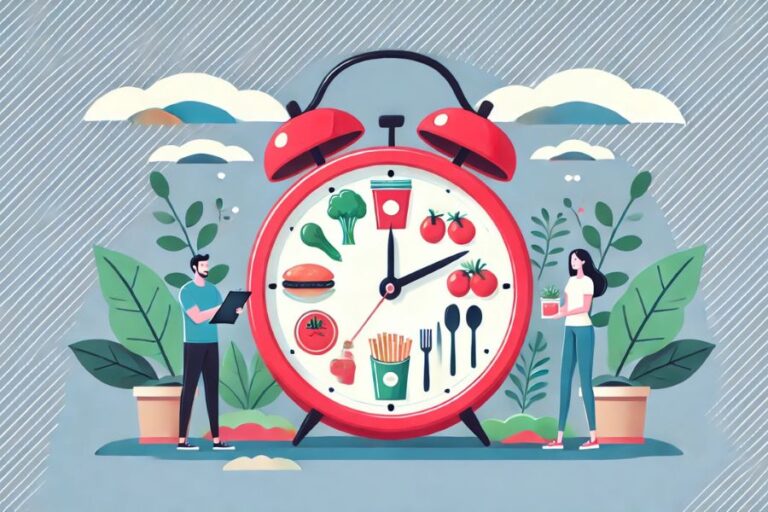
If you are curious about intermittent fasting for beginners, you are not alone. Intermittent fasting is an eating pattern that focuses on when you eat rather than what you eat. You cycle between periods of eating and periods of eating very few or no calories.
According to experts at Johns Hopkins, intermittent fasting may support weight management and could even help prevent or delay certain diseases, although research is still developing in many areas (Johns Hopkins Medicine).
At its core, intermittent fasting is simple: you pick specific hours or days when you eat, and outside of those times, you generally have only water and other non-caloric drinks.
How intermittent fasting works
When you eat regularly from morning until bedtime, your body constantly draws energy from incoming food. Intermittent fasting stretches the time between meals long enough that your body uses up its stored sugar and then starts tapping into fat for energy. Johns Hopkins researchers call this shift “metabolic switching” (Johns Hopkins Medicine).
You are essentially giving your body a clear signal:
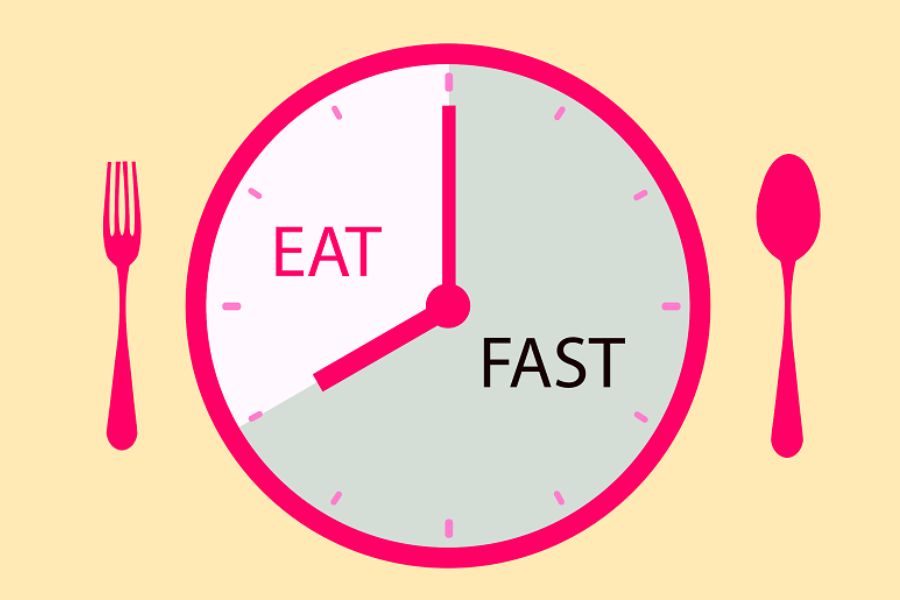
- Eating window: use and store energy.
- Fasting window: burn stored energy, especially fat.
This switch does not happen instantly. It usually takes several hours without food before your body begins to rely more on fat stores for fuel.
Potential benefits and limits
Intermittent fasting can be appealing because it is flexible and does not require you to cut out entire food groups. Research suggests possible benefits like:
- Weight loss and weight maintenance
- Improved metabolic health and blood sugar control
- Lower risk of certain chronic conditions such as type 2 diabetes, heart disease, some cancers, and neurodegenerative diseases (Johns Hopkins Medicine)
Some reviews also suggest it might improve quality of life, lower fatigue, and reduce certain hormone levels linked with tumor growth (EatingWell).
However, intermittent fasting is not magic, and studies show mixed results for weight loss. In some cases, it is no more effective for weight loss than other calorie-controlled approaches (EatingWell). The quality of your food and your total calorie intake still matter a lot.
Know who intermittent fasting is for
Intermittent fasting can work well for some people and not at all for others, and both are valid. It is one option among many.
When intermittent fasting might help you
You might find intermittent fasting useful if you:
- Prefer a simple rule such as “I only eat between noon and 8 p.m.”
- Like clearer boundaries around snacking and late-night eating
- Want a structure that may support weight loss or metabolic health
- Feel overwhelmed counting every calorie or tracking every bite
Short-term research suggests that when used safely, intermittent fasting can be a workable pattern for many adults and may be safe and effective for weight loss and metabolic health (University of Michigan).
When intermittent fasting is not a good fit
You should not start intermittent fasting without medical guidance if you:
- Have advanced diabetes or take medications that affect blood sugar
- Are pregnant, trying to become pregnant, or breastfeeding
- Have a history of eating disorders
- Have chronic health conditions that affect appetite, digestion, or weight stability
Experts at the University of Michigan stress that intermittent fasting is not recommended for these groups and that you should talk with your healthcare provider first (University of Michigan).
Mayo Clinic also emphasizes that intermittent fasting is not right for everyone and that some people may do better with different eating patterns that better match their routine and health needs (Mayo Clinic).
If your meals are closely tied to social or family time, for example a daily breakfast with your kids or a late family dinner, certain fasting schedules may be hard to maintain or undesirable for you (Mayo Clinic).
If you have any existing medical conditions or take daily medications, it is wise to check in with a healthcare professional before you change your eating schedule.
Explore common intermittent fasting methods
When you are just exploring intermittent fasting for beginners, it helps to know the main styles and how strict they are. Below are common options described in research and medical resources.
Time restricted eating (daily fasting)
Time restricted eating is often the easiest way to begin because you fast every day for a consistent number of hours, including while you sleep.
12-hour fast (for beginners)
- Example: Stop eating at 7 p.m. and have your first meal after 7 a.m.
- You fast for 12 hours, most of which happen overnight.
- This gentle approach may encourage your body to start using fat stores and is often suggested as a starting point for new fasters (Medical News Today).
16:8 method
- You fast for 16 hours and eat all your meals in an 8-hour window.
- A common pattern is to eat from noon to 8 p.m. and skip breakfast.
- A 2022 review found this pattern may support weight management and blood sugar control in adults who are overweight or obese (Medical News Today).
You will also see time restricted eating described more broadly as eating within a 4 to 10 hour daily window and fasting for 14 to 20 hours (PrivateMDs).
The 5:2 method
With the 5:2 method you eat normally five days of the week and limit calories on two nonconsecutive days.
- On two days per week, women typically eat about 500 calories and men about 600 calories.
- The other five days, you eat your usual balanced meals without fasting windows.
- In one study of adults with obesity, 5:2 combined with group support led to more weight loss at six weeks, although the difference faded after one year (Medical News Today).
Alternate day fasting and 24-hour fasts
Some people try more intensive schedules. These are usually not recommended as a starting point.
- Alternate day fasting: You eat normally one day and then eat very few or no calories the next, alternating through the week (Medical News Today).
- 24-hour fasts: You might fast from dinner one day until dinner the next, once or twice a week.
Alternate day fasting and frequent 24-hour fasts are considered more extreme. They can be hard to maintain and may not be appropriate if you are a beginner or if you have medical conditions (Medical News Today). Longer fasts of 24 hours or more may also backfire by encouraging your body to store more fat if you overcompensate later (Johns Hopkins Medicine).
Comparing common methods
| Method | Typical fasting time | Typical eating time | Beginner friendly? | Notes |
|---|---|---|---|---|
| 12-hour fast | 12 hours, including sleep | 12 hours | Yes, gentle introduction | Often first step into fasting |
| 16:8 method | 16 hours | 8 hours | Often, if you build up to it | May support weight and blood sugar (Medical News Today) |
| 5:2 method | 2 days of 500–600 calories | 5 days normal eating | Maybe, depends on schedule | Calorie reduction days can feel challenging |
| Alternate day fasting | Every other day | Normal eating on off days | Generally no for beginners | Can be difficult long term (Medical News Today) |
| 24-hour fasts | 24 hours, 1–2 times per week | Normal eating on other days | No for beginners | Longer fasts may be hard and can cause overeating afterward (Johns Hopkins Medicine) |
Stay realistic about the risks
Most conversations about intermittent fasting focus on benefits, but you also need to understand the possible downsides and unknowns.
Short term side effects you might notice
As your body adapts, it can take two to four weeks for fasting to feel more natural (Johns Hopkins Medicine). In that adjustment period you may experience:
- Increased hunger or food cravings
- Irritability or mood swings
- Fatigue or low energy
- Headaches or dizziness
- Trouble focusing
Mayo Clinic notes additional possible side effects like constipation and menstrual cycle changes for some people (Mayo Clinic). If your symptoms are intense or persistent, it is important to stop and talk with a healthcare provider.
Long term questions and heart health concerns
Short-term studies suggest that intermittent fasting may encourage your cells to focus more on repair and efficient energy use. These changes could be beneficial, but long term effects are not fully understood yet (Mayo Clinic).
One 2024 observational study of more than 20,000 US adults found that the 16:8 method was associated with a higher risk of death from cardiovascular disease. However, the study did not prove that fasting caused this outcome and the results had not been peer reviewed at the time of reporting (Medical News Today).
This does not mean 16:8 is automatically unsafe, but it is a reminder to:
- Stay cautious about dramatic claims.
- Check with your doctor if you have heart disease risk factors.
- Focus on overall lifestyle, not just your fasting window.
Who should be extra careful
Beyond the groups who are advised to avoid intermittent fasting altogether, you should be especially cautious if you:
- Work in physically demanding jobs where prolonged fasting could be unsafe
- Are underweight or have unintentional weight loss
- Struggle with binge eating or all-or-nothing thinking about food
- Take medications that need to be taken with meals at specific times
A conversation with a healthcare provider can help you weigh potential benefits and risks for your situation.
Start intermittent fasting step by step
If you decide that intermittent fasting for beginners fits your goals and health status, starting gradually can make the process more comfortable.
Step 1: Choose a realistic schedule
Begin with the least disruptive option and build from there. Many experts recommend starting with daily fasting that includes your usual sleep time (University of Michigan). For example:
- Begin with a 12-hour fast like 7 p.m. to 7 a.m. for 1 to 2 weeks.
- If you feel well, extend to 14 hours, for example 7 p.m. to 9 a.m.
- If that still works for you, you can move toward a 16:8 pattern such as noon to 8 p.m.
Avoid jumping straight into very long fasts. Abrupt changes can make you feel constantly hungry and may lead you to quit early (EatingWell).
Step 2: Plan your meals ahead
Planning is one of the most important parts of intermittent fasting success. Eating at new times or in shorter windows can feel confusing at first. Without a plan, you are more likely to:
- Skip balanced meals
- Grab whatever is convenient but not satisfying
- Overeat during your eating window
PrivateMDs notes that proper preparation, including meal planning, helps you avoid poor food choices and makes it easier to keep track of eating and fasting windows (PrivateMDs).
You can sketch a simple plan like this for your eating window:
- First meal: high in protein and fiber, plus some healthy fat
- Mid window: snack or light meal if you need it for energy
- Final meal: balanced plate of protein, vegetables, and complex carbs
Step 3: Adjust your food quality
Even though intermittent fasting focuses on timing, what you eat still strongly affects your health and how you feel. The University of Michigan guide stresses that the quality and nutritional value of your food remain extremely important, even when you are fasting part of the day (University of Michigan).
Some helpful priorities:
- Favor whole foods over ultra processed foods.
- Choose lean proteins like fish, poultry, beans, or tofu.
- Include healthy fats such as olive oil, nuts, seeds, and avocado.
- Load half your plate with vegetables and some fruit.
- Include complex carbohydrates like oats, brown rice, or whole grain bread if they fit your needs.
PrivateMDs also suggests that a lower carbohydrate approach with quality proteins and fats may help control appetite and support metabolic flexibility during fasting (PrivateMDs). This does not mean you must go very low carb, but keeping refined carbs and sugar in check can help with hunger and energy.
Step 4: Ease through the adjustment period
In the first two to four weeks, you might feel more aware of your hunger and your habits. To make this transition smoother:
- Go to bed and wake up at consistent times.
- Consider scheduling your eating window during the busiest part of your day to distract from hunger.
- Use non-food activities like walking, reading, or calling a friend when you feel tempted to snack outside your window.
- Give yourself permission to slow down workouts if you feel low on energy, especially at first.
Researchers at Johns Hopkins explain that those who adapt after the first few weeks often report an overall sense of improved well-being and are more likely to continue, but that early phase can be uncomfortable (Johns Hopkins Medicine).
Avoid common intermittent fasting mistakes
As a beginner, you can save yourself frustration by watching for a few common pitfalls.
Mistake 1: Cutting your eating window too quickly
If you immediately shrink your eating window down to a few hours, you are more likely to:
- Feel constantly hungry
- Think about food all day
- Give up within a week or two
EatingWell points out that easing into fasting gradually works better than making drastic changes from day one (EatingWell).
Mistake 2: Overeating when you break your fast
It is very tempting to overcompensate once your eating window opens. If you eat too quickly or ignore your fullness, you can undo your calorie deficit and feel sluggish.
You can try:
- Eating slowly and pausing between bites.
- Starting with a glass of water and a small portion of food.
- Listening to hunger cues on a scale of 0 to 10, where 0 is famished and 10 is stuffed. Aim to begin eating around 3 or 4 and stop around 7 (EatingWell).
Mistake 3: Eating too few calories
On the flip side, if you eat far too little during your eating window, your body may feel stressed rather than supported. PrivateMDs notes that consistently under eating can harm your health and your results, and that beginners who struggle to eat enough might benefit from a slightly longer eating window (PrivateMDs).
Watch for signs like:
- Ongoing fatigue
- Trouble concentrating
- Feeling cold or weak most of the day
These can be clues that you are not meeting your energy needs.
Mistake 4: Forgetting to hydrate
Mild dehydration can feel like hunger. If you drink too little water, fasting will usually feel much harder.
During intermittent fasting it helps to:
- Sip water regularly throughout the day.
- Aim for about 2 liters per day, or more if recommended by your healthcare provider (EatingWell).
- Include calorie-free drinks like plain tea or black coffee if they agree with you.
If you notice darker urine, headaches, or dizziness, you might need more fluids.
Mistake 5: Breaking your fast without realizing it
For fasting benefits, you need to avoid calorie containing foods and drinks during your fasting window. According to PrivateMDs, even seemingly small additions like butter in coffee, sugary creamers, or a glass of wine will break your fast (PrivateMDs).
Calorie-free options that usually fit into a fasting window include:
- Plain water, still or sparkling
- Unsweetened tea
- Black coffee without cream, sugar, or flavored syrups
If you are unsure whether something has calories, you can check the label or treat it as part of your eating window.
Support your fasting with smart food choices
Intermittent fasting is easier when your meals keep you full and nourished. Two key nutrients help with this: protein and fiber.
Focus on sustaining foods
EatingWell highlights that choosing protein rich and fiber rich foods helps you stay full and meet your nutrient needs during your eating window (EatingWell). You might build your meals around:
- Proteins: eggs, Greek yogurt, chicken, turkey, fish, tofu, beans, lentils
- Fibers: vegetables, fruits, whole grains, beans, lentils, nuts, seeds
- Healthy fats: olive oil, avocado, nuts, nut butters, seeds
Together, these can smooth out blood sugar swings and limit sharp spikes and crashes in hunger.
Sample simple eating window
Here is an example for a 16:8 schedule with a noon to 8 p.m. window. Adjust portions and ingredients to suit your preferences and dietary needs.
-
12 p.m. (first meal)
-
Scrambled eggs or tofu with vegetables
-
Whole grain toast or a side of roasted potatoes
-
A piece of fruit
-
3 p.m. (snack)
-
Greek yogurt with berries and a sprinkle of nuts
-
Or hummus with sliced cucumbers and carrots
-
7 p.m. (dinner)
-
Grilled fish or beans
-
A large serving of mixed vegetables
-
Brown rice or quinoa with olive oil
This is only one example. The best plan for you is the one that you can stick with long term and that fits your health conditions, preferences, and cultural or family traditions.
Combine intermittent fasting with a healthy lifestyle
Intermittent fasting is only one piece of the puzzle. How you move, sleep, and manage stress all influence how well it works for you and how you feel day to day.
Movement and exercise
If you are new to both exercise and fasting, you might want to:
- Keep your usual light activity at first, such as walking.
- Schedule more intense workouts inside or near your eating window so you can refuel properly.
- Pay attention to how your body responds.
If you feel dizzy or faint during workouts while fasting, stop, eat, and reassess your schedule or talk with a professional.
Sleep and stress
Lack of sleep and high stress can increase appetite hormones and make any eating pattern harder to follow. You can support your efforts by:
- Aiming for a regular sleep schedule each night.
- Using simple stress management tools like deep breathing, stretching, or short walks.
- Keeping your fasting schedule consistent from day to day when possible.
Decide whether intermittent fasting is right for you
Before you commit to intermittent fasting, it helps to step back and look at the full picture.
Ask yourself:
- Does this fit my work, family, and social life?
- Am I able to eat enough high quality food in my chosen eating window?
- Do I have any medical conditions that need a doctor’s input first?
- Am I comfortable experimenting and adjusting if my first schedule does not work?
According to the University of Michigan guide, intermittent fasting can be a safe and effective option for many people when done thoughtfully and with attention to health conditions, but it is not the only path to better health (University of Michigan).
If you decide to try it, start small, stay flexible, and keep listening to your body. You always have the option to adjust your schedule, choose a different method, or return to a more traditional eating pattern if intermittent fasting does not feel right for you.
About the Author