Understand how the keto diet works
If you are curious about a keto diet for beginners, it helps to start with what is actually happening in your body.
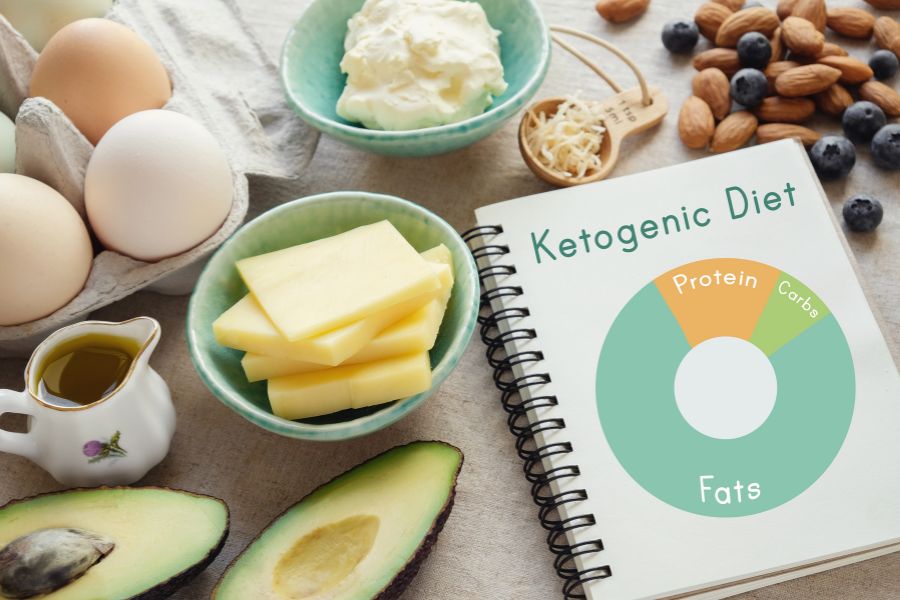
The ketogenic diet is a very low carbohydrate, high fat, moderate protein way of eating. By sharply cutting carbs, you encourage your body to enter a metabolic state called ketosis. In ketosis, your liver converts fat into ketones, which your brain and muscles use for fuel instead of glucose from carbs (Healthline, Cleveland Clinic).
Most standard keto plans follow a rough pattern:
- About 60% to 80% of calories from fat
- About 20% to 35% of calories from protein
- About 5% to 10% of calories from carbohydrates, often 20 to 50 grams of carbs per day (Diet Doctor, Cleveland Clinic)
When you consistently eat this way, you:
- Lower your insulin levels, which helps your body access stored fat for energy (Diet Doctor)
- Rely less on blood sugar spikes for energy
- May feel less hungry between meals because of the higher fat and protein content
It usually takes a few days, sometimes up to a week, for your body to fully shift into ketosis, depending on your previous diet and activity level (Cleveland Clinic).
Weigh the benefits and drawbacks
Keto can offer meaningful health benefits, but it is not the right fit for everyone. Looking at both sides helps you make a more informed choice.
Potential benefits for beginners
Research suggests a keto diet can help you:
- Lose weight, sometimes slightly more than on low fat diets, especially in the first 3 to 6 months (Healthline, WebMD)
- Improve blood sugar control and insulin sensitivity if you have type 2 diabetes or prediabetes (Diet Doctor, Healthline)
- Reduce triglycerides and possibly improve some heart risk markers in the short term (Healthline)
- Feel steadier energy and less intense hunger for many people, due to more stable blood sugar and high satiety from fat and protein (Diet Doctor)
Keto was originally developed for epilepsy, and it still has medical uses today. That history is part of why scientists continue to study keto for other conditions like metabolic syndrome and certain neurological diseases (Diet Doctor, Healthline).
Common side effects and risks
On the flip side, a keto diet can have drawbacks, especially in the beginning. You might experience:
- “Keto flu”: headache, fatigue, nausea, muscle cramps, or brain fog for a few days as your body adapts (Healthline, WebMD)
- Digestive issues: constipation or diarrhea, often from fiber changes and fluid shifts (Healthline, EatingWell)
- Possible nutrient gaps if you do not plan your meals carefully, since many fruits, legumes, and whole grains are limited (Northwestern Medicine)
Experts also raise concerns about:
- Increased LDL cholesterol in some people, particularly if you rely heavily on saturated fats (Northwestern Medicine)
- Potential kidney strain, dehydration, or drops in blood pressure or blood sugar, especially if you have underlying conditions (Northwestern Medicine)
- The challenge of maintaining such a restrictive approach long term, which can lead to weight regain once you stop (Northwestern Medicine)
Because of these factors, it is important to talk with your healthcare provider, and ideally a registered dietitian, before starting keto, especially if you have diabetes, heart or kidney disease, or take medications that affect blood sugar or blood pressure (Healthline, EatingWell, WebMD).
Know what to eat and avoid
A keto diet for beginners is easier when you have a clear picture of what fills your plate and what you keep as occasional extras.
Keto friendly foods to focus on
You will build most meals around:
-
Protein
-
Meat and poultry such as beef, chicken, turkey, pork
-
Eggs in any style
-
Fish and seafood, including salmon and sardines which are low in carbs and high in omega 3 fats that may support blood sugar and insulin levels (Healthline, EatingWell)
-
Healthy fats
-
Avocados and olives, rich in fiber and heart friendly fats
-
Nuts and seeds, such as walnuts, almonds, chia seeds, and flaxseeds
-
Oils like olive oil and avocado oil
-
Fatty fish, which supports heart and metabolic health (EatingWell, Northwestern Medicine)
-
Low carb dairy
-
Cheese
-
Unsweetened Greek yogurt or cottage cheese in moderation
-
Cream
These options can help you feel full but still need portion awareness because of saturated fat content (Healthline, EatingWell). -
Low carb vegetables
-
Leafy greens like spinach and kale
-
Broccoli, cauliflower, zucchini, and other non starchy vegetables
-
Peppers, cucumbers, summer squash
-
Avocados and olives, which double as veggies and fat sources
These add fiber, vitamins, and minerals without pushing you over your carb limit (Healthline).
Higher carb foods to limit
To stay in ketosis, you typically need to limit or avoid:
- Grains such as bread, pasta, rice, cereal
- Starchy vegetables such as potatoes, corn, peas
- Most fruits, especially bananas, grapes, mangoes, and fruit juices
- Sugary foods and drinks like soda, candy, pastries, and many flavored yogurts
Many guidelines suggest staying under 20 to 50 grams of carbs per day, or about 5% to 10% of your calories, to enter and remain in ketosis (Healthline, EatingWell, Cleveland Clinic).
A quick comparison table
| Food group | Better keto choices | Foods to limit or skip |
|---|---|---|
| Protein | Eggs, fish, poultry, meat, Greek yogurt | Breaded meats, processed meats with sugar |
| Fats | Olive oil, avocado, nuts, fatty fish | Margarine, heavily processed snack fats |
| Vegetables | Leafy greens, zucchini, peppers, broccoli | Potatoes, corn, peas, most root vegetables |
| Fruit | Small portions of berries occasionally | Bananas, grapes, mangoes, fruit juice |
| Carbs and sweets | Low carb tortillas in moderation | Bread, pasta, cereal, soda, candy, pastries |
Start with realistic carb targets
If you are brand new to low carb eating, jumping straight into strict keto can feel overwhelming. You have options.
Many keto beginners aim for:
- 20 grams of net carbs or fewer per day for a classic ketogenic approach (Diet Doctor)
- Up to 50 grams per day and still reach ketosis, depending on your body and activity level (Healthline, Cleveland Clinic)
You can ease in by:
- Cutting out sugary drinks and desserts first.
- Swapping refined grains for non starchy vegetables.
- Gradually lowering carbs over one or two weeks rather than overnight.
This slower approach may reduce the intensity of keto flu symptoms and make the change feel more manageable (Healthline, WebMD).
Build simple keto friendly meals
Once you understand your carb range, planning actual meals is the next step. A keto diet for beginners does not have to mean complicated recipes every night.
Use a basic plate formula
For each meal, think in three parts:
- Half your plate: non starchy vegetables
- One quarter: protein
- One quarter: healthy fats, sometimes already included in your protein or dressing
For example:
- Grilled salmon with roasted broccoli and a side salad with olive oil
- Eggs scrambled with spinach and cheese, plus sliced avocado
- Chicken thighs cooked in olive oil with sautéed zucchini and a small side of cauliflower mash
Take advantage of meal plans and batch cooking
Pre planned menus can help you stay organized, especially in your first week. For instance, a 7 day keto friendly meal plan from Whole Foods Market lays out breakfasts, lunches, dinners, and snacks for two adults, focusing on easy, repeatable meals like Egg White Omelet Bites and keto yogurt with chia seeds and raspberries (Whole Foods Market).
Key strategies that make this kind of plan work include:
- Cooking in batches and saving leftovers, such as roast chicken or herbed prime rib, for quick lunches and dinners later in the week
- Prepping ingredients like chopped vegetables or cooked proteins ahead of time
- Not feeling pressured to cook everything from scratch every day, which keeps keto more sustainable over time (Whole Foods Market)
Plan smart snacks and drinks
Snacks can either support your progress or derail it. With a little prep, you can keep your carb intake in check between meals.
Keto friendly snack ideas
A few beginner friendly options include:
- Cut vegetables such as celery, cucumber, and carrots with a full fat dip like chipotle sauce
- Parmesan crisps or pork rinds for a crunchy option
- Fresh salsa with low carb dippers
- Keto approved protein bars that fit your carb budget (Whole Foods Market)
- A small serving of nuts or seeds
- Cheese cubes with olives
For drinks, your safest everyday choices are:
- Water, still or sparkling
- Unsweetened tea or coffee
- Broth for extra electrolytes if you feel run down
Watch for hidden sugars
Packaged snacks and flavored beverages often contain more carbs than you expect. Check labels for added sugars and total carbs so you stay within your daily range.
Reduce keto flu and stay comfortable
If you have heard people talk about “keto flu,” they are describing the temporary symptoms some beginners feel as they move into ketosis.
Common complaints are:
- Headache
- Fatigue or low energy
- Nausea
- Dizziness
- Muscle cramps or irritability (Healthline, WebMD, Cleveland Clinic)
These usually last a few days to a couple of weeks and then fade as your body adapts. You can often soften the impact by:
- Drinking plenty of water
- Adding electrolytes like sodium, potassium, and magnesium, for example through broth or lightly salted foods (Healthline)
- Easing into keto gradually instead of cutting carbs overnight
- Getting enough sleep and not pushing yourself too hard in the gym during your first week
If symptoms feel severe or continue longer than a couple of weeks, it is a good idea to check in with your healthcare provider.
Protect your long term health
Keto can help with short term weight loss and blood sugar management for many people. The bigger question is how it fits into your life over months and years.
Prioritize quality fats and whole foods
To support heart and metabolic health, focus on:
- Healthy fats like olive oil, avocado, nuts, seeds, and fatty fish
- Minimally processed proteins such as fish, poultry, eggs, and lean cuts of meat
- Plenty of low carb vegetables for fiber, antioxidants, and micronutrients (Healthline, EatingWell, Northwestern Medicine)
Try to avoid relying mostly on processed meats, butter, and cheese for your fat intake. Northwestern Medicine experts suggest choosing heart friendly fats, like olive oil and fatty fish, rather than loading up on saturated fats that may raise LDL cholesterol in some people (Northwestern Medicine).
Work with professionals when possible
Because keto is restrictive, long term use can make it harder to meet all of your nutrient needs, especially for fiber and certain vitamins and minerals. A registered dietitian can help you:
- Balance your macros within a keto framework
- Identify foods and supplements that fill potential nutrient gaps
- Adjust your plan if your health needs change over time (EatingWell, Healthline)
Your doctor can also monitor cholesterol, kidney function, blood pressure, and blood sugar to ensure keto is supporting your health rather than putting extra strain on your body (Northwestern Medicine, WebMD).
Take your first small steps
A keto diet for beginners does not have to start with a perfect pantry overhaul. You will get further by making a few simple changes and then building from there.
You might begin this week by:
- Switching sugary drinks for water, tea, or coffee
- Adding one extra serving of non starchy vegetables to your lunch or dinner
- Choosing eggs or yogurt with nuts instead of a sugary breakfast cereal
- Planning two or three keto friendly dinners and saving leftovers for lunches
As you get more comfortable with low carb eating, you can decide whether a stricter keto approach fits your body, lifestyle, and long term goals. Starting thoughtfully, and staying curious about how you feel along the way, will give you the clearest picture of whether keto is right for you.
About the Author