Understand what the keto diet is
If you are wondering what is the keto diet and whether it can help you lose weight or improve your health, you are not alone. The ketogenic diet has moved from a medical therapy for epilepsy to a popular weight loss trend, and there is a lot of mixed information about it.
At its core, the ketogenic, or keto, diet is a very low carbohydrate, high fat way of eating that shifts how your body makes energy. Instead of relying mainly on glucose from carbs, you train your body to burn fat and produce ketone bodies for fuel, a metabolic state called ketosis.
Researchers describe a typical ketogenic diet as high in fat, moderate in protein, and very low in carbohydrates, often around 20 to 50 grams of carbs per day (Healthline, NCBI Bookshelf).
How keto works in your body
When you eat a standard diet, most of your energy comes from carbohydrates that your body turns into glucose. On the keto diet, you sharply reduce carbs so your body has to adjust.
According to clinical reviews, here is what happens next (NCBI Bookshelf, Healthline):
- Your carb intake drops below roughly 20 to 50 grams per day.
- Your stored carbohydrate (glycogen) is used up over a couple of days.
- Insulin levels decrease, which encourages your body to start breaking down fat.
- Your liver converts fat into ketone bodies, such as beta hydroxybutyrate.
- These ketones become an alternative fuel source for your brain and muscles.
This process is called ketosis. It usually takes about 72 hours for your body to enter ketosis once your carbs are low enough, according to dietitians at the University of Chicago Medicine (University of Chicago Medicine).
Why ketosis matters for weight loss
When you are in ketosis, your body is primarily burning fat for energy. This can support weight loss in a few ways (Healthline):
- You rely more on stored body fat for fuel.
- You tend to feel less hungry, which may reduce how much you eat.
- Your blood sugar and insulin levels may improve, which can help with fat loss and energy swings.
However, experts point out that early weight loss on keto is often due to water loss as your body burns through glycogen stores, not just fat loss (Northwestern Medicine).
Know the typical keto macros
Understanding keto macronutrients helps you see how different this diet is from a standard eating pattern. While exact numbers vary, clinical sources describe a typical ketogenic diet as (University of Chicago Medicine, NCBI Bookshelf):
- About 70 to 75 percent of calories from fat
- About 15 to 25 percent of calories from protein
- About 5 to 10 percent of calories from carbohydrates, often 20 to 50 grams per day
Protein is kept moderate, not high, because too much protein can be converted into glucose, which can interfere with ketosis (Healthline).
You may also see people tracking:
- Total carbs: all carbohydrates in foods.
- Net carbs: total carbs minus fiber, since fiber does not raise blood sugar.
Many keto eaters focus on net carbs to fit in more vegetables and some fruits (Healthline).
Explore different types of keto diets
Not all ketogenic diets are the same. Medical centers describe several common versions (UC Davis Health, NCBI Bookshelf):
Classic keto diet
- Very strict and usually supervised by a registered dietitian.
- Traditionally used in hospitals for children with drug resistant epilepsy.
- Has the most research behind it for seizure control.
Modified keto diet
- Still high fat and low carb.
- Allows slightly more protein and carbohydrates.
- Often used when a strict classic version is hard to follow.
Modified Atkins diet
- High fat and low carb, but more flexible.
- Does not strictly limit protein, which can make it easier for everyday life.
- Sometimes used outside hospital settings.
If you are thinking about keto for general weight loss rather than for epilepsy, you are probably looking at a modified keto or Atkins style approach, not the classic clinical version.
See where the keto diet came from
It can help to know that the keto diet did not start as a weight loss strategy.
- In the 1920s, doctors developed the ketogenic diet as a treatment for children with epilepsy who did not respond to medications (UC Davis Health, NCBI Bookshelf).
- The diet mimicked the metabolic effects of fasting by limiting carbs and increasing ketones in the blood.
- It significantly reduced seizure frequency and is still used for certain seizure disorders today, as well as conditions like glucose transporter type 1 deficiency syndrome and pyruvate dehydrogenase deficiency (NCBI Bookshelf).
More recently, keto has been explored for:
- Obesity and weight management
- Type 2 diabetes and metabolic syndrome
- Certain neurological conditions and age related brain decline
- Some cancers, in early research
However, experts emphasize that, as of late 2025, epilepsy and a few rare metabolic disorders remain the main guideline supported medical uses (NCBI Bookshelf).
Know what you can eat on keto
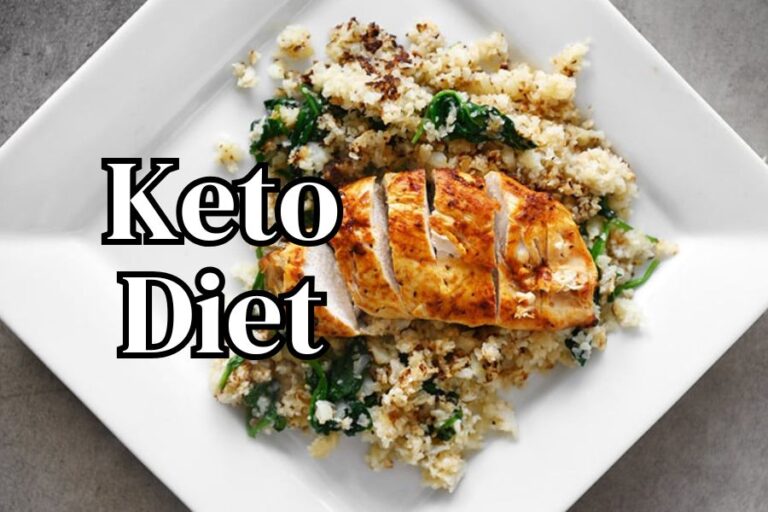
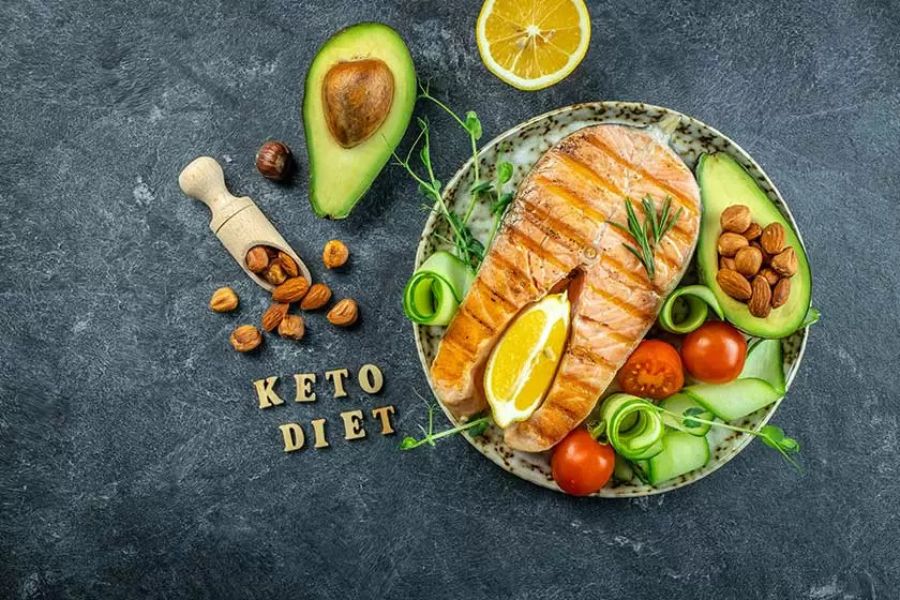
If you decide to try keto, what you put on your plate matters a lot. Many healthcare sources describe a similar list of keto friendly foods (Healthline, UC Davis Health):
Keto friendly foods
-
Animal proteins
-
Meat and poultry
-
Fatty fish such as salmon and sardines
-
Eggs
-
Dairy
-
Cheese
-
Heavy cream and some full fat yogurt
-
Butter and ghee
-
Non starchy vegetables
-
Leafy greens like spinach and kale
-
Broccoli, cauliflower, Brussels sprouts
-
Zucchini, peppers, cucumbers
-
High fat plant foods
-
Avocados and olives
-
Nuts and seeds such as almonds, walnuts, chia seeds
-
Fats and oils
-
Olive oil and avocado oil
-
Coconut oil and other cooking fats
Experts recommend focusing on healthy fats, such as monounsaturated and polyunsaturated fats from foods like olive oil, avocados, nuts, and fatty fish, to support heart health (Northwestern Medicine).
You may also see specialty products marketed for keto, such as “fat bombs” or keto coffee. Clinical dietitians note that these products are not necessary and often cost more than simple whole foods that fit the diet (University of Chicago Medicine).
Foods you typically avoid on keto
To keep carbs very low, you would sharply limit or avoid (UC Davis Health):
-
All starchy foods
-
Bread, pasta, rice, tortillas
-
Potatoes, sweet potatoes, corn, peas
-
Beans and legumes
-
Sugary foods and desserts
-
Cakes, cookies, candy, ice cream
-
Sugary drinks and many juices
-
Most fruits
-
Bananas, apples, grapes, mango, and other higher sugar fruits
-
Some plans allow small portions of high fiber berries like raspberries
-
Low fat dairy products
-
Many versions of keto favor full fat dairy and avoid low fat options.
This level of restriction is one reason many experts describe keto as difficult to maintain long term (Northwestern Medicine, University of Chicago Medicine).
Weigh the potential benefits
You may be considering keto to lose weight or manage a health concern. Research points to several possible benefits, especially in the short term, as long as the diet is well planned and supervised.
Weight loss and appetite control
Reviews summarize that ketogenic diets can support weight loss by (Healthline, Northwestern Medicine):
- Reducing hunger and appetite for many people.
- Encouraging your body to burn fat for energy.
- Improving insulin sensitivity, which can help with fat storage and blood sugar control.
Some studies show that keto can lead to slightly greater long term weight loss than low fat diets, although the difference is not huge.
At the same time, experts note that the very rapid weight drop you see in the first week or two comes mostly from water loss as your body uses up glycogen. Actual fat loss tends to be slower.
Blood sugar and metabolic health
Because you are eating very few carbohydrates, keto can help:
- Lower blood sugar levels.
- Reduce triglycerides.
- Improve certain markers of insulin resistance.
These changes can be helpful if you are managing type 2 diabetes or prediabetes, but this should always be done under medical supervision, especially if you take blood sugar medications (Healthline).
Neurological and brain health uses
The strongest evidence for keto is still in epilepsy. The diet can significantly reduce seizures in children with drug resistant epilepsy and is part of established treatment guidelines (UC Davis Health, NCBI Bookshelf).
Researchers are also studying keto or ketone based therapies for:
- Age related brain decline
- Alzheimer’s disease
- Some other neurological conditions
These uses are still considered investigational and should not be tried without guidance from a medical team.
Early research in other areas
Some early work suggests potential benefits for:
- Certain cancers
- Metabolic disorders
- Neurodegenerative diseases
However, much of this research is in animals or small human studies, and long term safety is not fully known yet (Healthline, University of Utah Health).
Understand the risks and side effects
Alongside potential benefits, the keto diet comes with real trade offs. Knowing these upfront helps you decide whether this approach fits your body, lifestyle, and long term health goals.
Short term side effects
When you first drop your carb intake, you may experience a cluster of symptoms often called the “keto flu” (UC Davis Health, Northwestern Medicine):
- Headache
- Fatigue and low energy
- Nausea
- Dizziness
- Irritability or difficulty concentrating
These usually appear in the first few days and often improve as your body adapts, but they can be uncomfortable enough to make you want to quit.
Possible nutrient gaps
Because keto heavily restricts fruits, whole grains, legumes, and some vegetables, you can miss out on important nutrients. Clinical dietitians warn about (UC Davis Health, University of Chicago Medicine):
- Lower intake of vitamins and minerals found in fruits and whole grains.
- Potential need for multivitamin and mineral supplements.
- Possible concerns about long term bone health.
Since many fiber rich foods are limited, constipation can also be an issue unless you are deliberate about including low carb, high fiber vegetables and seeds.
Cholesterol and heart health concerns
For some people, keto can increase LDL, which is commonly referred to as “bad” cholesterol. Health systems note that this may raise concerns about heart health and that your cholesterol levels should be monitored if you follow a high fat diet (UC Davis Health, Northwestern Medicine).
Choosing healthier fats, such as olive oil, avocados, nuts, and fatty fish, instead of relying mainly on processed meats and butter, becomes especially important.
Kidney and liver considerations
High intake of fat and animal products may put extra strain on your kidneys and liver, especially if you already have underlying conditions. Northwestern Medicine notes possible negative impacts on heart and kidney health and stresses the importance of medical supervision for people attempting keto (Northwestern Medicine).
In animal research, long term ketogenic diets led to fatty liver disease and impaired blood sugar regulation in mice, although some of the blood sugar issues improved when the diet was stopped (University of Utah Health). While mouse studies do not always translate directly to humans, they highlight that high fat, very low carb diets are not risk free.
Athletic performance impact
Keto is generally not recommended for athletes or people who rely on quick bursts of energy. UC Davis Health notes that the diet tends to impair athletic performance due to its strict carb restriction, even if it may be neutral or helpful for some lower intensity activities (UC Davis Health).
Long term sustainability
Clinical dietitians often describe keto as difficult to sustain and not realistic as a long term, everyday way of eating for many people. This is partly because it (University of Chicago Medicine):
- Cuts out a wide range of fresh fruits and vegetables.
- Excludes whole grains and legumes that support heart and gut health.
- Makes social eating and dining out more complicated.
For long term weight management and overall health, some experts recommend less restrictive, balanced eating patterns that emphasize whole foods rather than strict keto.
Decide if keto is right for you
Only you and your healthcare team can decide whether a ketogenic diet fits your situation. To make that decision, it helps to step back and look at your goals and your current health.
Ask yourself:
- Are you mostly curious about quick weight loss, or are you managing a specific medical condition?
- How comfortable are you with cutting out most breads, grains, and many fruits?
- Do you have any kidney, liver, heart, or metabolic conditions that could be affected by a high fat, very low carb diet?
- Are you able to work with a doctor or registered dietitian as you experiment?
Health organizations consistently recommend talking to a healthcare professional before starting keto, especially if you have diabetes, heart disease, kidney issues, or take medications that affect blood sugar or blood pressure (Healthline, Northwestern Medicine).
Take practical first steps
If you and your healthcare provider agree that trying a ketogenic diet makes sense, starting small can make the transition smoother.
1. Learn your current carb intake
Spend a few days tracking what you usually eat. You can use a food log or an app to get a rough idea of:
- How many carbs you eat now.
- Which foods contribute the most carbs.
This baseline makes it easier to plan realistic changes rather than guessing.
2. Gradually reduce high carb foods
Instead of switching overnight, you might:
- Replace sugary drinks with water or unsweetened tea.
- Swap refined grains for non starchy vegetables at one meal per day.
- Cut portions of bread, rice, or pasta in half while increasing vegetables and protein.
A slower reduction can ease “keto flu” symptoms and help you notice how your body responds as carbs go down.
3. Center meals around protein and non starchy vegetables
Build your plate with:
- A source of protein, such as chicken, fish, tofu, or eggs.
- Two or more servings of low carb vegetables, like leafy greens, broccoli, or zucchini.
- A source of healthy fat, such as olive oil, avocado, or nuts.
This structure keeps meals satisfying without relying on starches.
4. Plan simple, repeatable meals
To stick with keto, especially at the beginning, you may find it easier to rotate a few basic meals, for example:
- Scrambled eggs with spinach and avocado.
- Salmon with roasted broccoli and a side salad.
- Chicken thighs cooked in olive oil with zucchini and a small handful of nuts.
Simple, predictable options reduce decision fatigue and help you stay within your carb budget.
5. Pay attention to how you feel
As you experiment with lower carb eating, keep track of:
- Energy levels throughout the day.
- Hunger and cravings.
- Mood and concentration.
- Digestive changes.
If you feel consistently unwell, overly restricted, or stressed about food, that is an important signal. Many people find that a moderate low carb or balanced whole foods approach suits them better than strict keto.
Key points to remember
To bring it all together, here are the main things to remember as you explore what is the keto diet and whether it fits your journey:
- The ketogenic diet is a very low carbohydrate, high fat way of eating that shifts your body into ketosis, where it burns fat and produces ketones for fuel (Healthline, NCBI Bookshelf).
- It was originally created to treat epilepsy in children and is still an established therapy for certain seizure and metabolic conditions (UC Davis Health).
- For weight loss, keto can reduce appetite, improve some metabolic markers, and may lead to slightly greater long term weight loss than low fat diets, although early rapid losses often reflect water loss rather than fat alone (Healthline, Northwestern Medicine).
- The diet is highly restrictive, limiting fruits, whole grains, legumes, and many starchy vegetables, which can lead to nutrient gaps, digestive issues, and challenges with long term sustainability (University of Chicago Medicine).
- Potential side effects include keto flu, changes in cholesterol, bone health concerns, and possible impacts on kidney and liver health, especially without medical guidance (UC Davis Health, Northwestern Medicine).
Your choice does not have to be all or nothing. You might experiment with a gentler low carb pattern, focus on whole unprocessed foods, or try a short, supervised period of keto to see how your body responds.
The most important step is to choose an approach that supports your health, fits your daily life, and feels sustainable for you over time. Before making big changes, reach out to your doctor or a registered dietitian so you can move into any new eating pattern with clarity and confidence.
About the Author