Understand clean keto vs dirty keto
When you compare clean keto vs dirty keto, you are really comparing two very different approaches to the same basic idea. Both ways of eating can get you into ketosis so your body burns fat for fuel instead of carbs. The difference is what you are putting into your body along the way.
Clean keto focuses on food quality as well as your macros. You center your meals on whole, nutrient-dense foods like grass-fed beef, free-range eggs, wild-caught seafood, healthy fats, and plenty of non-starchy vegetables (Healthline). Dirty keto, sometimes called lazy keto, cares mostly about hitting your fat, protein, and carb targets, even if that comes from highly processed convenience foods.
If your goals include weight loss, better energy, and long-term health, understanding how these two versions differ will help you choose an approach that truly supports your body and lifestyle.
What clean keto is
Clean keto keeps the standard keto macro range, usually around 70% of calories from fat, 20% to 25% from protein, and 5% to 10% from carbs. What makes it different is the quality of the foods you use to reach those numbers.
On clean keto, you choose:
- Whole, minimally processed foods
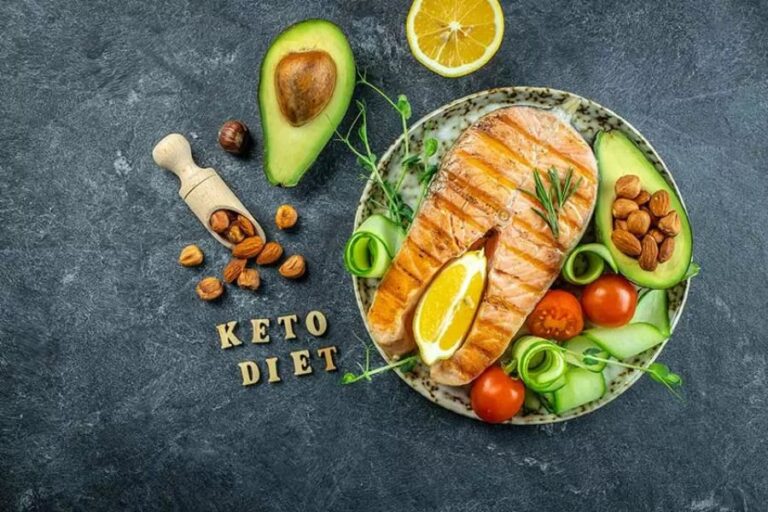
- Healthy fats like olive oil, avocado, nuts, seeds, and fatty fish
- High quality proteins such as grass-fed beef, pasture-raised poultry, and wild-caught seafood
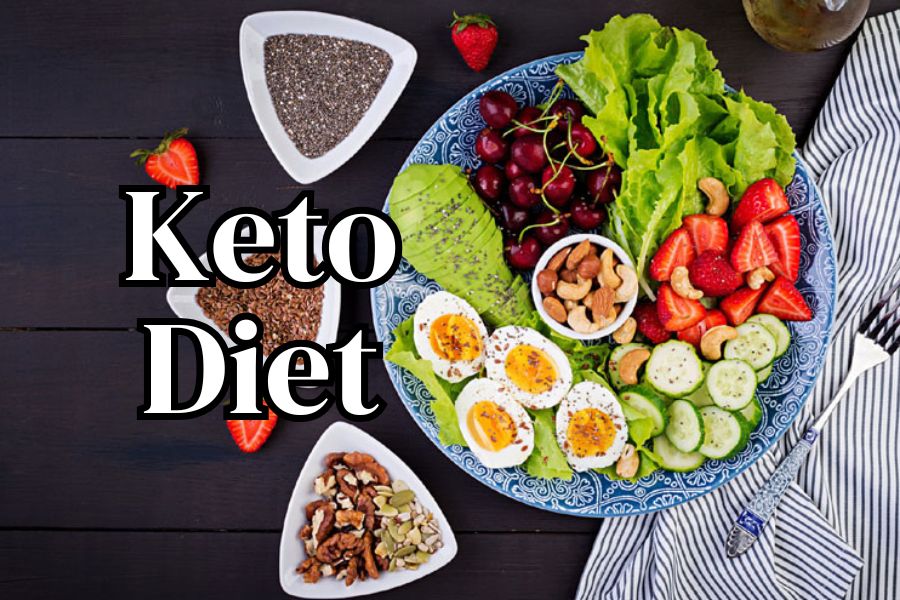
- Non-starchy vegetables like spinach, kale, broccoli, and asparagus (Healthline)
This approach is often described as combining the nutrient density of a paleo-style diet with the macro targets of keto. The goal is not just to burn fat. It is to give your body the vitamins, minerals, antioxidants, and fiber it needs to support digestion, mood, brain function, skin, and hair health (Natural Force).
Key principles of clean keto
You follow clean keto by focusing on:
-
Food quality first
You look beyond the label and ask if the food is close to its natural form. Grass-fed meat, eggs, vegetables, nuts, seeds, and unrefined oils are your staples. -
Healthy fat choices
You prioritize monounsaturated and polyunsaturated fats from sources like olive oil, avocado, nuts, seeds, and fish, and you avoid trans fats and heavily processed industrial oils such as vegetable or canola oil, which may increase inflammation and disease risk (Natural Force). -
Micronutrient density
You choose foods that supply calcium, magnesium, zinc, folate, vitamins C, D, and K, and other micronutrients that can be lacking in more processed diets (Healthline). -
Non-starchy vegetables every day
Leafy greens and low carb vegetables appear in most of your meals. They add fiber, antioxidants, and volume to your plate without pushing you out of ketosis.
What a clean keto day can look like
Here is an example of how you might eat on a clean keto day:
- Breakfast: Scrambled free-range eggs cooked in olive oil with spinach and avocado
- Lunch: Grilled wild-caught salmon with arugula, cucumbers, olive oil, and lemon
- Snack: A small handful of macadamia nuts and celery sticks
- Dinner: Grass-fed beef burger served over a bed of mixed greens with roasted broccoli and asparagus
You still track your carbs and watch your macro balance, but your focus is on building meals from foods that look like they came from a farm or the sea, not a factory.
What dirty keto is
Dirty keto, or lazy keto, follows roughly the same macro breakdown as clean keto, but it does not prioritize food quality. The main goal is to stay at about 70% fat, 25% protein, and 5% carbs, no matter where those macros come from (Natural Force).
On dirty keto, you might rely on:
- Packaged keto snacks
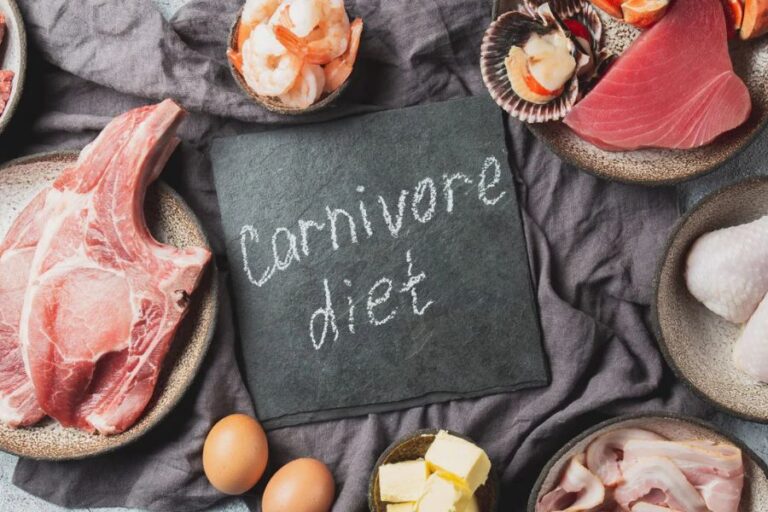
- Fast food burgers without the bun
- Processed meats like deli ham and bacon
- Cheese slices and cheese chips
- Sugar-free sodas and artificially sweetened drinks
The appeal is obvious. You can get into ketosis without much cooking, meal prep, or label reading. If you have a busy schedule or you just want to lose weight as fast as possible, dirty keto can look like the easy route.
Typical dirty keto foods
Examples of dirty keto choices include:
- Keto donuts or cookies made with artificial sweeteners and refined oils
- Frozen chicken tenders coated in low carb breading
- Highly processed deli meats and sausages
- Packaged cheese crisps and pork rinds
- Diet sodas and sugar-free flavored drinks
These options often fit your macros, but they are usually high in preservatives, sodium, additives, and chemicals that can promote inflammation and other negative health effects (Natural Force).
How clean keto and dirty keto compare
To see the powerful differences in clean keto vs dirty keto more clearly, it helps to look at them side by side.
Side by side comparison
| Aspect | Clean keto | Dirty keto / Lazy keto |
|---|---|---|
| Main focus | Ketosis plus food quality and nutrients | Hitting macros only, regardless of food quality |
| Typical foods | Whole meats, eggs, seafood, olive oil, avocado, low carb vegetables | Fast food without the bun, processed meats, packaged keto snacks, diet sodas |
| Micronutrients | Higher in vitamins and minerals like calcium, magnesium, zinc, vitamins C, D, K (Healthline) | Often lower in micronutrients, higher risk of deficiencies (Healthline) |
| Fiber intake | Higher, due to regular non-starchy vegetables | Often low, since vegetables are limited and refined products dominate |
| Fats | Emphasis on healthy fats, avoidance of trans fats and processed oils (Natural Force) | May include unhealthy fats from refined oils and highly processed products |
| Convenience | Requires more cooking and planning | Very convenient, heavy use of ready-to-eat or fast food |
| Short term weight loss | Yes, with added focus on health | Yes, often through ketosis and calorie deficit |
| Long term health impact | Supports better gut, heart, and metabolic health (Natural Force) | Increased risk of nutrient deficiencies and potential health issues over time |
| Sustainability | More sustainable for long term wellness | Harder to sustain without health side effects |
Both approaches can put you in ketosis and help you burn fat, but only clean keto consistently supports your long term health and nutrient needs.
Health benefits of clean keto
When you lean toward clean keto, you give your body more than just a different fuel source. You provide the building blocks it needs for many key functions.
Better nutrient intake
Because clean keto is built around whole foods, you naturally take in more vitamins and minerals. Non-starchy vegetables, high quality meats, and healthy fats provide:
- Calcium, magnesium, and zinc
- Folate and other B vitamins
- Vitamins C, D, and K
These micronutrients support:
- Energy production and reduced fatigue
- Strong bones and teeth
- Immune health
- Healthy skin and hair
Whole foods also provide phytonutrients and antioxidants that are not present in most processed items. According to Healthline, clean keto can help prevent nutrient deficiencies that are more common on dirty keto (Healthline).
More fiber and better digestion
A common complaint on standard or dirty keto is constipation. Clean keto tackles this by including low carb, high fiber vegetables in your daily meals. This extra fiber:
- Keeps your digestion moving
- Helps you feel fuller for longer
- Stabilizes blood sugar
- Supports weight loss, partly by reducing overall food intake (Natural Force)
In other words, the more you rely on leafy greens and non-starchy vegetables instead of packaged foods, the more comfortable and sustainable keto is likely to feel.
Reduced inflammation and disease risk
Clean keto encourages you to avoid trans fats and heavily processed industrial oils that have been linked with inflammation and a higher risk of heart disease and type 2 diabetes (Natural Force). By choosing olive oil, avocado, nuts, and fatty fish instead, you give your body fats that help support heart and brain health.
Healthline notes that clean keto is generally advised over dirty keto because its higher nutritional value may help reduce disease risk over time (Healthline).
More sustainable results
Many experts consider clean keto superior to dirty keto because it improves nutrient intake, supports gut and heart health, and is easier to maintain as a long term lifestyle (Natural Force).
When your meals leave you satisfied, energized, and free of major side effects, you are more likely to stay consistent. That consistency is what turns early weight loss into lasting progress.
Risks and drawbacks of dirty keto
Dirty keto can feel tempting if you want fast results without changing your food habits too much. It is possible to lose weight this way, but you should know what you might be trading for speed and convenience.
Nutrient deficiencies
Relying heavily on processed, packaged foods makes it harder to get the vitamins and minerals your body needs. Dirty keto has been linked to deficiencies in:
- Calcium
- Magnesium
- Zinc
- Folic acid
- Vitamins C, D, and K
These nutrients are better absorbed from whole foods rather than fortified products or supplements (Healthline). Over time, low levels can show up as:
- Fatigue and low energy
- Frequent illnesses
- Bone and joint issues
- Dull skin and hair
Digestive and energy issues
With few vegetables and very little fiber, dirty keto often leads to digestive problems, especially constipation. Natural Force notes that dirty keto can also cause:
- Brain fog
- Sleep disruptions
- Fatigue
- Rebound weight gain after stopping the diet (Natural Force)
These symptoms can be signs that your body is not getting the nutrients or gut support it needs, even if the scale is going down.
Higher sodium and additive intake
Dirty keto foods like deli meats, cheese chips, chicken tenders, and keto snacks are often high in sodium, preservatives, and artificial ingredients. According to Healthline, high sodium intake is linked to health risks like high blood pressure and heart disease (Healthline).
Eating this way occasionally is one thing. Making it your main way of eating is more likely to affect your blood pressure, inflammation levels, and overall health.
Clean keto vs dirty keto for weight loss
If your primary goal is weight loss, you might wonder if it really matters where your macros come from, as long as you stay in ketosis and in a calorie deficit.
Short term vs long term results
In the short term, both clean and dirty keto can help you:
- Enter ketosis
- Burn stored fat
- See rapid water weight loss as you cut carbs
Dirty keto can deliver quick results with very little effort. You may be able to eat fast food burgers without buns and packaged treats while still losing weight. Natural Force confirms that dirty keto can support weight loss through ketosis and a calorie deficit (Natural Force).
Over time, though, the difference becomes clear. Clean keto is more likely to:
- Help you maintain energy throughout the day
- Reduce cravings, thanks to better nutrient and fiber intake
- Support hormone and metabolic health
- Prevent the rebound weight gain that often follows restrictive, low quality diets
Dirty keto, on the other hand, may make it harder to stay on track long term if you feel sluggish or deal with ongoing digestive issues.
How to align keto with your goals
If you want both weight loss and better health, clean keto gives you a better foundation. You do not have to be perfect. Small shifts, like swapping a packaged snack for nuts and veggies, or choosing grilled meat and salad instead of breaded chicken and fries, can slowly move you from dirty toward clean without feeling extreme.
How to transition from dirty to clean keto
If you are already on keto and recognize more dirty than clean choices in your routine, you do not need to start over. You can simply improve what you are doing step by step.
Step 1: Upgrade your fats
Look at the fats you use most often. Replace:
- Vegetable oil, canola oil, or blended seed oils
- Margarine or shortening
With:
- Extra virgin olive oil for salads and low to medium heat cooking
- Avocado oil for higher heat cooking
- Real butter or ghee in moderation
- Avocados, olives, nuts, and seeds as whole food fat sources
This single change immediately reduces your intake of processed industrial oils that can promote inflammation (Natural Force).
Step 2: Add vegetables to every meal
Keep your current proteins and fats, but start adding non-starchy vegetables:
- Toss a handful of spinach into your scrambled eggs
- Add a side salad to your bunless burger
- Roast broccoli or asparagus with olive oil to serve alongside meat or fish
This quickly boosts your fiber, vitamins, and minerals, and it helps with fullness and digestion (Healthline).
Step 3: Simplify your proteins
Gradually swap out highly processed meats for simpler options:
- Choose grilled chicken thighs instead of breaded tenders
- Pick a plain burger patty or steak instead of cured or heavily seasoned deli meats
- Opt for wild-caught salmon, sardines, or other fish a few times a week
You still hit your protein and fat targets, but you cut back on sodium, preservatives, and additives.
Step 4: Taper packaged keto treats
You do not have to eliminate them overnight. Try:
- Keeping packaged keto snacks for occasional use instead of daily
- Replacing one snack per day with a whole food option like nuts, seeds, cheese, or cut vegetables
- Saving keto desserts for weekends or special occasions
Over time, you will likely notice that your cravings fade and your energy improves as processed items play a smaller role.
Is an 80/20 approach right for you
If the idea of eating perfectly clean keto all the time feels overwhelming, you are not alone. Many people find that a flexible approach works better in real life.
How the 80/20 model works
An 80/20 approach means:
- About 80% of the time, you follow clean keto. You focus on whole foods, healthy fats, and plenty of low carb vegetables.
- About 20% of the time, you allow dirty keto choices. This might cover social events, travel, or very busy days when convenience matters most.
Natural Force notes that this kind of balance helps you enjoy the practicality of dirty keto when you truly need it while keeping your overall pattern rooted in clean keto for long term health (Natural Force).
When 80/20 can be helpful
You might benefit from this balanced approach if:
- You travel often or have limited control over meals at work
- You are transitioning from a very processed diet and do not want to change everything overnight
- You tend to overcorrect after strict rules, leading to cycles of restriction and overeating
With 80/20, you keep your focus on your long term goals while giving yourself realistic room for life to happen.
How to decide which approach fits you
Choosing between clean keto vs dirty keto is not about perfection. It is about what will move you toward better health and a weight that feels right for you, in a way you can maintain.
Questions to ask yourself
You can clarify your direction by asking:
- How important is long term health, not just fast weight loss, in your goals right now?
- Are you willing to spend a little more time cooking or prepping simple meals a few days a week?
- Do you notice differences in your energy, digestion, or mood when you eat more processed foods?
- What small change could you make this week that would move you one step closer to clean keto?
Your answers can guide how quickly and how strictly you lean into clean keto.
Simple next steps you can take today
You do not need a full meal plan to start. You can:
- Swap one processed snack for a whole food option
- Add a serving of non-starchy vegetables to one meal
- Choose olive oil or avocado oil instead of a mixed vegetable oil
- Cook one dinner at home with a simple protein, vegetable, and healthy fat
Each small change stacks up, and over time your eating pattern can shift from mostly dirty to mostly clean without feeling like an all-or-nothing overhaul.
Key takeaways
- Both clean keto and dirty keto can get you into ketosis and support weight loss.
- Clean keto emphasizes whole, nutrient-dense foods and healthy fats, which can improve digestion, energy, and long term health (Healthline, Natural Force).
- Dirty keto relies on processed convenience foods that can be low in vitamins and minerals and high in sodium, preservatives, and unhealthy fats, which may raise your risk of nutrient deficiencies and other health issues (Healthline, Natural Force).
- If you want both weight loss and better overall wellness, tilting your choices toward clean keto is likely to be more sustainable and supportive.
- You do not have to switch overnight. An 80/20 approach, or a series of small upgrades like better fats and more vegetables, can help you move from dirty to clean at a pace that fits your life.
You can start right where you are. Take one meal today and make it a little cleaner. Over time, those choices can add up to the kind of results you can feel and maintain.
About the Author