Understand what “foods allowed on keto” means
When you look up foods allowed on keto, you are really asking what you can eat while staying in ketosis. On a ketogenic diet, you drastically cut carbs and increase fat so your body shifts from burning glucose to burning fat for fuel, a state called ketosis (EatingWell).
Most keto plans:
- Limit carbs to about 20 to 50 grams per day (Healthline)
- Keep fat high, protein moderate, and carbs very low
- Focus on whole, minimally processed foods
In practical terms, this means your plate is filled with meat or fish, nonstarchy vegetables, healthy fats, and a small amount of low‑sugar fruits, nuts, and seeds.
Below you will find a friendly list of keto‑approved foods, broken down by category so you can build satisfying meals without a calculator in your hand all day.
Build your keto plate
Think of your typical meal as four simple parts:
- A protein
- Plenty of low‑carb vegetables
- A generous serving of healthy fats
- Optional extras like dairy, nuts, and a bit of fruit
Each section below walks you through keto‑friendly options so you can mix and match.
Choose keto proteins
Protein on keto should be moderate, not unlimited. Many experts suggest getting 10 to 20 percent of your daily calories from protein to support weight loss and muscle maintenance without pushing you out of ketosis (Lose It).
Meat and poultry
You can enjoy a wide variety of meat and poultry on keto, since they are naturally low in carbs:
- Beef (ground, steaks, roasts)
- Pork (chops, pork shoulder, pork belly)
- Lamb
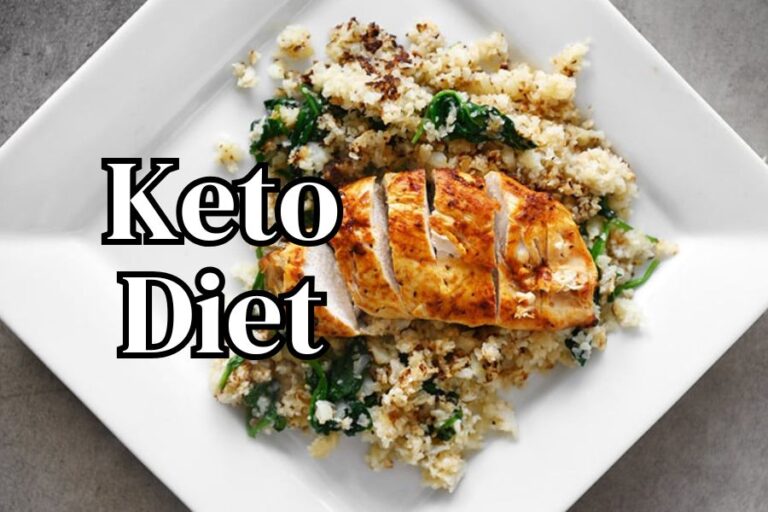
- Chicken (thighs, breasts, wings, drumsticks)
- Turkey
Fresh meats and poultry are staples of most ketogenic meal plans because they contain no carbohydrates and provide B vitamins and important minerals (EatingWell).
If you want to keep things as “clean keto” as possible:
- Favor grass‑fed beef when you can, since it provides complete proteins and more heart‑healthy omega‑3 fats (Lose It).
- Choose minimally processed cuts rather than heavily processed sausages or deli meats, which can come with added sugars and preservatives.
Fish and seafood
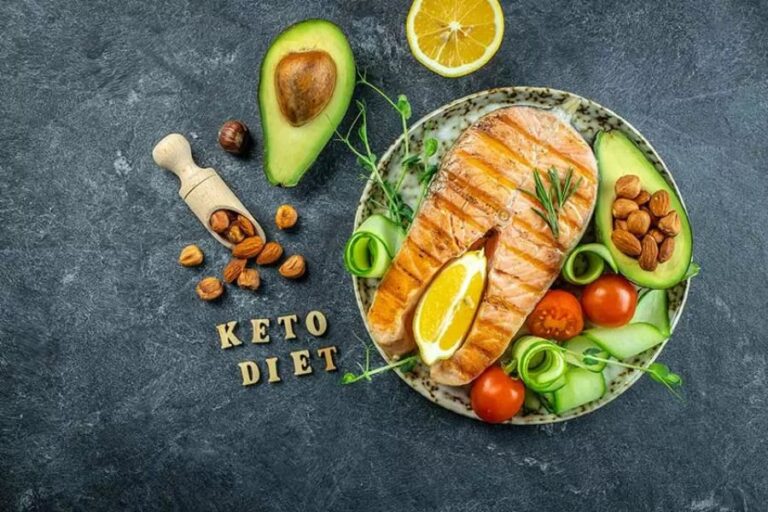
Fatty fish and seafood are some of the most powerful foods allowed on keto. They are essentially carb free and rich in omega‑3 fats that may support blood sugar and insulin balance (Healthline).
Good options include:
- Salmon
- Sardines
- Mackerel
- Albacore tuna
- Herring
- Shrimp and other shellfish
Guides often recommend eating at least two 3‑ounce servings of fatty fish each week to support heart health and general wellbeing on keto (EatingWell).
Eggs
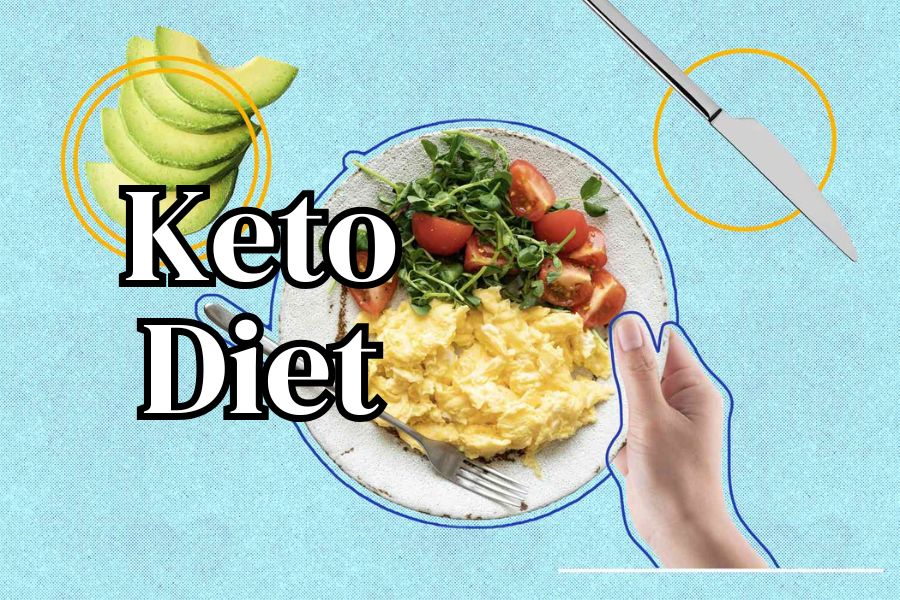
Eggs are a keto favorite for a reason. They are versatile, budget‑friendly, and naturally low in carbs. You can:
- Scramble them in butter
- Make veggie omelets
- Hard‑boil a batch for snacks
- Bake them into crustless quiches or frittatas
If you have access, pasture‑raised eggs can be a nutrient upgrade, since they can have more omega‑3 fatty acids and higher levels of vitamins A and E (Lose It).
Plant‑based proteins
If you prefer some plant‑based options, you can still stay low carb:
- Tofu
- Certain nuts and seeds (more on these below)
Tofu can fit into a clean keto pattern when used in moderation and paired with plenty of low‑carb vegetables and fats (Lose It).
A quick note on protein portions
Too much protein can be counterproductive on keto. Excess protein can be converted into glucose, which may raise blood sugar and interfere with ketosis. Some experts suggest aiming for 0.6 to 1 gram of protein per pound of lean body mass to stay in a healthy range (Lose It).
If you are hungry, it often helps to add more fat, not just more meat.
Load up on low‑carb vegetables
Vegetables are absolutely part of the list of foods allowed on keto. The key is choosing nonstarchy ones that are low in net carbs but rich in fiber, vitamins, and antioxidants.
Best vegetables for strict keto
On a strict ketogenic diet, vegetables that contain less than 5 grams of net carbs per 100 grams are considered very keto friendly (Diet Doctor). You can enjoy these fairly freely if you stay under your daily carb limit:
- Spinach
- Zucchini
- Lettuce and leafy greens
- Cucumbers
- Cabbage
- Asparagus
- Kale
Nonstarchy vegetables like broccoli, cauliflower, green beans, bell peppers, and more often contain less than 8 grams of net carbs per cup, which keeps them suitable for keto when you watch portions (EatingWell).
Vegetables to enjoy, but measure
Some vegetables are still allowed, but you will want to be mindful of how much you use so you do not exceed 20 to 50 grams of carbs per day:
- Bell peppers, which can have 4 to 7 grams of net carbs per medium pepper
- Brussels sprouts
- Green beans
- Tomatoes
These veggies are nutritious, so instead of avoiding them completely, use measured amounts and pair them with low‑carb options like leafy greens (Diet Doctor).
Vegetables to keep very small
A few vegetables are higher in carbs but still appear in many keto recipes in small quantities:
- Onions
- Caramelized onions
- Root vegetables in tiny amounts as flavoring
Onions, for instance, can contain 6 to 19 grams of carbs per 100 grams. That means a generous pile of sautéed onions can quietly push up your carb intake, so it helps to use them as a seasoning rather than the main event (Diet Doctor).
Vegetables that usually do not fit
If you are aiming for classic or strict keto, certain plant foods tend to be off the regular menu because they are higher in carbs:
- Most legumes, such as peas, beans, and lentils
- Grains and grain‑like foods, such as corn and quinoa
These are filling and nutritious in other eating patterns but make it hard to keep daily carb intake under 20 grams (Diet Doctor).
Boost veggies with healthy fats
To stay in ketosis, it is not enough to limit carbs. You also need to intentionally add fat. Vegetables are a great vehicle for this. You can:
- Sauté broccoli or zucchini in butter, ghee, or avocado oil
- Toss salads with olive oil or avocado oil dressings
- Finish cooked greens with a splash of heavy cream
Fats like butter, lard, coconut oil, avocado oil, ghee, or heavy cream can help you meet your fat goals and support your body’s switch to burning fat for fuel (Diet Doctor).
Add healthy keto fats
Healthy fats are at the heart of most lists of foods allowed on keto. They provide energy, keep you full, and support ketosis when carbs are low.
Cooking and finishing oils
You have several zero‑carb oil options:
- Olive oil
- Avocado oil
- Coconut oil
- Butter
- Ghee
Olive oil has been linked with lower heart disease risk and is a core part of many heart‑healthy eating patterns (EatingWell). Coconut oil contains medium‑chain triglycerides (MCTs) that may boost ketone production and aid weight loss for some people (EatingWell).
Fats from whole foods
You can also get fats from whole foods like:
- Avocados
- Olives
- Fatty fish
- Nuts and seeds
Avocados and olives show up in both the “fat” and “fruit” categories on keto, which can make building meals easier and more interesting.
Pick keto‑friendly dairy and milk
Dairy can absolutely be part of your list of foods allowed on keto, but you will need to pay attention to sugars and carb content, especially in milk and yogurt.
Low‑carb dairy that usually works
Low‑carb, high‑fat dairy products can help you reach your fat goals and provide important nutrients such as calcium, vitamin D, and high‑quality protein (Dairy Farmers of America):
- Hard and semi‑soft cheeses (cheddar, gouda, parmesan, Swiss)
- Soft cheeses (cream cheese, brie, mascarpone)
- Cottage cheese in small, measured amounts
- Heavy cream (often used in coffee or cooking)
- Sour cream used as a topping or in dips
These choices are generally low in carbs and high in fat, which fits well with a ketogenic macro balance.
Dairy to treat carefully
Some dairy foods are higher in natural sugars, which can add up quickly when your daily carb budget is small:
- Whole milk
- Half‑and‑half
- Evaporated milk
Each of these can contain around 10 grams of lactose per serving, and lactose is a natural sugar that can interfere with ketosis if you are not watching your total intake (Dairy Farmers of America).
Flavored yogurts, ice creams, and sweetened dairy drinks usually contain added sugars and are not a good fit for keto (Dairy Farmers of America).
Milk and milk alternatives
Standard cow’s milk can be tricky on a ketogenic diet. One cup of 1 percent cow’s milk has about 12.7 grams of carbohydrates, mostly from lactose. Since many keto plans cap carbs at 20 to 50 grams per day, that single cup can use up a large chunk of your daily allowance (MedicineNet).
Plant‑based milks can be more keto‑friendly, especially when they are unsweetened:
- Unsweetened almond milk
- Unsweetened coconut milk
- Unsweetened flax milk
These tend to be lower in carbs than animal‑based milks and are usually considered keto‑safe options (MedicineNet).
Be careful with sweetened versions. For example, sweetened almond milk can have about 5 grams of carbs per 100 grams, while unsweetened almond milk can have less than 1 gram. Checking the nutrition label makes a big difference here (MedicineNet).
Enjoy low‑sugar fruits
Fruit is often confusing when you are learning which foods are allowed on keto. You do not have to ditch fruit entirely, but you will choose low‑sugar, high‑fiber options and limit portion sizes.
Top keto‑friendly fruits
The following fruits tend to be the most keto‑friendly when measured carefully:
-
Avocados
-
About 1.5 grams of net carbs per 100‑gram serving
-
High in healthy fats, vitamin K, folate, vitamin C, and potassium
-
A standout choice for keto meals and snacks (Healthline, Verywell Health)
-
Berries
-
Strawberries have about 8.7 grams of net carbs per 1‑cup serving and contain vitamin C, manganese, folate, and antioxidants (Healthline)
-
Raspberries have around 7 grams of net carbs per 1‑cup serving and are rich in vitamin C, manganese, vitamin K, and antioxidants (Healthline)
-
Berries in general, including blackberries, tend to be low in sugar and high in fiber, which lowers net carbs and makes them a good fit for keto when portioned carefully (Verywell Health)
-
Olives and tomatoes
-
Olives provide monounsaturated fats and vitamin E for heart health
-
Tomatoes offer antioxidants such as lycopene and beta carotene, plus potassium and folate
-
Both can fit into a low‑carb plan in moderate amounts (Verywell Health)
-
Lemons
-
About 4 grams of net carbs per fruit
-
Rich in vitamin C and pectin, a fiber that can support blood sugar regulation and inflammation control (Healthline)
-
Easy to use in water, dressings, or marinades rather than as a snack
Fruits to enjoy occasionally and mindfully
Some fruits are not as low carb as avocados or berries but can still show up in a keto lifestyle if you keep portions small:
-
Watermelon
-
Around 11 grams of net carbs per 1‑cup serving
-
High water content and sources of vitamin C, potassium, copper, and lycopene
-
Best used in smaller portions that fit your daily carb allotment (Healthline, Verywell Health)
-
Peaches, cantaloupe, star fruit, and plums
-
Can fit in moderation due to relatively lower carb content compared with very sweet fruits
-
Portion control matters, especially for peaches and plums
-
Dried versions like prunes usually contain too many carbs for strict keto (Verywell Health)
When in doubt, measure your serving and factor it into your daily carb total.
Snack on nuts and seeds
Nuts and seeds appear in almost every list of foods allowed on keto because they provide a convenient mix of fat, fiber, and protein.
Common options include:
- Almonds
- Walnuts
- Pecans
- Macadamia nuts
- Chia seeds
- Flaxseeds
- Pumpkin seeds
- Sunflower seeds
Nuts and seeds tend to be high in fat and low in carbs, and regular consumption has been linked with lower risks of heart disease and some cancers (Healthline). Their fiber content also helps with feelings of fullness, which comes in handy when you are adjusting to a new way of eating.
Since nuts are calorie dense, it helps to:
- Portion out a small handful instead of snacking straight from the bag
- Use them as toppings on salads, yogurt, or veggie dishes rather than the base of a meal
Use this quick keto food checklist
When you are at the store or planning meals, it helps to have a simple mental checklist of foods allowed on keto:
-
Proteins
-
Meat and poultry: beef, pork, lamb, chicken, turkey
-
Seafood: salmon, sardines, mackerel, tuna, shrimp
-
Eggs: especially whole eggs, cooked any way you like
-
Tofu and other minimally processed plant proteins
-
Vegetables
-
Low carb: spinach, kale, lettuce, cucumbers, zucchini, cabbage, asparagus, broccoli, cauliflower
-
Use carefully: bell peppers, tomatoes, Brussels sprouts, green beans, onions
-
Fats and oils
-
Olive oil, avocado oil, coconut oil
-
Butter, ghee, lard
-
Fats from whole foods like avocados, olives, fatty fish, nuts, and seeds
-
Dairy and milk options
-
Cheese, heavy cream, sour cream, cream cheese
-
Unsweetened almond, coconut, or flax milk
-
Limit cow’s milk, sweetened yogurts, and ice cream
-
Fruits
-
Go‑tos: avocados, strawberries, raspberries, blackberries, olives, tomatoes, lemons
-
Occasional: watermelon, peaches, cantaloupe, star fruit, plums in small portions
Sticking mostly to this list keeps you within the typical 20 to 50 grams of carbs per day that many keto plans recommend (Healthline).
Connect your foods to your goals
If your main goal is weight loss or better blood sugar control, a well‑planned keto diet can help you get there. Some people see noticeable weight loss early on, especially when they combine low‑carb eating with whole, nutrient‑dense foods and pay attention to how their body responds (MedicineNet).
As you put this list of foods allowed on keto into practice, you can:
- Start by building one keto‑friendly meal per day
- Notice which foods keep you full and energized the longest
- Adjust your portions of fat and protein as needed, keeping carbs low
You do not have to change everything at once. Even small shifts, like swapping regular milk for unsweetened almond milk, or trading a big bowl of pasta for a plate of salmon and roasted broccoli, can move you closer to your health goals while staying comfortably within the keto framework.
About the Author