A meat heavy diet has become trendy, and if you are comparing the carnivore diet vs keto, it can be hard to sort hype from reality. Both approaches promise rapid weight loss, better blood sugar, and more energy. Both cut carbohydrates to push your body toward burning fat instead of sugar. Yet they are very different in what you actually eat day to day, and in how they may affect your long term health.
Below, you will see how carnivore and keto really work, what research actually says, and how to decide what, if anything, is worth trying for your own goals.
Understand what each diet really is
Before you compare, you need a clear picture of what you would be eating on each plan.
What you eat on carnivore
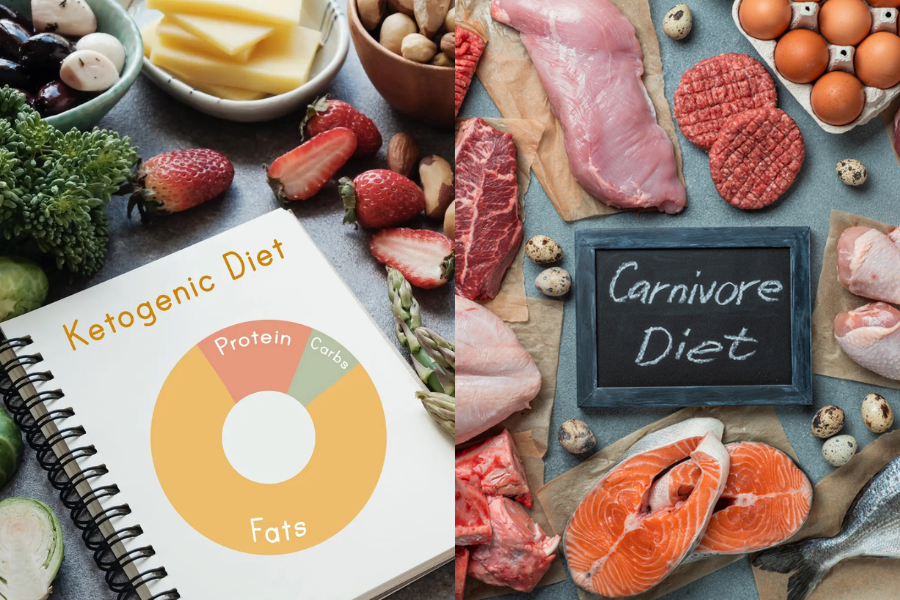
On a strict carnivore diet, you eat only animal products. That means meat, fish, eggs, and sometimes dairy like cheese and butter. You do not eat any fruits, vegetables, grains, legumes, nuts, seeds, or added sugars at all. The goal is to reach nearly zero carbohydrates and get every calorie from protein and fat (Healthline).
This makes carnivore one of the most restrictive ways of eating you can follow. Supporters say this simplicity makes food choices easier and can help with cravings. Critics point out that it cuts out entire food groups that contain fiber and many vitamins.
What you eat on keto
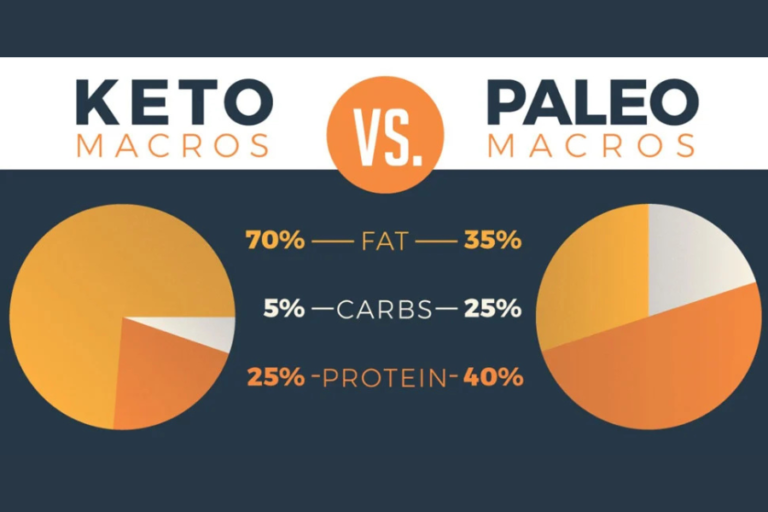
On a ketogenic, or keto, diet you still sharply limit carbohydrates, but you do not eliminate all plant foods. You typically eat high fat, moderate protein, and very low carbs, often around 50 grams of carbs per day. By comparison, standard guidelines suggest 225 to 325 grams of carbs per day on a 2,000 calorie diet (Health).
On keto, you usually include:
- Fats like olive oil, avocado, butter, and cream
- Protein like meat, poultry, eggs, and fish
- Low carbohydrate vegetables, mostly non starchy
- Small amounts of nuts, seeds, and sometimes berries
The aim is to enter ketosis, a metabolic state where your body burns fat for fuel instead of glucose (Health).
Compare how they affect weight loss
If you are looking at carnivore diet vs keto, weight loss is probably high on your list.
Why both can reduce your weight
Both carnivore and keto reduce your carbohydrate intake dramatically. When you cut carbs, your insulin levels often drop and your body releases stored water and glycogen. This can cause quick, early weight loss.
High protein and fat can also help you stay full, so you may naturally eat fewer calories without tracking every bite. Research on low carbohydrate and high protein diets shows that higher protein can improve satiety and increase metabolic rate, which supports weight loss, even when you do not fully remove carbs (Healthline).
On keto in particular, studies show very low carbohydrate ketogenic diets can lead to significant weight loss in the first 6 to 12 months, along with improvements in blood lipids and blood pressure (Cureus).
Do you need to cut all carbs to lose fat
Despite the promise of carnivore, current evidence does not show that you must completely eliminate carbohydrates to lose weight. The same satiety benefits that make carnivore appealing can be achieved with a more moderate low carbohydrate or keto plan that still includes some plant foods (Healthline).
Reviews of ketogenic diets suggest that while weight loss and metabolic improvements are clear in the short term, the benefits tend to weaken after about a year, likely because the diet is hard to maintain over time (Cureus). There is even less controlled research on carnivore itself, so its long term weight loss effects are mostly unknown.
If your primary goal is sustainable fat loss rather than a quick drop on the scale, you will want to consider not just what works for a few months, but what you can realistically live with.
Look at health benefits and risks
Weight loss is only one part of the picture. You also want to know how carnivore diet vs keto may affect your heart, blood sugar, gut, and overall health.
Blood sugar and diabetes
Because both diets reduce carbohydrates, they can lower blood sugar and improve insulin sensitivity. This is one reason why low carbohydrate patterns are studied for type 2 diabetes.
Very low carbohydrate ketogenic diets have been shown to reduce HbA1c and lessen the need for diabetes medication over several months, although this requires medical supervision due to the risk of low blood sugar (Cureus).
Carnivore may also stabilize blood sugar simply because you are not eating carbohydrate at all. Some reports suggest improved blood sugar control, but these are mostly anecdotal. Articles comparing carnivore and keto suggest that both can support diabetes management, again when monitored by a health professional (Archer Jerky).
If you already have diabetes or prediabetes, you should not try either diet on your own. You need guidance to adjust medications and monitor your response.
Heart and cholesterol health
Both carnivore and keto can be high in fat. The type of fat you eat matters a lot for your heart.
Keto diets that use mostly unsaturated fats, like olive oil and fatty fish, can improve HDL, your “good” cholesterol, and reduce triglycerides. Some research shows LDL, your “bad” cholesterol, may rise on very low carbohydrate diets, especially when saturated fats and animal products dominate (Cureus).
Carnivore relies entirely on animal products, which are often high in saturated fat, cholesterol, and sodium. This raises concerns that LDL cholesterol could increase and with it the risk of heart disease and high blood pressure over time (Healthline, Archer Jerky).
Experts from University Hospitals and other health systems describe the carnivore diet as an extreme form of keto that may carry multiple long term health risks and is unlikely to be appropriate for people with heart disease, kidney problems, nutrient deficiencies, or other vulnerabilities (University Hospitals).
Gut health, fiber, and nutrients
One of the biggest differences between carnivore and keto is fiber. Keto typically includes low carbohydrate vegetables and sometimes nuts and seeds, so you still get some fiber and plant compounds. The carnivore diet contains no fiber at all.
Lack of fiber can lead to constipation and may negatively affect the bacteria in your gut. Plant foods also provide phytonutrients and vitamins that support long term health, especially for your heart and immune system. Without them, you are at higher risk of nutrient deficiencies and possible gut inflammation (Healthline).
Nutrition specialists emphasize that a balanced pattern with vegetables, fruits, whole grains, and lean proteins is still the best supported approach for disease prevention and long term wellness, rather than extreme plans that remove entire food groups (Inspira Health Network).
Consider sustainability and lifestyle fit
Even the most effective diet will not help if you cannot stick with it.
How realistic is carnivore
Because carnivore only allows animal products, you will need to navigate social events, restaurants, and travel with very limited options. Many people find this isolating and difficult to maintain for more than a short period. Articles from medical centers describe carnivore as unsustainable for most people, especially over the long term (University Hospitals).
From a variety standpoint, eating only meat, eggs, and dairy can also become monotonous. That can lead to cravings and eventually to binge episodes for some people.
How realistic is keto
Keto is still a significant change from a standard Western diet, and the strict carb limit can feel challenging. Many people go through an adaptation phase, sometimes called “keto flu,” with fatigue, fogginess, irritability, nausea, or digestive issues as your body adjusts. You may also risk deficiencies in fiber, magnesium, vitamin C, and potassium if you are not careful with food choices (Northwestern Medicine).
At the same time, keto gives you more flexibility and a wider range of foods than carnivore. You can enjoy salads, low carbohydrate vegetables, and some plant fats, which makes restaurant meals and social situations easier to handle. For this reason, many sources consider keto more sustainable than carnivore, although long term adherence is still low and weight regain is common when people return to previous eating habits (Northwestern Medicine, Health).
Decide what might work for you
When you compare carnivore diet vs keto, there is no single best choice for everyone. There is, however, a clear difference in how extreme each approach is and how much evidence you have to guide you.
To sort through your options, start with three questions.
1. What is your actual goal
If your priority is short term weight loss or a very simple list of foods, you might be drawn to carnivore. Just remember that its claims about reduced inflammation or better mental clarity are mostly anecdotal so far, and controlled research is lacking (Inspira Health Network).
If you want a balance between low carbohydrate structure and some plant based nutrition, a well planned keto, or even a moderate low carb diet, may be more appropriate. Evidence for keto is not perfect and long term effects are still debated, but it is better studied than carnivore (Cureus).
2. What health conditions do you have
If you have heart disease, high cholesterol, kidney issues, nutrient deficiencies, are pregnant, or are considering diets for a child, experts strongly advise against extreme patterns like carnivore. The high saturated fat content, absence of fiber, and lack of plant foods increase your risk of complications (University Hospitals).
If you have diabetes or take medications for blood pressure or blood sugar, you should never start keto or carnivore without working with your doctor or a registered dietitian, since both can change how your body uses medications.
3. What can you realistically maintain
You may be tempted to commit to the strictest plan for the fastest results. However, research on ketogenic diets shows that the benefits often fade after a year as adherence drops and people go back toward old habits (Cureus). There is no sign that carnivore would be easier to maintain.
A helpful way to think about it is this:
The best diet for your health and weight is one that moves you in a better direction while still fitting your life enough that you can stick with it.
For many people, that looks like higher quality protein, plenty of vegetables, less sugar and refined starch, and room for some whole grains, fruits, and healthy fats, rather than an all or nothing plan.
Put it all together
To recap the key differences between carnivore diet vs keto in simple terms:
- Carnivore is animal products only, zero carbs, no plant foods at all. Keto is very low carb, but still includes some vegetables, plant fats, and more variety (Health).
- Both can promote short term weight loss and better blood sugar control, but keto has more research and carnivore relies heavily on anecdotal reports (Cureus, Inspira Health Network).
- Carnivore raises particular concerns about heart health, nutrient deficiencies, gut health, and long term safety. Keto also carries risks, especially with high saturated fat and low micronutrient intake, but can be designed with healthier fats and more balanced nutrition (Healthline, Northwestern Medicine).
- Both diets are hard to sustain long term. Many people regain weight once they stop. Sustainable, balanced habits still matter most for lifelong health (Health).
If you are still curious about carnivore or keto, your safest next step is to talk with your healthcare provider or a registered dietitian. Bring your goals, your health history, and your questions. Together you can decide whether a lower carbohydrate pattern makes sense for you, and how to do it in a way that protects your long term health, not just the number on the scale this month.
About the Author