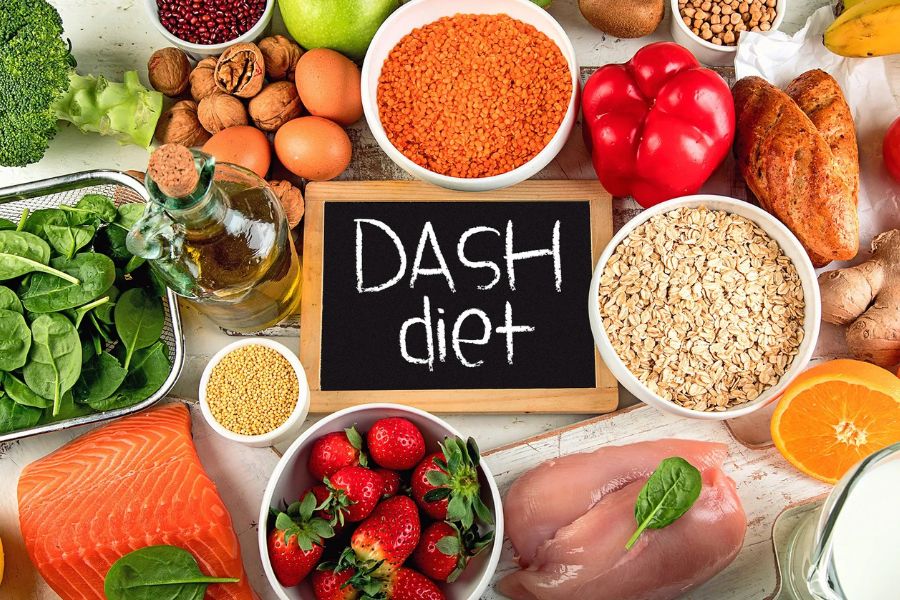
A clear dash diet grocery list makes it easier to eat for your heart, manage blood pressure, and support healthy weight loss. Instead of guessing what fits the DASH approach each time you shop, you can walk into the store with a plan and come out with foods that actually match your goals.
Below, you will build a practical list section by section, based on the DASH guidelines from Mayo Clinic. These recommendations center your cart around fruits, vegetables, whole grains, lean proteins, and low‑fat dairy, while keeping saturated fat and sodium in check. (Mayo Clinic)
Understand the basics of the DASH diet
The DASH diet, which stands for Dietary Approaches to Stop Hypertension, focuses on whole, minimally processed foods. You eat plenty of vegetables, fruits, and whole grains every day, then round out your meals with low‑fat dairy, lean proteins, beans, and nuts. (Mayo Clinic)
You also limit foods high in saturated fat, such as fatty meats and full‑fat dairy, and avoid heavily processed snacks that are loaded with sodium. DASH-style eating usually keeps sodium between 1,500 and 2,300 milligrams per day, which means you lean toward low‑sodium or no‑salt‑added versions whenever possible. (Mayo Clinic)
Plan your grocery trip by food groups
You will find it easier to build a dash diet grocery list if you think in food groups instead of single items. The Mayo Clinic breaks the plan into servings from each group at different calorie levels, so you can mix and match while keeping your day balanced. (Mayo Clinic)
Before you shop, decide how many meals and snacks you are buying for, and how often you usually eat at home. Then you can roughly match how many fruits, vegetables, grains, and protein items you need, rather than tossing random foods into your cart and hoping they work together.
Simple rule of thumb: fill most of your cart with produce and whole grains, then add lean proteins and low‑fat dairy. Leave less space for packaged treats.
Stock up on vegetables
Vegetables are a foundation of the DASH diet and show up at lunch, dinner, and even snacks. Aim for a colorful mix so you get a variety of vitamins, minerals, and fiber.
In the produce aisle, add items like these to your list:
- Leafy greens such as spinach, romaine, or kale
- Cruciferous vegetables like broccoli, cauliflower, or Brussels sprouts
- Orange veggies such as carrots, sweet potatoes, or butternut squash
- Fresh tomatoes, cucumbers, peppers, and onions
- Pre‑washed salad mixes if you are short on time
Frozen vegetables without added sauces or salt are also great to keep on hand. Look for bags labeled plain or no salt added so you can control seasonings at home.
Choose plenty of fruits
Fruit gives you natural sweetness, fiber, and potassium, which is especially helpful for blood pressure. With the DASH diet, you build fruit into your snacks, breakfasts, and even desserts. (Mayo Clinic)
On your grocery list, you might include:
- Apples, pears, and oranges for easy grab‑and‑go snacks
- Berries for oatmeal, yogurt, or smoothies
- Bananas for quick energy and potassium
- Grapes or clementines to keep in a bowl on the counter
- Frozen mixed fruit for smoothies or overnight oats
When you buy canned fruit, choose versions packed in water or their own juice, not in heavy syrup. This keeps added sugar low while still giving you convenience.
Pick the right grains
Whole grains are another core part of your dash diet grocery list. They provide fiber and help keep you full longer, which supports weight loss and stable energy.
Look for the word whole as the first ingredient on the label. You can add items such as:
- Brown rice or wild rice
- Quinoa, farro, or barley
- Whole‑wheat bread or sprouted grain bread
- Whole‑wheat pasta
- Old‑fashioned or steel‑cut oats
- Whole‑grain tortillas
If you currently rely on refined breads or white rice, you do not need to replace everything overnight. Start with one or two swaps, like using whole‑wheat bread for sandwiches and brown rice instead of white in one dinner recipe.
Add low‑fat or fat‑free dairy
Dairy in the DASH diet is there to provide calcium, protein, and vitamin D, but you keep saturated fat low by choosing fat‑free or low‑fat options. This approach supports heart health and reduces overall calories. (Mayo Clinic)
On your dairy list, consider:
- Skim or 1 percent milk
- Low‑fat or fat‑free plain yogurt
- Low‑fat Greek yogurt for extra protein
- Low‑fat cottage cheese
- Part‑skim mozzarella or other reduced‑fat cheeses, used in small amounts
If you use flavored yogurts, you might start blending plain yogurt with fresh fruit or a small drizzle of honey to gradually cut down on added sugars.
Focus on lean proteins
Protein keeps you full and helps preserve muscle while you lose weight, so it is an important piece of your cart. In the DASH diet, you stay away from fatty cuts of meat and high‑fat processed meats, and instead choose lean sources. (Mayo Clinic)
Good choices for your list include:
- Skinless chicken or turkey breasts and tenderloins
- Extra‑lean ground turkey or 90 percent (or leaner) ground beef
- Fish such as salmon, trout, cod, or tilapia
- Pork tenderloin or center‑cut pork chops trimmed of visible fat
- Eggs, especially if you balance whole eggs with extra egg whites during the week
When you buy meats, compare labels and choose cuts labeled loin or round more often, since these are typically leaner. Limit cured meats like bacon, sausage, or deli ham, because they are usually higher in both saturated fat and sodium.
Include beans, nuts, and seeds
Beans, lentils, nuts, and seeds are highly valued in the DASH diet, because they give you plant protein, fiber, and healthy fats. They are also very filling, which makes them helpful if you want to cut back on higher‑calorie snacks. (Mayo Clinic)
You might add to your grocery list:
- Canned beans such as black beans, kidney beans, chickpeas, or lentils labeled low sodium or no salt added
- Dried beans and lentils if you are comfortable cooking them from scratch
- Natural peanut butter or almond butter with minimal added sugar and salt
- Unsalted nuts such as almonds, walnuts, pistachios, or peanuts
- Seeds like chia, flax, or pumpkin seeds
Keep portions in mind, especially with nuts and nut butters, since they are calorie dense even though they are heart healthy.
Watch your sodium while you shop
Sodium control is a key part of the DASH approach, and your grocery list is where that control begins. The DASH diet typically keeps daily sodium between 1,500 and 2,300 milligrams, so small choices at the store add up quickly. (Mayo Clinic)
As you plan and shop, use a few simple strategies:
- Look for low‑sodium or no‑salt‑added canned vegetables, beans, and broths
- Choose fresh or frozen meats instead of processed deli slices or hot dogs
- Buy plain rice, pasta, and oats, and season them yourself at home
- Compare labels on sauces and condiments, and pick the lower‑sodium versions
At home, you can use herbs, spices, citrus, vinegar, garlic, and onion to add flavor without relying on the salt shaker.
Limit sweets, saturated fats, and highly processed foods
The DASH diet does not completely forbid treats, but it encourages you to enjoy them less often and in smaller portions. For everyday groceries, you keep sweets, sugary drinks, and heavily processed snacks off the main list, or you plan for very small amounts.
When you do buy these items, you can:
- Choose smaller packages so portions are built in
- Swap soda or sweet tea for sparkling water with a splash of 100 percent juice
- Pick dark chocolate and enjoy a few squares instead of a whole bar
- Bake simple desserts at home where you can control sugar and fat
You also limit foods high in saturated fat, including full‑fat dairy, butter, and fatty cuts of meat. This supports the heart‑healthy focus of the DASH pattern. (Mayo Clinic)
Turn your list into simple meals
Once you have the right foods on your dash diet grocery list, it helps to think about how they fit together on your plate. You do not need complicated recipes. You simply combine a vegetable, a lean protein, and a whole grain most of the time, then add fruit and low‑fat dairy during the day.
For example, a day of DASH‑friendly meals might look like this:
- Breakfast: Oatmeal cooked with skim milk, topped with berries and a spoonful of chopped nuts
- Lunch: Large salad with mixed greens, chickpeas, chopped vegetables, grilled chicken, and a light vinaigrette
- Snack: Apple slices with a small serving of natural peanut butter
- Dinner: Baked salmon, brown rice, and steamed broccoli with lemon and herbs
- Dessert: Plain yogurt with sliced fruit
If you plan two or three simple meal ideas before you shop, it becomes easier to choose the right items in each aisle.
Take the next small step
A dash diet grocery list is not about perfection. It is about giving yourself a clear, realistic plan that nudges you toward better choices each week. You build your cart around vegetables, fruits, whole grains, low‑fat dairy, lean proteins, and plant foods like beans and nuts, while keeping sodium and saturated fat in check using the DASH guidelines from Mayo Clinic. (Mayo Clinic)
For your next trip, choose one or two sections from this guide to focus on, such as swapping to low‑fat dairy or adding an extra bag of frozen vegetables. Over time, those small, steady changes can support healthier blood pressure, easier weight management, and a way of eating that feels both nourishing and sustainable for you.
About the Author