If you think you need squats to strengthen your glutes, think again. You can absolutely design an effective glute workout without squats and still see gains in strength and shape. Whether you find squats uncomfortable or simply want to add variety to your routine, the key is targeting your gluteal muscles from multiple angles.
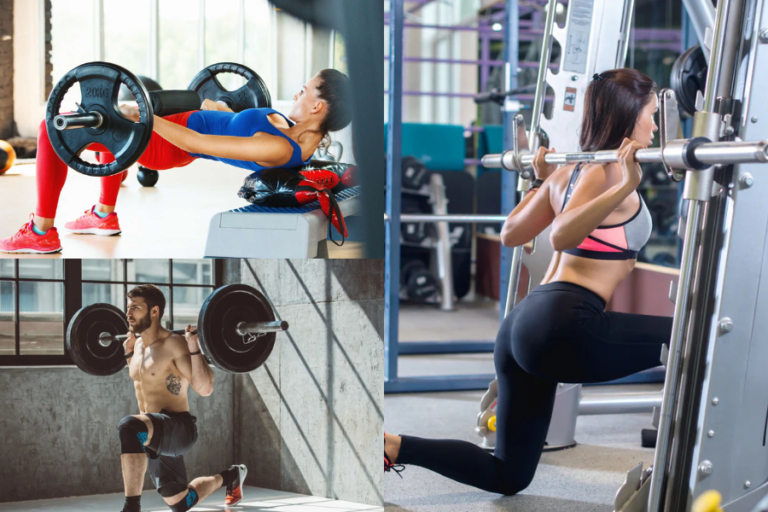
Use the glute bridge for activation
A glute bridge is a simple exercise that gets your glutes engaged right from the start. By elevating your hips off the ground, you create resistance against gravity and build a strong mind-muscle connection.
How to do it
- Lie on your back with knees bent and feet flat on the floor, hip-width apart.
- Press your heels into the ground, then lift your hips until your knees, hips, and shoulders form a straight line.
- Squeeze your glutes at the top, then lower back down with control.
Helpful tips
- Keep both feet fully grounded to maintain balance.
- Pause for a second at the top to really feel your glutes fire up.
Try single-leg movements
Single-leg exercises help you isolate each side of your body, making sure you work both the right and left glutes evenly.
Single-leg RDL (Romanian deadlift)
- Stand with feet shoulder-width apart, knees slightly bent.
- Shift your weight onto one leg, then hinge at the hips and let your upper body move forward while lifting the other leg straight behind you.
- Keep your back flat, lower until you feel tension in your hamstrings, then rise back up.
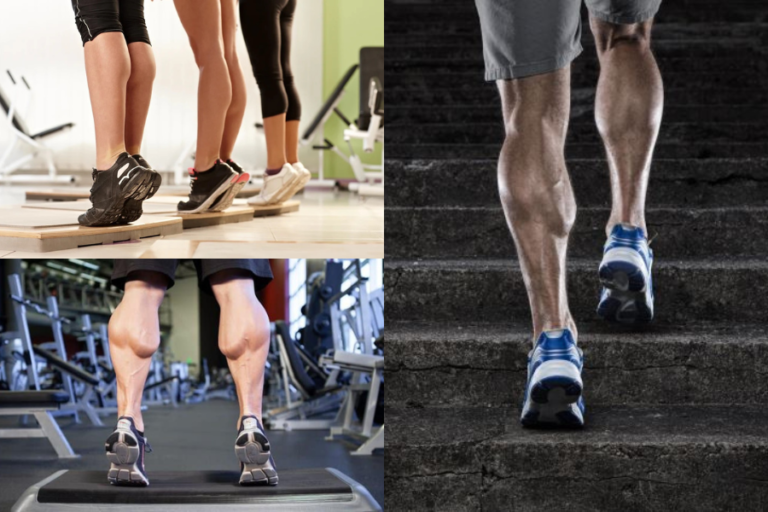
Step-ups
- Choose a step or box about knee height.
- Step one foot onto the box, driving through your heel to lift yourself up.
- Slowly lower back down and repeat on the other leg.
Add resistance bands
Resistance bands are a versatile way to increase tension on glute exercises without needing heavy weights or large gym equipment.
Banded lateral walk
- Place a loop band just above your knees or around your ankles.
- Stand with feet about hip-width apart so the band is taut.
- Take small, controlled steps to the side, staying low in a seated position.
Banded hip thrust
- Sit on the ground with your back against a stable bench.
- Place a resistance band around your hips and anchor it under the bench legs or hold it in place with your hands.
- Push through your heels to lift your hips, squeezing your glutes at the top.
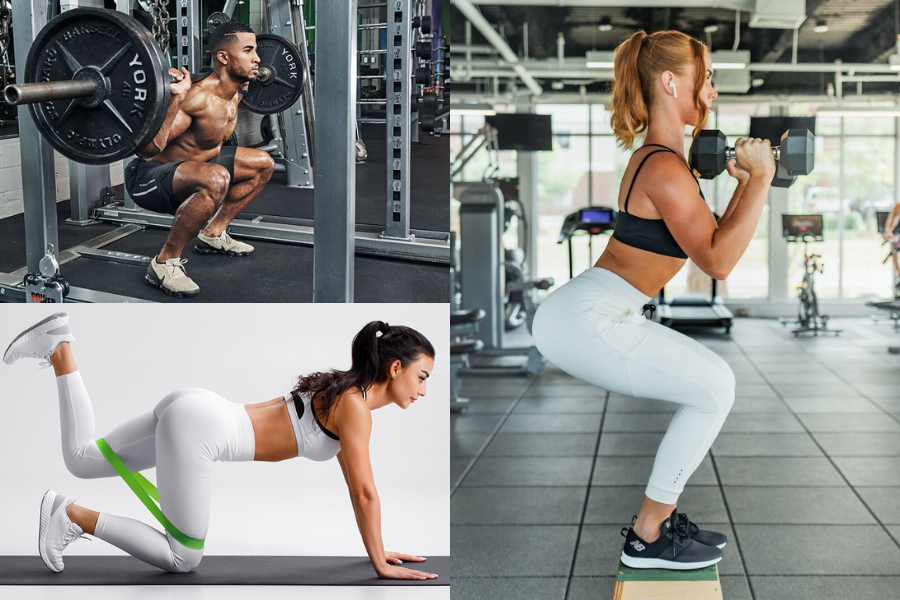
Use donkey kicks for extra burn
Donkey kicks challenge your glute, core, and balance. This move may look simple, but it effectively strengthens your lower body.
How to do it
- Start on all fours, making sure your knees are directly below your hips and your hands under your shoulders.
- Keep your knee bent at a 90-degree angle.
- Lift one leg upward, pressing your foot toward the ceiling while keeping your back straight and core tight.
- Lower your leg with control and repeat on the other side.
Incorporate hip thrust variations
Hip thrusts are one of the most effective ways to hit the glutes directly. Even though they look similar to glute bridges, hip thrusts often involve a bench or elevated surface, giving you a deeper range of motion.
Basic setup
- Rest your shoulders on the edge of a bench and keep your feet flat on the floor.
- Drive your hips upward until your torso is parallel to the ground.
- Pause briefly at the top, then lower yourself until your glutes are just above the ground.
Tips for progression
- Try adding weight, such as a dumbbell or barbell, across your hips to intensify the exercise.
- Keep your chin tucked and eyes forward to maintain good posture.
Focus on balanced routines
To see real progress, consistency is key. Train your glutes at least twice a week and pair these exercises with upper-body and core work for total body balance.
Sample weekly plan
- Day 1: Glute-focused workout (bridges, single-leg RDL, donkey kicks)
- Day 2: Upper-body exercises (push-ups, rows)
- Day 3: Glute-focused workout (hip thrusts, step-ups, banded lateral walks)
- Day 4: Rest or gentle cardio (walking, cycling)
Takeaways
When you focus on a glute workout without squats, you can still build strength and definition. Single-leg exercises challenge stability, hip thrusts and bridges build serious muscle activation, and bands add extra resistance. By mixing and matching a few of these moves each week, you will keep your workouts interesting and effective. Above all, listen to your body, progress slowly, and celebrate small steps along the way.
About the Author