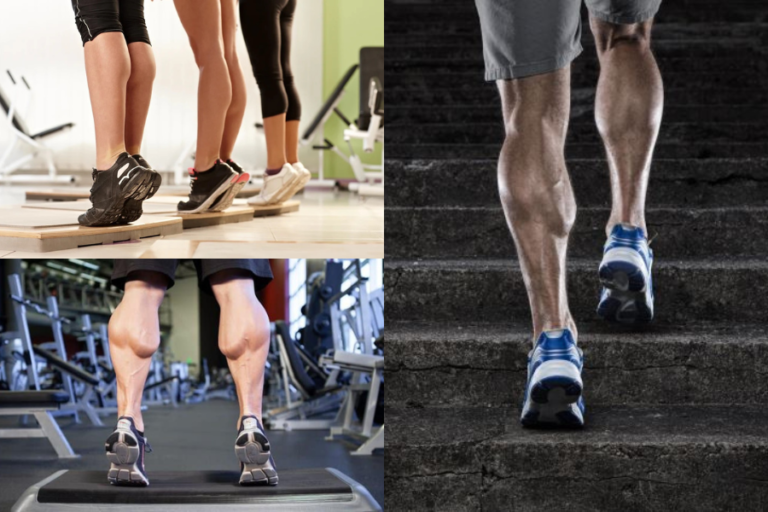
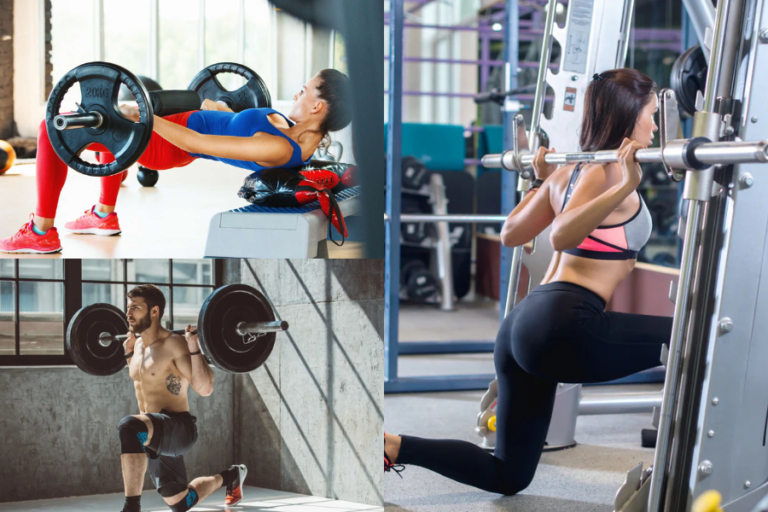
A smart hamstring workout for athletes does much more than build the back of your thighs. It supports speed, deceleration, change of direction, and reduces your risk of one of the most common sports injuries: hamstring strains. By combining strength, mobility, and sprint work, you can create hamstring training that directly improves performance instead of just adding soreness.
Below, you will learn how your hamstrings actually work in sport, why traditional leg day often misses the mark, and how to build an effective, athlete-focused routine.
Understand why hamstrings matter for athletes
Your hamstrings are a group of three muscles that run along the back of your thigh. They help extend your hip, bend your knee, stabilize your knee joint, and control your leg in high speed movements like sprinting and cutting. Recover Athletics explains that these muscles play a key role in both the stance and swing phases of your running stride, especially during high speed efforts when forces are highest.
For you as an athlete, strong hamstrings are especially important to:
- Control your leg during the late swing phase of sprinting, when the hamstring is long and working hard eccentrically
- Decelerate quickly and change direction without your knee collapsing
- Reduce strain on your lower back by sharing the load in hip extension
- Stay healthy through long seasons of running and jumping
You will not automatically run like an elite sprinter just because your hamstrings are strong, but they are a key line of defense against injury and a foundation for healthy, powerful lower body movement.
Know how hamstring injuries happen
Hamstring injuries are common in sports that involve sprinting, rapid acceleration, or sudden stops. They often occur when the hamstring is stretched beyond its normal range or suddenly loaded, for example at top speed when your leg swings forward and your hamstring must control that motion eccentrically.
Research in soccer shows that hamstring strains, especially in the lateral hamstring (biceps femoris), account for around 12 to 16 percent of all injuries and are particularly common during the terminal swing phase of sprinting under high eccentric and isometric forces.
Two points matter for your training:
- Eccentric strength, where the muscle lengthens under tension, is critical for protection.
- Even after you return to play, eccentric hamstring strength may still be reduced, which helps explain high reinjury rates.
That means a good hamstring workout for athletes has to do more than machine curls. You need exercise choices, ranges of motion, and tempos that match how hamstrings are used in real sport.
Build the foundation: Strength, mobility, and balance
An effective hamstring program has three pillars: strength, mobility, and muscle balance. Skipping any of them can limit both performance and durability.
Strength both sides of the joint
Your hamstrings work with your quadriceps to control your knee and hip. If one side is significantly stronger than the other, fatigue sets in sooner and your risk of strain increases.
Consistent resistance training for both hamstrings and quads helps you:
- Maintain joint stability
- Delay fatigue late in games or training sessions
- Avoid overloading a single muscle group
Think of your quads and hamstrings as a team. If you only train one side, the other has to work too hard when you sprint, cut, or land from a jump.
Improve mobility, not just “looseness”
Tight hamstrings can limit your stride length, reduce agility, and cause discomfort in daily life. Improving hamstring mobility helps you move freely and access power through a full range of motion. A 2024 guide on hamstring mobility exercises by Pliability notes that better hamstring flexibility is linked to reduced injury risk in sports that require sprinting, jumping, and quick direction changes by improving knee stability during motion.
The key is to use the right types of stretching at the right times:
- Dynamic stretches before training or games to increase blood flow and prepare the muscles
- Static stretches after training to improve flexibility, decrease soreness, and prevent micro tearing
You should also include your glutes and lower back in your mobility work. These areas share movement responsibilities with the hamstrings and often contribute to that “tight” feeling.
Do not assume your hamstrings are tight
Many athletes assume they have tight hamstrings, but in reality, they often have enough flexibility for their sport unless they are in activities that demand extreme range, such as yoga or cheer. A simple screen you can use is the active straight leg raise.
Lie on your back, keep one leg flat, and raise the other with the knee straight until you feel tension in the back of your thigh. If you can reach roughly an 80 degree angle between your thigh and the ground, that is considered good hamstring flexibility.
If you fall short, mobility work should be a priority. If you already meet or exceed that range, your focus should shift toward strength and control rather than endless stretching.
Prioritize eccentric and lengthened position work
The most important concept for your hamstring workout as an athlete is eccentric strength in a lengthened position. This is when the hamstring is stretched and producing force at the same time, which is exactly what happens in the late swing phase of sprinting.
Why lengthened work matters so much
Strengthening your hamstrings when they are long helps:
- Increase muscle fascicle length, which is associated with lower injury risk
- Build resilience in the point of the stride where most strains occur
- Improve structural adaptations in key sprint muscles like the biceps femoris long head
Lengthened state eccentric training (often performed with the hip flexed around 120 degrees) has been shown to increase overall hamstring muscle volume by about 18 percent and biceps femoris long head volume by about 19 percent after 12 weeks. This outperformed Nordic hamstring training, which increased those measures by 11 percent and 5 percent, respectively, in young healthy males.
The same research reported a 17 percent increase in maximum eccentric knee flexion torque after lengthened training compared with an 11 percent increase after Nordic training, which suggests a strong advantage for sprint performance and strain protection.
Key lengthened eccentric exercises
Several exercises consistently show up in research and high level programs:
- Nordic hamstring curl
- Romanian deadlift (RDL) and single leg RDL
- Askling’s “Extender”, “Diver”, and “Glider” variations for rehab and return to play
These exercises load the hamstrings at long muscle tendon lengths and have become a mainstay of post injury rehabilitation because they support faster return to sport and lower reinjury rates compared with more conventional protocols.
Eccentric isometric RDLs, where you lower the bar slowly for 3 to 7 seconds and hold the stretched position for 2 to 5 seconds, are particularly effective for mobility, strength, control, and hypertrophy.
If you only change one thing in your hamstring training, make it this: add slow, controlled eccentric work in long ranges of motion two to three times per week.
Make sprinting part of your hamstring training
If you play a field or court sport, sprinting is not just conditioning. It is one of the most powerful hamstring exercises you can do.
Sprinting has been rated as an S plus tier hamstring exercise for contact athletes because it trains the hamstrings in the exact pattern you need for performance, including multiple muscle contractions, high speed elastic loading, and the stretch shortening cycle that underlies real speed and agility.
Coaches often recommend a “microdosing” approach: short sprints with full recovery during the week. This keeps the hamstrings accustomed to high velocity work without overly fatiguing you.
For example, once or twice per week you could perform:
- 4 to 6 sprints of 20 to 40 meters
- Full recovery between reps, about 90 seconds to 3 minutes
- Emphasis on relaxed, technically sound acceleration and top speed
The goal is quality, not exhaustion. You are teaching your hamstrings to handle real game speed regularly so that match day does not surprise them.
Choose the most effective hamstring exercises
Not every leg exercise is a hamstring exercise, and some that feel like hamstrings are actually more quad or glute dominant. For athletes, you want movements that directly train the hamstrings in hip extension and eccentric control.
Based on current coaching and research insights, here is how common exercises stack up for hamstring emphasis in athletes:
| Tier | Exercise examples | Why they matter |
|---|---|---|
| S+ | Sprinting | Most sport specific, trains elastic components and late swing control |
| S | Romanian Deadlifts, Seated Hamstring Curls | Strong hypertrophy and strength stimulus, very effective for athletes |
| A | Single leg RDLs, Straight leg bounds, Nordic curls, Razor curls | High value for unilateral control, eccentric strength, and coordination |
| B | Eccentric bridges, Kettlebell swings (certain contexts) | Useful for building a base and in rehab progressions |
| E | Back squats, Split squats (for hamstrings) | Excellent for general leg strength but not primary hamstring developers |
Back squats and split squats are still very useful in your program, just not as your main hamstring builders. For hamstring focused work, prioritize RDLs, Nordic variations, and single leg hip hinge patterns.
Put it together: Sample hamstring workout for athletes
You can structure a focused hamstring workout two to three times per week. Here is a simple template you can adapt to your level and sport demands:
Warm up
Start with 5 to 10 minutes of light cardio, such as easy jogging or cycling, then move into dynamic mobility:
- Leg swings front to back and side to side
- Walking lunges with a gentle hamstring reach
- Dynamic toe touches with alternating legs
Add 2 to 3 short, relaxed build up runs of 20 meters to prepare your nervous system for the main work.
Primary strength block
-
Romanian deadlifts
3 to 4 sets of 6 to 8 reps, focus on a slow 3 second lower and strong hip drive up.
Keep a soft knee bend and hinge from the hips so you feel the stretch in the back of your thighs. -
Single leg RDLs
3 sets of 6 to 8 reps per leg.
Use dumbbells or body weight as needed. Focus on balance, control, and keeping your hips level. -
Nordic hamstring curls
2 to 3 sets of as many quality reps as you can with good form.
You can start with partial range, catch yourself with your hands, and push off lightly until you build strength.
Accessory and control work
Finish with exercises that build pelvic control and reinforce new ranges of motion:
- Reverse active straight leg raises
- Band pullover straight leg raises
These movements help you learn to move at the hip while keeping your pelvis stable, which lets you actually use your hamstring flexibility and strength in real sport positions.
Post workout stretching
End with static stretching for your hamstrings, glutes, and lower back. Hold each stretch for 20 to 30 seconds, 2 to 3 rounds, focusing on relaxed breathing. PAILs and RAILs mobility techniques, which combine static holds with isometric contractions at end range, can “lock in” new flexibility gains by training your nervous system to accept the new range instead of returning to prior stiffness.
Progress safely and listen to your body
Hamstring strength and speed gains come from consistent, progressive training, not from one brutal session. To protect yourself:
- Increase volume or intensity gradually so you avoid doing too much too soon
- Schedule at least one lower intensity day between intense hamstring sessions
- Pay attention to soreness that lingers or sharp discomfort during sprinting or hinging
Rest is part of performance. Listening to early warning signs, such as tightness that does not ease up with a warm up or a sudden “grab” sensation during sprints, can help you back off in time and avoid a more serious strain.
If you are returning from a previous hamstring injury, consider working with a qualified professional and using lengthened eccentric exercises like the “Extender,” “Diver,” and “Glider” as they have been shown to support faster return to sport and lower reinjury rates.
Turn hamstring training into an advantage
When you approach your hamstring workout for athletes with intention, you get more than bigger muscles. You gain sprint resilience, smoother deceleration, better knee control, and a lower risk of one of the most frustrating injuries in sport.
Start with one or two changes this week. Add eccentric RDLs to your strength day, or microdose a few relaxed sprints with full recovery. Over time, those small upgrades will add up to faster, more confident movement whenever you step onto the field, court, or track.
About the Author