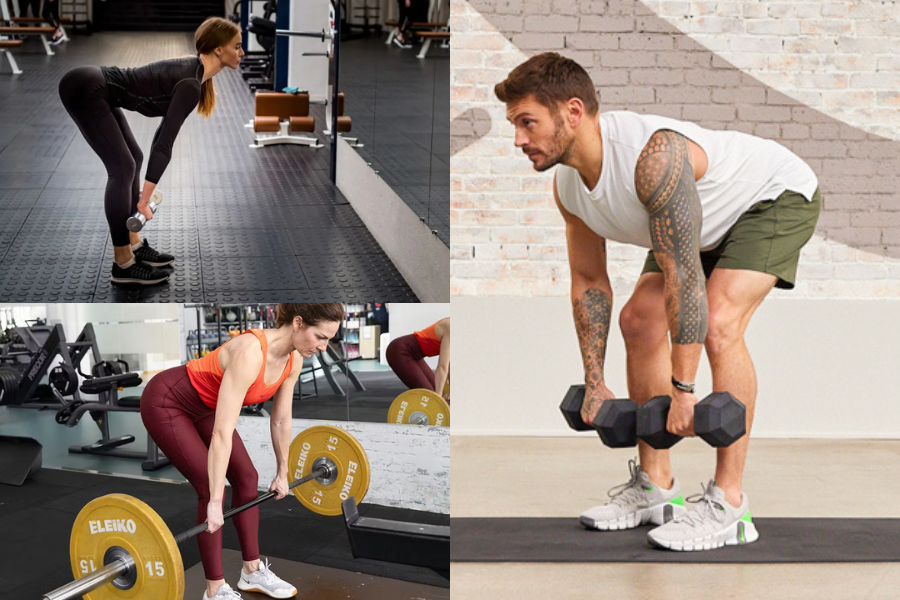
A smart hamstring workout plan does more than build the back of your legs. It supports your knees, hips, and lower back, helps you move better in daily life, and lowers your risk of strains and pulls. With a simple weekly structure, you can train your hamstrings for strength and recovery without living in the gym.
Below, you will find a clear plan you can follow, plus form tips, recovery ideas, and ways to adjust the workouts to your fitness level.
Understand your hamstrings
Before you start a hamstring workout plan, it helps to know what you are actually training.
Your hamstrings are a group of three muscles that run along the back of your thigh. They are responsible for bending your knee, extending your hip, rotating the lower leg, and helping stabilize your glutes and pelvis. Because of this, they are heavily involved in jumping, running, squatting, and walking up stairs.
Physical therapists note that your quadriceps, the muscles at the front of your thigh, are naturally stronger than your hamstrings. If you do not intentionally train the back of your legs, this imbalance can make your hamstrings fatigue faster and increase your risk of strains and knee issues, as explained by Hinge Health physical therapists in 2024.
If you sit a lot, you are even more at risk. Prolonged sitting tightens your hip flexors and leaves your hamstrings elongated and weak. Over time, that combination can lead to pulled hamstrings, back pain, and inefficient movement patterns.
Key principles for your hamstring workout plan
A good hamstring workout plan is not just a list of exercises. It follows a few key principles that keep you progressing and help prevent injury.
Train at least twice per week
To make real strength gains, you want to target your hamstrings more than once a week. Guidance from Gymshark in 2024 suggests that training at least twice weekly with controlled technique and progressive overload is ideal for building hamstring strength and size.
You can aim for:
- Two focused hamstring days each week
or - One focused day and one lighter “maintenance and mobility” day
Mix compound and isolation work
Compound lifts like deadlifts, Romanian deadlifts, and hip thrusts load multiple muscles at once. They are efficient and excellent for building overall strength. Isolation work like hamstring curls or Nordic curls lets you really target the hamstrings through knee flexion.
Combining both types of exercises in your hamstring workout plan gives you stronger, more resilient muscles that can handle both daily life and higher intensity sport or running.
Prioritize form over weight
Many of the most effective hamstring exercises are hinge based. This means you load your hips and keep your spine neutral. When you are learning the movement, your main goal is clean, controlled form, not heavy weight.
Taking it slowly is also a key safety point from orthopedic specialist Dr. Joshua D. Harris in Houston. He emphasizes that gradually increasing workout intensity and avoiding overexertion is essential for injury prevention and long term progress.
Include mobility and recovery
Strong hamstrings are only useful if they can move through a healthy range of motion. Stretching, mobility drills like the Sumo Squat to Stand, and soft tissue work such as foam rolling all play an important role in your plan. These techniques help you maintain flexibility, reduce muscle spasms, and keep your workouts feeling good.
Weekly hamstring workout schedule
Use this as a template and adjust based on how often you already train your lower body. If you are a beginner, start with two hamstring focused sessions per week and at least one rest day between them.
Tip: If you already have leg day built into your routine, you can fold Day 1 into that session and use Day 2 as a shorter accessory and mobility day.
Day 1: Strength focused hamstring workout
This session centers on compound lifts that hit your hamstrings hard while also involving your glutes, core, and back.
- Warm up, 8 to 10 minutes
Use light cardio and dynamic stretches so your hamstrings are warm before you load them.
-
3 to 5 minutes of brisk walking, cycling, or easy jogging
-
Leg swings, walking lunges, and a few Sumo Squat to Stand reps
The Sumo Squat to Stand is a simple way to improve hamstring flexibility. It is often recommended for beginners at 2 sets of 10 reps with 30 seconds rest.
- Conventional deadlift, 3 sets of 5 to 8 reps
Conventional deadlifts are a foundational hamstring workout movement. They load the hamstrings by emphasizing hip extension while also engaging your core, hips, and back.
- Keep the bar close to your body and your spine neutral
- Push the floor away and think about driving your hips forward as you stand
- Romanian deadlift (RDL), 3 sets of 8 to 10 reps
RDLs use a soft bend in your knees and a deeper hip hinge. They give your hamstrings a long, controlled stretch and strong contraction.
- Slide the bar or dumbbells down your thighs until you feel a stretch in your hamstrings
- Pause briefly, then drive through your heels to stand back up
- Single leg Romanian deadlift, 2 sets of 10 reps per leg
Research and coaching notes highlight single leg RDLs as excellent for training each leg individually, improving balance, and building hamstring strength, especially for runners.
- Use bodyweight or light dumbbells
- Move slowly and focus on balance instead of speed
- Hip thrusts, 3 sets of 10 to 12 reps
Hip thrusts are often used for glute training, but they also strongly engage your hamstrings, especially if your feet are placed a bit wider and slightly further away from your hips.
- Keep your chin tucked and ribs down
- Squeeze your glutes and hamstrings at the top and pause for a second before lowering
- Cool down, 5 to 8 minutes
Finish with light walking and gentle static stretches for your hamstrings, glutes, and lower back. Stretching these areas together helps maintain a greater range of motion and supports overall hamstring function, as highlighted by Dr. Harris.
Day 2: Control, balance, and isolation
Day 2 focuses on movements that teach your hamstrings to work in both open chain (foot off the ground) and closed chain (foot on the ground) positions. This approach has been recommended by physical therapists at Hinge Health for improving hamstring strength, flexibility, and mobility.
-
Warm up, 5 to 8 minutes
Repeat a lighter version of the Day 1 warm up, including dynamic leg swings and easy lunges. -
Nordic hamstring curls, 2 to 3 sets of 4 to 6 reps
Nordic curls are one of the most studied exercises for hamstring injury prevention. They strengthen the muscle while it is lengthening and have been shown to significantly reduce hamstring injury rates when done consistently.
- Anchor your feet under a stable object or have a partner hold your ankles
- Lower your body slowly toward the floor, resisting with your hamstrings, then push back up with your hands as needed
Start with a small range of motion and build up over time.
- Eccentric bridges, 3 sets of 8 to 10 reps
Eccentric bridges strengthen your hamstrings as they stretch and require minimal equipment. They are often used as a more accessible alternative or preparatory step for Nordic curls.
- Bridge up with both feet on the floor
- Slowly lower your hips using mainly your hamstrings and glutes
- Physio Ball Leg Curl, 2 sets of 10 reps
With your heels on a stability ball, lift your hips into a bridge and curl the ball toward you.
- This engages your hamstrings through both knee flexion and hip extension
- It also challenges your core and lower back stability
- Physio Ball Bridge, 2 sets of 10 reps
Keep your heels on the ball and repeatedly lift and lower your hips.
- Focus on squeezing your glutes and hamstrings at the top
Both physio ball exercises are often recommended at 2 sets of 10 reps with about 30 seconds rest.
- Mobility finisher: Sumo Squat to Stand, 2 sets of 10 reps
This is a simple way to reinforce hamstring flexibility and hip mobility at the end of your workout.
Optional Day 3: Light hamstring and mobility day
If you are more active, you can add a third, lighter day focused on blood flow, control, and stretching. Keep the intensity low so that it supports your recovery, especially if you run or play sports.
You might include:
- Bodyweight bridges, 2 sets of 15 reps
- Gentle lunges or step ups, 2 sets of 10 per leg
- Seated or standing hamstring stretches, held 20 to 30 seconds each
- A few extra minutes of foam rolling
Recovery strategies between workouts
How you recover between sessions is as important as what is in your hamstring workout plan.
Respect soreness and rest
Soreness is your body’s way of telling you that your muscles are fatigued and need time to repair. Dr. Harris emphasizes that rest after hamstring workouts or activity is crucial to prevent strains and tears. If your hamstrings feel very tight or painful, give yourself an extra day off or switch to only light mobility work until they calm down.
Use foam rolling and soft tissue work
Foam rolling your hamstrings is an effective way to release muscle spasms, increase blood flow, and improve mobility. A simple guideline is 2 sets of about 20 seconds of rolling with 30 seconds rest in between. Move slowly, and pause gently on any tender spots until the discomfort eases.
You can also lightly roll your glutes and calves, since tightness in those muscles can affect how your hamstrings feel.
Handle minor pulls with care
If you experience a small hamstring pull or strain, the RICE method, rest, ice, compression, elevation, is typically recommended for early care. This helps control swelling and pain. Give yourself enough time to recover before returning to high load exercises or running. If pain is sharp, persistent, or you are unsure about the severity, consider checking in with a healthcare professional.
Hamstring training for runners
If you run regularly, strong hamstrings become especially important. The hamstrings help pull your leg forward and control the motion of your knee with each stride, according to Recover Athletics in a 2022 article. Stronger hamstrings are linked with lower injury rates and potentially less soreness, even though they may not dramatically change your running speed on their own.
For runners, three exercises stand out in the research and coaching notes:
- Nordic hamstring curls, for injury prevention and strength in the stretched position
- Single leg Romanian deadlifts, for strength as the hamstring shortens and hip stability in the stance phase
- Eccentric bridges, for building force production at faster running speeds
You can fit these into your week by adding 2 to 3 short sets after an easier run day rather than on your hardest workout day. Keep the volume conservative at first and increase slowly to allow your legs to adapt.
When to progress your hamstring workout plan
Your hamstring workout plan should evolve as you get stronger. You can progress it in a few simple ways.
Add sets or reps gradually
If you can complete all your sets with solid form and you are not overly sore the next day, add a small amount of work:
- Increase your total reps by 2 to 4 per exercise
- Or add 1 extra set to one or two key movements
Avoid jumping from light to very heavy training in one week. Progressing gradually is a key strategy for avoiding overuse injuries.
Increase load with control
Once your technique feels consistent, you can slowly increase the weight on compound lifts like deadlifts, RDLs, and hip thrusts. A small increase every week or two is enough. The goal is to feel your hamstrings working hard without losing form or feeling pain in your lower back.
Rotate exercises if needed
If an exercise consistently bothers your joints, swap it for a similar movement instead of pushing through. For example, if conventional deadlifts feel uncomfortable, you might try Romanian deadlifts, good mornings, or a trap bar deadlift variation. The research from Gymshark highlights that variations like kettlebell swings, single leg RDLs, and prone hamstring curls can all provide high levels of hamstring activation.
Putting it all together
A balanced hamstring workout plan mixes strength, control, mobility, and recovery. When you:
- Train your hamstrings at least twice a week
- Combine compound lifts with focused isolation work
- Include mobility drills, foam rolling, and stretching
- Progress slowly and respect your body’s need for rest
you give yourself a strong foundation for daily movement, sports, and long term joint health.
Start with one or two of the exercises from the Day 1 and Day 2 plans this week. As they begin to feel more natural, layer in the others. Over time, you will notice not only stronger hamstrings but also steadier knees, more powerful strides, and a lower risk of those frustrating pulls and strains.
About the Author