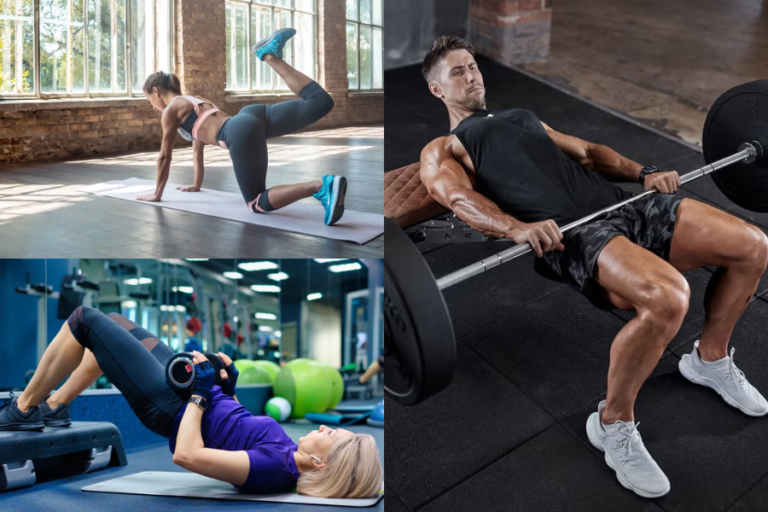
What a HIIT leg workout is
A HIIT leg workout combines lower body strength moves with bursts of high intensity effort. You work hard for a short period, rest briefly, then repeat. This interval style keeps your heart rate up and challenges your leg muscles at the same time.
During a typical HIIT leg workout, you might rotate through exercises like squats, lunges, jumps, and deadlifts. These compound movements recruit your quads, hamstrings, glutes, and calves in one go, which is part of what makes HIIT so time efficient for your lower body.
High intensity interval training in general asks you to go as hard as you can for short bursts, followed by recovery. Research highlighted by Les Mills in April 2024 notes that the optimal weekly total for HIIT is around 30 to 40 minutes at greater than 90 percent of your maximum heart rate for best results with enough recovery time in between sessions.
Benefits of a HIIT leg workout
When you focus HIIT on your legs, you get a mix of strength, conditioning, and cardio benefits in a short window. Some of the key upsides include:
Build strength and lean muscle
Lower body HIIT sessions use big, compound movements like squats, lunges, kettlebell swings, and deadlifts. These work multiple muscle groups at once, so you can:
- Strengthen your quads, hamstrings, glutes, and calves
- Increase overall leg power for walking, running, or climbing stairs
- Gain lean muscle without spending an hour on traditional strength training
Studies on high intensity circuit training and HIIT resistance exercise show that when you train close to muscular failure, you can increase strength and lean body mass with shorter sessions, sometimes in under 20 minutes, which is helpful if time is a major barrier to exercise.
Improve muscular endurance
If you often feel “jelly legs” after leg day, HIIT can help. Repeated high effort intervals train your muscles to keep performing under fatigue. Over time, this can:
- Reduce that wobbly, drained feeling after tough efforts
- Help you maintain form longer during runs, hikes, or sports
- Make everyday tasks like climbing multiple flights of stairs feel easier
The short, intense work periods in a HIIT leg workout ask your muscles to fire hard again and again, which is exactly what builds stamina.
Boost cardiovascular health and leg circulation
Even though you are targeting your lower body, HIIT leg workouts are also a form of cardio. They raise your heart rate quickly and keep it elevated for much of the session.
This helps to:
- Improve overall cardiovascular fitness
- Enhance blood flow to your lower body
- Support healthier blood pressure and cholesterol levels
One study on high intensity resistance exercise found that a HIIT style protocol not only improved muscular fitness and reduced body fat, it also significantly lowered systolic blood pressure and LDL cholesterol compared with traditional moderate intensity resistance training, while taking less time per session.
Support fat loss and body recomposition
Because a HIIT leg workout uses large muscle groups at a high intensity, it burns a lot of energy during and after your session. The intense bursts can elevate your metabolism so you continue to burn calories after you finish training.
Research on high intensity training has shown:
- Shorter HIIT style resistance workouts can reduce body fat percentage
- Some participants gain lean mass and lose fat at the same time, even without changing diet, a process often called body recomposition
Your legs contain some of the largest muscles in your body, so targeting them with intervals is an efficient way to support fat loss while building strength.
Who a HIIT leg workout is best for
A HIIT leg workout suits many people, but it is not the ideal starting point for everyone. You are likely a good fit if:
- You already exercise consistently and have a base of cardio and strength training
- You want to get stronger, fitter, or leaner without longer gym sessions
- You enjoy fast paced workouts that mix strength and cardio
Experts suggest beginners should build a base first. One guideline is to exercise regularly for at least six months, including a mix of cardio and resistance training five days a week, before you add HIIT. Once you have that foundation, you can replace one cardio session with up to two shorter HIIT sessions per week, spaced by at least two sleep cycles, so your body has time to recover.
If you are newer to exercise, you can still use the sample workout below, but keep the intensity moderate, choose low impact options, and extend the rest periods.
How often to do HIIT leg workouts
For most people, two HIIT leg workouts per week is plenty. That frequency lets you push hard while still recovering between sessions.
You can:
- Repeat the same routine twice a week, or
- Combine one HIIT leg day with another leg focused strength workout, such as more traditional squats and deadlifts with longer rests
If you are using other HIIT formats in your week, stay within the recommended 30 to 40 total minutes of very high intensity work above 90 percent of your maximum heart rate. That might look like:
- Two 15 to 20 minute HIIT sessions each week, or
- One longer 30 minute HIIT class focused on the full body, plus a shorter 10 to 15 minute leg focused finisher on a different day
Pay attention to how your legs feel. Consistent soreness, heavy fatigue, or a drop in performance are signs you may need a bit more rest.
Safety tips before you start
HIIT can be demanding, especially when you pack a lot of lower body work into a small time window. A few simple steps help you get the benefits while lowering your risk of injury:
- Warm up for 5 to 10 minutes with light cardio and dynamic stretches
- Start slowly and keep some energy in reserve if you are new to HIIT
- Use good form on every rep, even when you are tired
- Choose weights that are challenging but do not break your technique
- Avoid high impact jumps if you have joint issues, and swap for low impact versions
- Stop if you feel sharp pain, dizziness, or any chest discomfort
If you have a heart condition or other medical concerns, talk with your healthcare provider before trying higher intensity workouts. Some cardio HIIT sessions that use very short work and rest intervals may be too intense for people with heart related issues, so it is worth getting personalized advice.
30 minute HIIT leg workout to try
The routine below is a structured HIIT leg workout you can do at home or in the gym. It mixes bodyweight and weighted moves, and works your quads, hamstrings, glutes, calves, and even your core.
You will go through eight exercises for three rounds. Each round gets slightly longer, so you finish stronger than you start.
Warm up, 5 to 10 minutes
Spend a few minutes preparing your muscles and joints:
- Light marching or jogging in place
- Hip circles and leg swings
- Bodyweight squats
- Gentle lunges
Aim to feel warm and slightly out of breath, not exhausted.
The main circuit
You will work through the following eight moves:
- Bodyweight squats
- Plyo lunges
- Kettlebell swings
- Kettlebell Romanian deadlifts
- Fast feet
- Squat jumps
- Pulse squats
- Wall sit
Here is how to structure the intervals:
- Round 1: 45 seconds work per exercise, 15 seconds rest
- Round 2: 60 seconds work, 20 seconds rest
- Round 3: 75 seconds work, 30 seconds rest
Rest for 60 to 90 seconds between rounds. With warm up and a short cool down, the total time comes to just over 30 minutes.
Exercise by exercise breakdown
You can adjust these to your current fitness level.
1. Bodyweight squats
- Stand with feet about hip to shoulder width apart
- Sit your hips back and down, keeping your chest lifted
- Lower until your thighs are roughly parallel to the floor, or as far as is comfortable
- Drive through your heels to stand tall
To make it easier, reduce the depth or hold onto a chair or wall for balance. To make it harder, hold a dumbbell or kettlebell at your chest.
2. Plyo lunges
- Start in a split stance lunge, one foot forward, one back
- Lower into a lunge, both knees bent
- Explosively jump and switch legs in the air, landing with the opposite leg in front
If jumping is too intense, skip the jump and perform alternating forward or reverse lunges at a brisk but controlled pace.
3. Kettlebell swings
- Stand with feet just wider than hip width, kettlebell on the floor in front of you
- Hinge at your hips, grab the handle, and hike the kettlebell back between your legs
- Drive your hips forward to swing the kettlebell to chest height
- Let it swing back between your legs and repeat
Keep your spine neutral and power the movement from your hips, not your arms. Choose a weight that feels challenging by the end of the interval but still allows you to maintain form.
4. Kettlebell Romanian deadlifts
- Hold a kettlebell or pair of dumbbells in front of your thighs
- Stand with feet hip width apart, knees slightly soft
- Hinge at your hips and slide the weights down along your legs until you feel a stretch in your hamstrings
- Squeeze your glutes to return to standing
Move with control. If your lower back starts to round, shorten your range of motion or lower the weight.
5. Fast feet
- Stand with feet slightly wider than hip width
- Bend your knees slightly and lean forward a bit from the hips
- Tap your feet quickly on the spot, like a quick run in place
Keep your steps short and light. Think of “quiet feet” to reduce impact on your joints.
6. Squat jumps
- Start in a bodyweight squat position
- Lower into a squat, then drive through your feet to jump explosively
- Land softly with knees slightly bent and go straight into your next squat
For a lower impact option, rise onto your toes instead of leaving the ground.
7. Pulse squats
- Drop into the bottom half of a squat
- Pulse up and down a few inches, staying under tension the entire time
- Keep your chest lifted and core engaged
These will burn, especially late in the workout. Focus on smooth, controlled pulses rather than bouncing.
8. Wall sit
- Sit back against a wall, knees bent about 90 degrees and stacked above your ankles
- Keep your back flat against the wall and arms either down by your sides or gently resting on your thighs
- Hold still for the duration of the interval
If you need to make it easier, come slightly higher up the wall. To make it harder, hold a weight in your lap.
Cool down and stretch, 3 to 5 minutes
Finish your HIIT leg workout with a cool down to help your heart rate come down gradually and to ease muscle tension:
- Walk slowly or march in place for 1 to 2 minutes
- Gently stretch your quads, hamstrings, glutes, and calves
- Hold each stretch for 20 to 30 seconds, without bouncing
How to scale this HIIT leg workout
You can tailor the same basic routine to your current level.
If you are a beginner
- Work for 30 seconds, then rest for 30 to 45 seconds
- Complete just two rounds instead of three
- Skip all jumps and use the low impact versions
- Use very light weights or bodyweight only
Your goal is to learn the movements and build confidence, not to go all out on day one.
If you are intermediate
- Use the original intervals of 45, 60, and 75 seconds
- Rest 15 to 20 seconds between exercises
- Add moderate weights to squats and deadlifts
- Keep at least one low impact option if your joints feel stressed
Aim to finish each interval feeling like you could do a few more quality reps, but not many.
If you are advanced
- Shorten the rest between exercises to 10 to 15 seconds
- Use heavier weights on swings and deadlifts, with perfect form
- Add extra explosiveness to your plyo moves
- Keep your effort close to maximum in the last round
If you regularly train with HIIT, be even more mindful about recovery days, sleep, and nutrition so your body can adapt to the workload.
How to fit HIIT leg day into your week
Here are two simple ways to place this HIIT leg workout in your routine.
Option 1, Full body mix
- Day 1: Full body strength
- Day 2: Light cardio or rest
- Day 3: HIIT leg workout
- Day 4: Upper body strength
- Day 5: Low intensity steady state cardio
- Day 6 and 7: Rest or light movement
Option 2, Lower body focused
- Day 1: Traditional leg strength (squats, deadlifts, lunges with longer rests)
- Day 2: Upper body and core
- Day 3: Rest or light movement
- Day 4: HIIT leg workout
- Day 5: Easy cardio or mobility work
- Day 6 and 7: Rest or active recovery
Adjust based on your schedule and how your body feels. The key is that your heavy lower body days are spaced out with at least one lower intensity day in between.
When you should skip or modify HIIT
There are times when a HIIT leg workout is not the right choice. You will want to skip or significantly modify it if:
- You are currently injured or recovering from a lower body injury
- You have a heart condition and have not been cleared for intense exercise
- You are very sleep deprived or under high stress
- You feel sharp pain during any of the movements
In these situations, lower intensity strength work, walking, or mobility sessions may serve you better until you are ready to return to higher effort intervals.
Putting it all together
A HIIT leg workout lets you build strength, endurance, and cardiovascular fitness in a compact session. By rotating through squats, lunges, swings, jumps, and holds, you challenge all the major muscles of your lower body while keeping your heart rate elevated.
Start with a solid warm up, move at an intensity that still allows good form, and cap your week at two HIIT leg sessions with rest days in between. As you get stronger and more comfortable, you can gradually push your intervals a bit harder.
Pick one version of the workout, set a timer, and try a single round. Notice how your legs and breathing feel, then build from there.
About the Author