Understand intermittent fasting cardio
Intermittent fasting cardio combines two popular approaches, intermittent fasting and cardiovascular exercise, to help you burn fat and improve overall health. You either do your cardio at the end of a fasting window or first thing in the morning before eating. The idea is that by working out in a fasted state, your body has less readily available glycogen and may rely more on stored fat for fuel.
During most workouts your body prefers glycogen, the stored form of sugar in your muscles and liver, because it is quick and easy to use. After about 10 to 12 hours without food, those glycogen stores start to drop, which can nudge your body toward using more fat during exercise (UCLA Health). This is the basic logic behind fasted cardio and why it often gets paired with intermittent fasting.
Before you decide whether intermittent fasting cardio is right for you, it helps to understand how both parts work on their own and together.
Learn how intermittent fasting supports fat loss
Intermittent fasting is an eating pattern that cycles between periods of eating and periods of not eating. You still aim for a balanced diet, you just compress your meals into a shorter daily or weekly window.
Common approaches include:
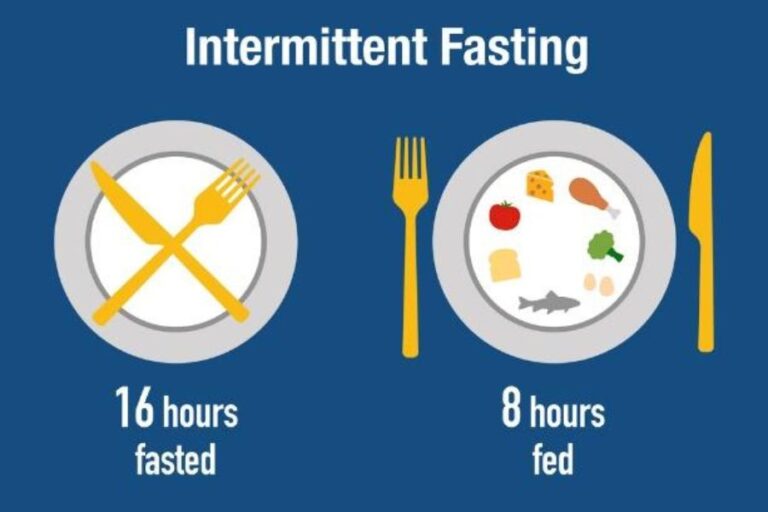
- Time restricted eating, such as 16:8, where you fast for 16 hours and eat during an 8 hour window
- Alternate day fasting, where you eat one day and fast or eat very little the next
- Whole day fasting, where you have 1 or 2 nonconsecutive fasting days each week
A large systematic review of 99 clinical trials involving over 6,500 people found that intermittent fasting approaches like alternate day fasting, time restricted eating, and whole day fasting are about as effective for weight loss and cardiometabolic health as traditional calorie restricted diets (Harvard T.H. Chan School of Public Health). In that analysis, alternate day fasting even led to slightly greater weight loss and improvements in measures like waist circumference, cholesterol, triglycerides, and markers of inflammation.
For athletes and active people, a 2024 review reported that intermittent fasting can reduce fat mass while maintaining lean muscle and sports performance, especially when structured as a 16 hour fast with an 8 hour eating window (Nutrients, PMC). In other words, it can help you change your body composition without necessarily sacrificing strength or endurance, as long as your training and nutrition are planned well.
Most of the studies so far are relatively short, often less than 24 weeks, so researchers still need more data on long term effects (Harvard T.H. Chan School of Public Health). You also need to consider your medical history and schedule when you choose an intermittent fasting method.
Know what happens during fasted cardio
Fasted cardio is any cardio session you do after your body has used up the calories from your last meal. This usually means:
- Early morning workouts before breakfast
- Cardio performed near the end of a daily fasting window during intermittent fasting
When you train this way, your body has lower insulin levels and less circulating glucose, so it leans more on stored energy. Several studies show that fasted cardio can increase fat oxidation, especially during low to moderate intensity exercise (Healthline). One report suggests that after an overnight fast, fat oxidation during cardio can be as much as 30 percent higher compared with a fed state (Crunch Fitness).
At the same time, the evidence is mixed when you look at long term changes in body composition. A 2017 study reviewed by UCLA Health did not find meaningful differences in fat loss when comparing fasted cardio with non fasted cardio over time (UCLA Health). A small trial with 8 men and 8 women found that exercising in a fasted state raised fat burning during a 30 minute cycling session but lowered performance, energy, motivation, and enjoyment compared with a non fasted workout (Healthline).
This means intermittent fasting cardio might change which fuel you burn during the workout, but it is not a magic switch for guaranteed greater fat loss. Your total weekly calorie balance, activity level, and recovery still matter more.
Weigh the pros and cons for your goals
When you blend intermittent fasting with cardio, you get a mix of potential benefits and trade offs. Laying them out can help you decide if it fits the way you like to train and eat.
Possible benefits
-
Higher fat use during workouts
Training near the end of a fasting window can increase fat oxidation because glycogen is lower and insulin is reduced (Healthline, Crunch Fitness). -
Better adherence for some people
If you prefer fewer, larger meals, a 16:8 style schedule can feel simple to follow. You know you will work out before or just as your eating window opens and then re fuel afterward. -
Improved metabolic markers
Intermittent fasting in general has been linked with improved cholesterol, triglycerides, waist circumference, and some inflammatory markers, especially with alternate day fasting in people with higher body weight (Harvard T.H. Chan School of Public Health). -
Hormone friendly timing
Exercising earlier in the day, particularly before breakfast, may align more closely with your natural circadian rhythm and support hormones related to insulin sensitivity and growth hormone, according to information from Prospect Medical (Prospect Medical).
Potential downsides
-
Lower performance and enjoyment
You might feel slower, less motivated, or more easily fatigued during fasted cardio. In one small study, fasted exercise reduced performance, energy, motivation, and enjoyment compared with non fasted exercise (Healthline). -
Possible muscle loss if mismanaged
In the absence of enough carbohydrates, your body can convert protein into glucose to fuel activity. Over time, this can work against your muscle building goals if your overall protein intake and recovery are not adequate (UCLA Health, Healthline). -
Not suitable for everyone
People who are pregnant, dealing with blood sugar or blood pressure issues, or brand new to exercise are often advised to avoid fasted cardio because of risks like low blood sugar, dizziness, and dehydration (Healthline).
Overall, experts tend to recommend focusing on balanced eating, consistent movement, strength training, and good sleep as your foundation instead of relying on fasted cardio alone for fat loss (UCLA Health).
Choose the right intermittent fasting schedule
If you decide that intermittent fasting cardio sounds appealing, your next step is to choose a fasting pattern that matches your lifestyle. The goal is practicality as much as physiology.
Common intermittent fasting patterns
Here is a simple comparison to guide you:
| Approach | How it works | May suit you if you… |
|---|---|---|
| 16:8 time restricted | Fast 16 hours, eat in an 8 hour window | Like a consistent daily routine and morning workouts |
| 14:10 time restricted | Fast 14 hours, eat in a 10 hour window | Want a gentler starting point |
| Alternate day fasting | Eat normally one day, fast or eat very little the next | Prefer clear on or off days and can handle bigger swings |
| 5:2 fasting | 2 low calorie days weekly, 5 regular days | Want flexibility and do not want to fast every day |
Time restricted feeding with a 16 hour fast and 8 hour eating window appears frequently in research on active people and has not been shown to harm aerobic or strength performance when properly supported with nutrition (Nutrients, PMC). This makes it a practical starting point for most people who want to experiment.
How to align cardio with your fasting window
Once your basic schedule is set, you can plug your cardio into it. Two common options are:
-
Morning fasted cardio
You sleep through most of the fast, wake up with 10 to 12 hours already completed, and do your cardio before your first meal. This is the classic fasted state and is often recommended as the most straightforward timing strategy (Crunch Fitness, Prospect Medical). -
Pre meal fasting window cardio
You train 1 to 2 hours before your first meal of the day. Your glycogen is still somewhat depleted and insulin is low, but you are close to re fueling so recovery can start quickly afterward (Crunch Fitness).
Pick the option that leaves you feeling safest, most energized, and most consistent week to week.
Pick the best type of cardio
Not all cardio feels the same in a fasted state. The style you choose can affect both fat burning and how pleasant the workout is.
Low intensity steady state (LISS)
Low intensity steady state, or LISS, often works well for intermittent fasting cardio. Think:
- Brisk walking
- Easy jogging
- Light cycling
- Gentle elliptical sessions
Keeping your effort around 60 to 70 percent of your maximum heart rate helps you stay in a zone that is sustainable, gentle on your joints, and friendly to fat oxidation (Crunch Fitness). This intensity is less likely to leave you feeling drained when you have not eaten recently.
Moderate to high intensity cardio
You can also do faster or more intense workouts like:
- Tempo runs
- Interval training
- Shorter HIIT style sessions
Intermittent fasting, combined with high intensity exercise, has been linked with boosts in hormones like human growth hormone and potential improvements in body composition and muscle and brain stamina (Prospect Medical). However, very intense exercise in a fasted state can feel uncomfortable for some people and may reduce enjoyment or performance.
If you love intense cardio and want to keep it in your plan, you can:
- Keep high intensity workouts shorter
- Schedule very demanding sessions closer to or within your eating window
- Make sure you eat enough total calories and protein throughout the day to protect muscle
Protect your muscle while burning fat
One of the main concerns with fasted cardio is preserving lean muscle while you target fat loss. You can support your muscles with several simple habits.
Prioritize strength training
Cardio helps you burn calories and improve heart health, but regular strength training is what tells your body to keep, and even build, muscle. Aim to:
- Lift weights or do bodyweight resistance training at least 2 to 3 times per week
- Train all major muscle groups over the course of the week
- Progress gradually by adding repetitions, sets, or resistance over time
Some people prefer to do strength sessions in a fed state so they can perform better and reduce the risk of low energy. You can still maintain a fasting schedule by placing strength workouts inside your eating window or close to it (Prospect Medical).
Get enough protein
Because your body may tap into protein for energy in a fasted state, your daily protein intake becomes even more important. While exact protein targets are individual, a helpful starting point is to:
- Include a protein rich food in every meal during your eating window
- Break your protein up across the day, so your muscles get a steady supply
- Eat a protein focused meal soon after training to support repair and growth
After fasted cardio, aim to eat within 30 to 60 minutes, with a focus on both protein and complex carbohydrates for glycogen replenishment (Crunch Fitness). This helps you recover, maintain lean mass, and feel ready for your next workout.
Watch for signs of overdoing it
If intermittent fasting cardio is costing you muscle or making you feel worn down, you might notice:
- Ongoing fatigue or irritability
- Slower recovery between workouts
- Stagnant or decreasing strength
- Trouble sleeping
These are signs to adjust the frequency or intensity of your fasted workouts or to check whether you are eating enough during your feeding window.
Time your workouts for best results
The timing of your intermittent fasting cardio can influence both fat burning and how you feel during the day.
Early in the day
Working out early, especially before breakfast, lines up with your natural daily rhythm and is often considered the optimal time to combine fasting and exercise benefits (Prospect Medical). Morning sessions can:
- Give you a clear routine
- Help you take advantage of overnight fasting
- Leave the rest of the day open for work and family
If you choose this option, prepare your workout clothes and plan your session the night before so you can move from bed to workout with fewer decisions.
Before breaking your fast
Scheduling your cardio 1 to 2 hours before your first meal lets you:
- Take advantage of lower glycogen and insulin
- Finish your workout close to your re fueling window
- Reduce the gap between exercise and your recovery meal
This strategy is especially helpful if you prefer a slightly later start to the day or if you want to do your cardio over lunch and then eat right afterward (Crunch Fitness).
Whatever timing you choose, consistency across the week matters more than any single perfect window.
Stay safe and know when to avoid fasted cardio
Intermittent fasting cardio is not a fit for everyone. Your safety and comfort come first.
You should be extra cautious or avoid fasted cardio if you:
- Are pregnant or breastfeeding
- Have diabetes, blood pressure issues, or other conditions affected by low blood sugar
- Take medications that require food at certain times
- Are new to exercise or returning after a long break
People in these groups have a higher risk of symptoms such as dizziness, faintness, or low blood sugar when exercising without fuel (Healthline). Always talk with a health care professional before you start an intermittent fasting routine, especially if you have any existing medical conditions.
Even if you are generally healthy, listen closely to your body. Stop and eat or drink something if you notice:
- Lightheadedness or nausea
- Blurry vision
- Heart racing beyond what feels normal for your effort
- Confusion or trouble focusing
There is no fat loss benefit that is worth pushing through warning signs from your body.
Put it all together into a simple plan
To make intermittent fasting cardio work in real life, it helps to keep your plan straightforward. Here is a sample weekly structure you can adapt.
Sample 16:8 plus cardio week
-
Choose your eating window
For example, 10 a.m. to 6 p.m. -
Slot in your cardio
- Monday, Wednesday, Friday: 30 to 45 minutes of LISS cardio at 8:30 or 9 a.m. before your first meal
- Optional Saturday: Shorter interval or HIIT style session closer to midday if you enjoy higher intensity
- Add strength training
- Tuesday and Thursday: Full body strength sessions inside your eating window so you can refuel afterward
- Plan recovery meals
- Break your fast with a meal that includes lean protein, complex carbs, and some healthy fat
- Include another protein rich meal after strength workouts
- Check in weekly
Ask yourself:
- How is your energy during workouts and through the day
- Are you sleeping well
- Do your clothes feel different or does your waist measurement change over time
Use your answers to adjust workout intensity, meal timing, and fasting length. You can shorten the fasting window to 14 hours, change cardio days, or shift intense sessions into your eating window if needed.
Key takeaways
- Intermittent fasting cardio means doing cardio in a fasted state while following an intermittent fasting routine.
- Research suggests intermittent fasting can support weight loss and cardiometabolic health about as well as traditional calorie restriction for many people (Harvard T.H. Chan School of Public Health).
- Fasted cardio may increase fat burning during a workout, but long term fat loss still depends on your overall calorie intake, training, and recovery (UCLA Health, Healthline).
- Low intensity steady state cardio, especially as part of a 16:8 time restricted schedule, is a practical starting point (Crunch Fitness, Nutrients, PMC).
- Protect your muscle by lifting weights regularly, eating enough protein, and timing recovery meals within an hour after workouts.
- Intermittent fasting cardio is optional. You can reach your fat loss goals with or without it, so choose the approach that you can follow safely and consistently.
About the Author