Understand intermittent fasting for seniors
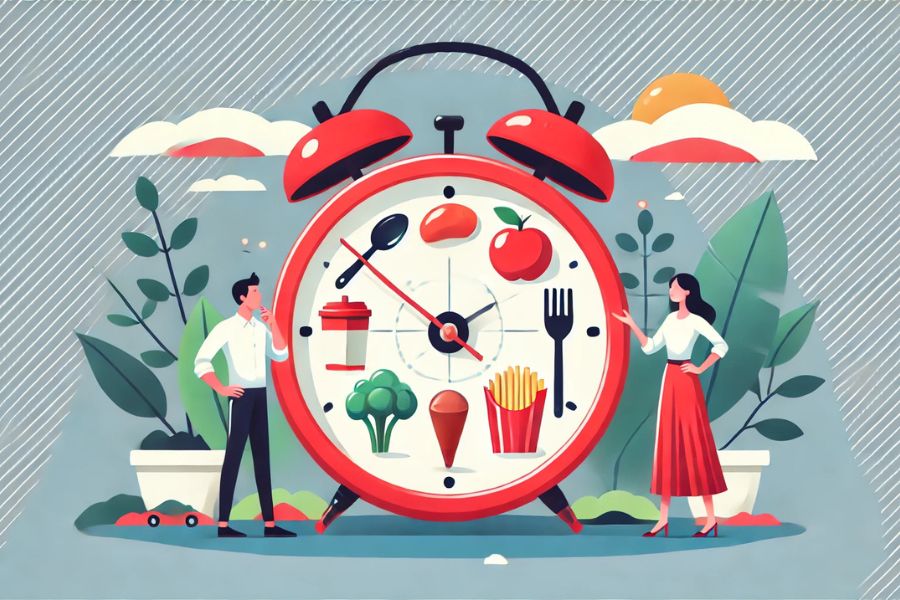
Intermittent fasting for seniors is less about strict dieting and more about creating a gentle rhythm for your meals. Instead of focusing on what you eat, you focus on when you eat.
Common approaches include (Harvard Health Publishing):
- Time-restricted eating (TRE), such as 12:12 or 16:8
- Alternate-day fasting (ADF), eating normally one day and cutting way back the next
- 5:2 method, eating normally 5 days a week and limiting calories on 2 days
For older adults, shorter fasting windows and regular, balanced meals are usually safer and easier to maintain. Experts suggest that fasting schedules should become less restrictive with age, not more (Pegasus Senior Living).
Before you try any approach, talk with your doctor so you can match your fasting plan to your health needs, medications, and energy levels.
Weigh the potential benefits
Researchers are still learning how intermittent fasting affects older adults, but early findings are encouraging.
Studies suggest intermittent fasting may help you:
-
Lose weight and belly fat
-
Time-restricted eating has been linked with reduced body weight, body fat, blood pressure, blood glucose, triglycerides, and inflammatory markers (Nutrients).
-
Seniors in some programs using ADF and the 5:2 diet lost around 4 to 8 percent of their body weight in 8 to 12 weeks, while time-restricted eating led to 3 to 4 percent weight loss (Pegasus Senior Living).
-
Improve blood sugar and insulin sensitivity
-
Clinical trials show intermittent fasting can improve insulin sensitivity and reduce insulin levels in people with prediabetes and type 2 diabetes, including older adults with an average age of 61 (Nutrients).
-
Support heart and metabolic health
-
Research links intermittent fasting with lower blood pressure and heart rate, improved cholesterol levels, and less inflammation (Harvard Health Publishing).
-
Protect brain function and memory
-
A 2024 study in older adults aged 55 to 70 found that people using the 5:2 method lost more weight and did better on executive function and memory tests than those on a typical healthy diet (AARP).
-
Support healthy aging on a cellular level
-
Intermittent fasting may enhance cellular rejuvenation and metabolic fitness even without weight loss, helping cells appear healthier and biologically younger in older individuals (AARP).
-
Research also suggests it may help keep mitochondria, the “powerhouses” of your cells, more youthful which could support longer, healthier life spans (Harvard Health Publishing).
Not every benefit has been proven in seniors, and many studies are short or small. Think of intermittent fasting as a tool that might support your health, not a cure-all.
Recognize the risks for older adults
Older bodies handle fasting differently than younger ones. You may have chronic conditions, medications, and changing muscle and bone health to consider.
Potential risks of intermittent fasting for seniors include:
-
Unintended weight loss
-
Losing too much or losing too quickly can weaken bones, lower immune function, and drain your energy (Harvard Health Publishing).
-
Low blood sugar and dizziness
-
Hypoglycemia, weakness, and lightheadedness can increase your fall risk, especially if you have diabetes or are on medications that affect blood sugar (Nutrients).
-
Challenges with medication timing
-
Many medicines must be taken with food. Long fasting windows can interfere with dosing and effectiveness, or increase side effects.
-
Muscle and bone loss
-
Seniors already face a higher risk of muscle loss and osteoporosis. Alternate-day fasting in some studies reduced lean mass proportionally more than traditional calorie reduction, which is a concern for older adults (PMC – US National Library of Medicine).
-
That is why protein intake and some form of strength or resistance activity are especially important if you fast.
-
Difficulty meeting nutrition needs
-
With age, you need relatively more protein, fiber, and vitamins, even if you eat fewer calories. Very restrictive windows like 20:4 can make it hard to fit in enough nutrients, so many experts do not recommend them for seniors (Pegasus Senior Living).
Given these risks, it is essential to:
- Get medical clearance first
- Choose a gentle schedule
- Monitor how you feel and adjust if needed
Pick a gentle fasting schedule
You do not have to start with a tough plan for intermittent fasting to be helpful. In fact, for seniors, the simplest schedule is often the best.
Try the 12:12 method
The 12:12 intermittent fasting schedule is widely considered the most manageable option for older adults (Pegasus Senior Living).
It looks like this:
- 12 hours of eating, for example 7 a.m. to 7 p.m.
- 12 hours of fasting, from 7 p.m. to 7 a.m.
During the 12-hour eating window you can still enjoy:
- Breakfast
- Lunch
- Dinner
- Small snacks if needed
This pattern closely matches a natural daily rhythm, so you are not fighting your body or your social life. For many seniors, simply closing the kitchen after dinner and avoiding late-night snacks is a realistic first step.
Consider cautious time-restricted eating
If 12:12 feels easy and your doctor agrees, you might gradually shorten your eating window, for example:
- Move from 12:12 to 13:11 or 14:10
- Possibly ease toward 16:8 if you tolerate the changes well
However, more restrictive schedules like 16:8 or 20:4 can make it tough to get enough protein and calories, so they may not be a good fit for many older adults (Pegasus Senior Living).
Always change your schedule slowly, over weeks or months, not overnight.
Ease into fasting safely
Your goal is to feel better, not deprived. A gradual approach helps your body adjust and gives you time to notice what works.
Step-by-step way to start
- Talk with your doctor or dietitian
- Review your medications, health conditions, and daily routines.
- Ask what fasting windows and meal patterns are safe for you.
- Tidy up your current eating pattern
- Start by removing late-night snacks and sugary drinks after dinner.
- Aim for a consistent bedtime and wake-up time so your mealtimes line up with your natural sleep rhythm.
- Begin with a 12-hour overnight fast
- Choose a 12-hour window that matches your life, such as 7 a.m. to 7 p.m. or 8 a.m. to 8 p.m.
- Stick with it for at least 2 to 4 weeks and see how you feel.
- Notice how your body responds
Pay attention to:
- Energy levels
- Sleep quality
- Hunger patterns
- Blood sugar readings if you monitor them
- Adjust slowly if desired
- If you feel well and your provider agrees, shift your evening meal a little earlier, or your first meal a little later.
- Make changes in 15 to 30 minute steps rather than big jumps.
- Pause or step back if you feel unwell
- If you feel dizzy, confused, extremely weak, or unusually irritable, end the fast with a small, balanced snack and discuss your symptoms with your care team.
Focus on what you eat, not just when
Intermittent fasting works best when your meals nourish you. For seniors, that means using your eating window wisely.
Build balanced, satisfying meals
Aim to include:
- Protein at each meal
- Options like eggs, Greek yogurt, cottage cheese, fish, poultry, tofu, or beans help protect muscle and bone.
- Fiber-rich carbohydrates
- Such as oats, whole grain bread, brown rice, quinoa, lentils, fruits, and vegetables to support digestion and blood sugar balance.
- Healthy fats
- From nuts, seeds, avocado, olive oil, or fatty fish to provide steady energy and support brain and heart health.
This combination helps you feel full longer and keeps your energy more stable during fasting periods.
Do not skimp on fluids
You can and should drink fluids during your fasting window, as long as they do not add significant calories. Good choices include:
- Water
- Herbal tea
- Black coffee, if your doctor approves
- Seltzer or mineral water
Staying hydrated helps prevent headaches, fatigue, and feelings of “false hunger.”
Protect bones and muscles
Since bone and muscle health can decline with age, pair fasting with habits that keep you strong (PMC – US National Library of Medicine):
- Include calcium and vitamin D rich foods, like dairy or fortified plant milks and leafy greens.
- Aim for steady protein intake throughout the day rather than one large serving.
- Add light strength or resistance exercises if your healthcare professional says it is safe.
Use your circadian rhythm to your advantage
Intermittent fasting for seniors may work partly by syncing eating with your body clock. Giving your digestive system a rest overnight can support better sleep, insulin regulation, and possibly lower inflammation (AARP).
You can lean into this by:
- Eating most of your calories earlier in the day rather than late at night
- Keeping your mealtimes fairly consistent from day to day
- Avoiding large, heavy meals right before bed
Many people notice that when they stop late-night snacking, they sleep more deeply and wake feeling more rested.
Watch for warning signs and adjust
Fasting should feel sustainable. If your body sends distress signals, it is important to listen.
Contact your healthcare provider if you notice:
- Frequent dizziness or near-fainting
- Confusion, mood changes, or unusual irritability
- Very low energy that interferes with daily activities
- Rapid, unplanned weight loss
- Worsening blood sugar readings if you check at home
Sometimes a small adjustment makes a big difference. You might:
- Shorten your fasting window
- Add a small, protein-rich snack earlier in the evening
- Shift to a simple 12:12 schedule instead of a longer fast
There is no single “correct” version of intermittent fasting for seniors. The right plan is the one that fits your medical needs, lifestyle, and comfort level.
Key takeaways you can use
If you want to explore intermittent fasting as a senior, you can keep it simple and gentle.
- Start with your doctor, especially if you take medications or have chronic conditions.
- Consider a 12:12 schedule first, since it is often the most manageable and senior friendly.
- Focus on balanced meals, with enough protein, fiber, and healthy fats.
- Pay attention to how you feel, not just the clock or the scale.
- Adjust or stop if you experience concerning symptoms like dizziness, confusion, or rapid weight loss.
You can begin with one small change, such as closing the kitchen after dinner tonight. See how you sleep and how you feel the next morning. If it feels right, build gradually from there, always checking in with your health team along the way.
About the Author