Understand your intermittent fasting results timeline
When you start intermittent fasting, it is natural to wonder how long it will take to see results. Your intermittent fasting results timeline depends on your fasting schedule, what you eat, and your overall health. Still, research gives you a clear idea of what happens in your body hour by hour, and week by week, so you know what to expect and when to expect it.
Below, you will walk through a realistic timeline, from your very first fasting window to the long term, with simple check-in points along the way.
What happens in your body each fasting day
Before looking at weeks and months, it helps to know what is going on in your body during a single fasting period. Most popular intermittent fasting plans, such as 16:8 or 18:6, cycle you through predictable stages.
0 to 4 hours after eating: Fed state
Right after you finish a meal, your body is in the fed state.
- Blood sugar and insulin are higher.
- Your body is using the carbs from your meal as its main fuel.
- You are not yet tapping into stored fat.
This is why what you eat in your eating window matters for results later in your fast.
3 to 18 hours: Early fasting and fat breakdown begins
A few hours after your last bite, you enter an early fasting state that can last up to around 18 hours, which is the range that many intermittent fasting plans use (Healthline).
During this phase:
- Blood sugar and insulin start to drop.
- Your body begins to break down stored fat for energy, a process called lipolysis (Healthline).
- If you are following a 16:8 schedule, much of your fasting time is spent here.
You may notice:
- Mild hunger
- Slight dips in energy
- More mental awareness of food habits, like when you usually snack
12 to 16 hours: Metabolic switch to fat burning
From around 12 hours without food, your body starts to switch from using glucose to using more fat as its main fuel source. This shift is sometimes called the metabolic switch (familydoctor.org).
Between about 12 and 16 hours:
- Your liver glycogen (stored carbohydrate) is being used up.
- Your body leans more on stored fat for energy.
- Small amounts of ketones can be produced as a byproduct of this fat burning.
Some guides describe this as a catabolic phase where you move away from stored sugar and into fat use, especially as you get closer to 16 hours (Dr. Alexis Shields).
16 to 24 hours: Deeper fat burning
If your fasting window runs longer than 16 hours, fat use continues to increase.
Between roughly 16 and 24 hours:
- Your body burns more stored fat to keep up with energy needs.
- Energy sensors in your cells, such as AMPK, become more active, which is linked to cellular cleanup processes like autophagy (Dr. Alexis Shields).
- You may feel a mix of clear focus and occasional hunger waves.
Most 16:8 or 18:6 schedules tap into the start of this deeper fat-burning period, especially toward the end of your fast.
24 hours and beyond: Ketosis and extended fasting
For fasts that last more than 24 hours, your body shifts further:
- Ketone levels rise as more fat is broken down for energy.
- Ketosis, a metabolic state where ketones are a major fuel source, usually appears somewhere between 24 and 72 hours of fasting, depending on your diet and metabolism (Dr. Alexis Shields).
- Cellular repair and stress-resistance pathways become more active.
However, ketosis typically does not develop fully within shorter intermittent fasting windows, such as 12 to 18 hours, unless you also eat a very low carb diet (Healthline).
Long-term fasting beyond 48 hours moves into a starvation state where muscle breakdown becomes more likely, so these longer fasts should only be done with medical supervision (Healthline).
Your first 48 hours: What you notice right away
Your intermittent fasting results timeline starts with subtle shifts. In the first couple of days, most changes are about awareness and routine rather than visible weight loss.
You will likely notice:
- Hunger at your usual meal or snack times
- Mild irritability or fatigue as your body learns a new pattern
- A sense of accomplishment when you complete your first fast
You may also experience some early digestive changes, like less nighttime snacking or feeling lighter in the morning.
Week 1: Early wins and common side effects
During the first week, you are repeating your chosen schedule, such as 16:8 or 18:6, and your body is still adjusting.
What is happening inside your body
- Each day, you are spending several hours in the early fasting state, using more fat for energy (Healthline).
- Your hormones related to hunger and fullness are starting to adapt to a new eating timetable.
- You may begin to see less bloating or more regular digestion, particularly if you are eating fewer late-night snacks.
Some people using a 16:8 schedule report that digestive discomfort and bloating improve within the first week, and that symptoms of issues like IBS can feel less intense (DrRuscio.com).
How you might feel
It is normal in week 1 to notice:
- Headaches
- Strong hunger, especially at the times you used to eat
- Irritability or changes in mood
- Tiredness
These are common early side effects and usually fade as your body adapts (familydoctor.org).
Small results you may see
- Slight drop on the scale, mostly from water shifts
- Less evening snacking or mindless eating
- A clearer sense of when you are truly hungry versus just in a habit
If weight loss is a goal, consider the first week your “warm up” stage rather than a final results period.
Weeks 2 to 4: Adaptation and first clear results
Most people want to know when intermittent fasting really starts working. Research suggests that it typically takes about 2 to 4 weeks for your body to adjust to an intermittent fasting schedule and for you to begin noticing more consistent results (familydoctor.org).
How your body is changing
By weeks 2 to 4:
- Your body is more comfortable switching into fat burning during each fast, after around 12 hours or more without food (familydoctor.org).
- Hunger at the start of your fasting window often becomes less intense.
- Your blood sugar and insulin patterns begin to stabilize, especially if you pair fasting with balanced meals.
Clinical studies of time-restricted eating over 2 to 8 weeks show that people tend to lose between about 1.3% and 4.1% of their body weight and may see improvements in fasting glucose and cholesterol (NIH – PMC).
What you may notice on the outside
Between weeks 2 and 4 you might:
- See steady, modest weight loss if your overall calorie intake is lower than before.
- Feel fewer energy crashes, especially if you avoid heavy sugar during eating windows.
- Notice simpler digestion, like less bloating or fewer late-night digestive issues, with a 16:8 pattern (DrRuscio.com).
Some people also notice early improvements in:
- Waist measurements
- Morning clarity
- Sleep, when evening eating is reduced
Side effects usually start to fade
The headaches, strong hunger, and irritability from week 1 often improve by week 2 or 3 because your body has had time to adapt (familydoctor.org).
If side effects remain intense, or you feel unwell, it is important to speak with a healthcare professional to review your fasting plan.
Weeks 4 to 12: Noticeable weight loss and metabolic gains
Once you have built a steady habit for a month or more, your intermittent fasting results timeline becomes more exciting. At this point your body is used to your new rhythm and you have a better sense of what works for you.
Weight loss expectations
Across human intermittent fasting studies, many regimens have produced weight loss in the range of about 1.3% to 8.0% of body weight over 2 weeks to several months (NIH – PMC). Time-restricted feeding and modified fasting plans like the 5:2 diet have shown:
- Around 3.2% to 8.0% weight loss over 8 weeks to 6 months in adults with overweight or obesity (NIH – PMC).
- Modest but meaningful reductions in fasting blood sugar or cholesterol in some studies.
For a steady 16:8 routine, modest changes in body weight plus early shifts in insulin sensitivity and inflammation markers tend to appear within a few weeks and continue to build over this period (DrRuscio.com).
Metabolic and health changes
In weeks 4 through 12, research suggests you may experience:
- Improved insulin sensitivity, which can help with blood sugar control (DrRuscio.com).
- Changes in cholesterol levels, such as lower LDL in some cases (NIH – PMC).
- Further reductions in markers of inflammation in some intermittent fasting trials (DrRuscio.com).
While not everyone will see the same shifts, this is often the phase when your lab results and clothing fit begin to reflect your new routine.
How the routine feels now
By this stage, many people report that:
- Fasting windows feel normal, and some even prefer fewer meals.
- Cravings are easier to manage.
- Planning meals inside the eating window feels simpler because the schedule is predictable.
If you start your eating window earlier in the day, such as finishing your last meal by late afternoon or early evening, meta-analyses suggest you may see better results in weight loss, blood sugar control, inflammation, and gut microbiota diversity compared to later eating windows (DrRuscio.com).
Beyond 3 months: Long-term intermittent fasting results
If you keep intermittent fasting going for several months, your results timeline shifts from short-term weight changes to long-term health and maintenance.
What longer-term research shows
Studies and reviews up to 2024 indicate that several months of consistent intermittent fasting can:
- Help maintain weight loss when you continue your routine.
- Support ongoing improvements in metabolic health, like insulin sensitivity and some inflammatory markers (DrRuscio.com).
- Encourage cellular repair processes that may contribute to healthier aging, although more research is needed on long-term disease prevention (DrRuscio.com).
Observations from Ramadan fasting, which is a month of daily time-restricted eating, show an average weight loss of just over one kilogram, but some of that weight may return when usual eating resumes (NIH – PMC). This highlights an important point for you: long-term results depend on sticking with a sustainable pattern.
Turning results into a lifestyle
As intermittent fasting becomes part of your routine, you may:
- Adjust your fasting window slightly to fit life events but keep the habit overall.
- Focus more on food quality in your eating window, such as lean proteins, healthy fats, and fiber.
- Use your progress to set new goals, like improving fitness or sleep.
Long-term success usually comes from consistency instead of constant restriction.
How common intermittent fasting schedules compare
Your intermittent fasting results timeline also depends on the schedule you choose. Several patterns have been studied, each with its own trade-offs.
Popular intermittent fasting methods
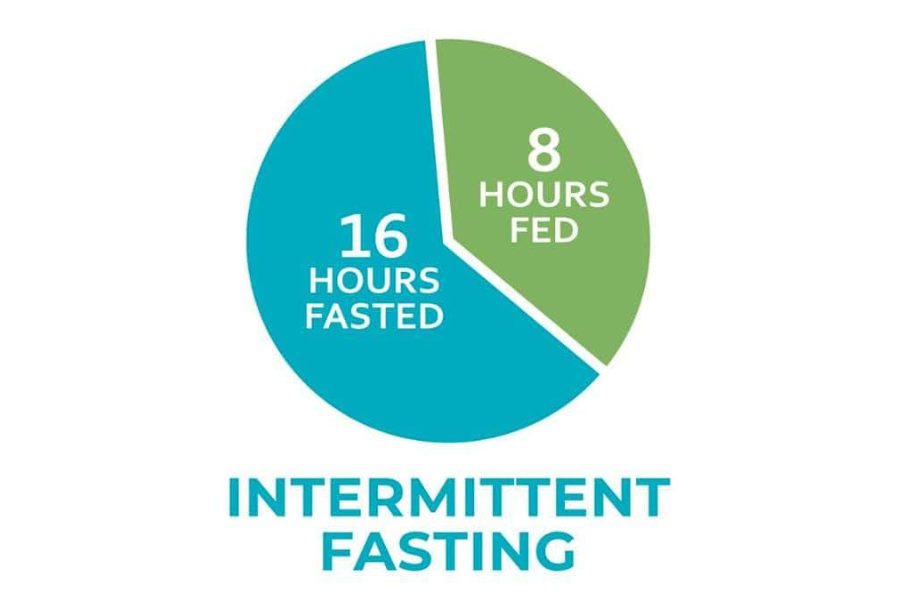
- 16:8 method
- Fast for 16 hours, eat within an 8-hour window each day.
- Fits well with daily life, for example, eating from 10 a.m. to 6 p.m.
- Commonly used in studies that show modest weight loss and early metabolic benefits within weeks (DrRuscio.com).
- 18:6 method
- Fast for 18 hours, eat within a 6-hour window.
- Extends your time in deeper fat burning each day.
- May feel more intense at first, so it often works better after your body is used to 16:8.
- 5:2 plan
- Eat normally 5 days a week.
- On 2 non-consecutive days, limit calories to about 20 to 25 percent of your usual intake.
- Trials of modified fasting like this show weight loss between roughly 3.2% and 8.0% over 8 weeks to 6 months (NIH – PMC).
- Alternate-day fasting
- Alternate between days of very low or no intake and days of eating without restriction.
- Studies up to 22 days show about 2.5% weight loss and improved blood sugar control, but many people find the hunger difficult, so it may not be sustainable (NIH – PMC).
Regardless of the method, it is important not to fast for many days in a row without supervision. Very prolonged fasting can trigger a starvation response where your body begins to conserve energy and store fat instead of burning it, and professional guidance is recommended for extended fasts (familydoctor.org).
Factors that change your results timeline
Even with research-based averages, your own intermittent fasting results timeline is unique. Several factors can speed up or slow down your progress.
Your starting point and health status
Your age, body weight, activity level, and any existing health conditions all influence:
- How quickly your body shifts into fat burning.
- How easily you tolerate fasting periods.
- How much weight you might lose in the first few months.
If you have medical conditions or take medication, especially for blood sugar or blood pressure, you should check with your healthcare provider before starting.
What you eat during your eating window
Intermittent fasting is about when you eat. Your results depend heavily on what you eat as well. You will likely see better progress if you:
- Focus on whole foods, such as lean proteins, vegetables, fruits, legumes, nuts, and whole grains.
- Avoid overcompensating for fasting by overeating ultra-processed foods in your eating window.
- Keep sugary drinks and desserts occasional rather than daily habits.
Eating fewer refined carbohydrates can also help your body enter fat burning and cellular cleanup phases more efficiently during each fast (Dr. Alexis Shields).
Your eating window timing
Research suggests that early time-restricted eating, where you start your eating window earlier in the day and finish by late afternoon or early evening, may offer extra benefits. These include:
- Better support for weight loss.
- Improved blood sugar control.
- Reduced inflammation.
- Positive changes in gut microbiota diversity compared with later eating windows (DrRuscio.com).
If you can, aligning your eating window with daylight hours might give you an additional edge.
How to use this timeline to stay motivated
Knowing your intermittent fasting results timeline can help you set realistic expectations and stay motivated at each stage.
Set short, medium, and long-term goals
You might frame your expectations like this:
- First week: Focus on learning your schedule and noticing patterns in hunger and mood. Consider any weight loss a bonus.
- Weeks 2 to 4: Look for steadying energy, fewer cravings, and early changes in how clothes fit or how your digestion feels.
- Weeks 4 to 12: Track weight and waist measurements every week or two, and note improvements in sleep, focus, or exercise performance.
- Beyond 3 months: Treat intermittent fasting as a lifestyle, refining your eating window and food choices for long-term health.
Listen to your body and adjust
Your goal is to find a pattern that feels challenging enough to spur change, but not so extreme that it feels impossible to maintain. If you:
- Feel exhausted or unwell, shorten your fasting window or shift your eating times.
- Notice persistent headaches or dizziness, review your hydration and meal quality, and talk with a professional if needed.
- Feel strong and clear, consider whether your schedule is sustainable for you long term.
Remember consistency beats intensity
Across intermittent fasting studies, results come from consistent patterns over weeks and months, not from a single long fast. Time-restricted feeding, modified fasting plans, and daily schedules like 16:8 all rely on repetition to create change (NIH – PMC).
If you treat each week as another small step along your intermittent fasting results timeline, you will give your body the time it needs to adapt, respond, and ultimately reward your efforts.
About the Author