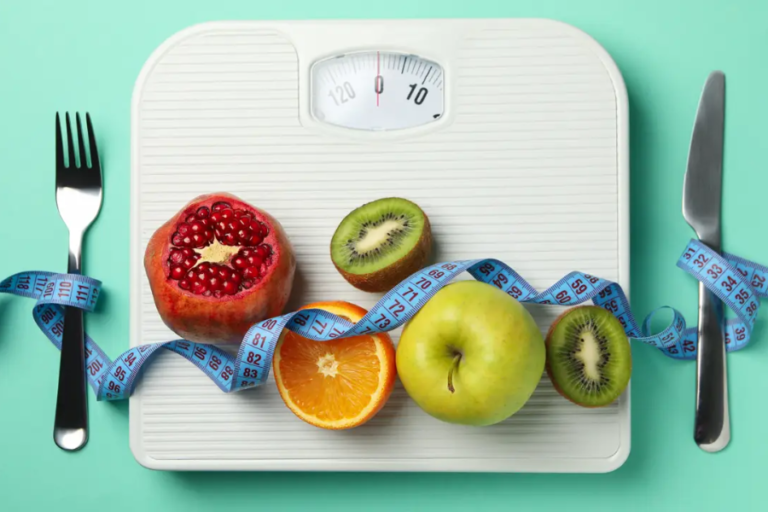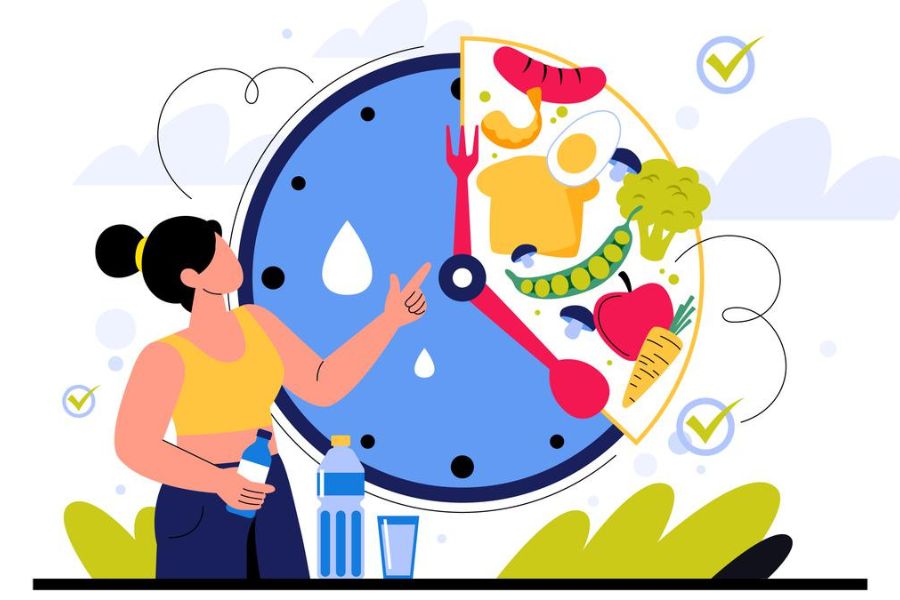
Intermittent fasting weight loss plans can be surprisingly simple, but a few common mistakes can quietly stall your progress. You might be hitting your fasting windows perfectly and still not seeing the scale move because of what happens in your eating windows, your schedule, or even your expectations.
Below, you will find the most important intermittent fasting mistakes to avoid if you want steady weight loss and better health, without making your life revolve around food rules.
Understand what intermittent fasting really does
Before you fix mistakes, it helps to be clear on what intermittent fasting actually is and how it supports weight loss.
Intermittent fasting means you voluntarily abstain from calories for set periods, then eat within a specific window. You might:
- Skip breakfast and eat only between noon and 8 p.m. (a 16:8 schedule)
- Eat normally 5 days per week and have 2 low calorie days (the 5:2 method)
- Alternate between normal eating days and very low calorie or fasting days (alternate day fasting)
When you go without food for long enough, your body can shift into ketosis, which is a metabolic state where you burn more stored fat because there is less glucose available for energy (Mayo Clinic Health System). This, combined with taking in fewer calories overall, is what leads to intermittent fasting weight loss.
Research has found that intermittent fasting is about as effective as traditional calorie restricted diets for losing weight, and in some cases slightly better. For example:
- A review of 27 trials in people with overweight or obesity reported weight loss between 0.8% and 13.0% of starting weight with intermittent fasting, with no serious side effects (Canadian Family Physician).
- A large analysis of 99 clinical trials found that intermittent fasting and standard calorie restriction worked similarly well for weight loss, and both clearly beat eating with no restrictions (Harvard T.H. Chan School of Public Health).
So fasting is a tool to help you eat less overall and improve metabolic health. It is not magic, and it is not a free pass to eat anything you want during your eating window. That is where many of the most common mistakes start.
Mistake 1: Treating eating windows as a free‑for‑all
If you fast faithfully but overeat in your eating window, your weight loss will stall or even reverse. The key is still a calorie deficit: you need to take in fewer calories than you burn over time, even with intermittent fasting (Mayo Clinic Health System).
What this mistake looks like
You might catch yourself:
- “Making up” for fasting hours with very large meals
- Snacking nonstop from the moment your window opens
- Choosing mostly refined carbs and high sugar treats because you feel you “earned it”
- Drinking lots of sugary beverages or fancy coffee drinks that quietly add calories
Overeating can also happen on non fasting days if you follow alternate day fasting or the 5:2 pattern. Hunger hormones can spike after a fast, which can push you to eat more than usual when food is available (Harvard Health).
How to avoid it
- Plan your first meal: Decide in advance what you will eat when your window opens, and make it balanced, not a free for all.
- Prioritize protein and fiber: Build meals around lean protein, vegetables, fruit, and whole grains. This keeps you fuller and makes overeating less tempting.
- Sit down for meals: Instead of grazing, aim for 2 to 3 composed meals in your window.
- Watch drinks: Keep sugary drinks, heavy creamers, and alcohol to a minimum.
Think of your fasting schedule as a framework. Your food quality and portions still matter just as much.
Mistake 2: Ignoring what you eat, not just when
Intermittent fasting weight loss works best when your food choices support your health instead of fighting it. If most of your calories come from ultra processed foods, sugar, and saturated fats, your energy, cravings, and results will all suffer.
Why quality matters
Shortening your eating window can make it harder to fit in all the nutrients you need each day. If you fill those hours with low quality foods, you increase your risk of missing key vitamins, minerals, fiber, and protein (Mayo Clinic Health System).
Over time, this can affect:
- Hunger and cravings
- Mood and focus
- Blood sugar control
- Long term health
What to focus on instead
During your eating windows, build most meals from:
- Vegetables and fruits
- Whole grains like oats, brown rice, or whole wheat bread
- Lean proteins such as poultry, fish, beans, tofu, or eggs
- Low fat dairy or alternatives
- Healthy fats from nuts, seeds, and olive oil
A simple guideline: if a food would fit well in any balanced eating plan, it will also fit well with intermittent fasting.
Mistake 3: Picking the wrong fasting schedule for your life
There is no one best intermittent fasting method for everyone. The worst plan is the one you cannot stick with.
Common fasting patterns
Here are three of the most common approaches:
| Method | What it looks like |
|---|---|
| 16:8 time restricted | Fast for 16 hours, eat within an 8 hour window daily |
| 5:2 fasting | 5 normal eating days, 2 days per week with very low calories |
| Alternate day fasting | Normal eating one day, fasting or very low calories the next |
Research suggests that:
- The 16:8 schedule can help with weight management and blood sugar control in adults with overweight or obesity (Medical News Today).
- The 5:2 method may give a slight short term weight loss advantage with group support, although the difference tends to disappear after a year (Medical News Today).
- Alternate day fasting often leads to slightly greater weight loss and improved heart health markers compared with standard calorie restriction, including lower waist size and improved cholesterol and triglycerides (Harvard T.H. Chan School of Public Health).
Signs you picked the wrong schedule
You may need to adjust your approach if you:
- Constantly struggle with social meals or family routines
- Feel so hungry that you binge when your window opens
- Regularly break your fast early because of work, travel, or sleep issues
- Notice your mood or productivity dropping most days
Maintaining a fasting routine can be difficult when your schedule is busy or unpredictable (Mayo Clinic Health System). If your plan clashes with your life, it will be very hard to sustain.
How to choose a better fit
- Start with a gentle version: A 12:12 or 14:10 schedule can be a good starting point before you move to 16:8.
- Match your window to your real hunger: If you are always hungry in the morning, try an earlier window like 9 a.m. to 5 p.m.
- Consider your weekly pattern: If weekends are social, you might prefer a plan that is more flexible on those days.
Your fasting plan should feel like a helpful structure, not a daily fight.
Mistake 4: Ignoring side effects and pushing through too hard
Some discomfort is normal at the start, especially hunger and a bit of fatigue. However, if you push yourself too hard or ignore warning signs, you can put your health at risk and end up quitting altogether.
Common short term side effects
Short term intermittent fasting can trigger:
- Hunger and food cravings
- Fatigue or low energy
- Irritability or crankiness
- Trouble concentrating
- Nausea, constipation, or headaches
- Insomnia or disturbed sleep
Most of these symptoms tend to fade within about a month as your body adapts (Mayo Clinic Health System). Headaches, tiredness, crankiness, and constipation are especially common early on (Harvard Health).
When you should pause and reassess
You should not ignore:
- Dizziness or feeling faint
- Ongoing nausea or vomiting
- Severe headaches that do not improve with water and food
- Extreme fatigue that affects work, driving, or daily tasks
- Rapid or excessive weight loss, especially if you are older
Intermittent fasting can be risky for some people, especially if you take medications for diabetes, blood pressure, or heart disease, because fasting can affect fluid and mineral balance and how your medicines work (Harvard Health).
If you notice worrying symptoms, loosen your fasting plan or stop and talk with your healthcare provider.
Ways to ease the transition
- Hydrate consistently during fasting hours
- Add a pinch of salt to water if you are lightheaded and your doctor says it is safe
- Break your fast with a small, balanced meal instead of a huge feast
- Move your body gently with walks or stretching instead of intense workouts at first
You should feel challenged, not miserable.
Mistake 5: Forgetting about your health history
Intermittent fasting is not ideal for everyone. Starting a fasting plan without checking how it fits your medical history, medications, and lifestyle can be a serious mistake.
Who should be extra cautious
Experts advise that intermittent fasting may not be safe or appropriate for you if you:
- Take medications that affect blood sugar, blood pressure, or heart function
- Have a history of low blood sugar episodes
- Have or had an eating disorder
- Are pregnant, breastfeeding, or trying to conceive
- Are underweight
- Are an older adult who is already losing weight unintentionally
In older adults especially, losing too much weight can harm bone health, immune function, and energy levels, and most fasting research so far has involved younger adults (Harvard Health).
One large observational study also raised concerns about a possible link between a 16:8 pattern and higher cardiovascular death risk, although this study has not been peer reviewed and cannot prove cause and effect (Medical News Today). It is a reminder that long term effects are still being studied.
How to protect yourself
Before you commit to an intermittent fasting routine:
- Talk with your healthcare provider, especially if you have existing conditions or take daily medications.
- Share your work schedule, exercise routine, and social habits so you can choose a realistic plan.
- Ask about warning signs that would mean you should stop or adjust fasting.
A brief conversation can help you avoid complications and set expectations that match your situation.
Mistake 6: Expecting fasting to fix everything
Intermittent fasting can:
- Help you lose weight
- Improve blood sugar control
- Lower some markers of inflammation
- Improve cholesterol and triglyceride levels in some cases
For example, alternate day fasting has been linked with greater weight loss and improved cardiometabolic markers such as waist size, cholesterol, triglycerides, and inflammation in people with overweight and other health issues (Harvard T.H. Chan School of Public Health). Intermittent fasting has also been associated with better glycemic control in some people with type 2 diabetes, including lower fasting blood sugar and A1c along with weight loss similar to calorie restriction (Canadian Family Physician).
However, fasting is not a cure all or a replacement for other healthy habits.
Where expectations often go wrong
You might be expecting intermittent fasting to:
- Overcome a very high calorie intake during eating windows
- Replace physical activity
- Undo poor sleep or chronic stress
- Work instantly without any adjustment period
- Deliver permanent results without long term changes in how you eat
The majority of clinical trials on intermittent fasting so far have lasted less than 24 weeks, so there is still a lot to learn about its long term effects (Harvard T.H. Chan School of Public Health).
What a realistic approach looks like
You will likely see the best results when you combine intermittent fasting with:
- A balanced, mostly whole foods diet
- Regular movement that you enjoy
- Consistent sleep and stress management
- Reasonable, patient expectations about the pace of weight loss
Think of fasting as one tool in a larger toolkit, not the whole project.
Mistake 7: Changing too much, too fast
You do not need to jump straight into a strict 16 hour fast or alternate day fasting pattern. Making every change at once can backfire, especially if you are new to structured eating.
Why small steps work better
In a 2023 meta analysis, different intermittent fasting methods, including alternate day fasting, 5:2, and time restricted eating, led to weight loss between 1% and 13% over 2 to 52 weeks (Medical News Today). That range is wide, which suggests that consistency and a good fit with your lifestyle matter at least as much as the specific protocol.
If you adopt a very aggressive schedule that you cannot sustain, you might see quick early results, then rebound weight gain when you stop.
A gentle way to start
You can ease into intermittent fasting with steps like:
- Shorten your eating window gradually, for example from 14 hours to 12, then 10.
- Stop late night snacking first, before shifting your first meal of the day.
- Start with 2 to 3 structured meals in your chosen window, then adjust timing as you learn your own hunger pattern.
- Adjust your plan based on how you feel after 2 to 4 weeks, not after just a few days.
This slow build helps your body adapt and makes it easier to notice which changes actually feel helpful.
Mistake 8: Not tracking what is working for you
If you only watch the number on the scale, it is easy to overlook other important changes or early warning signs. You might think intermittent fasting “does not work” when you are actually making progress in other ways.
What to pay attention to
Consider tracking, at least for a few weeks:
- Fasting schedule: Your start and end times each day
- Meals and snacks: Roughly what and how much you eat
- Hunger and energy: When you feel best and when you feel drained
- Sleep: How easily you fall asleep and how rested you feel
- Measurements: Waist, hip, or clothing fit, not just weight
Several studies on intermittent fasting have reported stable or even decreased hunger over time, along with no serious adverse events (Canadian Family Physician). You might only notice these patterns if you keep simple notes.
How this prevents mistakes
When you write things down you can spot:
- Patterns that lead to overeating, such as skipping protein at your first meal
- Fasting windows that leave you exhausted at work
- Days when social plans make your schedule unrealistic
With that information, you can adjust your approach instead of quitting or leaning into habits that do not serve your goals.
Bringing it all together
Intermittent fasting weight loss is not just about when you eat. It is the combination of your schedule, your food choices, your health history, and your expectations that creates results.
To avoid the most common pitfalls:
- Do not treat eating windows as an all you can eat buffet.
- Prioritize nutrient dense foods even when your eating time is shorter.
- Choose a fasting pattern that fits your real life, not an ideal one on paper.
- Respect your body’s signals and your medical needs.
- Use fasting as part of an overall healthy routine, rather than a shortcut.
If you are curious about intermittent fasting, consider starting small, tracking how you feel, and checking in with your healthcare provider before you commit long term. That way, you can use fasting as a sustainable, safe tool to support your weight loss and overall health, instead of another diet that you start and stop.
About the Author