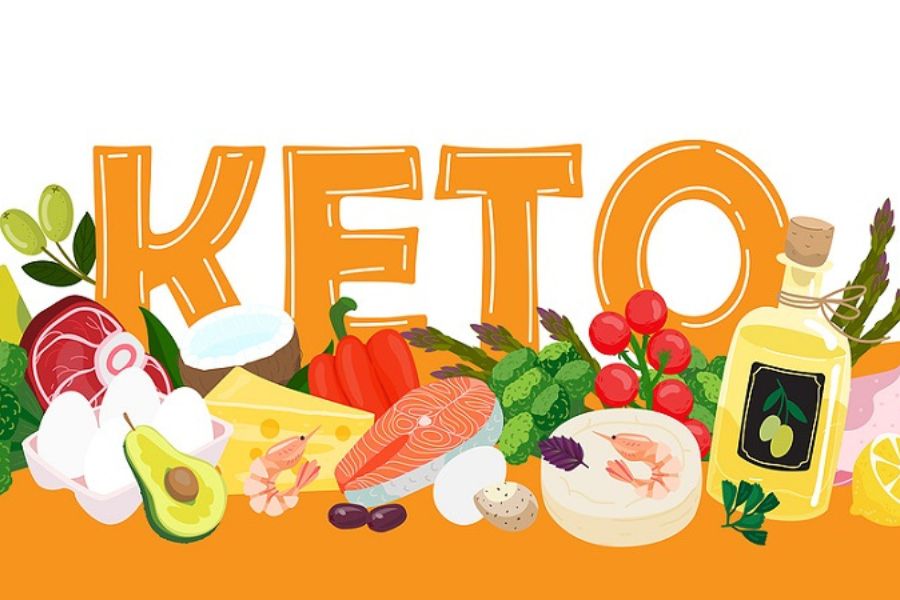
Understand what keto constipation is
If you just started cutting carbs and now feel uncomfortably backed up, you are not alone. Keto constipation is one of the most common early side effects of a ketogenic diet. It usually shows up as:
- Fewer than three bowel movements per week
- Hard, lumpy stools that are difficult or painful to pass
- A feeling that you have not fully emptied your bowels
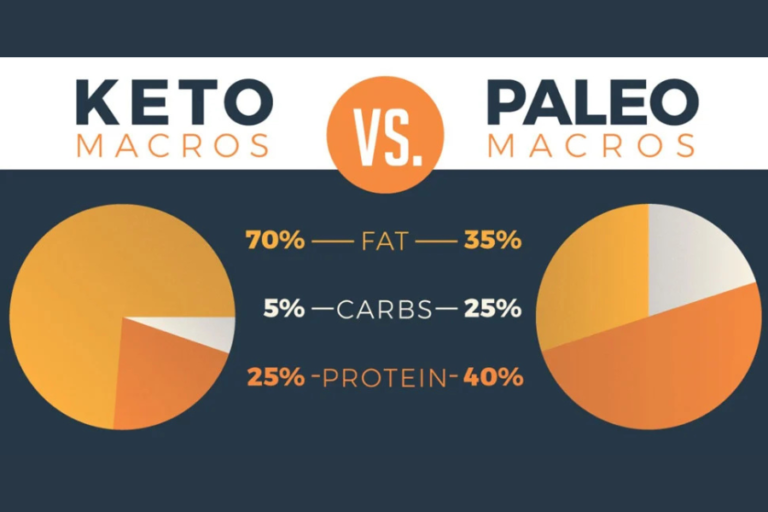
On a typical keto diet, you eat very high fat, moderate protein, and very low carbohydrates, usually around 20 to 50 grams per day (Healthline). This is far below the usual 225 to 325 grams of carbs recommended on a 2,000 calorie diet. That sharp drop in carbs can change how your whole digestive system works.
The good news is that keto constipation is usually temporary. With a few simple adjustments, you can keep your digestion moving while still getting the weight loss and health benefits you want from keto.
Why keto can make you constipated
Before you fix keto constipation, it helps to understand what is actually causing it. Often, it is a mix of several factors.
You are not getting enough fiber
When you remove most carbs, you also remove many of the fiber rich foods that keep your bowels regular. High fiber foods like whole grains, beans, lentils, most fruits, and starchy vegetables are limited or off the menu on a strict ketogenic diet.
Multiple sources point to low fiber intake as a primary reason people get constipated on keto. When you cut carbs, you may accidentally cut almost all your fiber too (Medical News Today, Healthline, Everyday Health). Without enough fiber to add bulk and hold water in your stool, it moves more slowly through your colon and becomes harder and drier.
You changed your diet too quickly
If you went from a higher carb way of eating to strict keto almost overnight, your gut is probably in shock. Rapid dietary changes can cause constipation, nausea, or even diarrhea while your body and gut bacteria adjust to digesting more fat and fewer carbs (Medical News Today).
Your digestive system likes routines. When that routine changes in a day or two, it may need some time to catch up.
You might be dehydrated or low on electrolytes
Keto has a diuretic effect in the early stages. As you burn through stored carbs, your body sheds water and sodium. That is part of why you may lose a few pounds quickly at the beginning, but it can also dry out your stools.
Some experts note that constipation on a well formulated ketogenic diet is often linked to too little sodium and overall fluid intake, not just fiber (Virta Health). If you are not replacing the fluids and electrolytes you lose, your digestive tract can slow down.
Your gut is still adapting to more fat
On keto, fat usually makes up 70 to 80 percent of your calories (Everyday Health). That is a big jump from how most people eat.
At first, your body may not produce enough digestive enzymes to handle the extra fat. For some people, this shows up as diarrhea or loose stools. For others, it can show up as constipation and bloating. Either way, it is a sign that your gut needs time and support as it adjusts.
How long keto constipation usually lasts
The uncomfortable phase usually does not last forever. Many people deal with mild keto constipation for a few days to a few weeks while their body adjusts (Medical News Today, Healthline).
However, if you feel constipated for more than three weeks, or if you have significant pain, bleeding, or other worrying symptoms, it is important to talk with a doctor. Long term constipation can lead to:
- Anal fissures
- Hemorrhoids
- Abdominal pain
A healthcare professional can help you adjust your diet or suggest other treatments so you are not dealing with ongoing discomfort (Healthline).
Quick relief strategies you can use today
If you are already constipated, you probably want relief as fast as possible. Try layering these gentle strategies so your digestion has several reasons to start moving again.
1. Boost keto friendly fiber
You can increase fiber without blowing your carb limit. Look for low carb, high fiber whole foods that still fit comfortably into 20 to 50 grams of carbs per day.
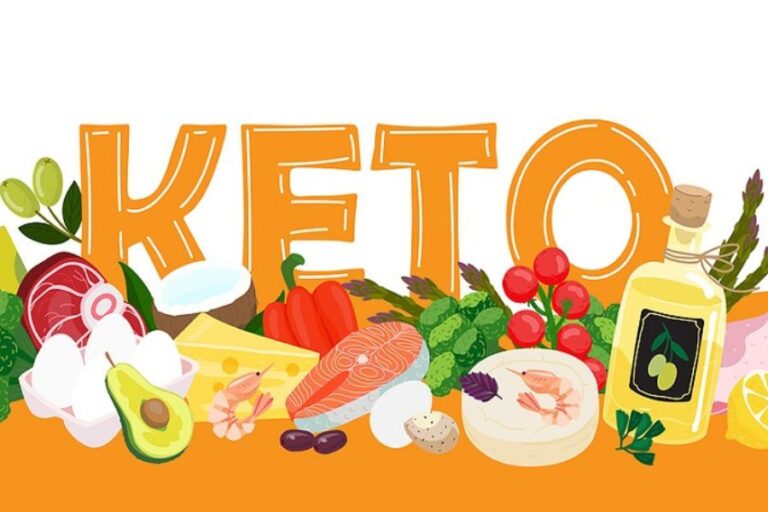
Keto friendly fiber rich choices include (Healthline, Everyday Health):
-
Nonstarchy vegetables
-
Broccoli
-
Cauliflower
-
Brussels sprouts
-
Artichokes
-
Collard greens
-
Zucchini
-
Leafy greens like spinach or kale
-
Fiber rich fats
-
Avocado
-
Chia seeds
-
Flaxseeds
-
Nuts like almonds or walnuts in moderate portions
-
Low carb fruits in small amounts
-
Raspberries
-
Blackberries
Aim to spread these foods throughout your day. For example:
- Add spinach, avocado, and chia seeds to your breakfast omelet or smoothie
- Pile your lunch plate with leafy greens, broccoli, and olive oil
- Use cauliflower rice or spiralized zucchini as the base for dinner instead of very low fiber alternatives
Increase fiber slowly so you do not swing from constipation to gas and bloating. Your gut bacteria need time to adjust to the new pattern.
2. Drink enough water, and maybe broth
Hydration is one of the simplest ways to help your bowels move again. Water helps fiber swell and soften your stool so it can pass more easily.
On keto, you also lose more sodium in your urine, which can contribute to dehydration and constipation. One suggested remedy for keto related constipation is to combine adequate fluids with extra sodium, for example 2 cups of broth or bouillon per day, if your doctor has not told you to avoid sodium (Virta Health).
You can:
- Keep a water bottle nearby and sip regularly
- Include unsweetened herbal tea or sparkling water
- Add 1 or 2 cups of salted broth or bouillon during the day if it fits your health needs
If you have high blood pressure or any condition where you need to watch your sodium, check with your healthcare provider before increasing salt.
3. Make gentle movement part of your day
You do not need an intense workout for better digestion. Simple, regular movement can encourage your intestines to move as well.
Try:
- A 10 to 20 minute walk after meals
- Light stretching or yoga in the morning and evening
- Getting up from your desk at least once every hour
Think of it as helping your whole body, including your gut, remember that it is meant to stay in motion.
4. Adjust your fat and protein balance
If you loaded your plate with very heavy, greasy foods at the start of keto, your digestion might be feeling the strain.
You might find relief if you:
- Choose more whole food fats
- Avocado, olives, nuts, seeds, olive oil
- Use moderate portions of very rich foods
- Butter, cream, cheese, very fatty cuts of meat
Also make sure you are not eating far more protein than you need. Keto is moderate protein, not high protein. Very high protein, very low fiber meals can make your stool harder and more difficult to pass.
5. Consider supplements carefully
If food based changes and hydration are not helping enough, you may think about supplements or over the counter laxatives. It is important to be cautious here, especially on keto.
Some fiber supplements, chewable tablets, and flavored powders contain sugars or starches that can bump you out of ketosis. Others may cause gas and cramping if you take too much at once.
If you decide to try a supplement:
- Choose a plain, unsweetened product if possible
- Start with a small dose
- Watch how your body responds over several days
Medical sources recommend talking with a healthcare professional before relying on fiber supplements or laxatives, since they can contain carbohydrates and may not be appropriate for everyone (Healthline, Medical News Today).
If you ever feel tempted to keep increasing laxatives just to get relief, stop and contact a doctor instead.
How to prevent keto constipation in the first place
Once you get things moving again, you probably want to avoid going through this a second time. Building a “digestion friendly” version of keto from the start makes constipation much less likely.
Transition into keto gradually
Instead of dropping to 20 grams of carbs overnight, you can ease into keto by:
- Starting at the higher end of the keto carb range, around 50 grams per day
- Holding there for a week or two while you add more low carb vegetables and healthy fats
- Slowly lowering carbs if you want to go stricter, paying attention to your digestion as you go
Gradually reducing carbs and allowing your body to adapt can reduce constipation and other “keto flu” symptoms like fatigue and headache (Medical News Today, Healthline).
Build every meal around low carb vegetables
An easy rule of thumb is to think: “vegetables first, then add fat and protein.” For most meals, you can:
- Fill at least half your plate with nonstarchy vegetables
- Add a source of protein such as eggs, fish, poultry, or tofu
- Top with healthy fats like avocado, olive oil, nuts, or seeds
This pattern gives you:
- Fiber to support bowel movements
- Micronutrients and antioxidants
- Enough fat and protein to feel satisfied on keto
Keep a simple digestion checklist
To stay regular on keto, it can help to check in with yourself once a day or once every few days. You might ask:
- Did I drink enough water today?
- Did I eat nonstarchy vegetables at most meals?
- Did I include at least one or two high fiber foods such as avocado, chia, or leafy greens?
- Did I move my body, even a little?
- Have I suddenly cut carbs more aggressively than before?
If constipation starts creeping back in, you can adjust quickly instead of waiting until it feels severe.
When to call your doctor
Keto constipation is very common, but that does not mean you should ignore it, especially if it is severe or ongoing.
Reach out to a healthcare professional if:
- You have had fewer than three bowel movements per week for more than three weeks
- You notice blood in your stool or on the toilet paper
- You have significant or worsening abdominal pain
- You alternate between constipation and diarrhea frequently
- Over the counter remedies are not helping or you feel you need them constantly
A doctor can rule out other causes, such as medication side effects or underlying digestive conditions, and can help you adjust your keto plan so it supports your health instead of fighting it (Healthline).
The bottom line: Keto without the slowdown
You can absolutely follow a ketogenic diet for weight loss and better health without living in constant fear of constipation. Keto constipation usually comes from a few fixable issues, like low fiber, dehydration, and sudden changes in your eating pattern.
If you:
- Include plenty of keto friendly, high fiber vegetables and fats
- Drink enough water and, if appropriate, add some broth for electrolytes
- Transition into keto gradually instead of overnight
- Move your body regularly
- Ask for medical guidance if constipation is severe or long lasting
you give your digestive system what it needs to keep up with your new way of eating.
If you are uncomfortable right now, start with one small change today, such as adding a big serving of leafy greens and a glass of water to your next meal. Notice how your body responds, then build from there. With a little patience and a few tweaks, you can enjoy keto’s benefits without feeling stuck.
About the Author