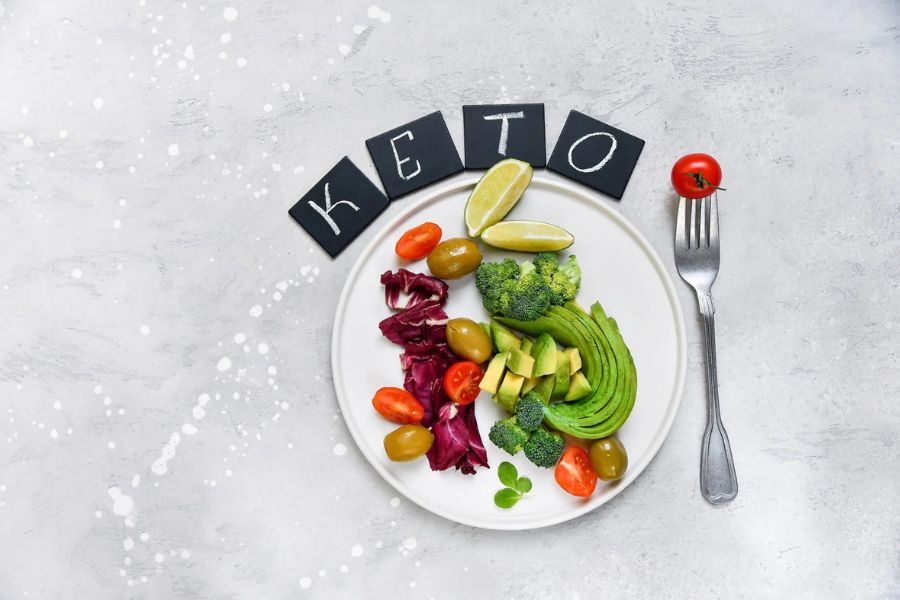
Understand the keto basics
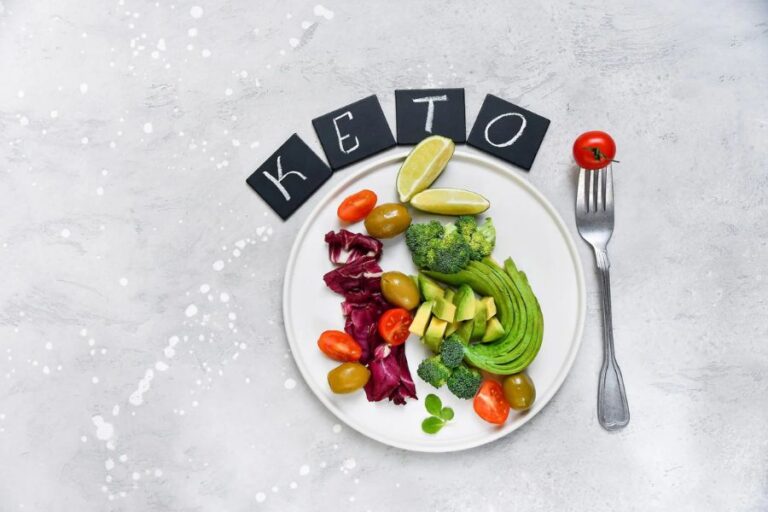
If you are building a keto foods list that actually helps you lose weight and feel better long term, it helps to start with the basics. The ketogenic diet is a low carbohydrate, high fat, moderate protein way of eating that shifts your body from using glucose for energy to using fat instead. This metabolic state is called ketosis.
Most keto approaches keep your daily carbs around 20 to 50 grams per day, with the rest of your calories coming mostly from healthy fats and some protein (Healthline, Perfect Keto). A common macro breakdown is:
- About 70 to 80% of calories from fat
- About 20 to 30% of calories from protein
- About 5% or fewer calories from carbs (Perfect Keto, Kevin’s Natural Foods)
Your keto foods list is what keeps those macros on track and helps you avoid the last minute, high carb choices that can throw you out of ketosis.
Why a written foods list matters
Taking time to create a simple, reusable list has big payoffs:
- You plan meals that fit your macros instead of guessing
- You avoid impulse buys in carb-heavy aisles
- You have go to ingredients ready for busy days
- You make it easier to stick with keto for the long haul (Perfect Keto)
Think of this list as your blueprint. You can mix and match from each category to build meals you actually enjoy.
Stock up on keto proteins
Protein helps keep you full, supports muscle, and makes your meals satisfying. On keto you focus on high quality options that are naturally low in carbs.
Meat and poultry
Most fresh meats have zero carbs and provide complete protein with all nine essential amino acids (Perfect Keto, Healthline). You might add these to your keto foods list:
- Beef, especially organic or grass fed if available
- Pork, including bacon and pork chops
- Dark meat chicken like thighs and drumsticks
- Turkey, especially thighs or ground turkey
Lean red meat may even support healthier aging without harming heart health when it is part of an overall balanced diet (Perfect Keto).
Fish and seafood
Most fish and shellfish are naturally low in carbs and rich in nutrients:
- Fatty fish like salmon, mackerel, and sardines
- White fish like cod, halibut, or tilapia
- Shellfish such as shrimp, crab, and scallops
These options provide vitamin D3 and omega 3 fatty acids that support healthier inflammation levels, gut health, and cholesterol balance (Perfect Keto, Healthline).
How you cook seafood matters. Instead of bread crumbs and vegetable oils, try:
- Almond flour or crushed pork rinds as coatings
- Avocado oil, olive oil, or butter for pan frying (Perfect Keto)
Eggs
Eggs are a keto grocery staple. One large egg has less than 1 gram of carbs and about 6 grams of protein (Healthline). They are easy to batch cook and work for breakfast, snacks, or tossed into salads.
Boiled, scrambled in butter, or baked as mini frittatas, eggs give you a quick, macro friendly option any time of day.
Plant based proteins
If you follow a vegetarian or mostly plant based keto approach, you can still build a solid protein foundation by choosing lower carb options in moderate amounts:
- Tofu and tempeh
- Edamame
- Some vegan meat alternatives that are low in carbs and do not have added sugars (Naked Nutrition)
These choices can fit into a keto foods list if you keep an eye on total carbs and pair them with plenty of healthy fats.
Fill your cart with healthy fats
Fat is where most of your calories come from on keto. The quality of those fats makes a difference in how you feel.
Everyday cooking oils
Your base cooking fats can come from unprocessed sources that are naturally low in carbs:
- Extra virgin olive oil
- Avocado oil
- Coconut oil
- Hazelnut oil for salads or drizzling (Naked Nutrition, Kevin’s Natural Foods)
These are ideal for roasting vegetables, pan searing meat, or dressing salads.
Dairy based fats
Many full fat dairy products are naturally low in carbs and high in fat:
- Butter and ghee
- Heavy cream and sour cream
- Full fat cheeses like cheddar, mozzarella, or goat cheese
Cheese is typically low in carbs and high in fat. For example, 1 ounce of cheddar has about 1 gram of carbs (Healthline). Full fat options are preferred, since low fat dairy often has more carbs from added sugars or shifted macronutrients (Perfect Keto).
Use these to add flavor and richness, but still keep portions in line with your overall calorie needs.
Whole food fat sources
Round out your keto foods list with fats that bring along fiber and micronutrients:
- Avocados, which may also help improve cholesterol levels (Ketogenic.com)
- Olives and olive tapenade
- Nuts like macadamias, pecans, and walnuts
- Seeds such as chia, flax, and pumpkin seeds
Nuts and seeds are a cornerstone of many keto diets because they are high in fat and relatively low in carbs. Just use a light hand with higher carb choices like pistachios and cashews, and choose nut butters without sweeteners or fillers (Perfect Keto).
When possible, include a mix of fats with omega 3, omega 6, omega 9, and some saturated fat, while avoiding trans fats altogether (Perfect Keto).
Choose low carb vegetables
Keto does not mean skipping vegetables. Instead, you focus on low carb, non starchy options that are packed with vitamins, minerals, and fiber.
Leafy greens
Leafy greens are some of the most keto friendly foods you can buy:
- Spinach
- Kale
- Swiss chard
- Collard greens
- Romaine
- Arugula
They are low in net carbs and high in nutrients and fiber (Naked Nutrition, Ketogenic.com). You can rotate them through salads, sautés, soups, and egg dishes.
Low carb veggies beyond greens
Build variety into your plate with other non starchy vegetables:
- Cauliflower and broccoli
- Cabbage and bok choy
- Green peppers and other non sweet peppers
- Zucchini and other summer squash
- Spaghetti squash
- Jicama and turnips
- Brussels sprouts in moderation
These vegetables are generally lower in carbs and offer antioxidants, sulfur compounds, and fiber that support overall health (Healthline, Ketogenic.com).
Veggies to limit or avoid
Some vegetables are higher in starch and can quickly eat up your daily carb allowance. On keto you usually limit or avoid:
- Potatoes and sweet potatoes
- Yams
- Corn
- Butternut squash and other sweet winter squash
Other vegetables like rutabaga and cooked carrots can fit in small portions if you track your carbs closely (Ketogenic.com).
Pick fruits that fit your carbs
Fruit can feel tricky on keto because many options are naturally higher in sugar. The key is choosing low sugar fruits in modest portions.
Keto friendly fruits
You can keep fruit in your keto foods list by focusing on:
- Avocado
- Raspberries
- Blackberries
- Strawberries
- Lemons and limes for flavoring water and dishes
- Coconut and small servings of watermelon
These choices tend to be lower in net carbs than fruits like bananas or grapes and still offer vitamins, fiber, and antioxidants (Healthline, Kevin’s Natural Foods, Ketogenic.com). Berries in particular have anti inflammatory properties that can benefit your overall health (Ketogenic.com).
Fruits to keep rare
High carb, high sugar fruits can quickly push you over your daily carb limit and out of ketosis. You generally avoid or sharply limit:
- Bananas
- Apples and pears
- Grapes and cherries
- Mangoes and pineapple
- Oranges and peaches
These fruits are best treated as occasional treats, if at all, when you are following a strict ketogenic plan (Healthline, Ideal Nutrition Now).
Add low carb pantry essentials
Once you have protein, fats, veggies, and fruits in place, your pantry items help you cook and bake in a way that feels satisfying and sustainable.
Nuts, seeds, and flours
These ingredients can replace higher carb staples:
- Almond flour and coconut flour in place of wheat flour for baking
- Whole nuts and seeds as snacks or toppings
- Nut and seed butters without added sugar
Almond flour is a classic low carb baking staple, and it works well for breading chicken or thickening sauces too (Kevin’s Natural Foods). Nuts and seeds add healthy fats, crunch, and fiber but should still be portion controlled (Healthline, Perfect Keto).
Sweeteners and treats
You do not need to use sugar to enjoy something sweet on keto. Instead, look for:
- Stevia
- Monk fruit
- Erythritol
- Xylitol in moderation if tolerated
These low carb sweeteners do not raise blood sugar in the way regular sugar does (Naked Nutrition, Kevin’s Natural Foods). They work in drinks, desserts, and even some sauces.
For occasional treats you can also include:
- Dark chocolate with at least 70% cocoa solids
- Sugar free dark chocolate products
Portion control still matters, but these can help you feel less restricted (Healthline, Kevin’s Natural Foods).
Low carb noodles and extras
To replace higher carb sides you might add:
- Shirataki noodles, which typically have less than 1 gram of net carbs per serving (Healthline)
- Cauliflower rice and cauliflower mash
- Pork rinds for crunch or breading
These swaps help you recreate familiar meals, like stir fries or pasta style dishes, in a keto friendly way.
Watch out for common keto pitfalls
Even with a solid keto foods list, certain items can quietly increase your carb intake. Knowing what to watch for keeps you in control.
High carb grains and starches
Grains and starchy foods quickly push you past your carb target, so most are off your regular list:
- Bread, tortillas, and wraps
- Pasta and noodles made from wheat or rice
- Rice, quinoa, corn, and oats
- Breakfast cereals
These foods raise blood sugar, which makes it difficult to reach or maintain ketosis (Healthline, Ideal Nutrition Now).
Sugary foods and condiments
Even small amounts of added sugar add up quickly. You typically avoid:
- Candy, pastries, and sugary desserts
- Sweetened yogurts
- Regular sodas and sweetened coffee drinks
- Honey, maple syrup, and agave
- Ketchup, barbecue sauce, sweet chili sauce, and many bottled marinades
These raise insulin, encourage fat storage, and pull you out of ketosis (Healthline, Ideal Nutrition Now).
Instead, reach for:
- Vinegar based hot sauces
- Mustard
- Mayonnaise without added sugar
- Herbs and spices for flavor (Healthline)
Drinks with hidden carbs
What you drink can either quietly support your keto goals or completely derail them. Try to limit:
- Beer and most mixed cocktails
- Sweetened wine coolers
- Fruit juices and juice blends
- Sweetened teas and energy drinks
Lower carb choices include water, sparkling water, unsweetened tea, black coffee, and in moderation, red wine or spirits that have about 5 grams of carbs or less per serving (Healthline).
Turn your list into easy meals
A keto foods list is most useful when you can turn it into simple meals without much thinking. Here are a few ways to use the ingredients from above.
Breakfast ideas
Mix and match:
- Scrambled eggs cooked in butter with spinach and avocado
- Greek yogurt in moderation with a small handful of raspberries and chopped walnuts (Healthline)
- Omelet with cheese, mushrooms, and peppers
You can rotate these ideas through the week to keep mornings straightforward.
Lunch and dinner ideas
Build plates that follow a simple pattern: protein, low carb vegetables, and a source of healthy fat:
- Salmon baked in olive oil with roasted broccoli and a side of cauliflower mash
- Burger patty with cheese, avocado, and a side salad dressed in olive oil and vinegar
- Stir fried chicken thighs with cabbage, peppers, and shirataki noodles in a low sugar sauce
If you keep your fridge stocked with a few proteins and low carb vegetables, creating meals from your keto foods list becomes much easier.
Snack ideas
If you like having snacks on hand, consider:
- A small handful of nuts or seeds
- Cheese slices with cucumber rounds
- Celery sticks with almond butter
- Hard boiled eggs
- A few olives and cherry tomatoes
You do not have to snack on keto, but these options can help on days when meals are spaced farther apart.
Build your own lasting keto foods list
A powerful keto foods list is not about perfection. It is about creating a set of go to items that work for your lifestyle, your budget, and your body, while still aligning with keto guidelines.
You can start by:
- Picking 2 or 3 proteins you enjoy
- Choosing 3 to 5 low carb vegetables you will actually use
- Adding 3 to 4 healthy fats you like to cook with
- Selecting 1 or 2 fruits that fit your carbs and taste
- Keeping a few pantry items on hand like almond flour, nuts, and a keto friendly sweetener
From there you can gradually expand or adjust your list as you learn what keeps you full, energized, and moving toward your goals.
If you keep things simple and consistent, your keto foods list becomes less about restriction and more about having a clear, reliable path to the lasting results you are looking for.
About the Author