Understand keto vs low carb
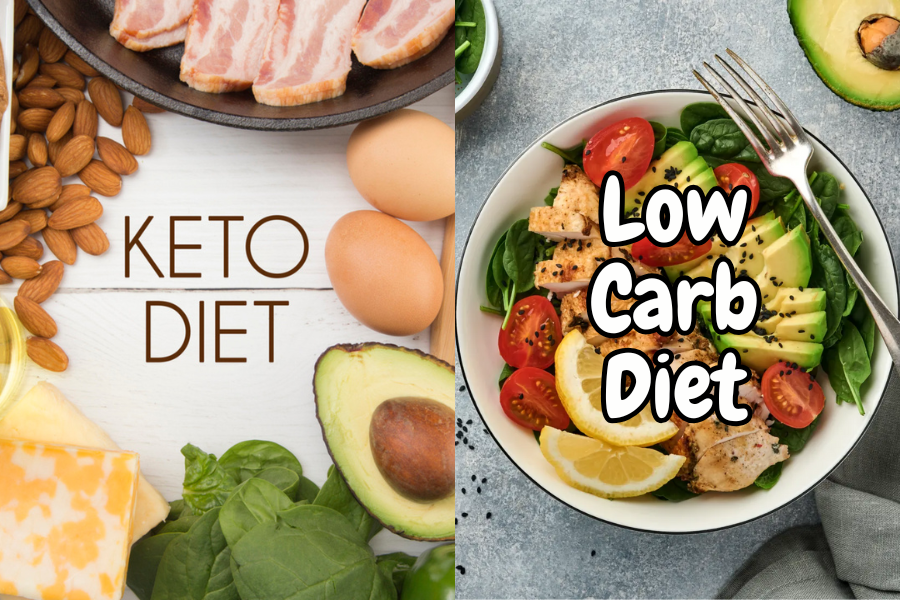
If you are comparing a keto vs low carb diet to lose weight or improve your health, you are really choosing between two different levels of carb restriction. Both plans cut back on bread, pasta, sugar, and starchy foods, and both encourage protein, healthy fats, and vegetables. The main difference is how low you take your carbs and how strictly you need to stick to the numbers.
In this guide, you will learn how each diet works, what you can eat, the pros and cons, and how to figure out which one is a better fit for your lifestyle and goals.
What a low carb diet looks like
A low carb diet limits, but does not eliminate, carbohydrates. You still eat carbs every day, just less than on a typical Western diet.
Basic low carb guidelines
Research suggests that a low carb diet usually means:
- About 10% to 30% of your calories from carbs, or roughly 50 to 150 grams of carbs per day on a 2,000 calorie diet (Healthline)
- Around 40% to 50% of calories from protein and 30% to 40% from fat (Nutrition News by Abbott)
At this level, you are lowering carbs enough to help control appetite and support weight loss, but you are usually not in deep ketosis.
Foods you typically eat on low carb
On a low carb diet you focus on:
- Protein: chicken, turkey, fish, eggs, lean beef, tofu, Greek yogurt
- Healthy fats: olive oil, avocado, nuts, seeds, cheese in moderation
- Vegetables: leafy greens, broccoli, cauliflower, zucchini, peppers, asparagus
- Some fruit: berries, small portions of apples or citrus
- Moderate starches: small servings of beans, lentils, or whole grains if they fit your carb budget
You mainly avoid:
- Sugary drinks and desserts
- Refined grains like white bread, regular pasta, pastries
- Large portions of potatoes, rice, and other starchy sides
Because there is a range of 50 to 150 grams of carbs, you have some flexibility. You can adjust up or down based on your activity level, hunger, and how you feel.
What a keto diet looks like
A ketogenic, or keto, diet is a very low carb, high fat eating pattern. The goal is to push your body into nutritional ketosis, a state where you burn fat as your primary fuel source instead of carbohydrates.
Basic keto guidelines
On a standard keto diet, your macro targets are more rigid. Current guidance describes keto as:
- Around 5% to 10% of calories from carbs, which usually means fewer than 50 grams of carbs per day, and can be as low as 20 grams (Healthline, Health.com)
- About 15% to 30% of calories from protein
- At least 70% to 80% of calories from fat (Nutrition News by Abbott)
If you eat too many carbs or sometimes too much protein, you can knock yourself out of ketosis, so hitting those numbers consistently is important.
Foods you typically eat on keto
Keto centers your plate around:
- Fats: butter, olive oil, coconut oil, avocado, nuts, seeds
- Protein: eggs, meat, fatty fish, cheese, full fat dairy
- Non starchy vegetables: leafy greens, broccoli, cauliflower, mushrooms, zucchini
Keto diets generally avoid:
- Most fruit, except small portions of berries
- All grains: wheat, rice, oats, corn
- Legumes: beans, lentils, peas
- Starchy vegetables: potatoes, sweet potatoes, corn
- Sugar and most packaged snacks
This strict list is what makes keto powerful for some people and very difficult for others.
Key similarities between keto and low carb
When you look at keto vs low carb diet options, you will notice several important similarities.
Both diets:
- Cut back on high carb foods like bread, pasta, sugary snacks, and sweetened drinks (Health.com)
- Focus on protein rich foods and healthy fats like avocados, nuts, seeds, and meats
- Encourage plenty of non starchy vegetables
- Can improve appetite control, energy levels, and support weight management for many people (Health.com)
- May help with short term blood sugar control and weight loss, according to current research (Health.com)
So in both cases you are moving away from a high sugar, refined carb pattern and toward more satisfying whole foods.
The big differences: keto vs low carb diet
The main differences come down to how strict each plan is and what that means for your body and daily life.
Carb limits and ketosis
-
Low carb
-
Carbs: roughly 50 to 150 grams per day, or about 10% to 30% of calories (Healthline)
-
Your body may or may not enter ketosis, depending on how low you go and your metabolism
-
The focus is on lowering carbs enough to reduce hunger and calories
-
Keto
-
Carbs: usually under 50 grams per day, sometimes as low as 20 grams (Healthline, Health.com)
-
Purposefully aims for ketosis, where fat is your main fuel
-
Requires more careful tracking and consistency
Macros and food flexibility
Low carb offers a moderate balance:
- More room for protein
- More total carb allowance, so you can sometimes fit in fruit, beans, or a small grain serving
- Less pressure to reach very high fat intake
Keto makes fat the star of the show:
- At least 70% to 80% of calories from fat (Nutrition News by Abbott)
- Protein kept moderate to avoid disrupting ketosis
- Very limited food choices, especially from fruits, grains, and legumes
How sustainable each plan feels
Experts note that low carb diets are usually easier to follow long term than keto because they allow more variety and a more moderate macro balance (Nutrition News by Abbott).
Keto, on the other hand:
- Can feel too restrictive for many people
- Often leads to side effects and poor long term adherence
- Is usually better suited to shorter periods or specific medical needs, rather than a lifelong pattern for most people (Healthline)
Health benefits and risks
Both diets can offer benefits, especially if you are currently eating a high sugar, high refined carb diet. The key is to weigh the health gains against possible downsides.
Potential benefits of low carb
A low carb approach can help you:
- Lose weight by naturally reducing calories and hunger
- Improve blood sugar and insulin levels
- Increase intake of protein and healthy fats, which can support muscle maintenance and steady energy
For most people seeking weight loss or general health improvements, a low carb diet is considered a better and more sustainable option than strict keto (Healthline).
Potential benefits of keto
Keto can sometimes lead to:
- Faster weight loss in the short term, partly due to water loss and reduced appetite
- Stronger blood sugar control if you have very high carb sensitivity
- Therapeutic benefits in specific conditions, for example treatment resistant epilepsy and possibly some types of cancer, under medical supervision (Healthline)
Because keto drives your body into nutritional ketosis, fat becomes your main fuel source. That shift can feel energizing for some people once the adjustment period passes.
Risks and side effects to know about
Keto specific concerns
With very low carb intake, you might experience:
- Nutrient gaps and low intake of fiber, vitamins, and minerals
- Electrolyte imbalances, low blood sugar, and digestive changes
- A bump in LDL cholesterol for some people (Health.com, Stanford Medicine)
A Stanford Medicine study comparing a keto style diet and a Mediterranean style low carb plan in adults with type 2 diabetes or prediabetes found that both diets improved blood glucose and led to similar weight loss. However, the keto diet raised LDL cholesterol and reduced intakes of beneficial nutrients like fiber and several vitamins, while the Mediterranean low carb pattern lowered LDL and provided a more balanced nutrient profile (Stanford Medicine).
Low carb considerations
Low carb diets are generally lower risk, but you can still run into issues if you:
- Cut carbs too sharply without planning, which might cause fatigue or headaches
- Skimp on vegetables and fiber
- Overdo saturated fats instead of choosing mostly unsaturated fats like olive oil and nuts
In both cases, it is important to talk with your healthcare provider before making big changes, especially if you have diabetes, heart disease, kidney issues, or take medications that affect blood sugar or blood pressure (Healthline, Health.com).
What the research says about results
You might be wondering whether keto vs low carb diet strategies lead to different real world results.
Weight loss and blood sugar
Current evidence suggests:
- Both very low carb keto diets and more moderate low carb diets can improve weight and blood sugar in the short term
- The extra carb restriction of keto does not always translate into better long term outcomes compared to sensible low carb patterns (Healthline, Health.com)
In the Stanford Medicine study mentioned earlier, participants on a keto style diet and a Mediterranean low carb diet had:
- Similar reductions in HbA1c, a marker of blood sugar control
- Similar weight loss and improvements in fasting insulin and glucose (Stanford Medicine)
After the trial ended, most people drifted back toward a Mediterranean style low carb pattern and still maintained much of their progress. This suggests that extreme carb restriction is not always necessary for long term benefit and that diet patterns you can stick with often win out over stricter plans.
Adherence and lifestyle fit
Adherence is where keto tends to struggle. Experts point out that:
- Keto is often too restrictive for everyday life, especially because it limits fruits, whole grains, and legumes (Healthline, Stanford Medicine)
- Many people find low carb approaches more realistic and easier to sustain for years (Nutrition News by Abbott)
If you cannot follow a plan consistently, even the most promising results on paper will not matter in your daily life.
How to choose between keto and low carb
The best diet is the one that supports your goals and fits into your real routine. Use these questions to help decide.
Clarify your goals
Ask yourself:
- Are you aiming for significant, possibly rapid weight loss, or steady progress over time?
- Do you have a medical condition like type 2 diabetes, prediabetes, or epilepsy that your doctor is guiding?
- Are you mainly focused on general health, energy, and fewer cravings?
If you need aggressive short term changes and your healthcare provider is on board, keto might be on the table. For steady, sustainable improvement in weight and health markers, low carb is often the more practical choice (Healthline).
Be honest about your food preferences
Think about what you genuinely enjoy:
- Do you love fruit, beans, and occasional whole grains?
- Do you enjoy high fat foods enough to eat them day in and day out?
- How do you feel about skipping bread, rice, and most desserts most of the time?
Low carb gives you room for more variety. Keto requires:
- Comfort with a very high fat intake, day after day
- Willingness to give up or sharply limit many carb rich foods
Pamela Nisevich Bede, a registered dietitian at Abbott, notes that people considering keto for significant weight loss should honestly assess whether they can consistently eat very high fat meals, because poor adherence will limit success (Nutrition News by Abbott).
Consider your timeline and lifestyle
Keto can require:
- A transition period of three to five weeks while your body adapts to using fat for fuel, often with some discomfort (Nutrition News by Abbott)
- Careful meal planning, food tracking, and sometimes supplements like fiber or multivitamins to plug nutrient gaps
Low carb still benefits from planning, but:
- You have more flexibility when eating out or traveling
- It is easier to adjust portions and food choices without fully abandoning the plan
If your schedule is busy or unpredictable, low carb usually fits more smoothly into real life.
Getting started safely
Whichever side of the keto vs low carb diet question you lean toward, set yourself up for success with a few simple steps.
Talk to your healthcare provider first
Before starting:
- Share your health history, medications, and goals
- Ask whether low carb or keto is safe and appropriate for your situation
- Discuss how to monitor your blood sugar, blood pressure, and cholesterol if needed
This is especially important if you have diabetes, heart disease, kidney issues, or if you are pregnant or breastfeeding (Healthline, Health.com).
Start with gentle changes
If you are unsure how your body will react, you can:
- Cut out sugary drinks and obvious sweets first
- Replace refined grains with non starchy vegetables at one or two meals
- Add a serving of protein and healthy fat to each meal to stay full
- Track what you eat for a few days to see your baseline carb intake
From there, decide whether to move toward a moderate low carb level or a stricter keto structure with professional guidance.
Use simple planning habits
For both keto and low carb, it helps to:
- Plan a few core meals you enjoy and can repeat
- Keep your kitchen stocked with proteins, healthy fats, and low carb vegetables
- Pack snacks like nuts, cheese sticks, or cut veggies to avoid impulse carb choices
- Check menus ahead of time when you eat out
If you choose keto, consider:
- Using a food tracking app at least at the beginning
- Including high fiber low carb foods and possibly a fiber supplement
- Talking with your provider about a basic multivitamin or electrolyte support if needed (Nutrition News by Abbott)
A quick comparison summary
Here is a simple side by side look at keto vs low carb diet basics.
| Feature | Low carb diet | Keto diet |
|---|---|---|
| Daily carbs | About 50–150 g or 10%–30% of calories (Healthline) | Usually under 50 g, sometimes as low as 20 g (Healthline, Health.com) |
| Main fuel source | Mix of carbs and fat | Mostly fat, due to ketosis |
| Fat intake | Moderate (30%–40% of calories) (Nutrition News by Abbott) | High (70%–80% of calories) (Nutrition News by Abbott) |
| Protein intake | Moderate to higher | Moderate |
| Food variety | More flexible, can include some fruit, beans, whole grains | More restricted, limited fruit, no grains or legumes |
| Ease of adherence | Generally easier long term | Often difficult long term (Nutrition News by Abbott) |
| Best for | Most people seeking sustainable weight loss and health improvements (Healthline) | Short term weight loss or specific medical uses, with medical guidance |
Takeaway: choosing your best fit
When you compare a keto vs low carb diet, you are really weighing speed and strictness against flexibility and long term fit.
- If you want a realistic way to eat fewer carbs, lose weight, and support your health without feeling boxed in, a low carb diet will probably serve you better.
- If you are prepared for a very strict plan, are comfortable eating a lot of fat, and have close medical support, keto can offer strong short term results, though it is harder to maintain.
You do not have to decide everything at once. You can start by lowering your carbs in a moderate way, notice how your body responds, and then adjust. With your provider’s guidance and a bit of planning, you can find the version of low carb eating that fits your goals and your everyday life.
About the Author