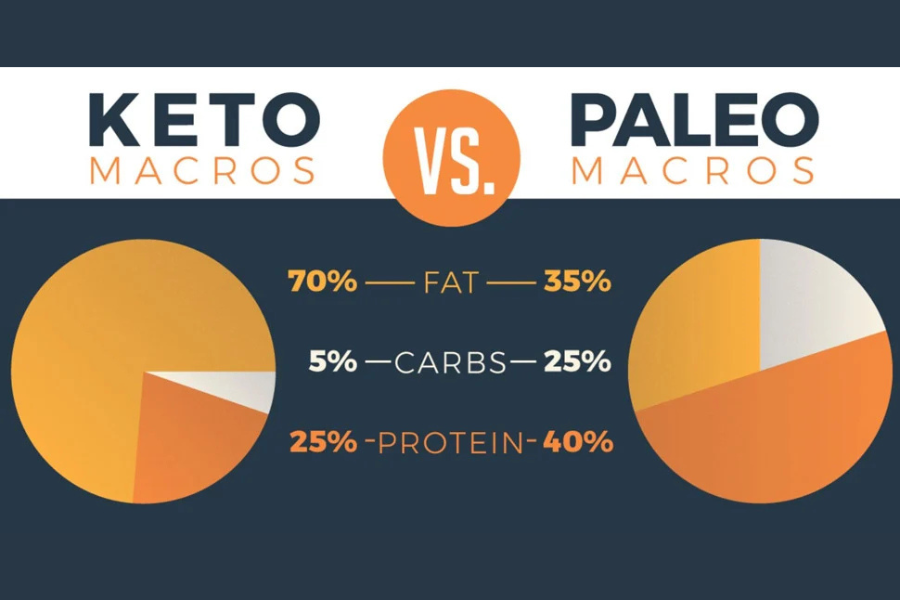
Understand the basics of keto vs paleo
When you compare keto vs paleo, you are really looking at two very different approaches to eating, even though they can look similar on the surface. Both focus on whole, minimally processed foods and both cut out grains and legumes. From there, the paths start to diverge.
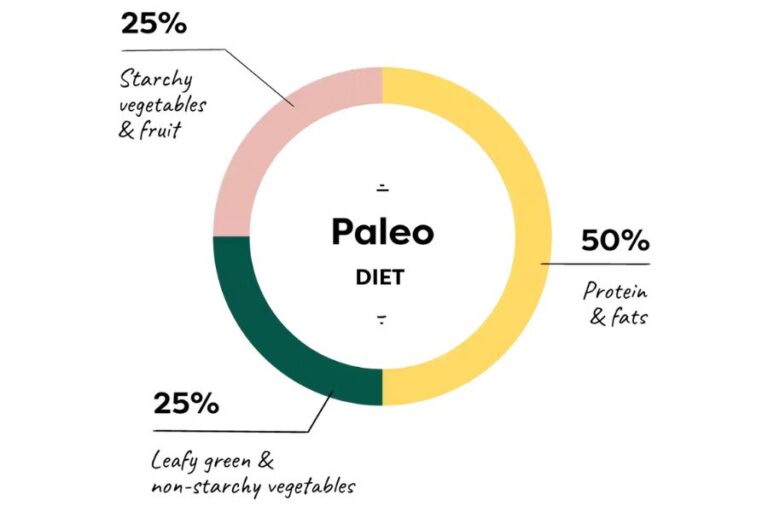
According to nutrition overviews from Healthline, the paleo diet, sometimes called the caveman diet, focuses on eating whole foods that would have been available to early humans, like lean meats, fish, nuts, fruits, and vegetables, while generally avoiding grains, legumes, processed sugar, and most dairy (Healthline).
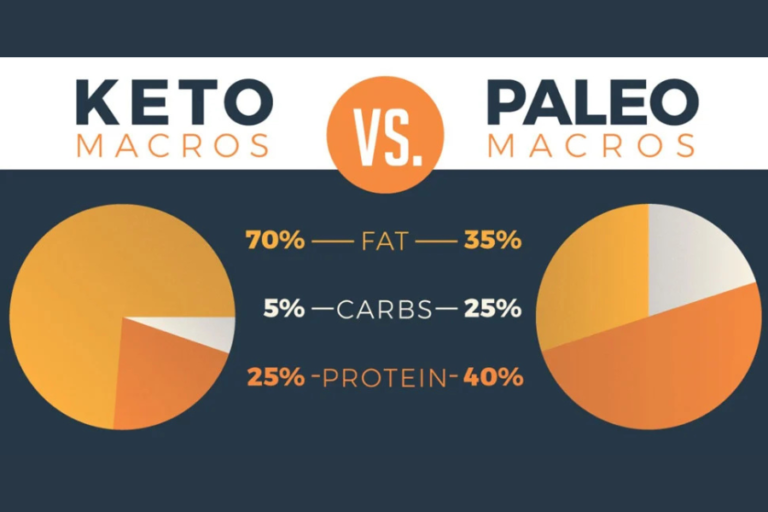
The ketogenic, or keto, diet focuses less on food “history” and more on macronutrients. Keto is very high in fat, moderate in protein, and very low in carbohydrates. The goal is to put your body into ketosis, a metabolic state where you burn fat, and the ketones made from fat, for energy instead of carbs (Healthline).
Both approaches can change your life for the better if you use them thoughtfully and with your long term health in mind. The right fit depends on your personality, health status, and how you want to live day to day.
Quick snapshot of key differences
| Feature | Keto diet | Paleo diet |
|---|---|---|
| Main focus | Very low carb, high fat to reach ketosis | Whole, minimally processed foods that mimic early human diets |
| Carbs allowed | Very limited, most fruit and starches restricted | Fruits and starchy vegetables allowed in moderation |
| Dairy | Often allowed, especially high fat options | Mostly avoided |
| Grains & legumes | Eliminated due to high carb content | Eliminated due to antinutrients and processing concerns (Healthline) |
| Lifestyle component | Primarily about macros | Often includes movement, sleep, and mindfulness practices |
| Main goal for many | Fast fat loss and blood sugar control | Overall health, fewer processed foods, sustainable habits |
See how each diet works in your body
Understanding how keto vs paleo works under the hood helps you pick the approach that lines up with your goals and your comfort level.
How keto changes your metabolism
On keto, you drastically cut carbs and increase fat. According to Healthline, this shift pushes your body into ketosis, where fat, not carbohydrates, becomes your primary fuel source (Healthline).
Dr Samantha Harris, an endocrinologist at Scripps Clinic Del Mar, explains that a ketogenic diet uses very low carbohydrate intake to train your body to rely on fat and ketones for energy instead of glucose (Scripps Health).
When this works well, you may notice:
- Steady energy between meals
- Fewer blood sugar highs and crashes
- Initial rapid weight loss as your body uses stored glycogen and water
- Ongoing fat loss as long as you stay in ketosis and in a calorie deficit
However, reaching and maintaining ketosis means you need to be very consistent with low carb intake. Even a few high carb meals can pull you out of ketosis and change your results.
How paleo shifts your habits
Paleo does not require ketosis. Instead, you focus on the quality and type of foods you eat. Healthline notes that paleo emphasizes whole, unprocessed foods that resemble what your ancient ancestors might have eaten, including lean proteins like fish and chicken, nuts, fruits, and vegetables, while cutting grains, legumes, processed sugar, and most dairy (Healthline).
Dr Harris also describes paleo in similar terms, with an emphasis on whole, nutrient dense foods and fewer modern processed items (Scripps Health).
Because paleo allows whole food carbohydrates like fruits and vegetables and does not target specific macro ratios, you get more flexibility while still moving away from highly processed foods. Weight loss often happens because you naturally reduce your intake of sugary and refined foods and pay more attention to what you eat.
Compare what you eat day to day
Looking at allowed and limited foods side by side makes the keto vs paleo choice more concrete.
Typical keto friendly foods
On a keto diet, you would build meals around:
- Fatty cuts of meat and poultry
- Fish and seafood
- Eggs
- High fat dairy like butter, cream, and some cheeses
- Non starchy vegetables like leafy greens, broccoli, zucchini, peppers
- Healthy fats such as olive oil, avocado oil, coconut oil, nuts, and seeds
You would sharply limit or avoid:
- Grains of all kinds
- Legumes like beans, lentils, and peas
- Most fruits, especially high sugar options
- Starchy vegetables like potatoes and corn
- Regular sugar, sweets, baked goods, and sweet drinks
The emphasis is not on whether a food is “ancient” but on whether it fits your carb limit for the day.
Typical paleo friendly foods
On a paleo diet, your plate would usually include:
- Lean meats, poultry, and fish
- Eggs
- A wide variety of vegetables
- Fruits, including higher sugar fruits in moderation
- Nuts and seeds
- Natural fats like olive oil, avocado oil, and coconut oil
You would avoid or minimize:
- Grains such as wheat, rice, and oats
- Legumes such as beans, lentils, and peanuts
- Most dairy products
- Refined sugar and artificial sweeteners
- Heavily processed foods and oils
Healthline points out that paleo is not automatically low carb, because you can still eat plenty of fruits, vegetables, and unrefined sweeteners within your own comfort level (Healthline).
Understand overlapping benefits
You may be wondering where keto vs paleo overlap and whether both can help you lose weight and feel better. The answer is yes, but in slightly different ways.
Shared strengths of both diets
According to both Healthline and Scripps Health, paleo and keto can support weight loss and better overall health when you follow them consistently (Healthline, Scripps Health). Some shared advantages include:
- Fewer highly processed foods and added sugars
- More emphasis on whole, nutrient dense ingredients
- Greater awareness of what and how much you eat
- Potential improvements in blood sugar control and appetite regulation
Dr Harris notes that both diets can help you lose weight and improve health markers, but ongoing commitment matters. If you go back to old habits quickly, the weight often returns (Scripps Health).
Where keto may feel more “intense”
Keto tends to create a more dramatic shift in your metabolism because of ketosis. That can bring faster initial fat loss for some people. It can also mean:
- Tighter rules about carbs
- More planning ahead when you eat out
- A steeper learning curve at the beginning
If you enjoy structure and do not mind tracking your carbs closely, you may find keto satisfying and motivating. If you prefer flexibility, paleo might feel more natural.
Weigh the risks and side effects
Any big change in how you eat can bring side effects, especially at the start. It is important to go into keto vs paleo with your eyes open and to talk with your healthcare provider if you have existing conditions.
Common keto side effects and cautions
Dr Harris describes several short term side effects that can show up when you first start keto (Scripps Health):
- Increased thirst and frequent urination
- Rapid initial weight loss from water and glycogen loss
- Metallic taste in your mouth
- Nausea or mild stomach upset
- Decreased appetite
- Low energy and brain fog while you adapt
- Difficulty sleeping
These issues often improve as your body adjusts, but you should pay attention to how you feel. Dr Harris also notes that some people should avoid keto altogether, including:
- People with advanced kidney disease
- Pregnant or nursing women
- Anyone with a history of eating disorders
If you fall into one of these groups, or if you have other chronic conditions, ask your healthcare provider before starting keto.
What we know about long term keto risks in animals
A University of Utah Health study in 2025 looked at long term ketogenic diets in mice. The researchers found that while keto prevented weight gain compared to a high fat Western diet, it also caused serious metabolic issues in the mice over time (University of Utah Health).
Key findings included:
- Male mice developed severe fatty liver and liver dysfunction, which is a marker of metabolic disease, while female mice did not show the same level of liver fat buildup (University of Utah Health)
- After two to three months, the keto fed mice had low blood sugar and insulin at baseline but had a poor response when they ate carbs, with blood sugar rising very high because their stressed pancreatic cells did not release enough insulin (University of Utah Health)
- The metabolic problems were linked to cellular stress in insulin producing cells, potentially due to chronically high fat levels. These issues reversed once the diet stopped (University of Utah Health)
This study was done in mice, not humans, and it did not compare keto directly to paleo. It does suggest that very long term, very high fat dieting might have tradeoffs you should consider and discuss with a professional.
Paleo risks and considerations
The research summary you see here focuses more heavily on keto than paleo risks. In general, paleo concerns tend to center around:
- Cutting out entire food groups like grains and legumes, which can impact fiber intake if you do not eat plenty of vegetables
- Making paleo too restrictive or perfectionistic, which can add stress to your relationship with food
Because paleo encourages a variety of fruits and vegetables, it can be easier to get enough fiber and micronutrients compared with very strict keto. That can support digestion and overall health, as long as you are still eating a balanced mix of foods.
Match the diet to your goals
Once you understand how keto vs paleo works, you can line them up with what you want most from your diet and lifestyle.
If fast fat loss and blood sugar control are top priorities
You might lean toward keto if:
- You want a structured plan that can support quicker fat loss at the start
- You are very focused on blood sugar control and your doctor supports the approach
- You like clear macro targets and are comfortable tracking carbs
Both Healthline and Scripps Health indicate that keto can promote weight loss and improved health markers when done carefully and consistently (Healthline, Scripps Health).
However, you need to weigh those potential benefits against the stricter rules, possible side effects, and unknowns about very long term, high fat diets.
If long term lifestyle change matters most
Paleo may fit you better if:
- You want to focus on whole foods without strict macro counting
- You prefer more flexibility with fruits and starchy vegetables
- You want your eating pattern to connect with a broader lifestyle that includes movement and mindfulness
Healthline points out that paleo often includes lifestyle components like exercise and mindfulness practices alongside the diet itself. In contrast, keto centers almost entirely on specific macronutrient ratios (Healthline).
If you know you do not want to track carbs forever, or you already feel overwhelmed by food rules, paleo can give you structure without as many numbers.
Decide which is more sustainable for you
The biggest way keto vs paleo can change your life is by helping you build a way of eating you can actually live with. Sustainable change usually beats quick, temporary fixes.
Questions to ask yourself before you choose
Take a few minutes to answer these honestly:
- How much structure do you like?
- If you enjoy rules and clear targets, keto may feel reassuring.
- If you like guidelines but not strict counting, paleo might be better.
- How important is eating out or social eating?
- Keto can make restaurant meals and social events trickier because of the carb limits.
- Paleo still involves some restrictions, but you generally have more options.
- What is your medical situation?
- If you have kidney disease, are pregnant or nursing, or have a history of disordered eating, you should avoid keto or only attempt it under very close medical supervision, as Dr Harris advises (Scripps Health).
- If you have any chronic condition, talk with your healthcare provider before making a big change.
- What do you want your diet to feel like in one year?
- Picture your daily meals, grocery list, and social life. If you cannot imagine staying in ketosis that long, a less restrictive model like paleo may serve you better.
You do not have to choose “perfectly”
You can also blend ideas from both diets within what your doctor supports. For example, you might:
- Start closer to keto for a short period to jump start fat loss, then slowly ease into a more moderate, paleo style pattern
- Follow a mostly paleo approach but use keto style low carb meals on busier days when you need more stable energy
The goal is not to follow someone else’s rules perfectly. The goal is to build an eating pattern that helps you feel stronger, lighter, and more at ease in your body.
Take your next small step
Keto vs paleo is ultimately about more than labels. Both can move you away from processed foods and toward more intentional eating. Both can support weight loss and better health when you use them consistently and with care.
Your best next step is the one you can actually take this week. You might:
- Swap one processed snack for a whole food option like nuts or fruit
- Try a single keto friendly dinner with non starchy vegetables and healthy fats
- Experiment with a paleo style breakfast that skips grains and added sugar
Notice how you feel, both physically and mentally. Then adjust. Over time, these small, consistent changes are what truly change your life for the better.
About the Author