A low carb diet can feel like a complete reset for your body. By cutting back on bread, pasta, sugary snacks, and other refined carbohydrates, you encourage your body to burn stored fat instead of constantly relying on quick sugar. Done thoughtfully, this approach can help you shed pounds quickly while also improving key health markers like blood sugar, triglycerides, and waist size.
Below, you will see how a low carb diet works, why it often leads to rapid weight loss, what you can eat, and how to start in a realistic way that fits your life.
Understand what a low carb diet actually is
At its core, a low carb diet means you reduce carbohydrates and rely more on protein, healthy fats, and low carb vegetables. Carbs are found in grains, starchy vegetables, sugary foods, and many fruits. When you lower your carb intake, your body produces less insulin, which is the hormone that helps store sugar and fat.
There is no single universal carb number that defines “low carb.” Some health organizations and experts describe low carb as anything under 100 to 130 grams of carbs per day, which is less than the typical diet, but still allows for fruit, beans, and whole grains in moderation (Diabetes UK). Others use a stricter range of about 20 to 57 grams per day, especially on very low carb or ketogenic plans (Mayo Clinic).
What matters most is that you are eating significantly fewer carbs than you were before and you are replacing them with nutrient dense, satisfying foods, not just more processed meat or cheese.
Why a low carb diet triggers fast weight loss
You might notice the scale drop quickly in the first week or two on a low carb diet. That early shift is partly water and partly fat, but it can be motivating when you are just getting started.
Less insulin, more fat burning
When you cut carbohydrates, you automatically lower the amount of sugar that hits your bloodstream. In response, your body produces less insulin, which is helpful because high insulin levels encourage fat storage. By bringing insulin down, you make it easier to use stored fat for energy instead of constantly topping up from carbs (Obesity Medicine Association).
Studies show that low carb diets often reduce your appetite naturally. Many people feel fuller on fewer calories without trying, simply because protein and fat are more satiating than refined carbs and sugar (Healthline). Eating less without constant hunger is a powerful combination for weight loss.
Quick water loss, then real fat loss
Carbohydrates are stored in your muscles and liver as glycogen. Each gram of glycogen holds several grams of water. When you lower carbs sharply, you burn through glycogen stores and release that water, so you see a quick drop on the scale. This is one reason low carb diets often lead to faster short term weight loss compared to low fat diets (Mayo Clinic).
After that early water loss, ongoing progress depends on your overall calorie balance. The good news is that by controlling appetite and insulin, a low carb diet makes it easier to maintain a calorie deficit without feeling miserable. Research also suggests that a meaningful portion of the fat you lose from a low carb diet comes from harmful visceral fat around your abdominal organs, which is strongly linked to diabetes and metabolic disease (Healthline).
Health benefits beyond the scale
Weight loss might be your main goal, but a low carb diet can bring several other health improvements, especially if you focus on whole, minimally processed foods.
Better blood sugar and diabetes control
If you live with insulin resistance or type 2 diabetes, you likely already know that carbohydrates raise blood sugar the most. Reducing your carb intake can help smooth out blood sugar swings and lower your average readings. Low carb and ketogenic diets have been shown to significantly reduce blood sugar and insulin levels, and in one study, most people with type 2 diabetes were able to reduce or stop some of their glucose lowering medications within six months on a very low carb plan (Healthline).
Diabetes organizations acknowledge that low carb eating can be a helpful tool, especially in the short term, for managing weight and blood sugar in type 2 diabetes, as long as it is done safely and with medical guidance if you take insulin or other medications that can cause low blood sugar (Diabetes UK).
Lower triglycerides and improved heart markers
High fasting triglycerides are a strong risk factor for heart disease. Low carb diets tend to reduce triglyceride levels significantly, while some low fat diets can actually increase them in certain people (Healthline). When you lose weight and cut back on sugary foods and refined carbs, your cholesterol profile often improves as well, especially if you choose healthier fats like olive oil, nuts, and fatty fish.
The Mayo Clinic notes that low carb diets, especially those that emphasize quality protein, healthy fats, and high fiber plant foods, may help lower the risk of type 2 diabetes and heart disease. Much of this benefit comes from weight loss itself, which tends to improve blood sugar, blood pressure, and cholesterol levels, at least in the short term (Mayo Clinic).
What you can eat on a low carb diet
A low carb diet does not mean you are stuck with nothing but plain chicken and lettuce. You have many satisfying options to build meals that you look forward to.
Protein foods
Most animal proteins are naturally very low in carbohydrates, which makes them a staple for many low carb meal plans. You can include:
- Meat such as beef, pork, and lamb
- Poultry such as chicken and turkey
- Seafood such as salmon, tuna, shrimp, and white fish
- Eggs cooked in any style
Organ meats like liver contain slightly more carbs, around 4 percent, so they are still relatively low but worth keeping in mind if you track very closely. Processed meats like bacon and sausages may contain added sugars or starches, so checking labels is important (Healthline).
Low carb vegetables and fruits
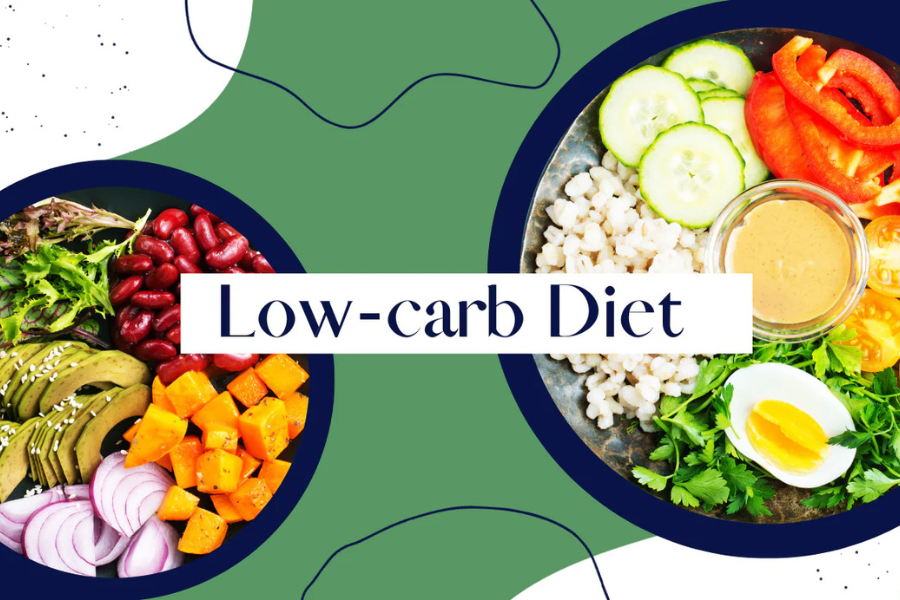
Most non starchy vegetables are naturally low in carbs and high in fiber. Leafy greens and cruciferous vegetables, such as broccoli, cauliflower, kale, and cabbage, typically contain about 3 to 9 grams of carbs per 100 grams and are excellent choices on a low carb diet (Healthline). Other good options include zucchini, asparagus, mushrooms, cucumbers, peppers, and salad greens.
Fruit is more limited, because many varieties are higher in sugar. You can still enjoy modest portions of lower sugar fruits such as berries, melons, kiwi, peaches, clementines, and grapefruit. A common guideline is to stick to 1 to 2 small servings of fruit per day, focusing mostly on berries and other lower sugar choices (Healthline; Obesity Medicine Association).
Dairy, fats, and oils
If you tolerate dairy, full fat options like plain yogurt, cheese, and cream can fit into a low carb diet, usually with 2 to 11 grams of carbs per 100 grams. Always check the label and avoid products with added sugar, fruit syrups, or sweeteners (Healthline).
Fats and oils such as olive oil, avocado oil, butter, and coconut oil contain essentially zero carbohydrates. They help you feel full, improve the flavor of your meals, and are fully compatible with a low carb, real food based diet when used in reasonable amounts (Healthline). For heart health, it is wise to lean toward unsaturated fats from plants and fatty fish when you can.
Sample low carb meals for quicker weight loss
To picture how this looks in real life, it can help to see sample meals. These ideas come from clinical guidance on low carb eating and are easy to adapt to your preferences (Obesity Medicine Association).
Breakfast ideas
You can start your day with protein and healthy fat instead of cereal or toast. For example, scrambled eggs with a few slices of bacon or chicken sausage, or a veggie omelet loaded with spinach, mushrooms, and cheese. If you prefer something faster, plain Greek yogurt with a small handful of berries and nuts is another simple option.
Lunch ideas
Instead of a sandwich, you might make an “unwich” by wrapping deli meat, cheese, and veggies in large lettuce leaves. Salads are also very flexible: fill a big bowl with mixed greens, add grilled chicken or tuna, toss in cucumbers, peppers, and olives, and finish with olive oil and vinegar. The key is to keep bread, croutons, and sugary dressings off your plate.
Dinner ideas
Dinner can be as satisfying as you are used to, just with different sides. Think steak or grilled chicken with steamed broccoli and a side salad, or baked salmon with cauliflower rice and roasted asparagus. You focus on protein, non starchy vegetables, and a healthy source of fat instead of pasta, potatoes, or white rice.
Common pitfalls and safety tips
A low carb diet is not a free pass to eat unlimited bacon and butter. Like any eating pattern, it can be done in a healthy or unhealthy way.
Do not rely only on “net carbs”
Many packaged low carb products subtract fiber and sugar alcohols to claim very low “net carbs.” The Obesity Medicine Association warns that these calculations can be misleading and may not always reflect how your body responds to the food. If you are serious about your results, you might find it more reliable to track total carbohydrates instead of just net carbs (Obesity Medicine Association).
Watch for side effects, especially early on
If you suddenly and severely cut your carbohydrate intake, your body needs time to adapt. In the first few days, you might feel tired, lightheaded, or irritable. Some people notice headaches, constipation, or what is often called “keto breath.” This is related to changes in fluid balance and the production of ketones when your body begins to burn more fat for energy (Mayo Clinic).
In many cases, these issues ease within a week or two if you drink enough water, include electrolytes like sodium and magnesium, and do not overly restrict calories. However, long term very strict carb restriction can lead to nutrient gaps and digestive problems if you do not include a wide variety of vegetables, nuts, seeds, and other fiber rich foods. A pattern that relies heavily on processed meats and high saturated fat may also increase heart disease risk over time (Mayo Clinic).
A low carb diet should still feel like a balanced way of eating, with plenty of color on your plate and an emphasis on whole foods, not just low carb substitutes.
Work with your healthcare team when needed
If you take insulin or medications that lower blood sugar, it is important to talk with your healthcare provider before you make major changes to your carb intake. As your blood sugar improves, your medication needs may change, and reducing carbs without adjusting doses could raise your risk of hypos, or low blood sugar events (Diabetes UK).
Low carb diets are generally not recommended for children, people with certain medical conditions, or those with a history of disordered eating unless closely supervised. If you are unsure, checking in with a registered dietitian or your doctor can give you a safe starting point.
How to get started in a realistic way
You do not have to switch to a strict ketogenic diet overnight to see benefits. In fact, a gradual approach often feels more sustainable and less stressful.
You can start by removing sugary drinks, candy, pastries, and white bread, then replacing them with water, unsweetened tea, and whole food snacks like nuts, cheese, or boiled eggs. From there, you might shrink your portions of pasta, rice, and potatoes and increase your servings of non starchy vegetables at each meal.
Choosing a carb range that fits your lifestyle is key. You might feel best at a moderate low carb level, around 100 grams per day, which still leaves room for some fruit, beans, and whole grains (Diabetes UK). Or you might prefer a stricter range for faster progress, as long as you can maintain it and keep your meals varied and nutrient rich.
The more you focus on simple, whole foods and listen to your hunger and fullness cues, the easier it will be to maintain your new habits and keep the pounds off in the long run.
About the Author