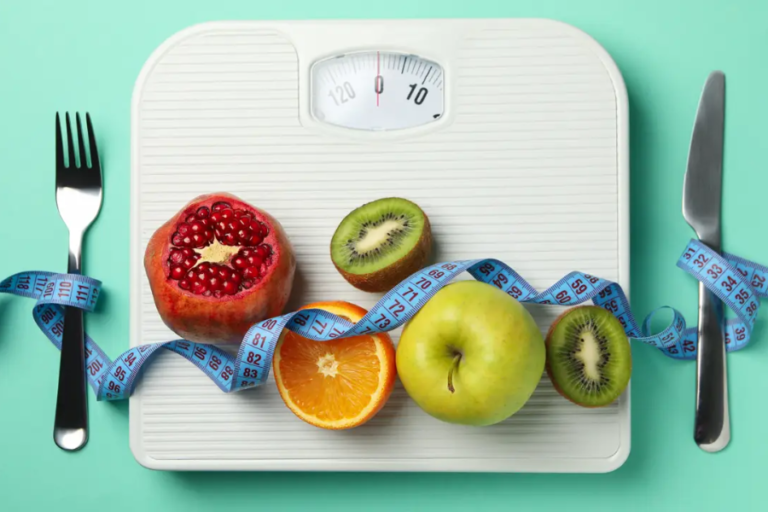
Understand what low carb diet meal prep really is
Low carb diet meal prep is simply planning, cooking, and portioning low carb meals in advance so you have grab and go options that fit your goals. Instead of wondering what to eat when you are tired and hungry, you open the fridge and your next meal is already waiting.
A low carb diet typically means limiting carbs to somewhere between 20 and 130 grams per day depending on your goals and preferences, and keeping individual meals around 15 grams of carbs or less (Healthline, Food Network). You are not cutting out all carbs. You are choosing slow digesting carbs from vegetables and some fruits, then building your plate around protein and healthy fats.
Once you treat low carb diet meal prep as a system, you start to see faster results from the same effort. You control portions, avoid last minute high carb options, and maintain steady energy through your day.
Set clear goals before you meal prep
Before you start filling containers, you need a simple game plan. Your goals will determine how strict you are with carbs and how much food you prep.
Ask yourself:
- Are you mainly focused on fat loss, blood sugar control, energy, or all of the above?
- How many meals and snacks do you want ready each week?
- How many days do you feel comfortable eating the same meal in a row?
If you want faster weight loss or blood sugar control, you will likely stay on the lower end of daily carbs and pay closer attention to ingredients like bread, pasta, juice, and sugary snacks, which are best to limit or avoid on a low carb plan (Healthline). If your goal is general health and more energy, you might include a bit more fruit and starchy vegetables while still focusing on whole foods.
With those answers in mind, you can decide whether you are prepping only lunches, or all three meals, and whether you want to cook once or twice a week.
Stock your low carb pantry and fridge
Low carb diet meal prep is much easier when you can shop your own kitchen. Keeping a core set of ingredients on hand means you can build several meals from the same base.
You will want to focus on:
- Protein: eggs, chicken thighs or breasts, lean beef, pork, fish, shrimp, ground turkey
- Low carb vegetables: leafy greens, broccoli, cauliflower, zucchini, mushrooms, bell peppers, fennel, arugula
- Healthy fats: avocado, olive oil, nuts, seeds
- Flavor add ons: herbs, spices, garlic, onion, lemon, vinegar, mustard
Eggs, lean proteins, leafy greens, low carb vegetables like cauliflower, zucchini, and broccoli, plus fats such as avocado, nuts, and olive oil form the backbone of simple, filling low carb meals (2 Guys With Knives).
What you want to keep out of your regular rotation are the obvious high carb foods: bread, traditional pasta, bagels, crackers, starchy vegetables like potatoes and sweet potatoes, sugary cereals, sweetened yogurt, and processed snacks like chips and cookies (Healthline, LowCarb Avenue).
Sugary drinks are also easy to overlook. Sodas, sweet teas, energy drinks, and fruit juices can load your day with carbs in a few sips, so stick with water, herbal tea, black coffee, or flavored sparkling water with no added sugar (LowCarb Avenue).
Start with a simple weekly plan
You do not need a color coded spreadsheet to master low carb diet meal prep. Start with a basic template, then repeat and tweak as you go.
A helpful first step is to decide on just one or two options for each meal that you would be happy to eat several times. Repeating meals is what saves you time and mental energy. For example, grilled chicken, stir fried vegetables, or omelets with greens are straightforward recipes that are easy to batch cook with only a few ingredients (2 Guys With Knives).
You can sketch a basic weekly structure like this:
Breakfast: 1 main option you prep on Sunday
Lunch: 2 alternating options so you are not bored
Dinner: 2 to 3 fast reheatable meals you can rotate
Once you have this framework, you can plug in recipes and make a short shopping list for exactly what you will use. Planning this way reduces food waste and keeps you from impulse buying high carb foods that do not match your goals (2 Guys With Knives).
Use a “power hour” style prep session
To make this sustainable, you want one focused block of prep time that sets you up for most of the week. A “Power Hour” style approach, where you prep breakfasts, lunches, and dinners for two adults in under two hours, is a proven way to get ahead without living in the kitchen (The Kitchn).
The key is to start with the tasks that take the longest, like baking a casserole or simmering a chili, then use the waiting time for quick chopping, mixing, or assembling. You multitask without feeling rushed. By the time your oven dishes are done, you already have lunches portioned and veggies prepped for dinners.
This method works best when you choose recipes that share ingredients so you can chop once and use the same vegetables or proteins across multiple meals.
Build a low carb breakfast you can repeat
Breakfast is often where your day either starts on track or drifts quickly into pastries and sugary drinks. A low carb breakfast that is high in protein and healthy fats sets a more stable tone for the rest of your meals.
One effective make ahead option is a veggie egg casserole with sliced avocado on the side. It is rich in protein and healthy fats and loaded with vegetables, and it can easily carry two adults through Friday if you bake a large pan on Sunday (The Kitchn). Pairing eggs with avocado helps keep you full longer and reduces mid morning cravings.
You might also bake egg and vegetable muffins or a chicken and broccoli casserole style dish that does double duty as breakfast or lunch. High protein, low carb breakfasts like these freeze well, so you can batch cook and keep extras for future weeks (Berry Street).
Prep high protein, low carb lunches
For most people, lunch is the meal most likely to get derailed by meetings, errands, or a long commute. High protein, low carb lunch meal prep helps you maintain steady energy, supports lean muscle, and cuts down on mid afternoon snacking (Berry Street).
You can keep your lunches interesting without making everything from scratch each day. For example, you could prep:
- Tuna salad that you serve one day in lettuce cups and another day over an arugula and fennel salad with hard boiled eggs
- Cauliflower rice bowls topped with grilled chicken, shrimp, or salmon plus roasted vegetables, which hold up well in the fridge and reheat easily (Berry Street)
Other ideas that fit well into low carb lunch meal prep include turkey taco lettuce wraps, egg roll in a bowl with ground pork or turkey, grilled salmon kabobs, and Greek chicken salad bowls. These meals offer a balance of lean protein, healthy fats, and low carb vegetables, and typically last up to four days in the refrigerator (Berry Street).
Most of these dishes can also be frozen if you want to cook in even larger batches and rotate flavors from week to week.
Make weeknight dinners almost no cook
After a long day, you probably do not want to cook anything that demands much effort. This is where low carb diet meal prep really pays off. If you spend a little time on the weekend batch cooking, your “cooking” on weeknights often comes down to reheating and assembling.
One example is a chicken taco chili made ahead of time. You can store it in the fridge and serve it over an arugula and fennel salad for extra greens and crunch. Another option is to prep beef and broccoli bowls that mimic takeout flavors using cauliflower rice instead of regular rice, which cuts the carb count to roughly a quarter of the usual amount (The Kitchn, Food Network).
Batch cooking large trays of roasted vegetables and grilling or baking a big batch of protein, such as chicken thighs or salmon, gives you building blocks for different dinners across several days (2 Guys With Knives). You might have chicken with roasted broccoli one night, then slice the same chicken over a salad or cauliflower rice bowl the next.
Practice smart portioning and food safety
Prepping low carb meals is only half the job. Portioning and storing them correctly helps you avoid overeating and keeps your food safe and tasty.
Dividing meals into single servings while you prep makes it easier to grab exactly what you planned to eat and supports your goals around calories and macros (2 Guys With Knives). You can use reusable glass or BPA free plastic containers that stack neatly in your fridge.
Most high protein, low carb meal preps keep well for 3 to 4 days in the refrigerator. Casseroles and baked meats can sometimes last up to 5 days. When reheating, adding a bit of broth, sauce, or olive oil can help maintain moisture and flavor so your meals do not feel dry or bland by midweek (Berry Street).
If you want to prep for longer than four or five days, freeze part of what you cook. Meals like chicken and broccoli casseroles, shrimp with zucchini noodles, and turkey spinach meatballs all freeze well and are easy to reheat when needed (Berry Street).
Choose carbs and dressings thoughtfully
Since every gram of carbohydrate matters more on a low carb diet, you want the carbs you do eat to work hard for you. Complex carbohydrates from non starchy vegetables and some fruits provide fiber, vitamins, and minerals that support digestion and overall health (Food Network).
Low carb vegetables like leafy greens, broccoli, cauliflower, zucchini, and mushrooms are daily standbys (LowCarb Avenue). For fruit, you will want to be more selective. Most tropical fruits such as bananas, mangoes, grapes, and pineapples are high in sugar and can stall weight loss or interfere with ketosis. Berries like strawberries, blackberries, and raspberries are lower in sugar and fit more easily into a low carb meal plan (LowCarb Avenue).
Salads are often a big part of low carb diet meal prep, so it is worth paying attention to dressings. Fat free or low fat commercial dressings may seem healthy but often contain added sugars and starches that increase carbs. Mixing your own vinaigrette with extra virgin olive oil and vinegar keeps ingredients simple and adds healthy fats that help you stay satisfied (Healthline).
Make your first low carb prep session easy
You do not need to overhaul your entire diet overnight. To get fast results that last, you are better off starting with a small, realistic change.
For your first low carb diet meal prep session, you might:
- Pick one breakfast and one lunch to repeat all week.
- Batch cook a single protein like grilled chicken or turkey and a big tray of mixed low carb vegetables.
- Portion out four days of meals into containers.
- Add simple extras like sliced avocado, a handful of nuts, or a homemade vinaigrette.
From there, you can refine. If you find you want more variety, swap in a different lunch next week or try a new dinner like cauliflower rice bowls or turkey taco lettuce wraps. If your main struggle is time, lean more heavily on casseroles and one pan meals that bake while you prep the rest of your food.
Each round of low carb diet meal prep teaches you what works for your schedule and taste. After a few weeks, the process feels less like a project and more like a habit, and you get to enjoy the payoff in the form of steadier energy, fewer cravings, and easier progress toward your health goals.
About the Author