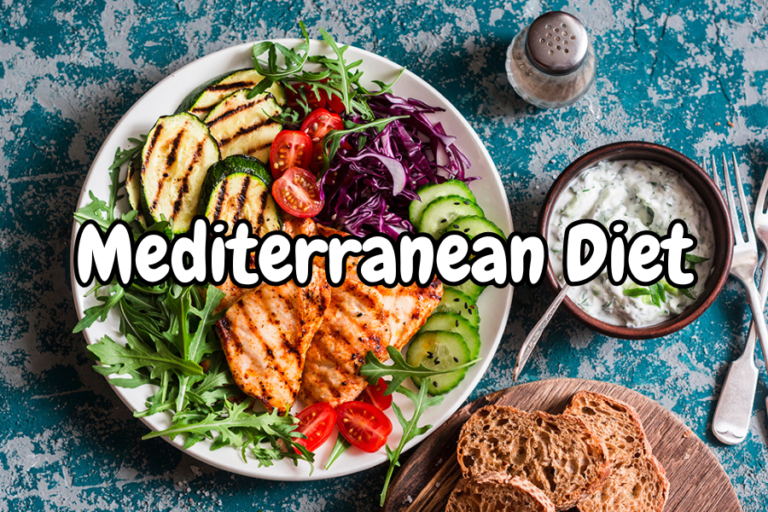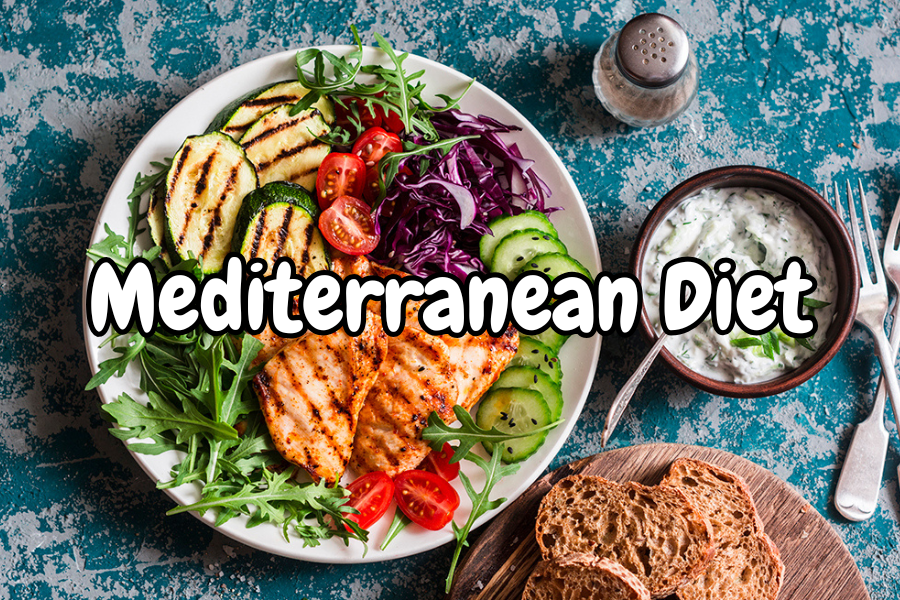
A Mediterranean diet for beginners is less of a strict meal plan and more of a gentle lifestyle reset. Instead of counting every calorie or cutting out entire food groups, you focus on eating mostly plants, high quality fats, and simple, minimally processed foods that you would find in countries like Greece, Italy, Spain, and France. Over time, those small shifts can support weight loss, protect your heart, and help you feel more energized day to day (Healthline).
If you are looking for a way of eating that is flexible, enjoyable, and backed by a lot of research, the Mediterranean diet is a smart place to start.
Understand what the Mediterranean diet is
At its core, the Mediterranean diet mirrors how people traditionally eat in regions bordering the Mediterranean Sea. It is not a branded plan with rigid rules. Instead, it is a pattern built around whole, mostly plant based foods with a few key themes.
You will see plenty of vegetables, fruits, whole grains, beans, lentils, nuts, seeds, and extra virgin olive oil. Fish and seafood appear a few times a week, while poultry, eggs, and fermented dairy like yogurt or kefir show up in moderate amounts. Red meat, sweets, and heavily processed foods are limited rather than banned (Healthline, EatingWell).
Instead of tracking macros, you pay attention to balance and portions. Unless you are managing blood sugar, you usually do not need detailed calorie counting, which can make this way of eating feel more sustainable over the long term (Healthline).
Core foods you will rely on
In a typical week, your plate will lean heavily on:
- Vegetables like leafy greens, chard, broccoli, tomatoes, and peppers
- Fruits such as grapes, berries, oranges, and apples
- Whole grains including oats, brown rice, quinoa, and buckwheat
- Legumes like lentils, chickpeas, and beans
- Nuts and seeds, for example, almonds, sunflower seeds, and walnuts
- Healthy fats from olives, avocado, and extra virgin olive oil
- Fish and seafood, along with modest portions of poultry and eggs
Red meat, refined carbs, sugary drinks, and highly processed snacks move to the background, reserved for occasional treats rather than daily staples (Healthline, UC Davis Health).
Learn why it is a smart choice for beginners
When you are new to changing your diet, strict rules can feel overwhelming. One reason the Mediterranean diet works so well for beginners is that it is flexible and focuses on what you can add, not just what you should avoid.
You do not have to overhaul your entire pantry in one weekend. You can start with a single change, like cooking with extra virgin olive oil instead of butter, and build from there. That gradual approach is exactly what many health experts recommend, since small, steady shifts are easier to maintain (Harvard Health Publishing, UC Davis Health).
The Mediterranean diet is also naturally varied. You can adapt it if you are vegetarian or need to eat gluten free by leaning more on beans, lentils, nuts, and gluten free whole grains while still following the same basic principles (Cleveland Clinic).
Health benefits that support your goals
If weight loss and better health are your priorities, this eating pattern lines up well with both. Research links the Mediterranean diet to a lower risk of heart disease, metabolic syndrome, type 2 diabetes, some cancers, and depression. In older adults, it is associated with better physical and mental function and a lower risk of frailty (Harvard Health Publishing).
The benefits come from a mix of factors. High fiber foods help keep you full, which may reduce overall calorie intake without strict limits. Healthy fats and antioxidants from extra virgin olive oil, nuts, and vegetables have anti inflammatory effects and support heart and brain health (Cleveland Clinic, Healthline).
For weight management specifically, the focus on whole foods and fewer highly processed, sugar heavy meals can help prevent weight gain and make slow, steady weight loss more realistic (Healthline, UC Davis Health).
Focus on the lifestyle, not just the food
One thing that makes the Mediterranean diet different from many trendy plans is the emphasis on lifestyle. Food is not meant to be eaten in isolation, it is part of a daily rhythm that includes movement and social connection.
You are encouraged to cook more at home, enjoy meals with friends and family when you can, and build simple activity like walking into your days. This social, relaxed approach to eating is a big reason many people find Mediterranean style habits easier to stick to (EatingWell, Harvard Health Publishing).
You also do not need to cut out enjoyable foods entirely. Eggs fit in a few times a week, and if you drink alcohol, low to moderate amounts of red wine with meals can be part of the pattern, although you should not start drinking if you do not already, and you should always follow your doctor’s guidance (Healthline).
Think of the Mediterranean diet less as a “diet” and more as a framework that you can personalize to match your tastes, culture, and health needs.
Make small, beginner friendly changes
If the idea of starting a Mediterranean diet feels big, begin with one or two habits you can practice this week. Over time, these small changes compound.
Start with your cooking fats
A simple first step is to swap solid fats like butter or shortening for extra virgin olive oil. EVOO is rich in heart friendly unsaturated fats and antioxidants. It has been shown to support heart and brain health and reduce inflammation, which is why it is considered a cornerstone of the Mediterranean pattern (Cleveland Clinic).
Use olive oil for sautéing vegetables, roasting potatoes, or drizzling over salads and cooked grains. Over time, this alone can shift your diet away from less healthy fats.
Add vegetables to every meal
Another beginner move is to make vegetables non negotiable at breakfast, lunch, and dinner. That might mean spinach in your morning eggs, a side salad with lunch, and roasted broccoli or peppers at dinner.
As you do this consistently, your fiber intake climbs, your meals become more filling, and there is naturally less room for ultra processed sides and snacks. This one change aligns closely with how Mediterranean regions eat, where vegetables and legumes are often the bulk of the meal rather than a small side (Cleveland Clinic, UC Davis Health).
Shift your protein choices
You do not have to give up meat entirely, but gradually moving from red and processed meats toward fish, seafood, beans, and lentils will bring your meals closer to a Mediterranean pattern. Aim for fish a couple of times a week, beans or lentils on most days, and poultry or eggs in moderate amounts (EatingWell).
If you are vegetarian, you can lean more heavily on legumes, nuts, seeds, and dairy where appropriate. If you avoid gluten, you can pick gluten free whole grains like brown rice and quinoa. The structure stays the same, only the specific foods shift (Cleveland Clinic).
Build a simple beginner meal pattern
You do not need a complicated meal plan to get started. A loose structure can help you stay on track without feeling boxed in.
Here is an example pattern you might follow and repeat with different ingredients:
| Meal | Mediterranean friendly idea |
|---|---|
| Breakfast | Oats cooked in water or milk, topped with berries and walnuts |
| Lunch | Big salad with mixed greens, chickpeas, veggies, olive oil dressing |
| Snack | A small handful of almonds and a piece of fruit |
| Dinner | Grilled fish or beans, whole grains like quinoa, plus roasted vegetables |
Plans around 1,200 to 1,400 calories can be a starting point for some people, and it is easy to scale your intake up by adding items like whole wheat bread, extra nuts, or more fruit if you need more energy. Some 7 day beginners plans are designed exactly this way, with simple, repeatable meals and manageable ingredient lists so you are not cooking something different every night (EatingWell).
If you prefer to move more gradually, you can also follow a weekly checklist approach. For example, choose one new habit each week, such as:
- Week 1: Add vegetables to every meal
- Week 2: Switch to extra virgin olive oil as your main cooking fat
- Week 3: Include fish or beans at least four times a week
- Week 4: Cut back on sugary drinks and most packaged snacks
This slower progression is consistent with what many health organizations suggest, since gradual changes are more likely to stick (Harvard Health Publishing).
Keep safety and personalization in mind
Even though the Mediterranean diet is widely regarded as a healthy pattern, the best version for you is the one that accounts for your medical history, preferences, and lifestyle. Before you make big changes, especially if you have conditions like diabetes, heart disease, kidney disease, or food allergies, it is wise to talk with your primary care provider or a registered dietitian.
A clinician can help you:
- Adjust portion sizes to match your calorie needs and weight goals
- Choose the right carbohydrate balance if you manage blood sugar
- Adapt recipes for vegetarian, vegan, or gluten free needs
- Avoid nutrient gaps if you cut down on certain foods
Health systems specifically recommend this kind of tailored approach so you can enjoy the benefits of Mediterranean style eating without overlooking important details for your situation (Cleveland Clinic, UC Davis Health).
Bringing it all together
A Mediterranean diet for beginners is a smart choice because it meets you where you are. You focus on adding more vegetables, fruits, whole grains, legumes, and healthy fats, while slowly stepping away from heavily processed foods and excess sugar. You do not have to chase perfection or follow rigid rules to see benefits in your weight, heart health, and overall energy.
You can start today with one small change, maybe swapping your usual cooking fat for extra virgin olive oil or building a colorful salad into your lunch. Over time, these small, consistent choices add up to a way of eating that supports your body and fits your life.
About the Author