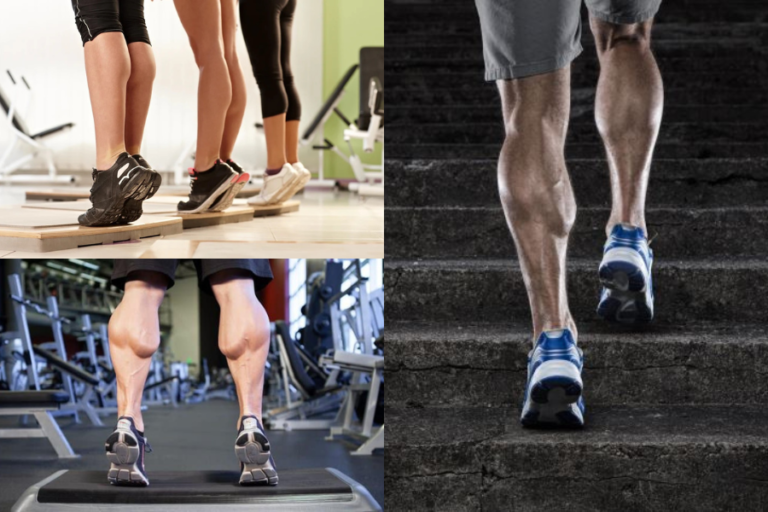
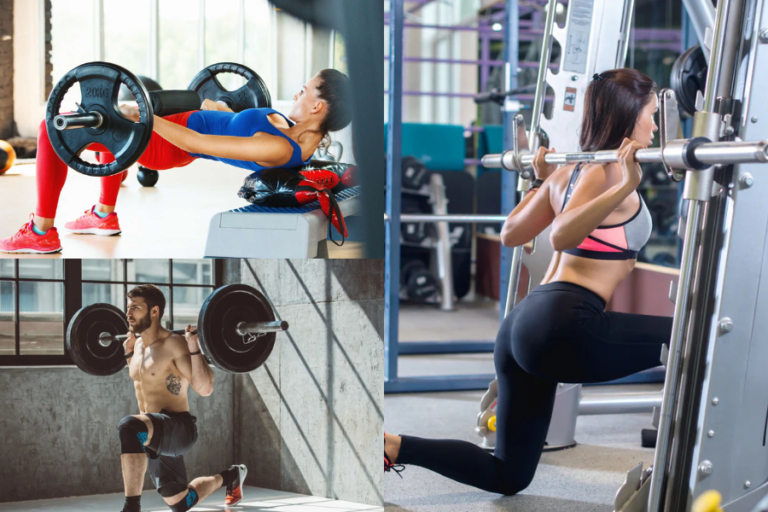
A focused quad workout with barbell can build strength, muscle, and knee stability without overcomplicating your leg day. With a few key barbell movements and smart technique, you can turn your quads into a real strength asset and support better performance in everything from squats to sports.
Below, you will learn which barbell exercises to prioritize, how to perform them safely, and how to structure an effective quad workout with barbell based on your goals.
Understand how barbell quad training works
Your quadriceps are the large muscles on the front of your thighs. They extend your knee and stabilize your lower body when you walk, run, squat, or climb stairs. When you train them with a barbell, you can load them heavily and progressively, which is ideal for strength and size gains.
Barbell quad training relies on compound movements that use several joints at once. Squats, lunges, and step-ups all involve the hips, knees, and ankles working together. This not only challenges your quads but also your glutes, hamstrings, calves, and core muscles, so you get a lot of benefit from a small set of exercises.
You will see the best quad results when you:
- Keep your heels down and let your knees travel forward over your toes
- Use a full, controlled range of motion
- Choose loads that are challenging but allow good form and steady tempo
These details make a bigger difference than simply piling weight on the bar.
Master form on barbell lunges
If you want a simple but powerful way to train one leg at a time, barbell lunges are hard to beat. According to BarBend, lunges with a barbell across your traps are better suited to advanced lifters and you should start with an empty bar before adding weight, then reduce the load if you struggle with control during the exercise.
Lunges target your quadriceps, hamstrings, glutes, and calves, which makes them a comprehensive choice for leg development on leg day. Because you are stabilizing on a single leg, they also improve balance, coordination, and joint stability in the ankle, knee, and hip. This can carry over to stronger squats and better sports performance.
How to do a basic barbell lunge
- Set a barbell in a squat rack at about upper chest height.
- Step under the bar and place it across your upper traps, then unrack it and step back with your feet hip-width apart.
- Take a controlled step forward with one leg.
- Lower your body until your front thigh is almost parallel to the floor and your front shin stays vertical. This position helps maximize quad engagement.
- Press through the heel and midfoot of your front leg to stand back up and return to the starting stance.
- Repeat all reps on one leg or alternate legs, depending on your preference.
Keep your chest lifted, your gaze forward, and your core braced. Your knees should track in line with your toes, not collapse inward.
Common lunge mistakes to avoid
Small form errors can shift work away from your quads or increase knee stress. BarBend highlights a few key issues to watch for:
- Shortening the range of motion and not lowering enough
- Taking very short steps forward, which reduces muscle stretch and can stress the knee
- Leaning the torso too far forward, which offloads the quads and overloads the hips and lower back
Aim for smooth, deliberate reps instead of rushing to finish the set.
How many sets and reps for lunges
Your ideal rep range depends on whether you are chasing muscle growth or strength.
According to BarBend, for muscle hypertrophy you should perform 12 to 15 repetitions per leg for 3 to 4 sets when using weights, including a barbell. If you are more focused on strength, 6 to 8 repetitions per leg across 4 sets with a moderate load, not a maximal one, is recommended.
Use a weight that makes the last 2 to 3 reps challenging while still allowing you to maintain technique.
Use barbell squats for quad strength
The barbell back squat is often called the king of leg exercises because it builds quadriceps and glute strength and is a staple for bodybuilders and powerlifters. However, your lower back can fatigue early in standard back squats, sometimes limiting how much your quads are truly challenged compared to other muscles in the movement.
You can still make barbell squats a powerful quad exercise by adjusting your stance, shin angle, and tempo.
Quad focused squat technique
To emphasize your quads in the barbell back squat:
- Place the barbell across your upper traps, not too low on your back.
- Take a shoulder-width stance with your toes slightly pointed out.
- As you descend, let your knees travel forward over your toes while keeping your heels fully on the floor. Dr. Mike Israetel notes that this fully exposes and stretches the quads at the bottom, which supports hypertrophy.
- Maintain an upright torso rather than leaning excessively forward. This keeps more load on the quads and less on your hips and lower back.
- Control the descent for about 2 to 5 seconds to increase time under tension and mind muscle connection in your quads, as Israetel recommends.
- Pause for 1 to 2 seconds at the bottom, then push through your midfoot to stand back up. The pause helps remove the rebound and can improve both safety and quad growth.
Avoid pushing your hips too far back or folding forward, which shifts the emphasis to your posterior chain and can strain your spinal erectors.
Squat depth and load selection
For better quad development, focus on full range repetitions instead of ego lifting. Built With Science points out that stopping at half reps in squats, hack squats, and leg presses often limits muscle growth, and recommends bending your legs until your thighs are at least perpendicular to your calves to ensure a fuller range of motion.
Going too heavy often leads to shortened reps and sloppy form. It is usually more effective to choose a moderate load and push the set close to failure within the 8 to 12 rep range rather than grinding out low rep sets with poor depth.
Add front squats for extra quad focus
While back squats hit both quads and glutes, front squats tend to place even more emphasis on the front of your thighs. With the barbell held in front of your body, you must keep a more upright torso and allow your knees to travel forward, which increases quad activation and reduces stress on your lower back.
As of 2026, barbell front squats are recognized as a highly effective lower body compound exercise for quad growth, especially when you use a controlled tempo that maintains tension throughout the movement, often described as a serious quad burner.
How to perform a barbell front squat
- Set a barbell in a rack at upper chest height.
- Use either a clean grip or cross arm grip to hold the bar across the front of your shoulders.
- Step back and stand with your feet shoulder width apart. Keep your elbows high and your chest up so the bar stays in place.
- Inhale, brace your core, then sit down between your hips while letting your knees travel over your toes.
- Lower until your thighs are at least parallel to the floor, then pause briefly.
- Drive through your midfoot and heels to stand up, keeping your torso upright.
Beginners should start with a lighter load than their back squat and may need to work on shoulder, wrist, and upper back mobility to maintain a comfortable front rack position.
Maintaining chest elevation in both front and split squats encourages proper knee travel over the toes and increases quad demand without compromising safety.
Use split squats and step-ups to fill gaps
Your quads respond well to both bilateral and unilateral work. Alongside squats and lunges, barbell split squats and step-ups let you hone in on each leg and clean up side to side strength imbalances.
Barbell split squats
Barbell split squats are a compound exercise that targets your quads while allowing more load than a bodyweight single leg squat. For best results, place at least 90 percent of your body weight on the front leg to maximize quadriceps engagement.
You will use a similar bar position to a back squat, then step one foot back into a split stance and lower until your front thigh is parallel to the ground. Keep your chest tall and your front knee tracking over the toes, not collapsing inward.
Barbell step-ups
In a barbell step-up, your quads lift your body against gravity as you climb onto a box or bench. The movement heavily involves the quadriceps and also activates the glutes, in some cases more than traditional glute exercises like squats and hip thrusts.
Use a box height that lets you keep control and a neutral spine. Push through the entire foot of your working leg on the box instead of springing off the foot that remains on the floor.
Plan your quad workout with barbell
Once you know the key exercises, you can put them into a clear and simple workout plan. Most lifters will grow best with 2 quad focused sessions per week and at least 2 barbell quad exercises per workout, such as front squats and another quad emphasis movement.
Sample quad focused barbell workout
Here is a straightforward structure you can adapt to your level:
- Barbell front squat
- 3 to 4 sets of 6 to 10 reps
- Use a controlled 2 to 4 second descent and a brief pause at the bottom
- Barbell lunge (walking or stationary)
- 3 sets of 8 to 12 reps per leg for strength
- Or 3 to 4 sets of 12 to 15 reps per leg for hypertrophy, as BarBend suggests
- Barbell split squat or step-up
- 3 sets of 8 to 12 reps per leg
- Focus on balance, full depth, and constant tension on the front leg
- Optional finisher: lighter back squats
- 2 sets of 12 to 15 reps
- Use elevated heels with plates or lifting shoes to increase shin angle and quad tension if your knees tolerate it well
For most barbell quad movements, working in the 6 to 15 rep range is effective. Lower reps in that range emphasize strength, while higher reps create more fatigue and metabolic stress, which is helpful for muscle growth.
Keep a training log and slowly add either a few pounds to the bar or an extra rep over time. This steady progression often matters more than complex programming.
Safety tips and recovery basics
A quad workout with barbell is demanding, so your setup and recovery need to support the effort.
Warm up with a few minutes of light cardio, then do dynamic leg swings and bodyweight squats before touching the barbell. Start heavy work with a couple of lighter warm up sets of your main lift.
During exercises, pay attention to:
- Stable heel contact with the floor
- Knees tracking in line with your toes
- A braced core and controlled breathing
If you feel sharp pain in your knees, hips, or back, stop the set and reassess your technique and load. Remember that you can often get better quad growth from moderate loads taken close to failure than from extremely heavy weights that compromise form or range of motion.
After training, gentle stretching, walking, and consistent sleep will help your quads recover so you are ready for your next session.
Start with 1 or 2 of the movements from this guide in your next leg day, such as barbell front squats and lunges, and focus on clean, deep reps. As your confidence grows, build out the full workout and enjoy stronger, more powerful quads.
About the Author