Why walking works for weight loss
If you are looking for walking workouts for beginners weight loss is probably one of your main goals. Walking is a simple way to start, especially if you have not exercised in a while or do not enjoy intense workouts.
Experts consider walking a solid first step toward losing weight and improving overall health. It helps you:
- Burn calories in a low impact way
- Improve heart health and circulation
- Support blood sugar control
- Reduce stress and anxiety, which can affect your weight
Walking is also convenient. You do not need a gym, team, or trainer. A good pair of shoes and a safe place to move are often enough, as Dr. Callie M. Davies, a sports medicine physician at Mayo Clinic in Arizona, notes (Mayo Clinic).
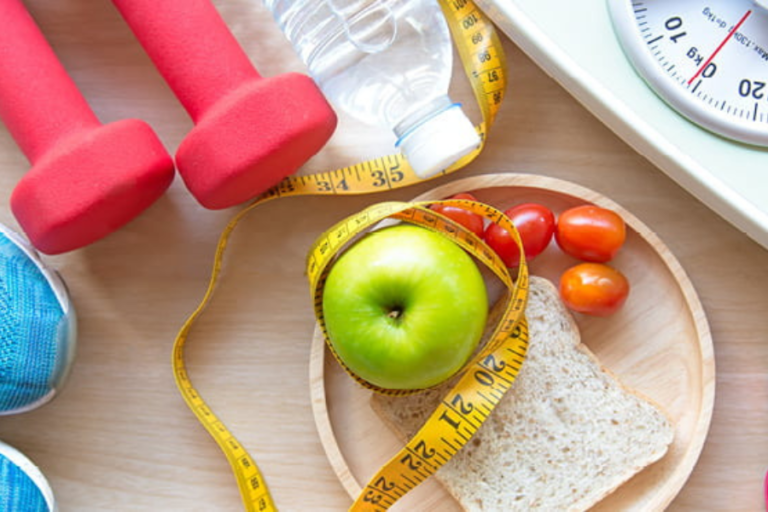
To lose weight, walking works best when you pair it with a nutritious diet, enough sleep, and stress management, according to Sabrena Jo, Ph.D., ACE senior director of science and research (AARP).
How much you need to walk
Research suggests that walking can support weight loss for almost everyone, and that for many women it is nearly as effective as running unless they are in the heaviest weight category (Verywell Fit).
Key time and step targets
Different health organizations offer slightly different targets. You can use these as guides and adjust based on your current fitness level.
- The American College of Sports Medicine recommends at least 250 minutes per week of moderate intensity walking for weight loss (AARP).
- If that sounds like a lot, you can build up to 150 to 250 minutes per week, increasing your time by up to 20 percent every two weeks (AARP).
- For older adults or people who are sedentary, a daily step goal around 7,500 steps is a realistic starting point that still supports weight loss (Health).
You do not have to hit these numbers on day one. Think of them as destinations. Your first job is to start moving consistently.
What “moderate intensity” really feels like
Many walking workouts for beginners weight loss plans will talk about “moderate intensity” or “brisk walking.” In practical terms, a brisk pace is:
- Fast enough that you can talk
- But not so easy that you can hold a long, relaxed conversation
This level of effort tends to burn more calories and fat than a gentle stroll (AARP).
If you are new to exercise or have health concerns, check in with your healthcare provider before you push intensity. Dr. Davies also recommends this step for beginners and anyone with chronic conditions (Mayo Clinic).
Safety first when you are starting
A safe start helps you stay consistent, which matters more than pushing hard for a week and then quitting.
Basic safety guidelines
- Start slow and short. If you have been very inactive or have a disability or medical condition, even walking to the end of your driveway and back is a good beginning. It is better than doing nothing (Reddit).
- Increase gradually. Add distance or time very slowly, for example by up to 20 percent every two weeks, so your joints and muscles can adapt (AARP).
- Choose safe surfaces. If balance is an issue, stick to solid, flat footpaths or smooth indoor tracks rather than uneven trails (Reddit).
- Watch the weather. Avoid extreme heat, wear a hat if you are in the sun, and drink plenty of water (Reddit).
- Plan for personal safety. If you do not feel safe walking at night, choose early morning, daytime, or sunset instead, or walk in well lit public spaces (Reddit).
Staying within your limits is important. An injury that sends you to the couch for weeks can slow your progress far more than taking things a bit easier at first.
Week 1–2: Gentle walking habit
Your first goal is not to chase a calorie number. It is to build a daily walking habit that feels manageable.
During these first two weeks, aim for 20 minutes of walking most days. This matches the early stage of a 31 day walking and mental health plan that helped one woman replace her evening wine habit, lower stress, and eventually lose 50 pounds (Today).
Sample 20 minute walk
Try this structure about five days per week:
- 5 minutes at a comfortable, easy pace to warm up
- 10 minutes at a brisk pace where you can talk, but not easily hold a full conversation
- 5 minutes back at your easy pace to cool down
If 20 minutes feels too hard, start with 10 to 15 minutes and add a few minutes each week.
Simple motivation tricks
- Pair your walk with a favorite podcast or playlist
- Walk the same route at first so you can notice how it feels easier over time
- Use a note on the fridge or a calendar app as a mini habit tracker and mark each walking day
Do not worry about perfection. Even four days out of seven is a strong start.
Week 3–4: Build time and add brisk intervals
Once 20 minute walks feel comfortable, you can begin to:
- Extend your total walking time
- Increase the portion spent at a brisk pace
This stage is where your walking workouts for beginners weight loss plan starts to work harder for you, but still stays manageable.
25 minute beginner interval walk
A simple approach is a 25 minute interval walk, which you can repeat about five days a week (Health):
- 5 minutes normal, easy pace
- 15 minutes increased pace (your brisk, “talk but not chat” level)
- 5 minutes normal pace
Every two weeks, you can increase the brisk portion by about 5 minutes as long as you feel good (Health).
Try two shorter walks instead of one long one
If you find longer sessions draining or you tend to get very hungry after long walks, splitting your activity can help. Several sources point out that two shorter walks per day may work better than a single long walk for weight loss, especially in people with higher weight (AARP, Health).
For example:
- Walk 15 minutes in the morning
- Walk 15 minutes in the evening
A 2019 study found that walking twice daily for at least 25 minutes, six days a week, led to more weight loss than walking once a day for 50 minutes (Health).
Shorter sessions may also reduce the intense hunger that can follow long walks for some people, which sometimes leads to binge eating and slows progress (Reddit Fitness).
Week 5 and beyond: Progress your walking
Once you are walking regularly, you can increase your weekly time, adjust your pace, or change the structure of your walks. The right choice depends on what you enjoy and what your body tolerates.
Aim for 4 to 5 walks per week
Guidance for beginners suggests 4 to 5 walking days per week, with each walk lasting 50 to 60 minutes as a longer term goal (Health).
At a moderate pace of about 3.5 miles per hour, a person who weighs roughly 154 pounds can burn about 280 calories in 60 minutes of walking (Health).
If 60 minutes feels out of reach right now, work up gradually. For example:
- Week 5: 30 minute walks
- Week 6: 35–40 minute walks
- Week 7: 45 minute walks
Continue increasing time every week or two, adjusting based on how your body responds.
Add variety with hills or intervals
Once straightforward walking feels comfortable, you can increase calorie burn without needing to start running by:
- Including short hills in your route
- Doing intervals, where you alternate brisk walking with comfortable walking
- Walking two times per day instead of one long session
These methods can raise your heart rate and use different muscles, and they may support weight loss more effectively while staying low impact (Verywell Fit).
If you are comfortable and cleared by your healthcare provider, you can eventually alternate days of walking and short running intervals. This can offer the benefits of running with fewer risks, and walking acts as active recovery between run segments (Mayo Clinic).
Optional: The 12–3–30 treadmill workout
If you have access to a treadmill and like structured workouts, you might consider the 12–3–30 workout. It became popular because it is fully walking based but still feels challenging.
What 12–3–30 means
For this treadmill routine you:
- Set the incline to 12
- Set the speed to 3 miles per hour
- Walk for 30 minutes
There is no running, which makes it appealing for people who want intensity without pounding on the joints (Today).
Walking on an incline works your glutes, hamstrings, and quads more than flat walking and raises your heart rate, which can increase calorie burn. For a 150 pound person, a 30 minute walk like this can burn around 125 calories or more, and the incline can add to that total. Combined with an appropriate diet, it can support losing 1 to 2 pounds per week (Today).
How beginners should approach it
Jumping straight into the full 12–3–30 setup is not ideal if you are new to walking workouts for beginners weight loss programs.
To reduce your risk of overuse injuries in your lower back, knees, or hamstrings, start by:
- Lowering the incline to something like 3 to 6
- Reducing the duration to 10 to 15 minutes
- Gradually working up to 30 minutes and a steeper incline over several weeks (Today)
Experts also recommend doing this type of workout at most every other day and mixing it with easier, lower impact activities on the other days to prevent burnout and injury (Today).
Add strength training for better results
Once you have a consistent walking routine, adding a small amount of strength training can help you:
- Build muscle that burns more calories at rest
- Improve balance, posture, and walking form
- Protect your joints
One 31 day program introduces a simple no equipment strength circuit in the third week. A few days per week, participants rotate through six exercises that build basic strength and support walking performance (Today).
Beginner friendly strength moves
You can do one set of 8 to 12 repetitions of each exercise to start, resting as needed:
- Squats
- Marching bridges (lying on your back, lifting your hips, then alternately marching your feet)
- Plank into downward dog
- Seated oblique twists
- Knee raises with backward leg lifts
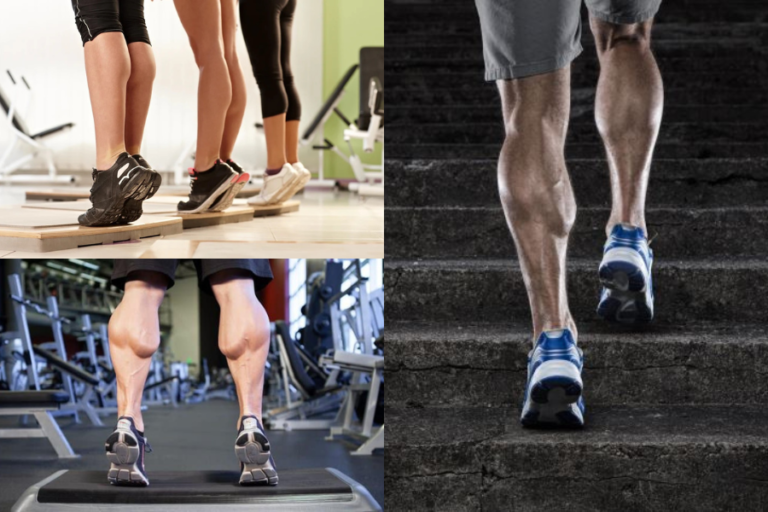
- Calf raises
These types of moves can improve balance and help support your lower back and core while you walk, which can make longer sessions more comfortable (Today).
Make your walking routine sustainable
The most important factor in weight loss from walking is consistency. Walking a moderate amount most days of the week tends to beat occasional intense sessions (Verywell Fit).
Practical tips to stay consistent
- Track what you do. A basic journal, spreadsheet, or smartwatch can help you log walking time, distance, weight changes, and how you feel. This kind of tracking helped one beginner spot patterns between their walking, hunger, and binge eating episodes (Reddit Fitness).
- Replace, do not just remove. As in the 31 day walking plan that swapped evening wine for a daily walk, you might pick an unhelpful habit and replace it with walking (Today).
- Use mental health “mini challenges.” Some programs pair walking with small weekly mental health goals and a habit tracker journal. This can nudge you to use walks as a chance to unwind instead of just exercise (Today).
- Choose forms of movement you enjoy. Dr. Davies emphasizes that the best exercise for long term weight loss is one you actually like and can see yourself doing regularly (Mayo Clinic).
Pair walking with eating and lifestyle habits
Walking alone can help, but you will likely see better results if you combine it with:
- A nutritious diet focused on whole foods
- Enough sleep to support hormone balance and appetite control
- Some form of stress management, since stress can influence weight gain
Sabrena Jo points out that this combination of walking, healthy eating, rest, and stress management gives you the most reliable path to weight loss (AARP).
Putting it all together
Here is a quick way to structure your walking workouts for beginners weight loss plan:
- Weeks 1–2: Walk 20 minutes a day at an easy to brisk pace, about 5 days per week.
- Weeks 3–4: Shift to 25 minute walks with 15 minutes at brisk pace, or do two 15 minute walks per day.
- After week 4: Gradually build toward 40 to 60 minutes of walking on most days, or two shorter walks that add up to the same time.
- Optional: Add hills, intervals, or treadmill incline sessions once the basics feel easy.
- Ongoing: Include simple strength exercises 2 to 3 times per week and support your walking with good nutrition, sleep, and stress care.
You do not have to do everything perfectly for walking to help your weight and your health. Start with what feels doable today, even if that is just a short stroll, and give yourself permission to progress at your own pace.
About the Author